Gianduiotto
The gold-wrapped Turin chocolate born from wartime scarcity
- Vegetarian
- Local name
- Gianduiotto (Giandujotto)
- Best eaten at
- A Turin café
- Pairs with
- Bicerin or espresso
What it is
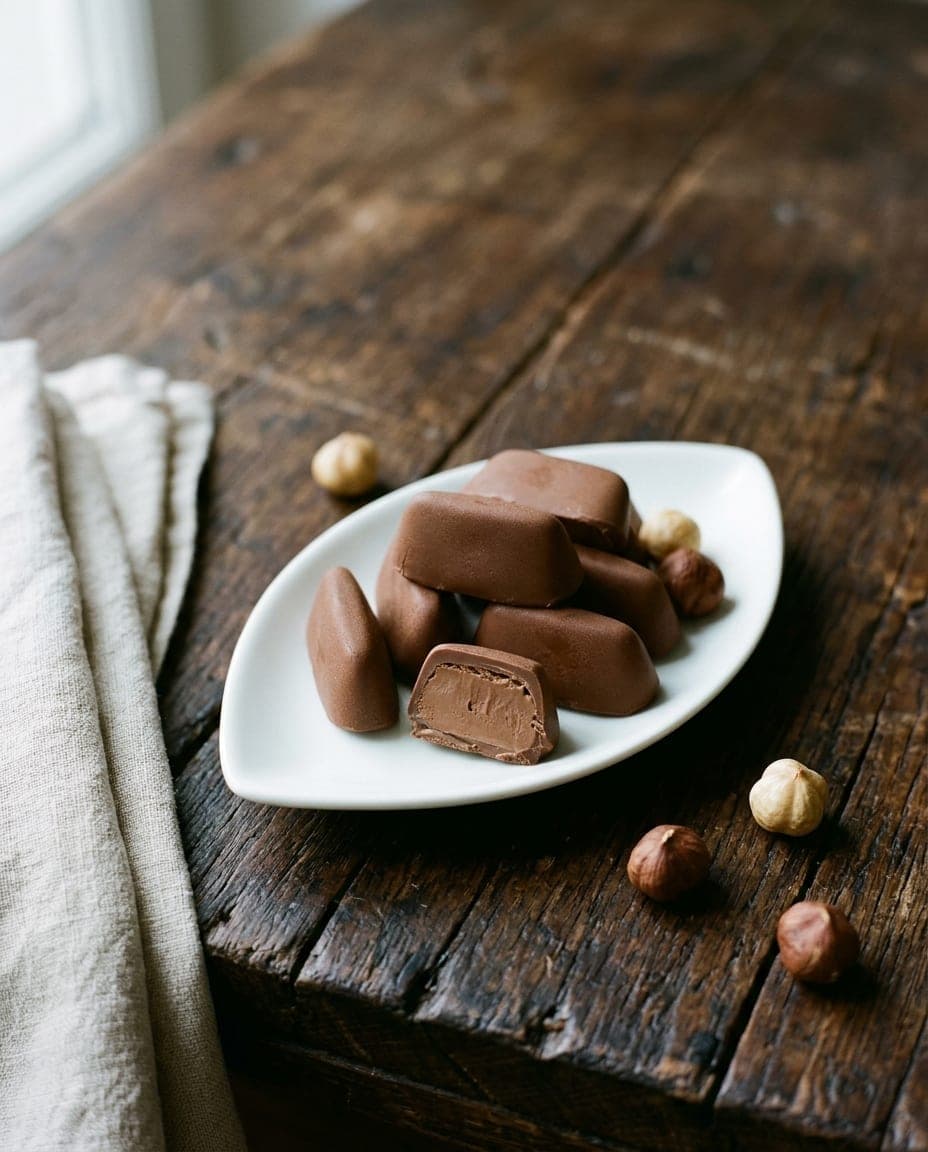
The gianduiotto is a small chocolate shaped like an upturned boat, wrapped in shiny gold or coloured foil. It is the best-known sweet of Turin and the heart of Piedmont's chocolate tradition. It is made of gianduia, a soft, melting blend of cocoa, sugar and a high proportion of ground Piedmont hazelnuts, typically somewhere between a quarter and two-fifths of the weight. The texture is distinct from the hard snap of a plain chocolate bar or the fluidity of modern spreads; it is dense, nutty and rich, dissolving slowly on the tongue to reveal the flavour of roasted nuts rather than just sugar.
This confection is a symbol of Turin itself. It appears in window displays, on café counters and in gift boxes all year. Chocolate makers elsewhere sell hazelnut chocolates, but the gianduiotto remains tied to Turin and to the hazelnuts of the hills to the south. Its story, as it is usually told, began not with abundance but with necessity.
The blockade and the birth of gianduia
The most widely repeated account places the origins of gianduia in the early 19th century, when Napoleon's Continental System (decreed in 1806) disrupted European trade and made imported goods such as cocoa and sugar scarce and expensive. Turin's chocolatiers, so the story goes, stretched their limited cocoa with what was plentiful: the hazelnuts of the Langhe.
No written records document gianduia production in those years, so the blockade story is best read as a plausible tradition rather than established history. What is documented is that by the mid-19th century Turin confectioners were refining a paste of finely ground hazelnuts and cocoa. The hazelnut used today, the round Tonda Gentile, is sold under the protected geographical indication for Piedmont hazelnuts, Nocciola del Piemonte IGP. The resulting mixture was softer and cheaper than pure chocolate, and it laid the foundation for one of the world's best-loved flavour pairings.
The carnival mask and the 1865 ingot
The gianduiotto as a distinct, individually wrapped chocolate is generally dated to 1865, when the paste was first moulded into its upturned-boat shape and wrapped in gold foil. The shape is often said to recall the brim of the tricorn hat worn by Gianduja, the carnival mask of Turin, representing the good-natured common people of the city.
The mask gave its name to both the paste and the sweet. According to local tradition, Gianduja handed out the chocolates to crowds during the Turin carnival, and children came to associate the sweet with the character. The details of the first distribution are part legend, but the link between mask and chocolate cemented the gianduiotto's place in the city's identity.
How it is eaten
The gianduiotto is best enjoyed at room temperature. If it is too cold, the chocolate feels hard and the nut paste less fragrant; if it is too warm, the soft paste loses its shape. The foil wrapper, open on the flat base, is peeled back to reveal the smooth surface. It is meant to be eaten slowly, letting the hazelnut flavour develop as the chocolate melts.
It is rarely served as a dessert after a large meal. Instead, it fits into the rhythm of a Turin café visit or an afternoon break, often with a coffee. The sweetness is balanced by the nuttiness, making it neither cloying nor dry.
Pairing is traditional and simple. A bicerin, the layered drink of coffee, chocolate and cream that originated in Turin, is the classic companion. Alternatively, a strong espresso cuts the richness and cleanses the palate between pieces.
Where it comes from
The gianduiotto is inextricably linked to Turin and the surrounding Piedmont region. Hazelnut chocolates exist across Italy and beyond, but they lack the specific history and cultural weight of the Turin original. The sweet relies on Piedmont hazelnuts for its character, grown in the hills of the Langhe, Roero and Monferrato south and east of the city.
In Turin itself, the sweet is everywhere: in the windows of historic cafés, on the counters of chocolate makers both old and new, and in boxes sold at the city's food shops.
Curious facts
- The ancestor of spreads. Gianduia paste is the forerunner of modern hazelnut chocolate spreads, which took the same pairing of cocoa and hazelnut and made it spreadable.
- A shape with a purpose. Besides recalling Gianduja's hat, the compact upturned-boat form helps the soft paste hold together.
- The gold wrapper. The classic gianduiotto comes in gold foil; coloured wrappers are common today.
- A carnival icon. The mask Gianduja remains the traditional figure of the Turin carnival.
- A nickname. By the late 1860s the sweet was popularly known in Turin as givò.
Where to try it
The best place to eat a gianduiotto is in a Turin café. The city's historic coffee houses and chocolate shops sell them singly with a coffee or by weight to take away. In winter, the warm atmosphere of these cafés suits the experience particularly well.
Outside Turin, the Langhe hills around Alba, where the hazelnuts are grown, also have a strong chocolate and hazelnut tradition. During the carnival, special editions are sometimes released. Whether eaten alone or with a bicerin, the gianduiotto offers a quiet moment of pleasure that reflects the ingenuity of Turin itself.
Where to try it
1 destination
 Camper Van Rentals
Turin
Architectural gem with historic cafes, elegant squares, and rich chocolate tradition.
Camper Van RentalsThermal Spas
1 region
 Agritourism31 destinations
Piedmont
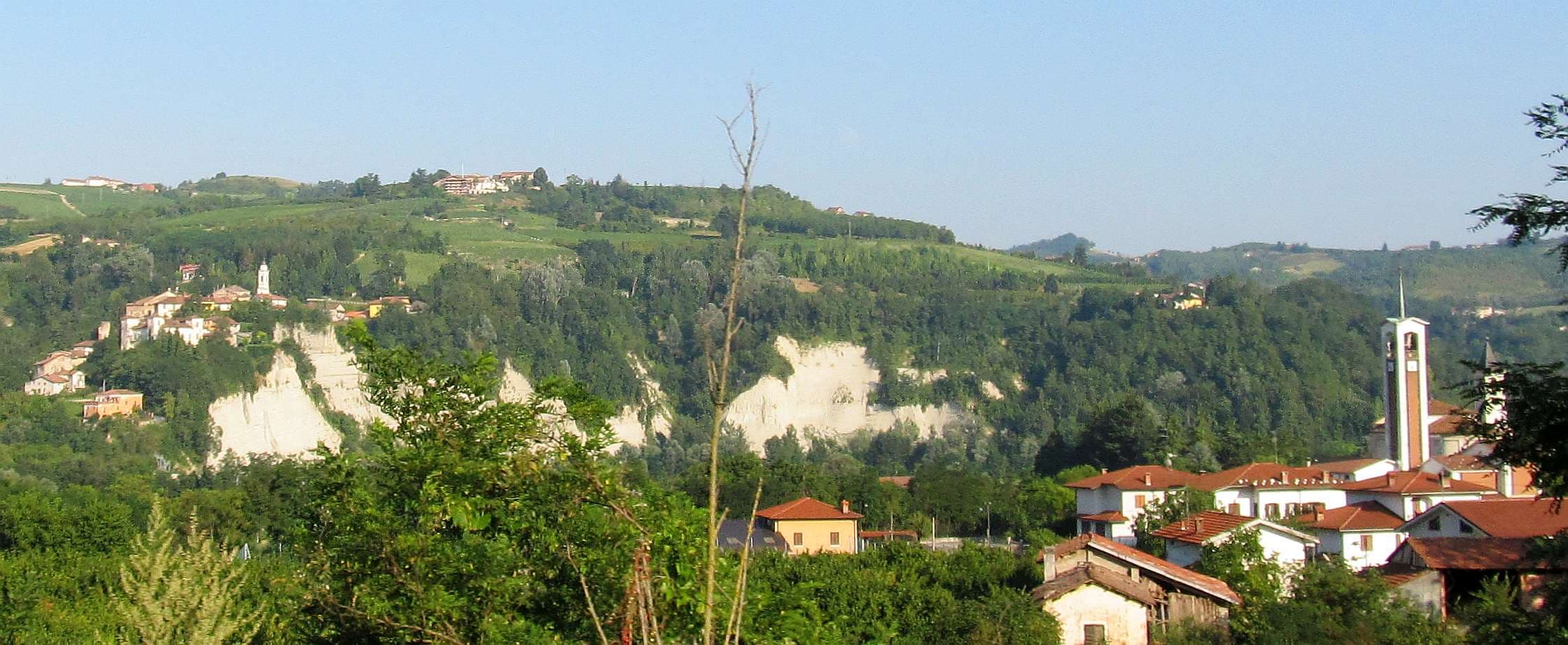
Piedmont is the second-largest region in Italy, bordered by the Alps to the north and characterized by its rich culinary and viticultural heritage. The region is famous for Barolo and Barbaresco wines, produced in the rolling hills of Langhe, a UNESCO World Heritage site. Turin, the capital, is known for its elegant architecture and historical cafes, while smaller towns like Alba and Asti offer vibrant local markets and truffle festivals. The region also boasts stunning landscapes, from the serene lakes of Orta and Maggiore to the majestic mountains. Its historical significance includes being the birthplace of the Italian unification. Authentic experiences can be found in local agriturismos and family-run osterias, away from typical tourist paths.
AgritourismWine TastingCastlesHiking





