Frico
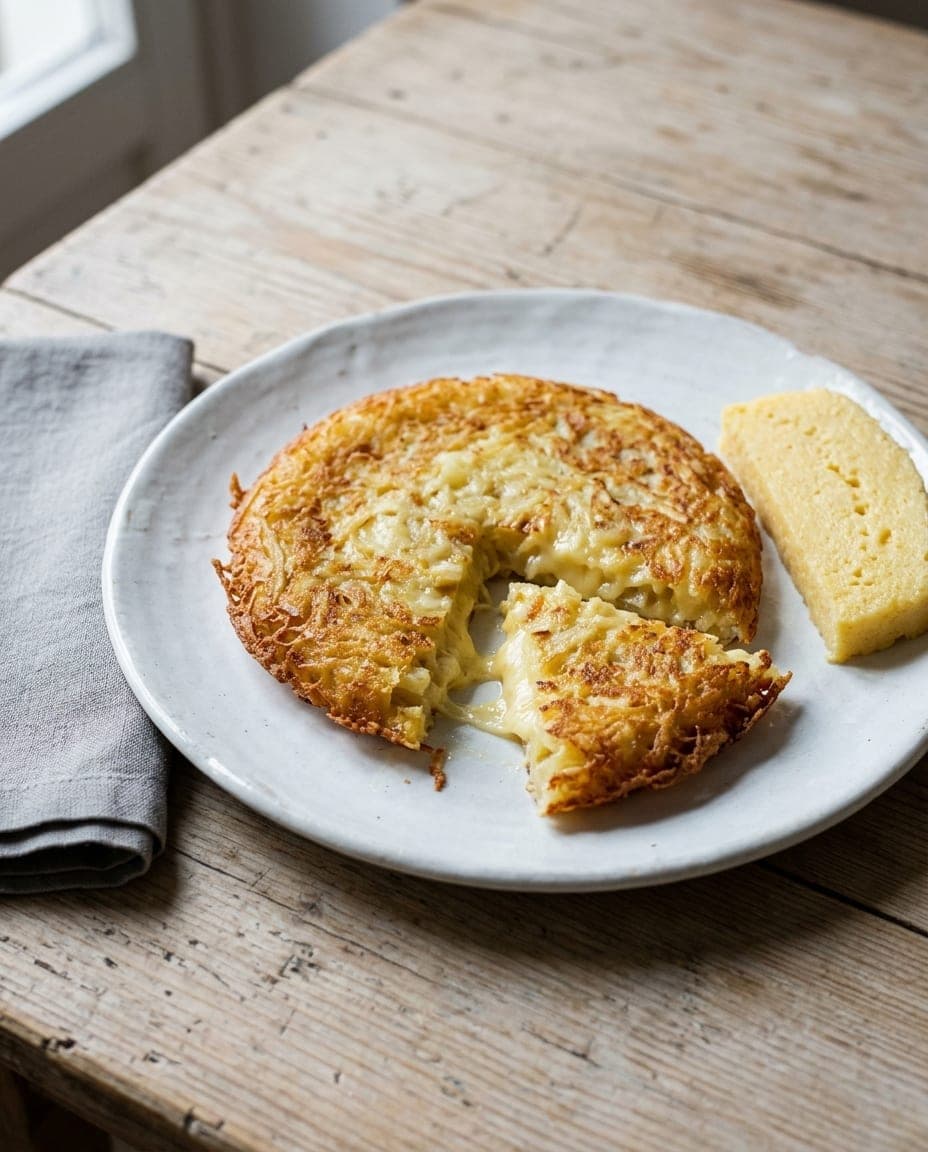
A Friulian dish of crisp cheese lace or soft potato pancake made with Montasio
- Local name
- Frico
- Served with
- Polenta
- Best eaten at
- A Friulian osteria
- Pairs with
- Friulano white
What it is
Frico is a simple yet distinctive dish from the Friuli Venezia Giulia region in north-eastern Italy, often called the most typical dish of Friulian cooking. It is not a recipe found on every menu across the country, but a local speciality closely tied to the mountains of Carnia and the wider Friulian countryside. The name covers two preparations that share the same pan and primary ingredient: cheese, usually Montasio.
The first version is frico croccante. Here, grated or sliced cheese is melted in a pan until it transforms into a golden, brittle disc. It resembles a large, edible lace doily or a wafer, crisp enough to shatter when broken. The second form is frico morbido, the soft version, which combines the cheese with potatoes and often onion, cooking them together into a thick pancake browned on both sides. While the crispy disc serves as a snack, appetiser or garnish, the potato version is a substantial meal.
Both forms rely on the quality of the cheese and the skill of the cook to achieve the correct texture without burning. The result is intensely savoury, with the nutty, slightly salty notes of the cheese dominating the plate. It is a food born of necessity, yet it has become a point of regional pride.
The history of mountain frugality
The origins of frico are usually placed in Carnia, the mountainous north-west of Friuli bordering Austria. Tradition holds that it was a way to use up the strissulis, the trimmings left over when cheese wheels were shaped, together with odds and ends of cheese too old or too misshapen to sell. Nothing went to waste, and the result was a filling meal for people doing hard physical work in the woods and fields.
The potato version, in particular, stretched the cheese with what was available from the cellar. The potatoes provided bulk and texture, while the cheese acted as the binding agent and the source of flavour. A heavy, warming meal could be made with no meat at all.
Cheese-based frico recipes are often traced back to the 15th century and Maestro Martino, the celebrated cook who served the Patriarch of Aquileia's household, though the history of the thin, crisp version is disputed. Over time the dish shed its reputation as a way of using leftovers and became a celebrated standard of Friulian cooking, served with pride in local restaurants.
What goes into it
The ingredients list is short, which makes the technique all the more critical. There is no single official recipe, but the core components are consistent across the region.
- Montasio cheese: The usual choice, a cow's milk cheese with protected designation of origin (DOP) status. Cooks often mix younger and more aged cheese to balance flavour and melting properties; local latteria cheeses are also used.
- Potatoes: Used only for the soft version, sliced, grated or boiled and crushed before being mixed with the cheese.
- Onions: Often added to the potato version for sweetness and depth.
- Butter, oil or lard: A little fat to start the cooking, though the cheese releases plenty of its own.
The texture depends on how long the mixture stays in the pan. For frico croccante, the cheese is cooked until its moisture evaporates and it turns a deep golden brown before cooling into a hard sheet. For frico morbido, the goal is a soft interior with a firm, browned crust, which requires careful turning to keep it in one piece.
How it is eaten
The soft frico is almost always accompanied by polenta, the cornmeal porridge that underpins Friulian cuisine. It sits beside a plate of soft or set polenta, creating a rich combination of textures. The crispy version is more often eaten on its own as a snack or starter, or used as a garnish; while still warm it can even be moulded into small edible baskets.
In a traditional osteria in a mountain town or a rustic trattoria in Udine, the dish is served simply on a wooden board or a plain plate. Shards of the crispy cheese are broken off by hand, while the soft pancake is cut into wedges with a fork.
A glass of Friulano white wine is the classic companion, its fresh acidity cutting through the fat of the melted cheese. A Refosco red is also a common choice, offering a darker contrast to the golden dish.
Curious facts
- Two dishes, one name. Frico croccante and frico morbido are clearly distinguished in local usage: one is a snack, the other a meal.
- Cheese that was too good to waste. The dish is said to have begun as a way to use cheese trimmings and imperfect pieces, turning a potential waste product into a delicacy.
- The role of the potato. In the soft version, the potato is a structural element that holds the cheese together while absorbing its flavour.
- A Friulian tradition. The dish is closely tied to Carnia and the wider Friuli area and is rarely found in ordinary Italian restaurants elsewhere.
- No need for fillers. Unlike many fried dishes, frico uses no flour, eggs or breadcrumbs; cheese and potato provide all the structure.
Where to try it
The best place to eat frico is where it comes from: the mountain villages of Carnia and the wider Friuli region. It appears on the menus of osterie, family-run trattorias and farm restaurants specialising in local produce, in Udine, Pordenone and the surrounding valleys alike.
A quiet evening meal in a wooden-beamed room, with a glass of Friulano and a plate of warm, golden frico beside its polenta, captures the essence of the region's culinary heritage.
Where to try it
1 region
 Wine Tasting1 destination
Friuli Venezia Giulia
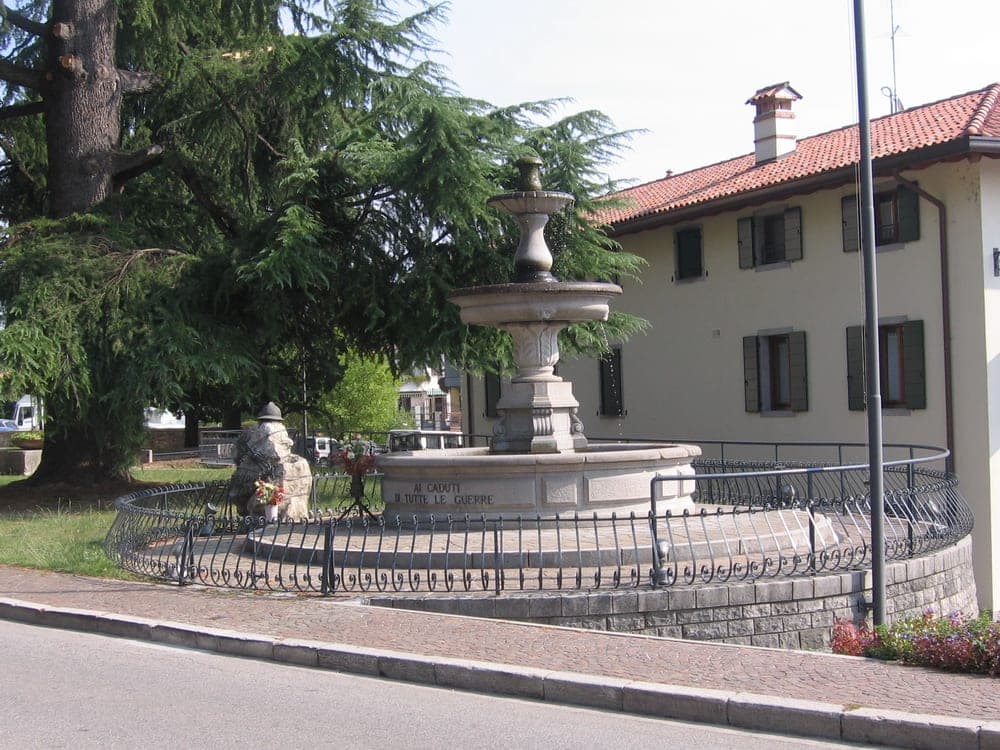
This northeastern Italian region is known for its diverse landscapes, from the Alps to the Adriatic Sea. It is the only region in Italy with a coastline, featuring beautiful beaches along the Gulf of Trieste. The capital city, Trieste, boasts a rich history as a former Habsburg port, showcasing architecture that reflects its imperial past. The region is famous for its vineyards, producing unique wines like Friulano and Refosco. Notable towns include Cividale del Friuli, a UNESCO site with Lombard heritage, and Gorizia, known for its historic castle. The scenic Collio wine region invites exploration of charming wineries and local cuisine, emphasizing fresh ingredients and traditional recipes.
Wine TastingHikingLocal Cuisine





