Farinata (cecina)
A thin, crisp chickpea flatbread from the copper pans of Liguria and the Tuscan coast
- Vegetarian
- Local name
- Farinata, fainà (Genoa); cecina (Pisa); torta di ceci or la torta (Livorno)
- Served with
- Black pepper, by the slice or in a francesino or schiacciata roll
- Best eaten at
- A Genoese sciamadda or a Livorno torta shop
- Pairs with
- Vermentino; in Livorno, spuma, Tuscan white or beer
What it is
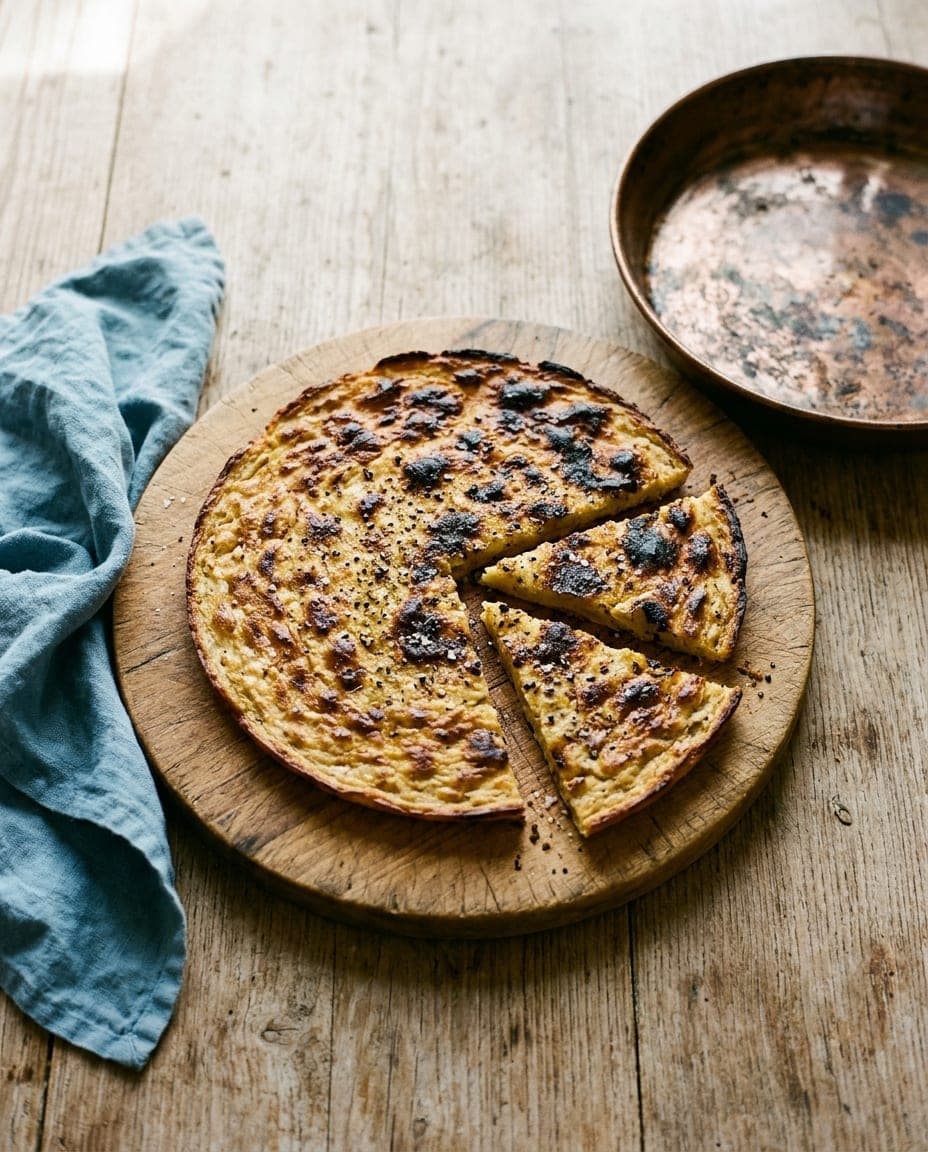
Farinata is a thin, unleavened flatbread made from chickpea flour, water, olive oil and salt, baked in a large round copper pan until the top blisters and the edges turn crisp. The finished cake is only a few millimetres thick, yet it holds together well enough to be cut into wedges. Fresh from the oven, the surface is golden and blistered while the centre stays soft and moist; as it cools, the edges crisp further and the middle turns dense.
It is the same dish under different names along the upper Tyrrhenian coast. In Liguria, and above all in Genoa, it is farinata, or fainà in Genoese. Crossing into Tuscany it becomes cecina in Pisa and Versilia, torta di ceci or simply la torta in Livorno, and calda calda in Carrara. What changes is the serving: a plain wedge in Genoa, a slice in a bread roll in Livorno.
How the batter comes together
Chickpea flour is whisked with water until smooth, then left to rest for several hours, sometimes overnight, so the flour hydrates fully. A foam forms on the surface while it rests, and a careful baker skims it off before the batter goes into the pan.
Salt and a generous amount of extra virgin olive oil are stirred in, and the batter is poured in a single thin layer across the oiled base of a large, round, shallow tinned-copper pan, known in Genoa as a testo. Cooking is fast, in a very hot oven that is traditionally wood-fired. Within minutes the top turns golden with dark spots where the oil has pooled, and the edges lift away from the pan into a brittle lace. Freshly ground black pepper goes on after baking, and is a defining part of the dish on both sides of the regional border.
Where it comes from
The origins are a matter of folklore rather than documented history. The best-known legend, and it is only a legend, ties the dish to the naval Battle of Meloria in 1284, when Genoa defeated Pisa. On the way home a storm is said to have flooded the Genoese galleys, soaking sacks of chickpea flour with seawater and spilled olive oil; the paste was left to dry in the sun and the hungry crew ate it.
What is more certain is that chickpeas have long been a Mediterranean staple, and their flour keeps well, including on board ships. The flatbread is thought to have reached Tuscany both overland through the Lunigiana and by sea from Liguria, and its presence on the Tuscan coast is often dated to the 13th century.
In the 19th and 20th centuries Livorno was a busy port full of merchants, sailors and dockworkers, and there the torta became a favourite street food. Its cheap ingredients meant even those with little money could afford a hot meal.
Genoa and Savona
In Liguria, farinata is street food rather than a sit-down course. It is sold by the slice from a sciamadda, a traditional Genoese eatery with a big wood-fired oven that also turns out savoury pies, fritters and fried fish. A wedge is cut from the round pan, sometimes folded for easy handling, and sprinkled with black pepper, which sharpens the mild, nutty flavour of the chickpeas. Some versions add rosemary or onions, but the classic relies on pepper alone. It is often eaten standing at the counter, with a glass of Vermentino, the dry white of the Ligurian coast.
Further west, Savona goes its own way with a farinata bianca made from wheat flour instead of chickpeas.
Livorno, Pisa and the cinque e cinque
On the Tuscan coast the most famous way to eat it is Livorno's cinque e cinque, "five and five". The name comes from an old way of ordering: five units' worth of bread and five of torta, usually explained as five cents, or in some tellings five lire, of each.
The bread is a small, long francesino or a piece of schiacciata, the Tuscan focaccia. A slice of hot torta goes inside and is dusted with black pepper; a popular variation adds grilled or preserved aubergine, though purists keep to bread and torta alone. It was a quick, handheld lunch for workers and porters, needing no cutlery or plate, and it is traditionally washed down with spuma, a sweet local soft drink, or a cold beer or glass of white wine. Away from the roll, cecina is also eaten as a plain slice on a sheet of paper, with extra pepper and the crisp edges especially prized.
On both coasts the rule is the same: it must be eaten hot. Once it cools, the soft centre turns dense and the edges lose their snap.
Curious facts
- Many names, one batter. Farinata and fainà in Liguria, cecina, torta and calda calda in Tuscany, fainè or fainò in Sardinia and socca in Nice. Ligurian emigrants took it to Argentina and Uruguay as fainá.
- Not cecina in Livorno. The Livornese insist on torta, leaving the name cecina to their neighbours in Pisa.
- The copper pan matters. The thin batter needs a pan that heats quickly and evenly, which is why large tinned-copper testi are traditional.
- A legend of rivals. The Meloria story credits the Genoese with the dish after defeating Pisa, yet the cinque e cinque is now the signature street food of Pisa's neighbour Livorno.
Where to try it
In Liguria, the place to eat farinata is a sciamadda or friggitoria in Genoa's historic centre, though it is sold all along the Riviera di Ponente and Riviera di Levante.
In Tuscany, Livorno itself is the heart of the torta, with shops dedicated to it and to the cinque e cinque, including around the city's central market. Pisa, Versilia and other towns along the coast have bakeries and pizzerias serving cecina by the slice, baked in fresh batches throughout the day so it arrives hot.
Where to try it
2 destinations
 Boat Rentals
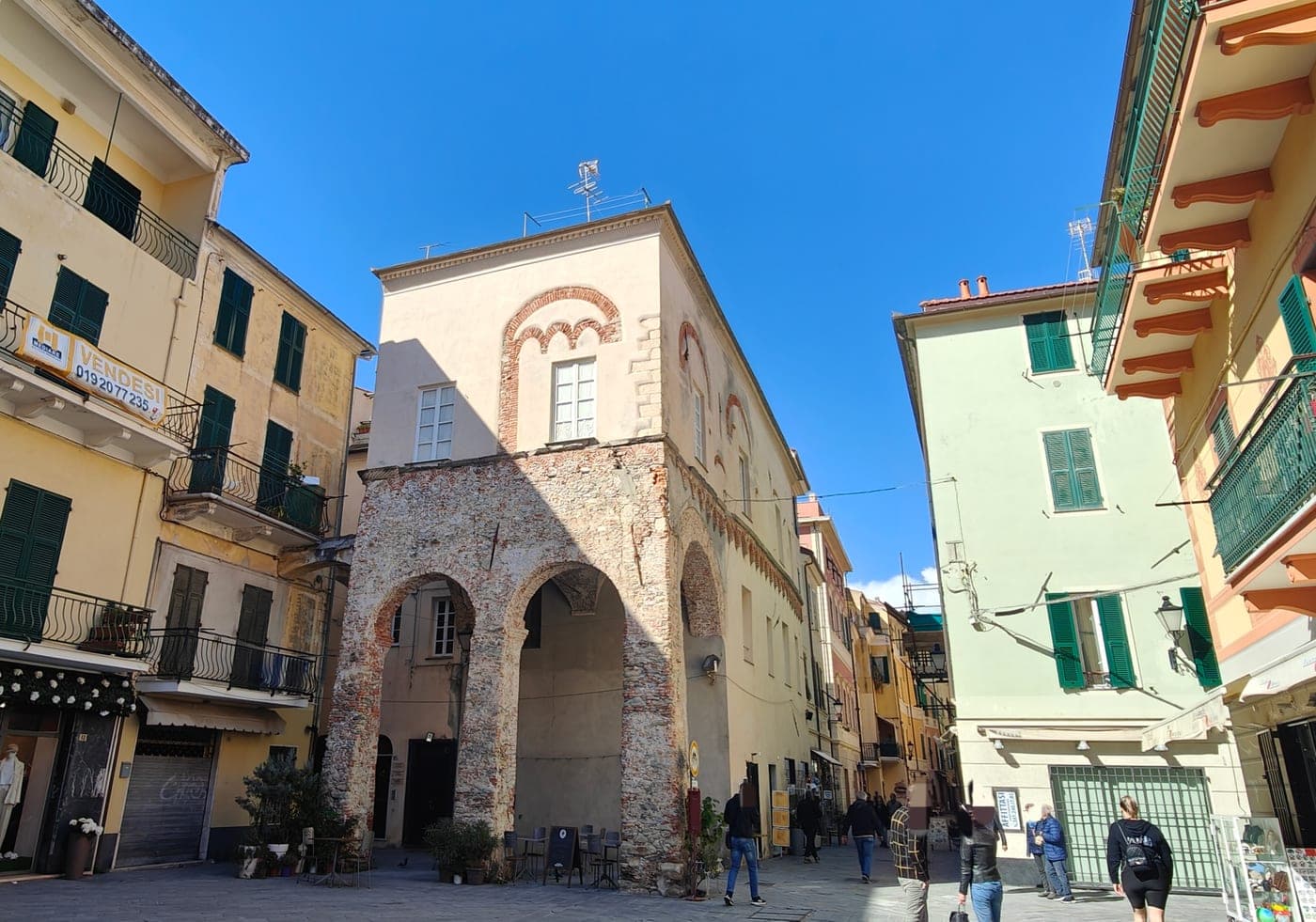
Loano
Ligurian beach town with medieval center and Maritime Alps backdrop
Boat RentalsHiking Wine Tasting
Fauglia
Pisa province village with local wine production and olive cultivation.
Wine Tasting
1 region
 Wine Tasting4 destinations
Liguria
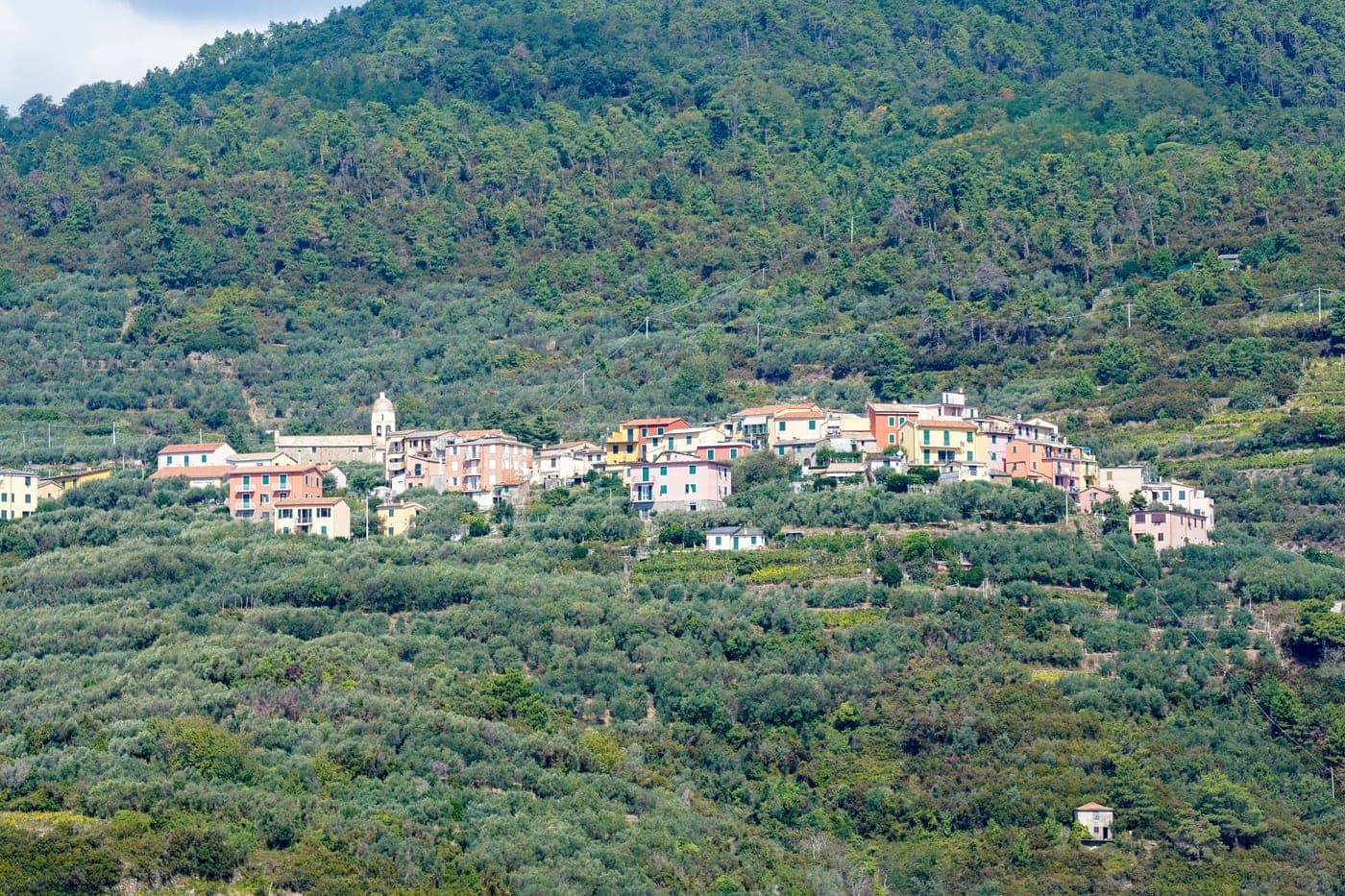
Nestled between the Ligurian Sea and the Apennine Mountains, this region is the smallest in Italy, yet it boasts a rich tapestry of landscapes and cultures. Known for its picturesque coastline, it is home to the UNESCO World Heritage Site of Cinque Terre, where five colorful villages cling to steep cliffs. Beyond the coast, towns like Portofino offer a glimpse into the luxurious Mediterranean lifestyle, while inland, the olive groves and vineyards of the hinterland produce exquisite olive oil and Vermentino wine. Historical sites abound, such as the ancient maritime republic of Genoa, with its impressive palaces and rich maritime history. The region is also famous for its pesto, a culinary delight made from locally grown basil. With a mild climate year-round, Liguria offers a wealth of walking trails, scenic drives, and local festivals, providing an authentic experience of Italian coastal life.
Wine TastingBoat RentalsHiking





