Cioccolato di Modica
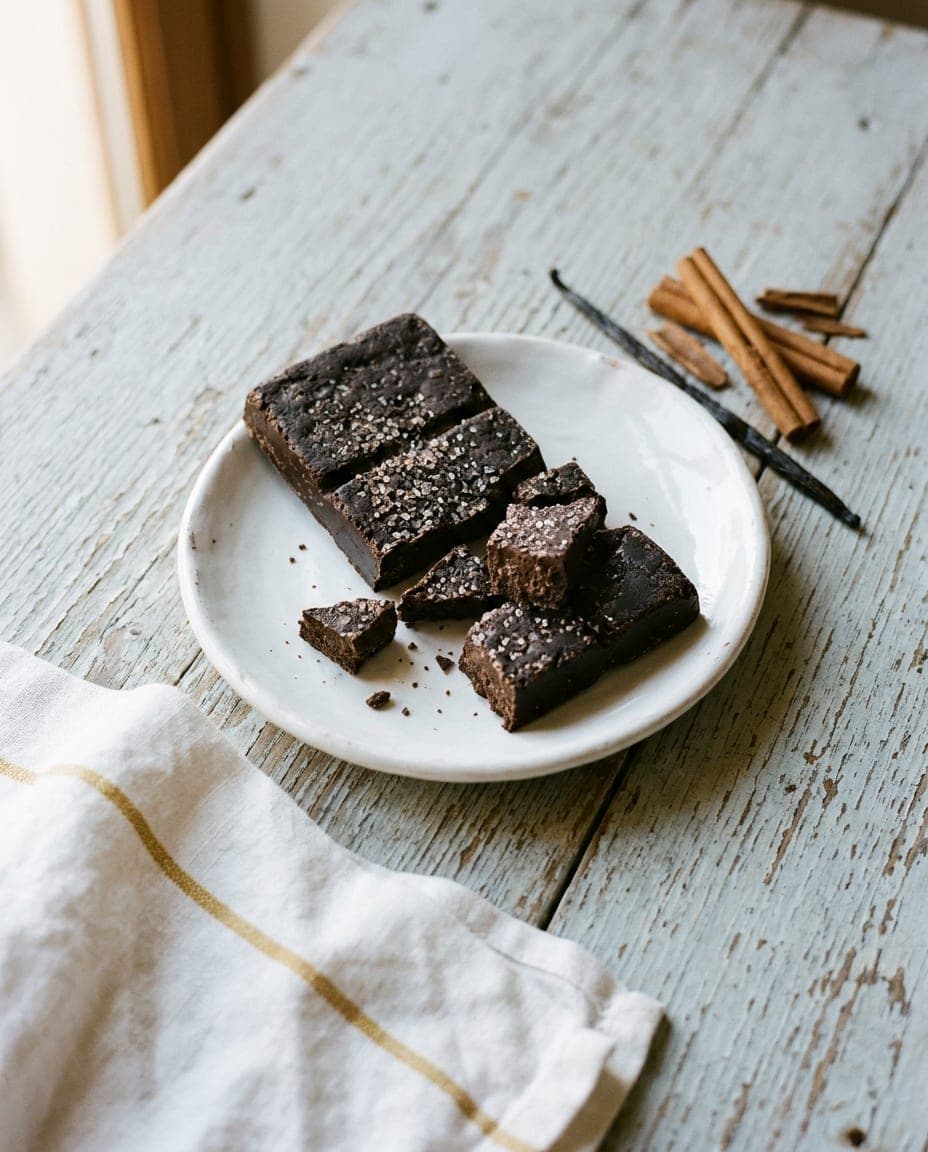
Cold-worked grainy chocolate from Modica, Sicily, with visible sugar crystals
- Vegetarian
- Local name
- Cioccolato di Modica
- Best eaten at
- A Modica dolceria
- Pairs with
- Passito or Marsala
What it is
Cioccolato di Modica is a distinct form of chocolate that looks and tastes unlike any bar found in the rest of Italy or most of the world. It is made from cocoa mass and sugar, worked at a low temperature so that the sugar crystals never dissolve. The result is a block that appears dull and matte rather than glossy, with a crumbly texture that breaks into small, crunchy pieces when bitten.
The chocolate does not possess the smooth, uniform melt of modern confectionery. Instead, it offers an intense flavour in which the individual grains of sugar and the full body of the cacao can be felt. There is no added cocoa butter to soften it, no milk to sweeten the bite, and no emulsifiers like lecithin to bind it.
Since 2018 it has carried a Protected Geographical Indication (IGP), the first chocolate in Europe to do so, which means that only chocolate made within the municipality of Modica to the traditional method can bear its name. Local tradition links the technique to the Aztec way of grinding cacao, said to have reached the town while the County of Modica was under Spanish rule. The earliest documents, however, date from the 18th century, when noble families such as the Grimaldi employed cicolateri, chocolate makers; later, monasteries and then town cafés took up production.
How it is made
The production process begins with roasted cacao that is ground into a thick, bitter paste and mixed with sugar. The paste is melted gently, at no more than 50 degrees Celsius, so the sugar never dissolves. In standard chocolate making, the mass is instead refined for hours in large machines called conches until it becomes perfectly smooth.
In Modica, this refining step never occurs. The mixture is poured into moulds and sets into a solid block while retaining its coarse texture. Because the sugar crystals do not dissolve, the final bar feels rough to the touch and offers a distinct crunch. The bars are small, tapered rectangular blocks, weighing no more than 100 grams.
This gentle approach is said to preserve the aromas of the cacao. It also means the chocolate does not melt quickly in the mouth; it requires a little patience to dissolve the sugar crystals slowly. The lack of added cocoa butter gives the bar a firmness that can make it crumble if handled roughly, but this is part of its character.
The flavours of Modica
While the base of the chocolate is simply cacao and sugar, the variety comes from the flavourings added to the mass before it is moulded. The most traditional additions are cinnamon and vanilla, which highlight the deep, earthy notes of the cacao rather than overpowering them.
Makers in Modica also produce a wider range. Chilli is a popular addition, providing a warm, lingering heat that complements the bitterness of the cacao. Other versions include citrus zest, ginger, fennel, salt, pistachio, hazelnut or almond. These additions remain distinct within the bar rather than blending into a uniform paste.
The result is a chocolate that feels alive in the mouth. It is not designed to be eaten quickly like a standard confectionery bar. The sugar crystals crackle first, before the cacao releases its flavour, in sharp contrast with the velvety smoothness of mass-produced chocolate.
How it is eaten
Cioccolato di Modica is rarely eaten as a quick snack on the go. It is best enjoyed at room temperature, broken into small shards. In Modica, the tradition is to buy a bar from a dolceria, a traditional confectioner's shop, and break off a piece to savour slowly.
The chocolate also has a place in local baking. It goes into 'mpanatigghi, the Modica pastries filled with chocolate, almonds, spices and minced meat, a reminder that sweet and savoury were once closely intertwined in Sicilian cooking.
When eaten plain, it pairs well with local wines of similar intensity. A glass of Passito, a sweet wine made from dried grapes, or Marsala, Sicily's fortified wine, is a classic companion. The sweetness of the wine balances the bitterness of the cacao.
Where to find it
The place to experience Cioccolato di Modica is the town of Modica itself, in the Val di Noto in south-eastern Sicily. Here, many dolcerie are small workshops where the chocolate is made on the premises, and the smell of cacao and spices hangs in the air.
Many of these establishments are family-run and have been producing the same style of chocolate for generations. Outside Modica, similar styles of chocolate can be found in other parts of Sicily and in specialised stores elsewhere, but the IGP guarantees that only the product from this town carries the name.
Curious facts
- The Aztec connection. Local tradition traces the method to the cold-grinding technique used in Mesoamerica and supposedly brought to Sicily by the Spanish.
- No conching machine. Unlike almost all other chocolate in the world, this bar never passes through a conche, the machine that smooths chocolate by heating and mixing it for hours or days.
- A visual texture. The visible sugar crystals are not a defect but the defining feature of the chocolate, giving it a rough, matte appearance rather than a shiny finish.
- Meat in the pastry. The chocolate is a key ingredient of 'mpanatigghi, sweet pastries that traditionally also contain minced beef.
- A protected name. The title "Cioccolato di Modica" is legally protected, meaning only chocolate made in this town to the traditional method can be sold under that name.
- No additives. The specification forbids milk, emulsifiers, vegetable fats, colourings and preservatives.
Where to try it
The definitive place to taste Cioccolato di Modica is a dolceria in the historic centre of Modica, where visitors can often watch the chocolate being made or taste samples before buying.
The town fits naturally into a slow travel itinerary through the Baroque towns of the Val di Noto, and a stop at a dolceria after exploring Modica's churches and palaces makes a fitting pause.
Where to try it
1 destination
 Wine Tasting
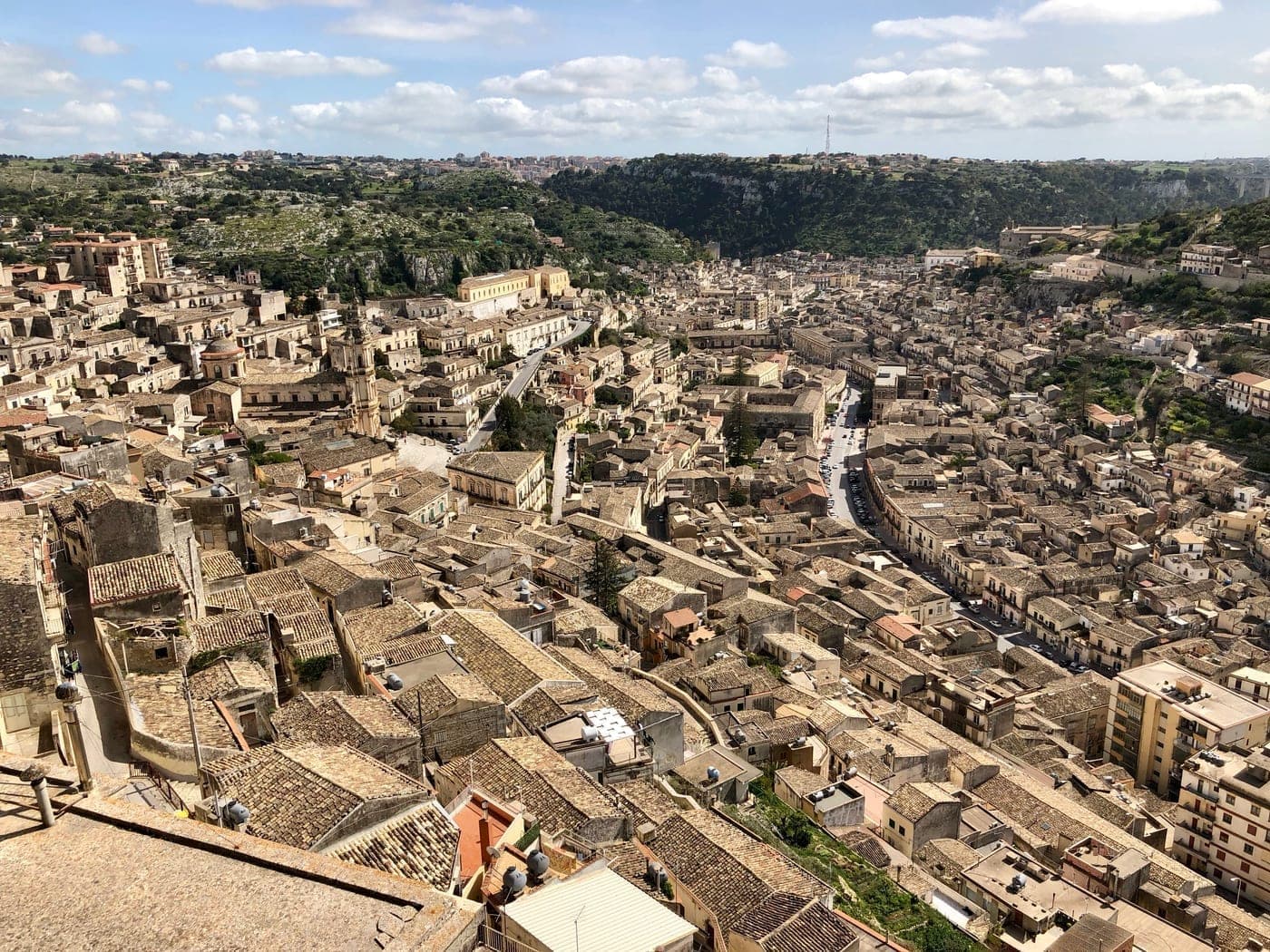
Modica
UNESCO baroque city famous for chocolate and surrounded by wine estates.
Wine TastingHiking
1 region
 Wine Tasting21 destinations
Sicily
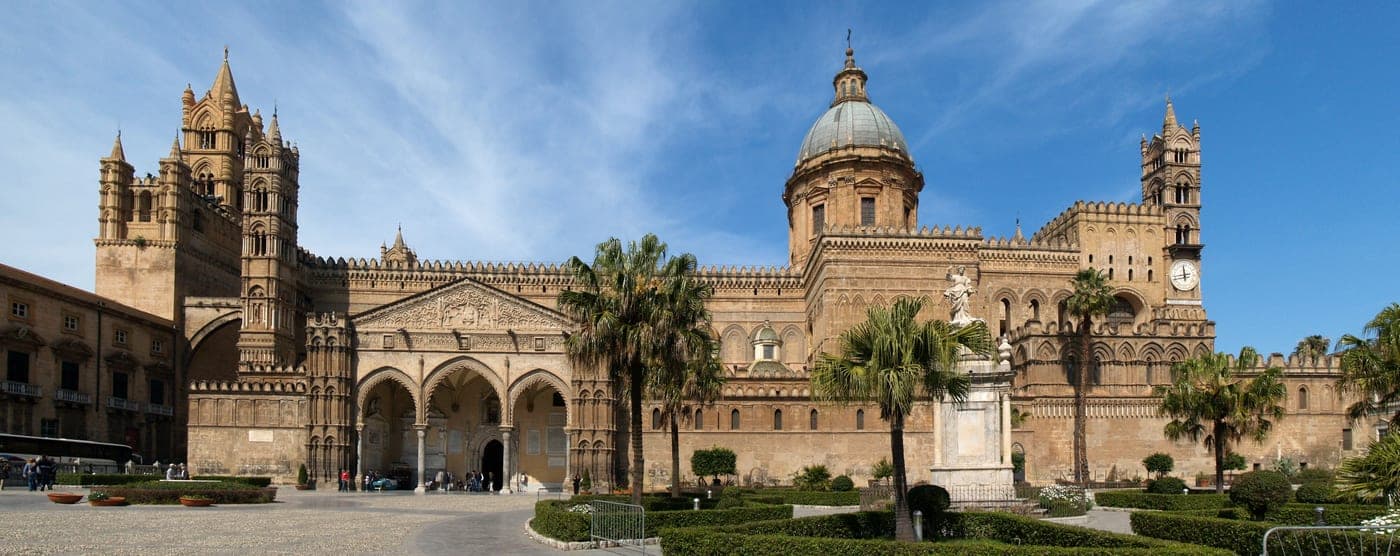
Sicily, the largest island in the Mediterranean, boasts a rich tapestry of history and culture. Its unique position has made it a crossroads of civilizations, evident in the remnants of Greek temples in Agrigento and the Arab-Norman architecture in Palermo. The island features a diverse landscape, from the volcanic Mount Etna to the picturesque coastal towns of Taormina and Cefalù. Sicilian cuisine stands out for its use of fresh ingredients, with specialties like arancini and cannoli. The region is also famous for its local wines, particularly Nero d'Avola. Off the beaten path, discover the ancient ruins of Selinunte or the quaint streets of Erice. With charming villages and vibrant markets, Sicily offers a deep dive into authentic Italian culture and history.
Wine TastingHikingBoat RentalsAgritourism





