Castagnaccio
A dense, flat chestnut cake from Tuscany's mountains, baked with rosemary and pine nuts
- Vegetarian
- Local name
- Castagnaccio
- Served with
- Ricotta
- Best eaten at
- A Tuscan bakery
- Pairs with
- Vin Santo
What it is
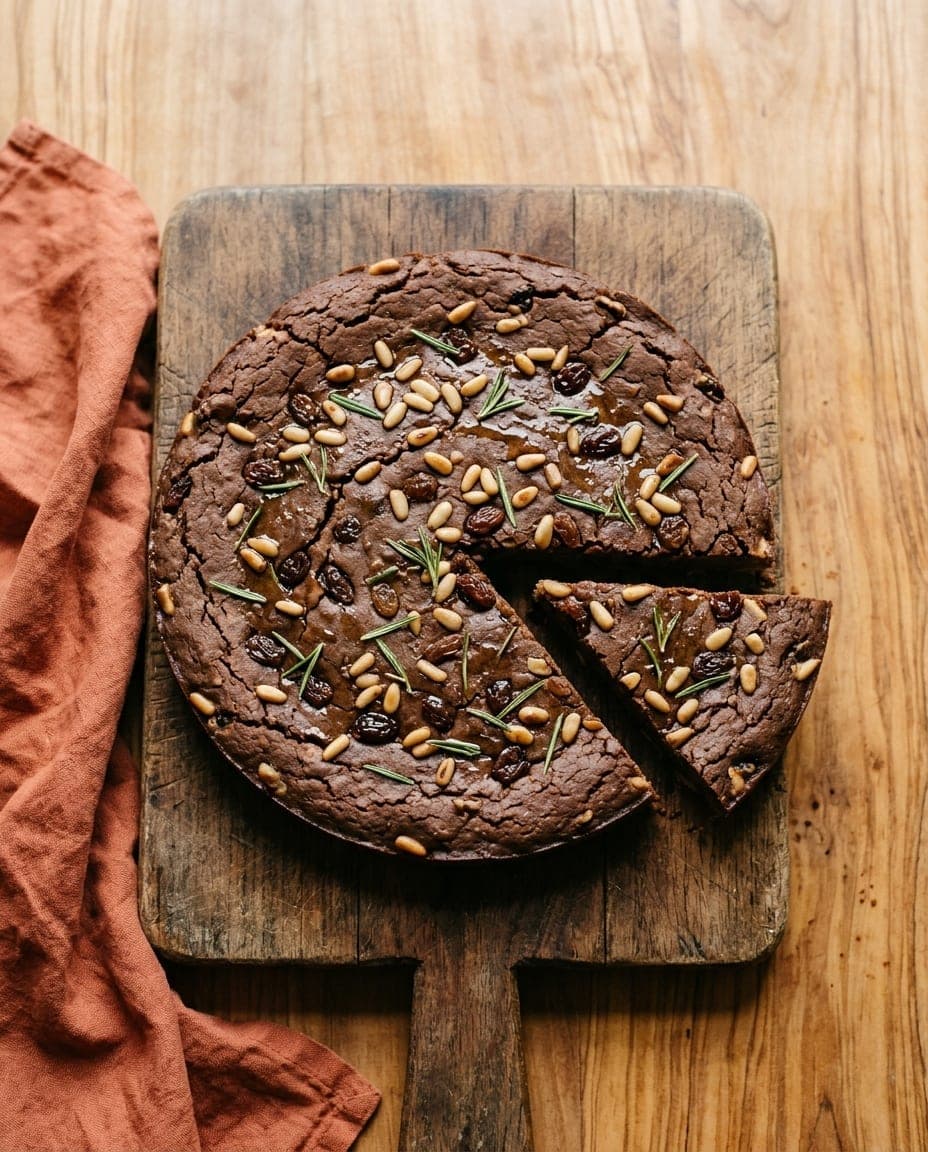
Castagnaccio is a flat, dense cake made from chestnut flour, water, extra virgin olive oil, pine nuts, raisins and sprigs of fresh rosemary. Traditional recipes contain no eggs, no added sugar, no leavening agent and no wheat flour. The batter is poured into a shallow tray and baked until the surface cracks and turns dark brown, giving the cake a rustic appearance that belies its complex flavour.
The taste is earthy and nutty, with a faint sweetness that comes from the chestnut flour itself. The rosemary provides a sharp, aromatic contrast to the oil and nuts, while the pine nuts and raisins add texture and bursts of flavour. It is not a light pastry but a substantial, filling slice from a time when chestnuts fed mountain households through the winter.
The cake is bound up with the chestnut groves of Tuscany, particularly in the mountain areas where the tree was once called the bread tree (albero del pane). For centuries chestnut flour was a staple food for many communities. Castagnaccio is one of the traditions that keeps this history alive, turning a humble flour into a celebrated seasonal treat.
The mountain roots of chestnut flour
The story of castagnaccio begins in the Apennines, where chestnut trees have grown for centuries. In areas like the Garfagnana, the Mugello, the Casentino and the Lunigiana, the land is too steep and cool for large-scale wheat farming, and the chestnut tree provided a reliable harvest that could be dried, ground into flour and stored for months.
These mountain communities relied heavily on chestnuts for their daily sustenance, and the flour was used for breads, polenta-like dishes, flatbreads and cakes like castagnaccio. A book by Ortensio Lando published in 1553 credits a certain Pilade from Lucca with inventing the cake. After the Second World War, as prosperity spread, castagnaccio lost its role as the everyday sweet of the mountains and became a seasonal speciality, baked when the new chestnut flour arrives in autumn.
The cake is not unique to Tuscany: similar chestnut cakes are made across the Apennines, including in Liguria and Emilia, with local names and variations such as orange zest or fennel seeds. In Livorno a thicker version is known as toppone. The combination of rosemary and pine nuts, however, has become a symbol of Tuscany's mountain heritage.
How it is made
There is no single official recipe for castagnaccio, and every baker has their own variation. Chestnut flour is mixed with water to form a thin, smooth batter, and extra virgin olive oil is stirred in. The batter is then poured into a shallow baking tray and spread evenly.
Before baking, the surface is dotted with pine nuts and scattered with raisins. Rosemary needles or sprigs are pressed into the top, and a thread of oil is often poured over. The cake is baked in a hot oven until the edges darken and the centre sets. There is no rising agent, so it remains flat and dense.
The result is a thin cake with a slightly crisp, cracked surface and a moist, chewy interior. The flavour is dominated by the nuttiness of the chestnuts, balanced by the sharpness of the rosemary and the sweetness of the raisins.
How to eat it
Castagnaccio is eaten in small squares or wedges, warm from the oven or at room temperature. It is not a dessert served with cream or syrup but a standalone treat that can accompany coffee or wine. Many Tuscan bakeries sell it in rough rectangles, often by weight.
Some serve it with fresh ricotta, whose mild creaminess offers a cooling contrast to the nutty cake; in the Lunigiana, ricotta and chestnut honey are classic companions for chestnut-flour dishes.
The cake also pairs naturally with Vin Santo, the Tuscan dessert wine made from dried grapes, whose honeyed notes match the faint sweetness of the chestnuts. Some locals prefer a glass of local red wine.
Curious facts
- No sugar needed. Traditional recipes rely on the natural sweetness of chestnut flour, although some modern versions add a little sugar.
- A seasonal speciality. Castagnaccio is mostly made when the new chestnut flour arrives, typically from October through the winter. Outside this window it is harder to find in bakeries.
- The rosemary rule. Fresh rosemary is the usual choice, as the needles release their oils during baking and give the cake its distinct aroma.
- A Renaissance mention. Ortensio Lando's 1553 attribution of the cake to Pilade from Lucca is one of its earliest written references.
- Regional variations exist. Elsewhere in the Apennines the cake may include orange zest, fennel seeds or other dried fruit, or omit the raisins altogether.
Where to try it
The best place to find castagnaccio is a small Tuscan bakery (panificio) in the mountain areas where chestnuts are still harvested, such as the Lunigiana near the Ligurian border, the Garfagnana and the Mugello. During autumn and winter, bakeries there often bake fresh batches, and the cake also appears at local chestnut festivals.
It is equally common in bakeries in Florence, Lucca and other Tuscan towns once the season begins. Freshly baked trays fill the shops with the scent of chestnut flour and rosemary, and the cake is usually sold by the slice or by weight.
Where to try it
1 destination
 Agritourism
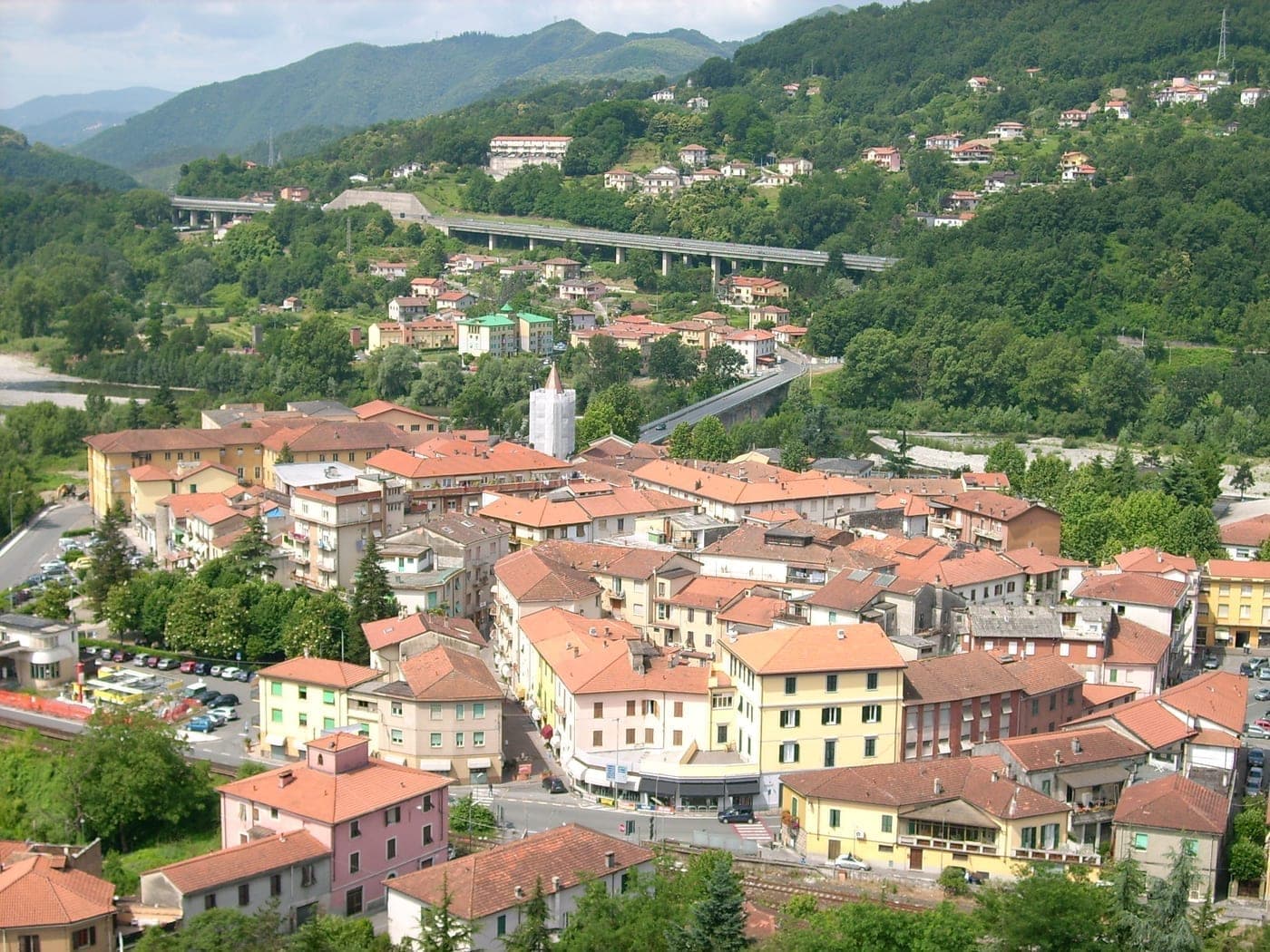
Aulla
Lunigiana valley town with agriturismo offering chestnut cultivation, honey production, and hiking.
AgritourismHiking
1 region
 Wine Tasting38 destinations
Tuscany
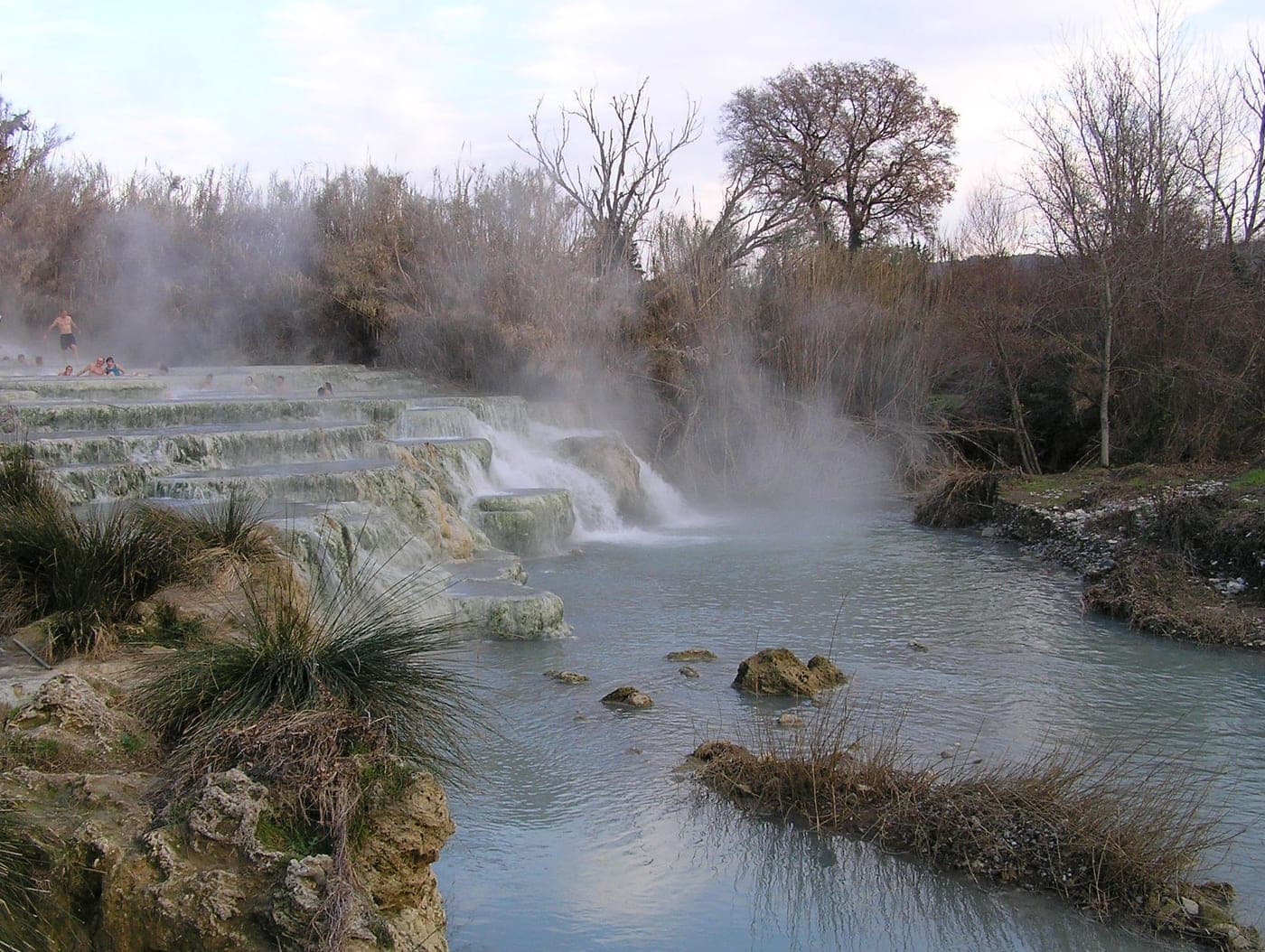
Tuscany, known for its rolling hills and rich history, is the second-largest region in Italy. Florence, its capital, is renowned for Renaissance art and architecture, but also worth exploring are smaller towns like Pienza, famous for pecorino cheese, and San Gimignano, known for its medieval towers. The region boasts diverse landscapes from the Chianti vineyards to the coastal Maremma. Tuscany is also celebrated for its local festivals, such as the Palio di Siena, and its traditional cuisine that emphasizes fresh, local ingredients. This area offers a glimpse into Italy's agrarian past with its rustic farms and olive groves, making it a unique place to slow down and connect with the local culture.
Wine TastingThermal SpasHikingAgritourism





