Casoncelli alla bergamasca
Stuffed pasta from Bergamo, filled with meat, pear, raisins and amaretti
- Local name
- Casonsèi
- Best eaten at
- A Bergamo trattoria
- Pairs with
- Valcalepio red
What it is
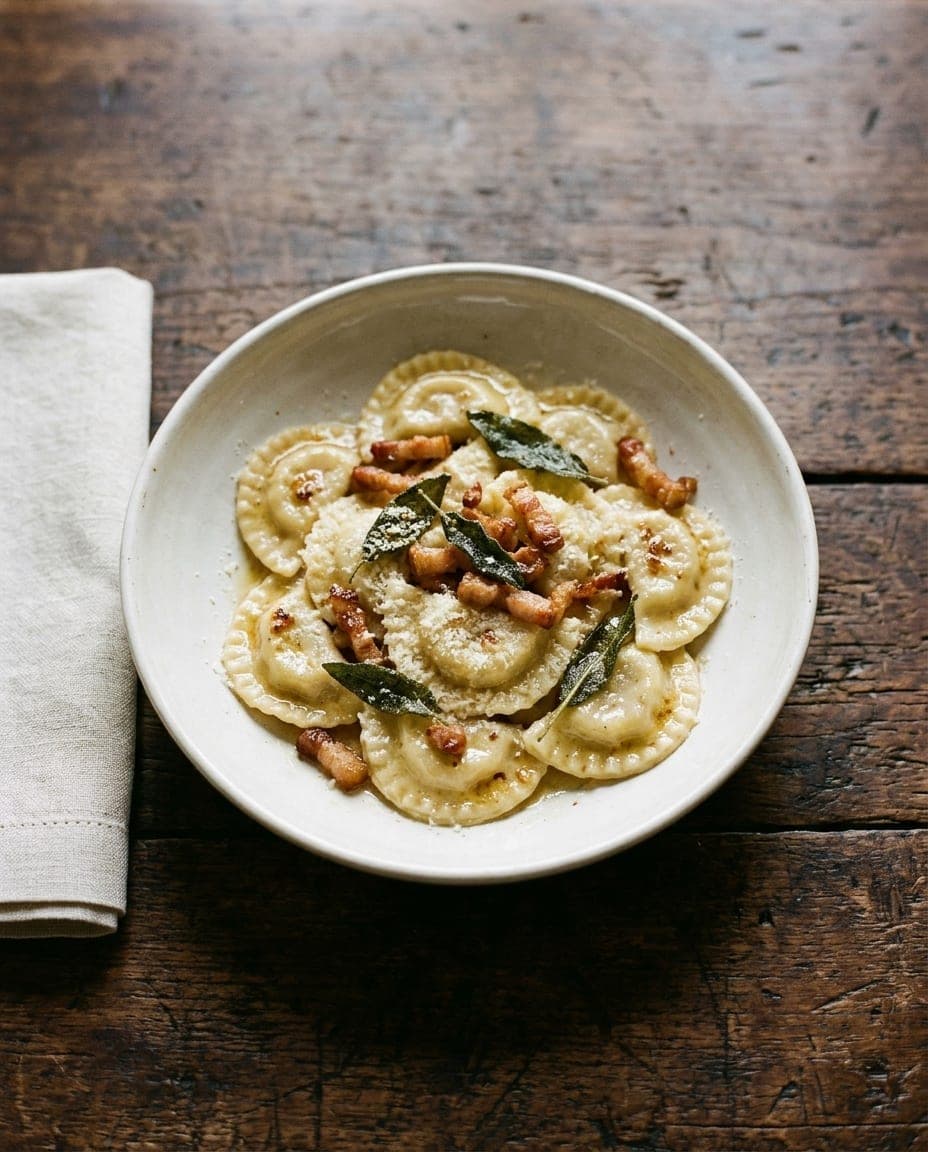
Casoncelli alla bergamasca are the most distinctive pasta of the city and province of Bergamo in northern Italy. Neighbouring Brescia has its own casoncelli, but the Bergamo version, with its sweet-savoury filling and characteristic fold, is a point of local pride. These half-moon dumplings are pressed in at the centre of the fold, giving a shape locals compare to a bird's wing, their centres plump with a filling that is as surprising as it is delicious.
The dough is simple: soft wheat flour with a little durum semolina, eggs and water, rolled thin and cut before being folded over the stuffing. The edges are sealed and the fold is pressed gently in the middle with a finger to create the characteristic shape. In the local dialect, they are known as casonsèi.
What sets them apart from many other stuffed pastas in Italy is the filling. Alongside minced meat, breadcrumbs, cheese and egg, it includes pear, raisins and a little crushed amaretti biscuit, with garlic, parsley, lemon zest and spices. This combination creates a faint sweetness that plays against the saltiness of the meat and the richness of the butter sauce.
The dish is traditionally dressed with sizzling butter, sage and pancetta, finished with grated Grana Padano. The sauce is poured directly over the pasta, allowing the hot butter to coat every curve. It is a dish made for sharing, typically served as a first course on Sundays or on festive occasions.
The story of the valleys
Casoncelli are bound up with the geography of Bergamo and its surrounding valleys. Families and villages each have their own variations in shape and filling, reflecting what was available in the kitchen, from leftover roast meat to sausage and salame.
Filled pasta has been made in the area since the Middle Ages. According to local tradition, in 1386 the citizens of Bergamo welcomed the soldiers of Gian Galeazzo Visconti with savoury pastries called casoncelli, and Bergamo still likes to call itself the "city of the casoncello". The dish is a symbol of Bergamasque identity, appearing on trattoria menus and at family gatherings throughout the year.
A specification promoted by Bergamo's Chamber of Commerce, Casonsèi de la Bergamasca, sets out the traditional recipe for the whole province, from the proportions of the filling to the size and weight of each piece.
What goes into it
Every family has its own version, but the building blocks remain consistent across the province:
- Dough: Soft wheat flour, some durum semolina, eggs and water, rolled thin to give a delicate texture when cooked.
- Meat: A base of salame-style pork mixture combined with roast beef, finely chopped.
- Breadcrumbs: Used to absorb moisture and add structure to the filling.
- Cheese: Grated Grana Padano for saltiness and depth.
- Egg: Acts as a binder for the filling.
- Pear: Adds moisture and a subtle fruit note.
- Raisins: Sultanas, optional in some versions, providing a natural sweetness.
- Amaretti biscuits: A small amount, crushed into the mix, adding a gentle almond aroma.
- Seasonings: Garlic, parsley, lemon zest and spices such as nutmeg, cinnamon and pepper.
- Pancetta and sage: Fried in butter for the dressing, serving as both garnish and key flavour.
The filling is a balance of salt and sweet, where the savoury meat meets the pear, raisins and amaretti. It is not a vegetarian dish, and the combination requires careful seasoning so the flavours do not clash.
How it is eaten
Casoncelli are served as a primo, the pasta course, usually at Sunday lunch or on festive occasions. They are plated with the butter sauce poured generously over the top, and the crisp pancetta is scattered on the surface, adding a textural contrast to the soft dough.
A glass of Valcalepio red is a natural local companion. This wine from the Bergamo hills has enough body to stand up to the richness of the filling, and its acidity cuts through the butter while its fruit echoes the sweetness of the pear and raisins.
In a typical Bergamo trattoria, the pasta arrives on a warm plate with the butter pooling around the dumplings. The dish is not rushed; it is meant to be savoured slowly, often accompanied by conversation and local bread.
Curious facts
- The shape tells a story. The half-moon pressed in at the centre, likened to a bird's wing, is still made by hand in many homes and trattorias.
- A family of variations. Fillings differ from village to village and family to family, reflecting what was available in each kitchen.
- The amaretti secret. A small amount of crushed amaretti adds a subtle almond note that sets casoncelli apart from many other Italian stuffed pastas.
- A Sunday ritual. The dish is traditionally prepared for Sunday lunch or family gatherings.
- A medieval tale. Local tradition links casoncelli to a welcome offered to Gian Galeazzo Visconti's soldiers in 1386.
Where to try it
The best place to eat casoncelli is in a traditional trattoria in Bergamo, in the upper town or in the valleys around the city. Many of these establishments make the pasta by hand, serving it with the same care as home cooks have done for generations.
Where to try it
2 destinations
 Camper Van Rentals
Bergamo
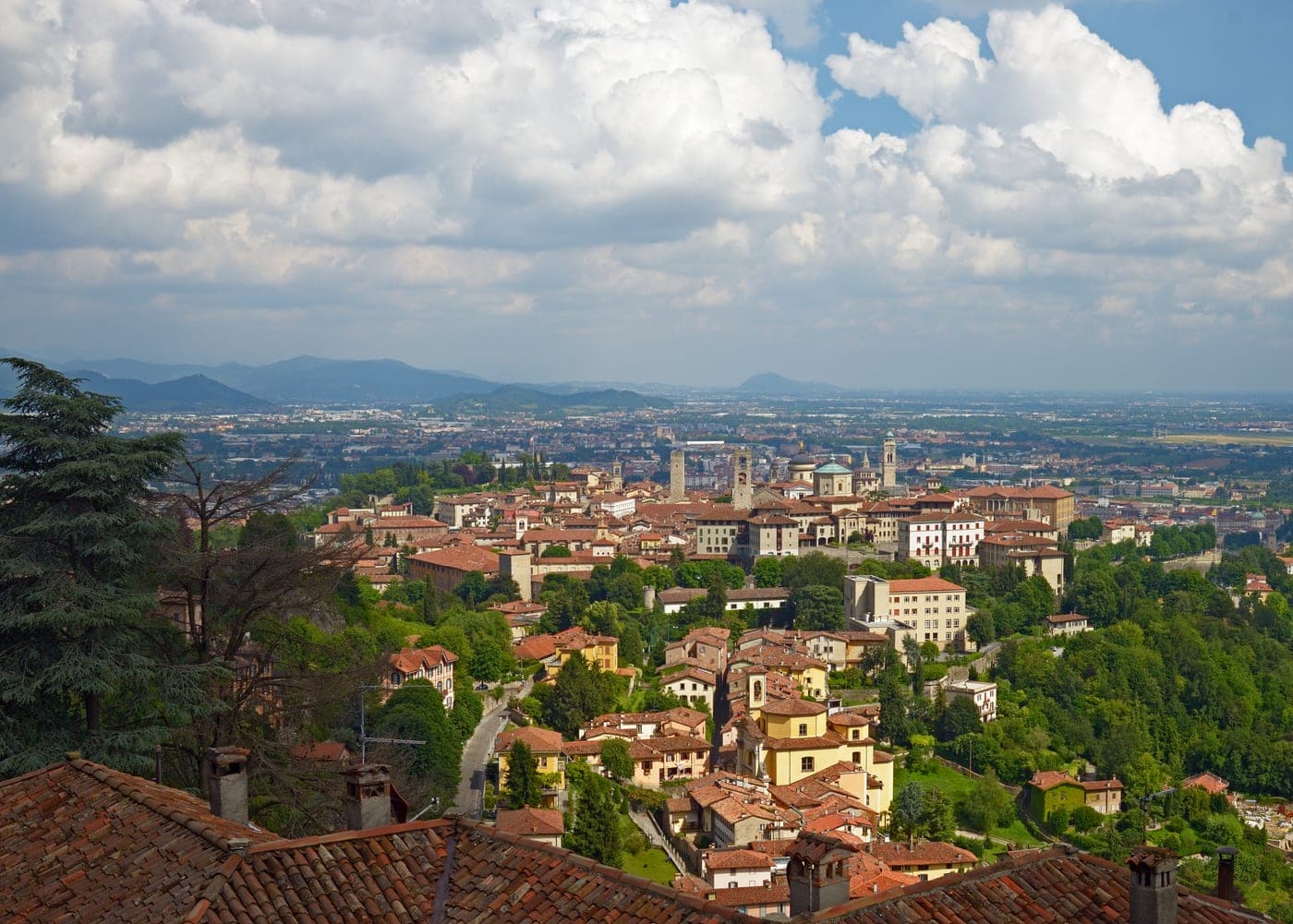
Historic hilltop city with Venetian walls, Renaissance art, and local cuisine.
Camper Van RentalsHikingLocal Cuisine