Cacio e pepe
Roman pasta of Pecorino Romano, black pepper and starchy water
- Local name
- Cacio e pepe
- Best eaten at
- A Roman trattoria
- Pairs with
- Frascati or Cesanese
What it is
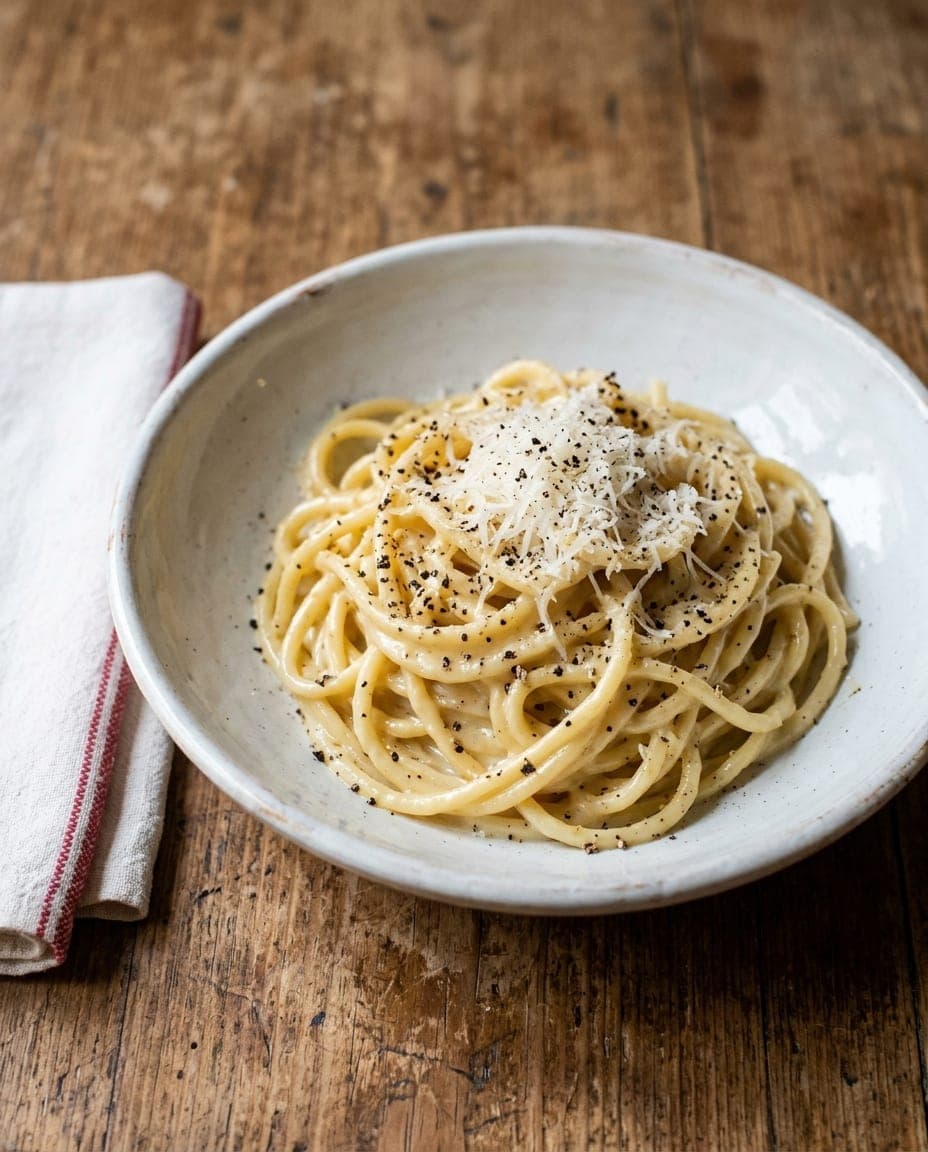
Cacio e pepe, literally "cheese and pepper", is one of the great Roman pastas alongside carbonara, amatriciana and gricia. It is a dish of striking simplicity that hides a demanding technique: pasta tossed with grated Pecorino Romano and cracked black pepper until the cheese and the starchy cooking water form a creamy emulsion, with no added butter or oil. The result is a pale, peppery sauce that clings to every strand of pasta, offering a sharp, salty hit from the cheese balanced by the warmth of the spice.
The dish belongs firmly to the cuisine of Rome and the surrounding Lazio region. Although it is now cooked all over Italy and beyond, it remains a point of local pride. In a Roman trattoria, it appears as a staple on the menu alongside the other classics, and is considered a test of a cook's skill. A well-made bowl is creamy and glossy, while a poorly made one separates into oily pools and clumps of cheese.
The name describes the ingredients exactly. Cacio is the word for cheese in several central Italian dialects, and in Rome it means Pecorino Romano, a hard, salty sheep's milk cheese made today in Lazio, Sardinia and the province of Grosseto. Pepe is black pepper, usually cracked coarsely rather than ground fine. There are no other ingredients in the classic version: no garlic, no onion, no cream and no butter. Everything depends on the interaction between the hot pasta water, the fat within the cheese and the starch released by the pasta.
The history of shepherd food
The origins of cacio e pepe are often traced to the shepherds of the hills of Lazio and the neighbouring regions of central Italy. The popular story holds that they carried dried pasta and hard cheese that would not spoil, food that was light, long-lasting and filling enough for long days with the flocks. Pepper, then an expensive spice, was probably added later.
As Rome's trattoria culture developed, cacio e pepe became a favourite of the city's working class and, eventually, an emblem of Roman cooking.
The Roman pasta family
Cacio e pepe shares its lineage with three other famous Roman dishes: carbonara, amatriciana and gricia. All four rely on Pecorino Romano for salt and flavour, yet each adds a different combination of ingredients to create its character.
Gricia, sometimes called "white amatriciana", combines Pecorino Romano with guanciale (cured pork jowl) and black pepper, but no tomato or egg. Carbonara adds egg, creating a yellow sauce that coats the pasta in a velvety, custard-like layer, quite different from the sharp cream of cacio e pepe. Amatriciana adds tomato to the guanciale and pecorino base, its acidity cutting the fat of the pork and cheese.
In cacio e pepe, the cheese is the star, providing both the body of the sauce and its main flavour. In the others, it acts as a seasoning alongside other dominant ingredients.
What goes into it
The ingredients list is short, so the quality of each item matters immensely.
- Pecorino Romano: A hard, salty sheep's milk cheese, freshly grated just before use. Finely grated cheese melts more evenly into the sauce.
- Black pepper: Usually cracked coarsely, giving gentle heat and a pleasant texture. Many cooks toast the pepper lightly in a dry pan before adding pasta water to release its aroma.
- Pasta: Traditionally tonnarelli, a fresh egg pasta with a square cross-section, or spaghetti. The shape matters because it determines how much surface the sauce can cling to.
- Starchy pasta water: The cooking liquid contains dissolved starch that acts as a binder, allowing cheese and water to form a creamy emulsion rather than separating.
The process relies on temperature control. The pan must be hot enough to toast the pepper but cool enough when the cheese goes in to prevent it from seizing. The key is to keep the heat low once the cheese enters the mixture, tossing vigorously to encourage the emulsion to form.
How it is eaten
In Rome, cacio e pepe is served as a primo, the pasta course, though a generous portion can make a meal in itself. It arrives in a deep bowl that shows off the creamy sauce coating the pasta.
A good bowl should feel warm and creamy, with the pepper providing a gentle heat that lingers on the tongue. The cheese should be salty but not overpowering, and the sauce should coat every strand without pooling at the bottom. The dish is meant to be eaten as soon as it is served, as the emulsion firms up as it cools.
Pairing is straightforward. A glass of Frascati, a crisp white wine from the hills south-east of Rome, complements the saltiness of the pecorino and the heat of the pepper. Alternatively, a light red such as Cesanese, also from Lazio, suits those who prefer a red.
Curious facts
- The emulsion is a test. If the heat is too high, the cheese turns into strings; if there is not enough starch, it separates. Getting it right is the mark of a good Roman cook.
- No butter or oil. The classic version contains no added fat beyond what is naturally present in the Pecorino Romano.
- Shepherd origins. The dish is popularly linked to shepherds who needed food that would not spoil during long days with their flocks.
- Pepper toasting. Many cooks toast the black pepper in a dry pan before adding the pasta water, which deepens its flavour.
- Not vegetarian. Pecorino Romano is made with animal rennet, so the dish is not suitable for strict vegetarians.
Where to try it
The most authentic experience of cacio e pepe is in the heart of Rome, particularly in the neighbourhoods where traditional trattorias have survived for decades. Areas like Testaccio, Trastevere and the historic centre are known for their concentration of these establishments, where the dish is prepared to order.
Whether eaten as a quick lunch or a leisurely dinner, cacio e pepe remains an essential part of Roman culinary identity.
Where to try it
1 destination
 Camper Van Rentals
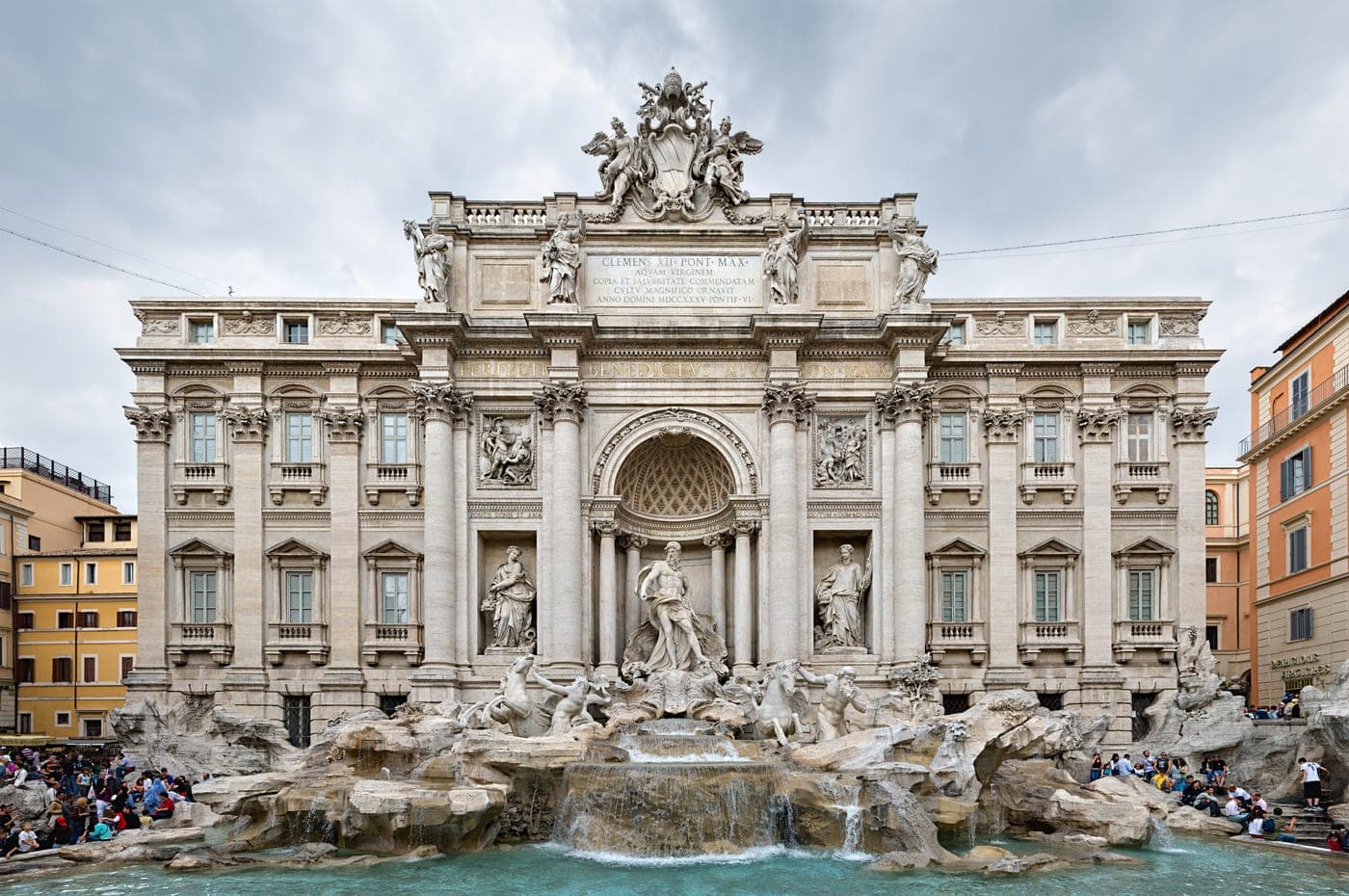
Rome
Historic capital featuring ancient ruins, Renaissance art, and vibrant piazzas.
Camper Van RentalsHiking
1 region
- Camper Van Rentals2 destinations
Lazio
Lazio is Italy's second-largest region, renowned for its rich history and diverse landscapes. The capital, Rome, boasts ancient ruins and vibrant street life, but the surrounding areas are equally captivating. Explore the hill towns like Viterbo, known for its thermal springs and medieval architecture. The region also features the stunning coastline of the Tyrrhenian Sea, offering hidden beaches and charming fishing villages. Lazio is famous for its culinary traditions, including artichokes from Rome and wines from Frascati. The region is home to the beautiful countryside of the Castelli Romani, dotted with vineyards and historic castles, providing a glimpse into local life away from the tourist crowds.
Camper Van RentalsHikingWine Tasting





