Burrata
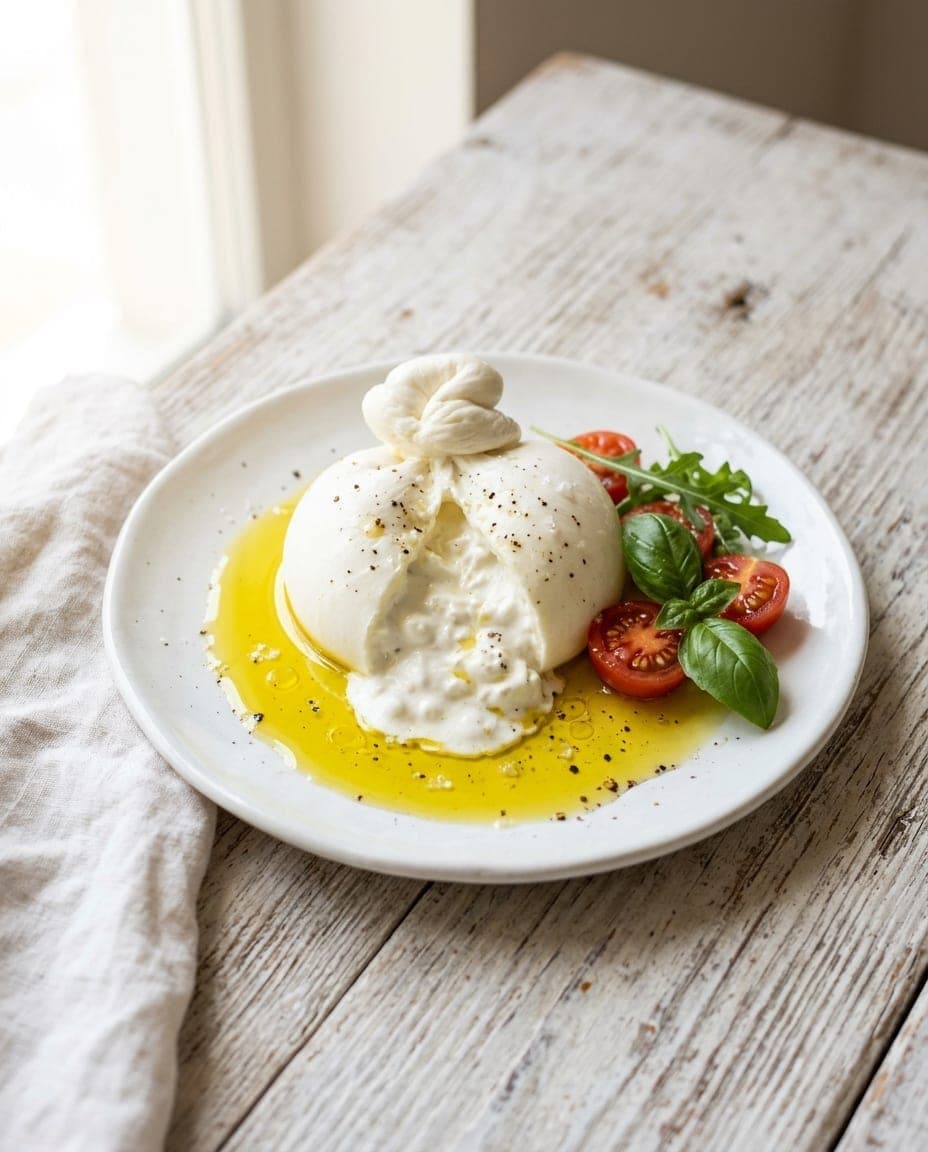
A pouch of mozzarella filled with cream and stracciatella from Andria in Puglia
- Local name
- Burrata
- Served with
- Tomatoes, bread
- Best eaten at
- A Puglian caseificio
- Pairs with
- Puglian rosé
What it is
Burrata is a soft Italian cheese that looks like a round ball of mozzarella but reveals a surprising interior when cut open. It comes from the Puglia region in southern Italy, specifically the town of Andria on the edge of the Murgia plateau. The cheese consists of an outer shell of fresh pasta filata, the stretched curd used for mozzarella, filled with stracciatella: shreds of the same curd soaked in fresh cream until they become soft and rich.
When a fresh burrata is sliced open, the outer shell breaks to release the creamy, almost liquid filling. The texture is distinct: the exterior offers a slight chew while the centre melts on the tongue. It is not a hard cheese meant for grating or long ageing. Instead, it is designed to be eaten very fresh, ideally within a day or two of being made.
Burrata is a regional speciality rather than a nationwide staple. While mozzarella is produced across Italy, burrata remains most closely associated with Puglia and the town of Andria. The name derives from burro, the Italian word for butter, a nod to the rich, buttery quality of the cream-filled centre.
The origins in Andria
Burrata has its roots in Andria in the first decades of the 20th century. Local tradition credits a cheesemaker named Lorenzo Bianchino, working on a farm near the town; one popular version of the story places the invention in a winter when heavy snow stopped deliveries, and he wrapped cream and stracciatella in a shell of curd so that they would keep. Another account sees it as a way of using up leftover shreds of curd and cream. The dates and details vary, but one of the earliest written mentions of the cheese appears in a 1931 Touring Club guide.
Whatever its exact beginnings, the idea explains why burrata is so perishable. Because it relies on fresh cream and unaged curd, it has a very short shelf life. It was never intended to be transported long distances or stored for weeks; it was made locally to be sold and eaten almost immediately. That close connection between production and consumption remains central to its identity today.
How it was traditionally wrapped
In the past, burrata from Andria was often wrapped in asphodel leaves, from a plant that grows wild in the Murgia. The leaves were folded around the cheese to protect it on its way to market.
The leaves are also said to have served as a freshness gauge: if they had wilted or turned brown, the buyer knew the burrata was no longer fresh, a useful cue in an era before refrigeration and date labels.
Today, the practice is largely gone. Most producers use plastic tubs, and some wrap the cheese in green plastic leaves that recall the old asphodel. A few artisanal makers still use real leaves to honour tradition, but modern packaging is now the norm.
What goes into it
The composition of burrata is simple, relying on just a few ingredients. There is no ageing process, and the whole product depends on the quality of the milk and the skill of the maker in handling the fresh curd.
- Pasta filata shell: Fresh stretched curd, the same as for mozzarella, formed into a pouch and then filled.
- Stracciatella: Shreds of fresh curd mixed with cream until soft and creamy, forming the filling that flows out when cut.
- Cow's milk: The base for both shell and filling; the protected Burrata di Andria must be made from cow's milk, curdled with calf rennet or a microbial coagulant.
The result is a cheese that is mild, milky and slightly sweet on the palate. It lacks the sharpness of aged cheeses, and its flavour is clean and fresh, designed to shine with simple accompaniments. Because it is so delicate, any off-notes in the milk are immediately apparent in the final product.
How to eat it
Burrata is usually served at cool room temperature rather than straight from the refrigerator, when the cream inside can feel firm and the flavour muted.
The traditional way to serve it involves nothing more than fresh tomatoes, good bread, extra virgin olive oil and a pinch of salt. Ripe tomatoes, sliced thickly, are placed on top or beside the cheese. The acidity of the tomato balances the richness of the cream, while the bread provides a vehicle for scooping up the filling.
In Puglia, burrata is often bought from a caseificio, or dairy shop, where it is made on site and eaten soon after purchase. A glass of Puglian rosé is a common companion, its light acidity complementing the creamy texture.
Curious facts
- Contested origins. Local tradition credits Lorenzo Bianchino of Andria with the invention, with stories ranging from a snowbound winter to using up leftover curd.
- Asphodel leaves once wrapped it. Fresh asphodel leaves were used to package the cheese, and their condition served as a guide to its freshness.
- A protected status. Burrata di Andria has been a Protected Geographical Indication (PGI) since 2016. It may be produced anywhere in Puglia, but the name ties it to its home town.
- Perishable by design. The cheese is meant to be eaten within a day or two of production, as it loses its texture quickly.
- Not vegetarian by default. Traditional burrata is curdled with calf rennet, although the PGI rules also allow microbial coagulant.
Where to try it
The best place to eat burrata is in Puglia, specifically in Andria and the surrounding Murgia. While the cheese is now produced in other regions and exported globally, the version made in its home town retains a character tied to local milk and tradition. In many of Andria's caseifici, the curd is stretched and filled with stracciatella in front of customers.
Other towns across Puglia also produce excellent versions of the cheese. The key is to look for a dairy that makes it daily and serves it fresh.
The cream inside often separates or loses its texture during long transport, so burrata bought far from Puglia is best eaten as close to its production date as possible. For the truest experience, it is worth travelling to the source and eating it where it is made, with a loaf of local bread and a few ripe tomatoes.
Where to try it
1 destination
 Wine Tasting
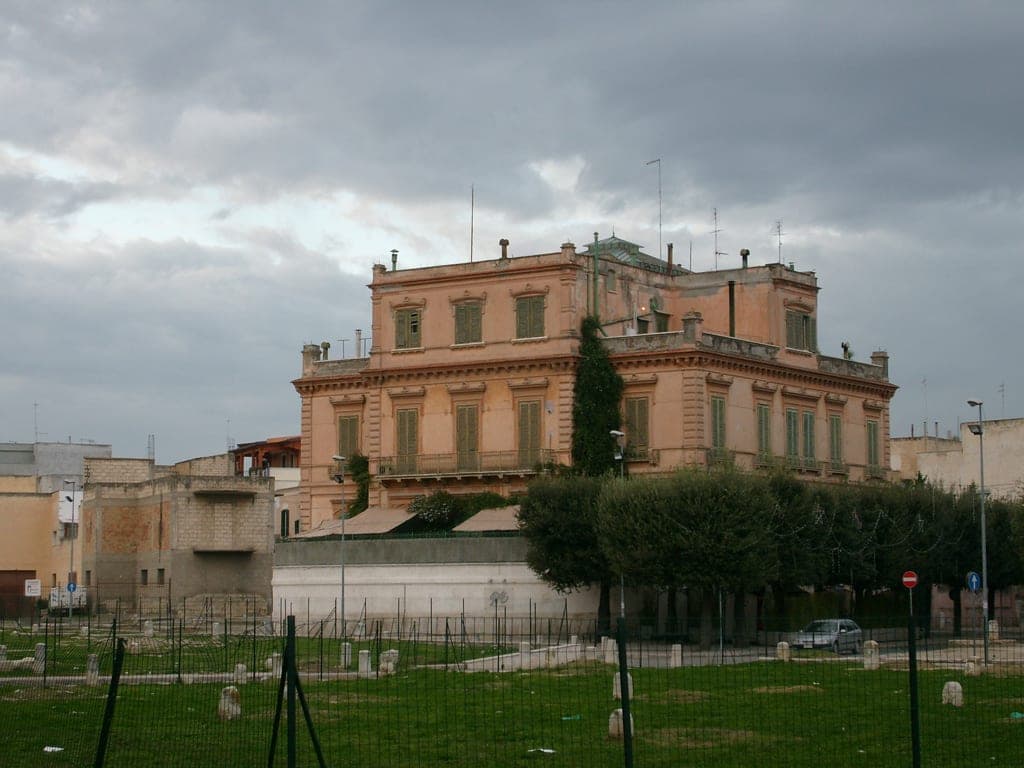
Cerignola
Large agricultural town in northern Puglia with wine and olive production.
Wine TastingHiking
1 region
 Boat Rentals20 destinations
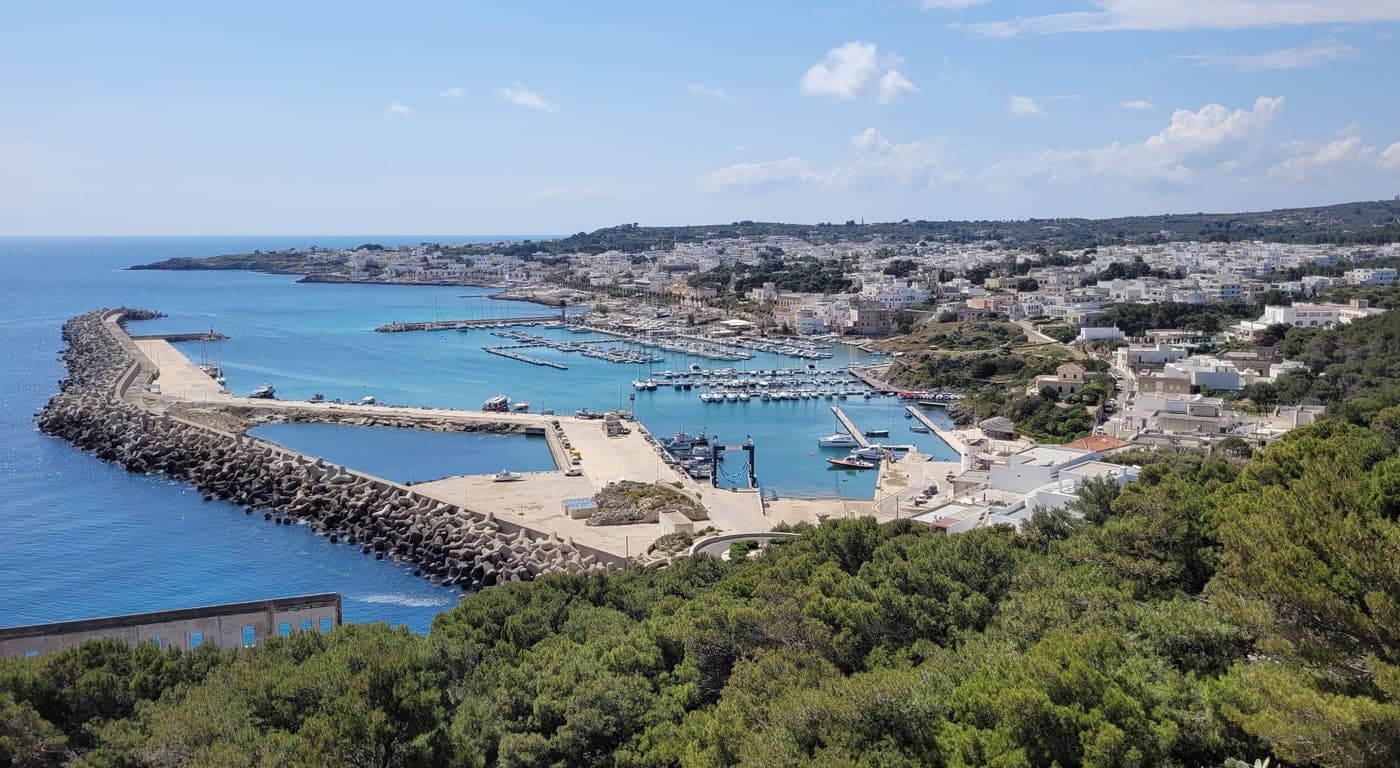
Puglia
Apulia, the heel of Italy, is known for its unique trulli houses, especially in Alberobello, a UNESCO World Heritage site. The region features beautiful coastlines along the Adriatic and Ionian Seas, with picturesque towns like Polignano a Mare and Otranto offering stunning sea views and fresh seafood. Notably, Apulia is the largest wine-producing region in Italy, famous for robust Primitivo and fruity Negroamaro wines. History aficionados can explore ancient sites like the Romanesque cathedral in Bari and the medieval castles of Castel del Monte. With its rich culinary traditions, highlighted by orecchiette pasta and olive oil, Apulia offers a deep dive into Italy's cultural heritage.
Boat RentalsWine TastingHikingAgritourism





