Buccellato di Lucca
Lucca's ring-shaped anise bread, traditionally dipped in sweet wine
- Vegetarian
- Local name
- Buccellato
- Best eaten at
- A historic Lucca pasticceria
- Pairs with
- Vin Santo
What it is
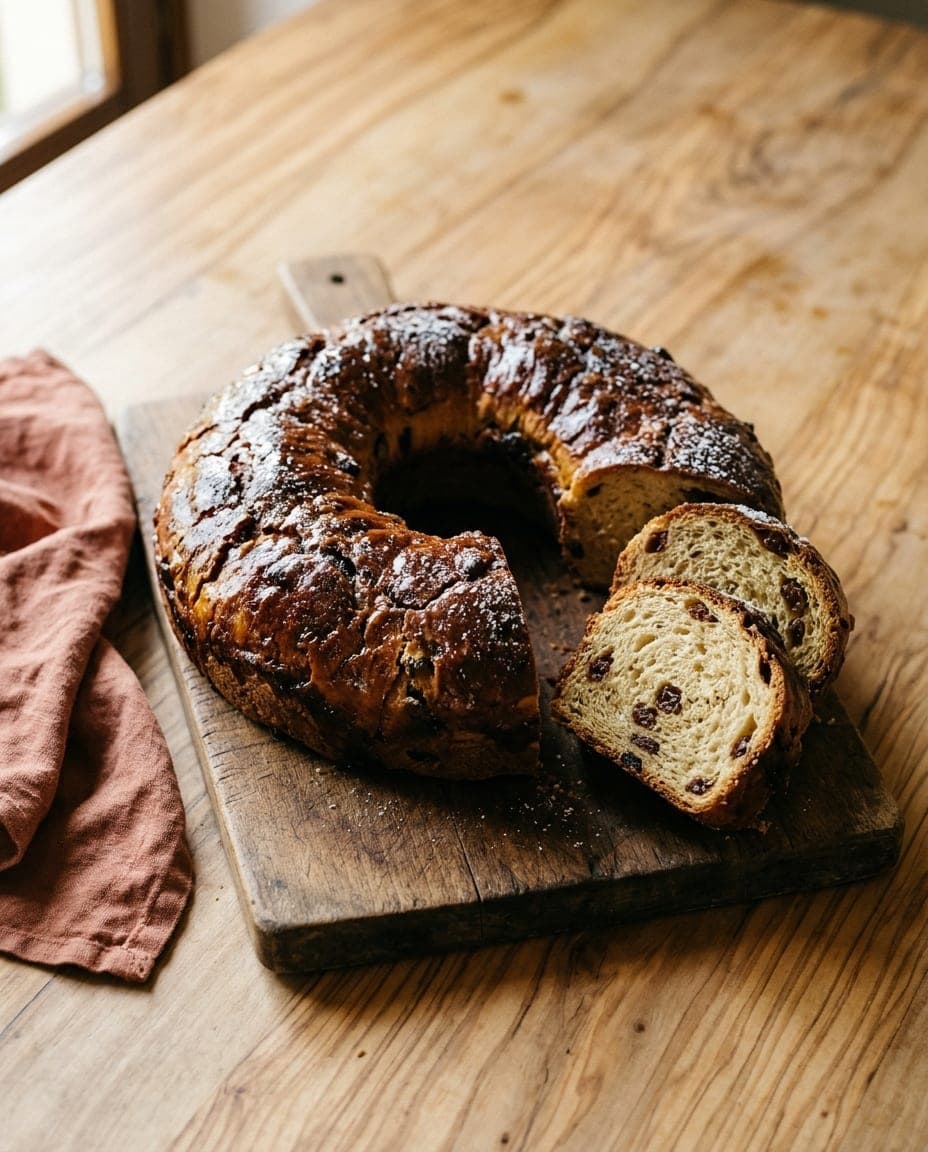
The buccellato is a sweet, ring-shaped bread that defines the pastry tradition of Lucca in Tuscany. It is not a cake but a yeast dough, leavened and baked until golden, its top brushed with a mixture of egg and sugar that bakes into a glossy, dark brown crust. The interior is dense yet soft, studded generously with raisins and perfumed with aniseed.
The bread is at its best fresh, but it dries out quickly. Within a couple of days the texture changes from soft to firm, a quality that locals have long turned into a ritual. A traditional way to eat it is to slice the loaf, toast the pieces until crisp, and serve them alongside Vin Santo, a sweet wine made from dried grapes. Many diners simply dip the slices directly into the wine before eating, allowing the bread to absorb the sweetness.
The name and the history
The word buccellato derives from the Latin buccellatum, bread cut into mouthfuls, from buccella, a mouthful or small bite. Some accounts link it to a ring-shaped bread of Roman times, said to have been given to soldiers. In Lucca, local food writers trace the buccellato back to at least the 15th century, long before the modern era.
It holds a place of honour in the city's calendar. Its consumption has long been tied to religious occasions, especially the feast of the Holy Cross in September, one of Lucca's most important celebrations. The connection between the bread and the city is so strong that a local saying persists: whoever comes to Lucca and does not eat the buccellato is as if they had never been there. The phrase is repeated across the town, marking the pastry as an essential part of a visit rather than a mere treat.
How it is made
The dough begins with flour, sugar, yeast, eggs, butter and milk or water, mixed until smooth before being left to rise. Raisins are worked into the dough so that they are evenly distributed throughout the loaf. Aniseed is added for flavour, giving the bread its unmistakable aroma.
Once the dough has risen sufficiently, it is shaped into a large ring (some bakeries also make a straight loaf) and left to rise again. Before baking, the top is brushed with the egg and sugar mixture, which creates the signature shiny, dark finish in the oven. The result is a bread that balances the sweetness of the raisins and sugar with the earthy notes of the anise.
Curious facts
- A ring and a loaf. The ring is the classic shape, but Lucca's bakeries also sell the buccellato as a straight loaf.
- The drying ritual. Unlike many sweet breads, the buccellato firms up within days, which suits the tradition of toasting it and dipping it into wine.
- A local saying. The phrase stating that one has not truly been in Lucca without eating the buccellato is familiar to locals and visitors alike.
- Breakfast too. Beyond its role as a dessert with Vin Santo, the buccellato is also eaten at breakfast.
Where to try it
The most famous versions come from Lucca's historic pastry shops, one of which has been baking the buccellato in the city centre since 1881. Visitors often queue for it, drawn by the scent of baking anise and the shop's long reputation.
The bread also appears in the windows of other pastry shops throughout Lucca and the surrounding countryside. It is common to find it sold in smaller rings or as loaves wrapped in paper for travel. It is best eaten fresh, when the crust is crisp and the interior soft, though the toasted version with wine remains the classic way to finish a meal.
Where to try it
1 destination
 Wine Tasting
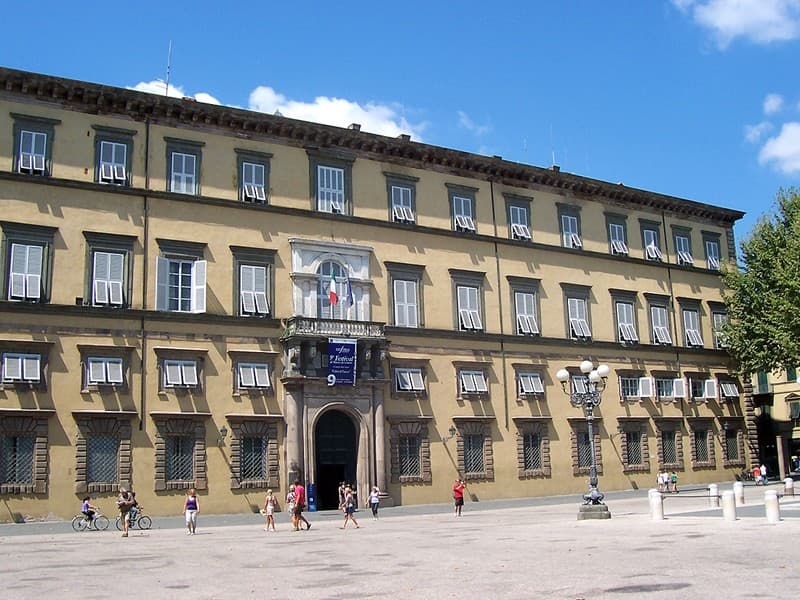
Lucca
Walled Renaissance city in northern Tuscany with nearby wine estates and olive oil production.
Wine TastingHikingLocal Cuisine
1 region
 Wine Tasting38 destinations
Tuscany
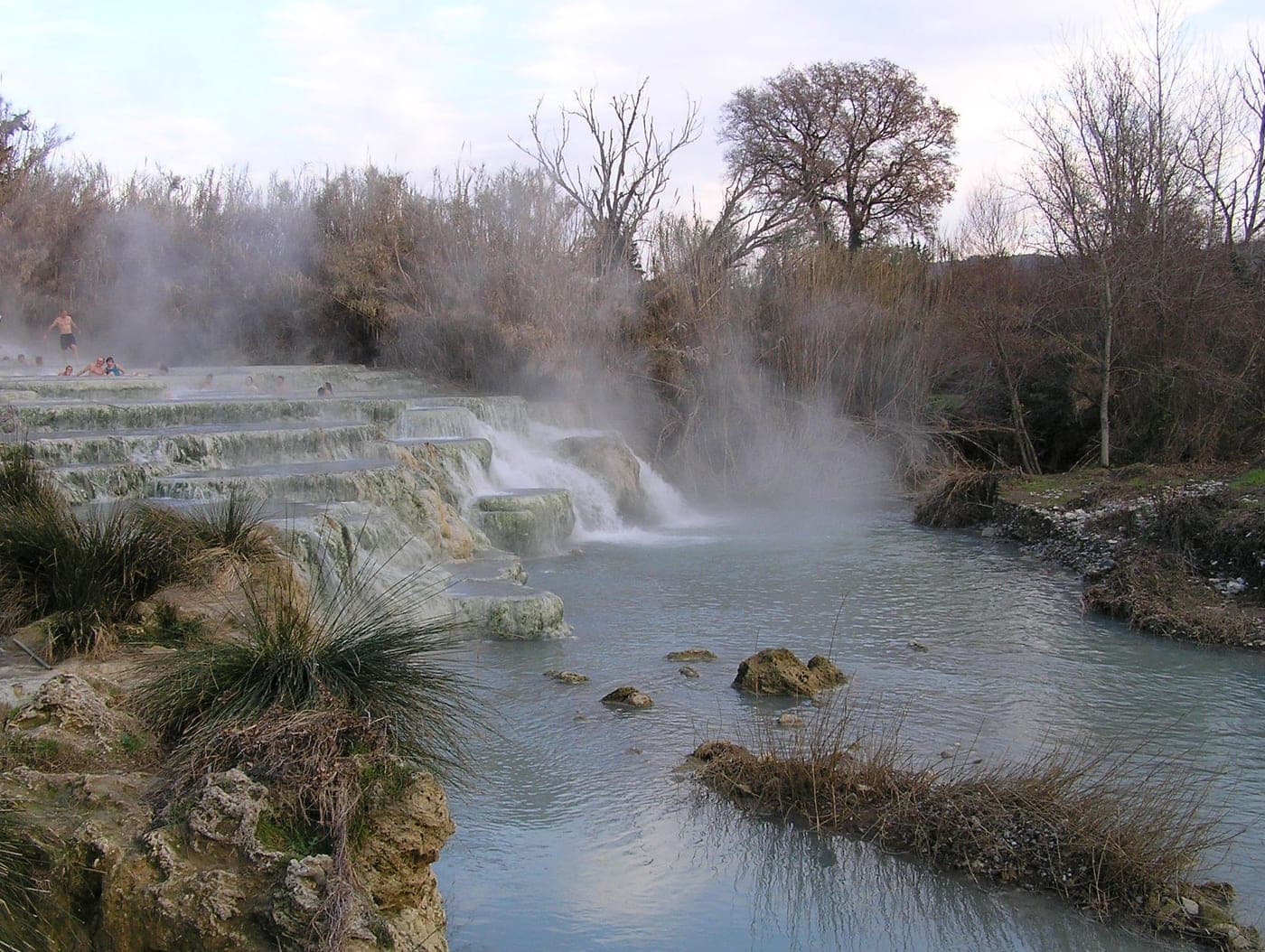
Tuscany, known for its rolling hills and rich history, is the second-largest region in Italy. Florence, its capital, is renowned for Renaissance art and architecture, but also worth exploring are smaller towns like Pienza, famous for pecorino cheese, and San Gimignano, known for its medieval towers. The region boasts diverse landscapes from the Chianti vineyards to the coastal Maremma. Tuscany is also celebrated for its local festivals, such as the Palio di Siena, and its traditional cuisine that emphasizes fresh, local ingredients. This area offers a glimpse into Italy's agrarian past with its rustic farms and olive groves, making it a unique place to slow down and connect with the local culture.
Wine TastingThermal SpasHikingAgritourism





