Brodetto all'anconetana
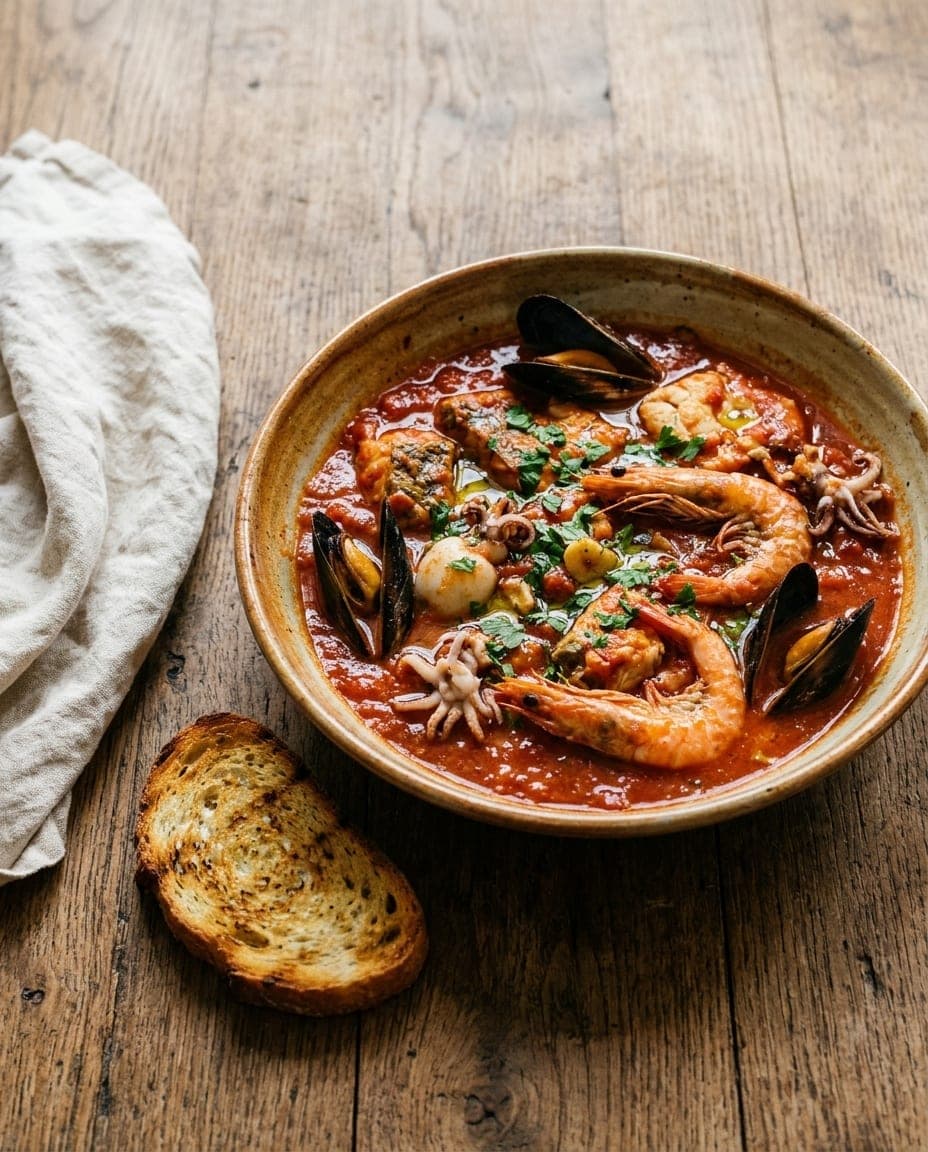
Ancona's thirteen-fish stew, sharpened with vinegar and served on toasted bread
- Local name
- Brodetto all'anconetana
- Served with
- Toasted bread
- Best eaten at
- An Ancona harbour trattoria
- Pairs with
- Verdicchio
What it is
Brodetto all'anconetana is the definitive fish stew of Ancona, the capital of the Marche region on Italy's Adriatic coast. It is not a light broth or a delicate consommé, but a substantial, deeply flavoured soup that serves as a full meal in a single bowl. The dish is defined by its variety: it brings together many kinds of local fish and shellfish, each added at a different moment so that every ingredient retains its own texture.
What sets this version apart from its neighbours is the use of tomato and vinegar. Brodetti from the coast north of the Conero promontory are often deglazed with white wine; Ancona's tradition uses only white wine vinegar, poured over a base of tomato. The acidity cuts the richness of the seafood and gives the broth a distinct sharpness that lingers on the palate.
The stew is traditionally made with thirteen kinds of fish and shellfish, a number treated as a local tradition rather than a strict rule. It is a port dish, born of the harbourside culture where fishermen brought their catch straight to the kitchen.
How the thirteen fish come together
The heart of the dish lies in the selection of seafood, which consists largely of the cheaper, abundant species of the Adriatic rather than rare or expensive fish. Each type requires a different cooking time, and the cook adds them in a specific order so that nothing breaks apart or becomes overcooked.
The stew begins with the molluscs that need the longest cooking, such as cuttlefish and squid, which also lend body to the broth. Mantis shrimp, mussels and clams follow, then the firmer fish such as monkfish, dogfish, scorpionfish or gurnard. The most delicate fish, red mullet and sole, go in last. Once the fish are in, the pot is not stirred: stirring would break the flesh and turn the clear, red broth into a muddy mess. Instead, the cook relies on gentle simmering and careful layering.
The tomato provides sweetness and body, while the vinegar introduces a necessary sharp edge. This balance of sweet, savoury and acidic is what makes the broth so distinctive compared with the Ligurian fish soups or the chilli-spiked cacciucco of Livorno. The fish are not chopped into tiny pieces; they remain in substantial chunks that can be identified as they are lifted from the bowl.
A tradition of thirteen
The number thirteen is central to the identity of brodetto all'anconetana, though it is rarely enforced with rigid precision. Two explanations circulate locally: some link it to the thirteen diners at the Last Supper, others to the thirteen spouts of Ancona's Fontana del Calamo. Either way, the symbolism is woven into local culture without becoming a strict regulation.
The fish used are typically those landed by the local fleet. Scorpionfish brings a mild flavour despite its spiny appearance, gurnard a sweet taste, and monkfish a firm, meaty texture that holds up well in the pot. Cuttlefish contributes a subtle brininess and thickens the broth naturally as it cooks.
Mussels and clams are opened by the heat of the stew, releasing their juices into the tomato base. Mantis shrimp, when available, add a distinctive sweetness. The combination creates a complex tapestry of flavours where each ingredient remains distinct.
How it is eaten
Brodetto all'anconetana is served in deep bowls with generous slices of toasted bread, often placed in the bowl so that the broth can be poured over them. Mopping up the last of the broth with bread is considered part of the dish, which turns the stew into a complete meal.
The dish is at its most natural in a trattoria near the harbour, where the connection to the sea is immediate. Ancona's harbour area is the obvious home for this version, though nearby towns such as Porto Recanati and Fano have their own distinct brodetti.
A glass of Verdicchio, the white wine from the hills inland from Ancona, is a common local pairing. Its crisp, mineral notes cut through the tomato base and refresh the palate between spoonfuls.
Curious facts
- Vinegar, never wine. Unlike brodetti made further north along the coast, Ancona's version is deglazed with white wine vinegar rather than wine.
- Thirteen is symbolic. The number is linked either to the diners at the Last Supper or to the thirteen spouts of the Fontana del Calamo, and it guides the choice of fish without being strictly enforced.
- No stirring allowed. Once the fish are in the pot, the cook avoids stirring to keep them from breaking apart.
- A port dish with neighbours. Ancona, Porto Recanati and Fano each have their own version of brodetto, and each defends its own as the most authentic.
- Bread as a companion. The toasted bread that soaks up the broth is as important as the fish.
Where to try it
The best place to eat brodetto all'anconetana is in Ancona itself, in a trattoria near the harbour, where the dish is often a signature offering for locals and visitors alike.
Neighbouring towns along the Adriatic coast prepare their own interpretations. Porto Recanati and Fano each have their own claims to the dish, and locals may argue over which version is the most authentic. This friendly rivalry adds to the charm of the region, where food is a way of expressing local pride.
Where to try it
1 destination
 Wine Tasting
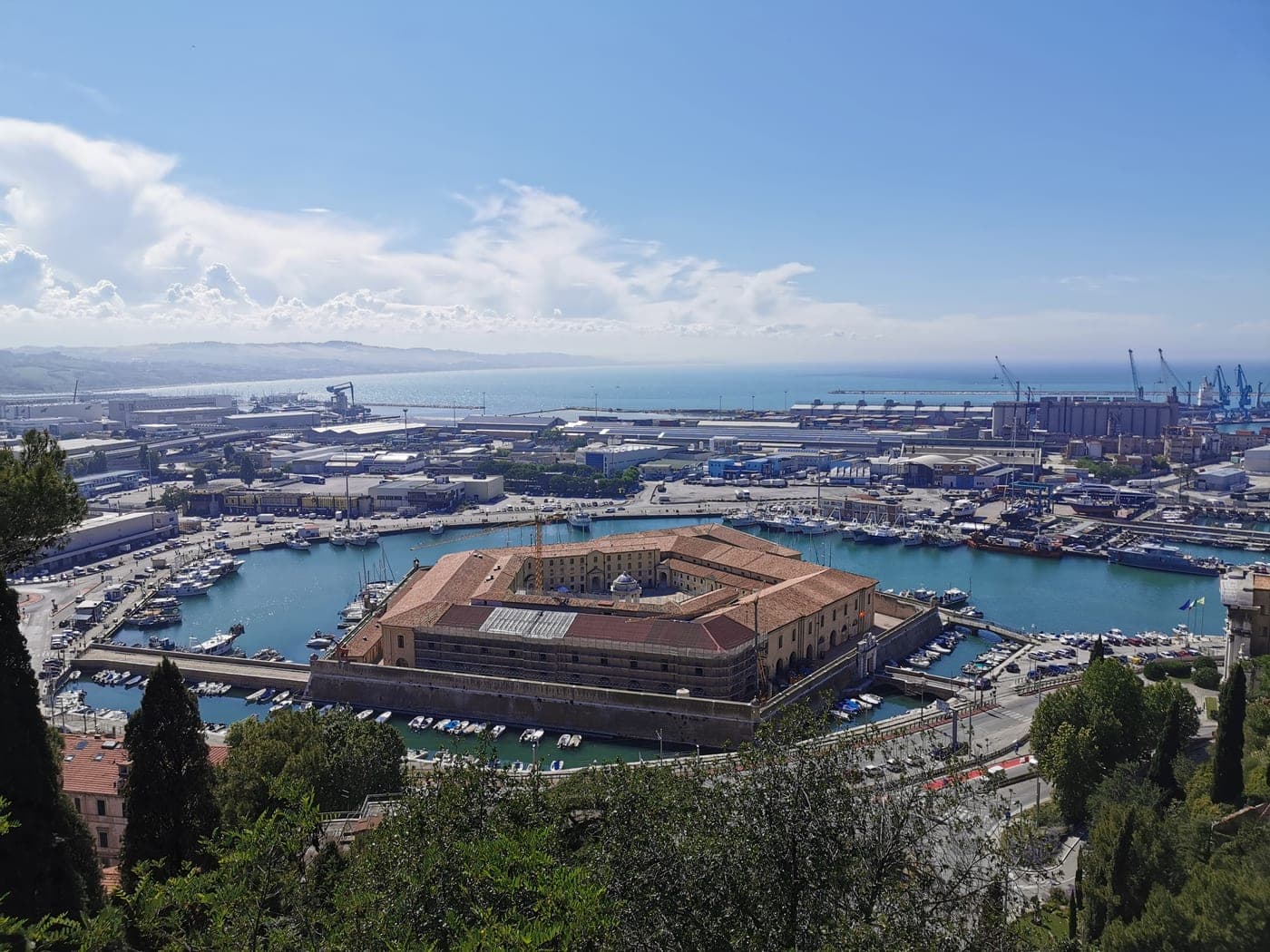
Ancona
Adriatic port city in Marche wine region with access to Verdicchio wineries.
Wine TastingBoat RentalsHiking
1 region
 Agritourism4 destinations
Marche
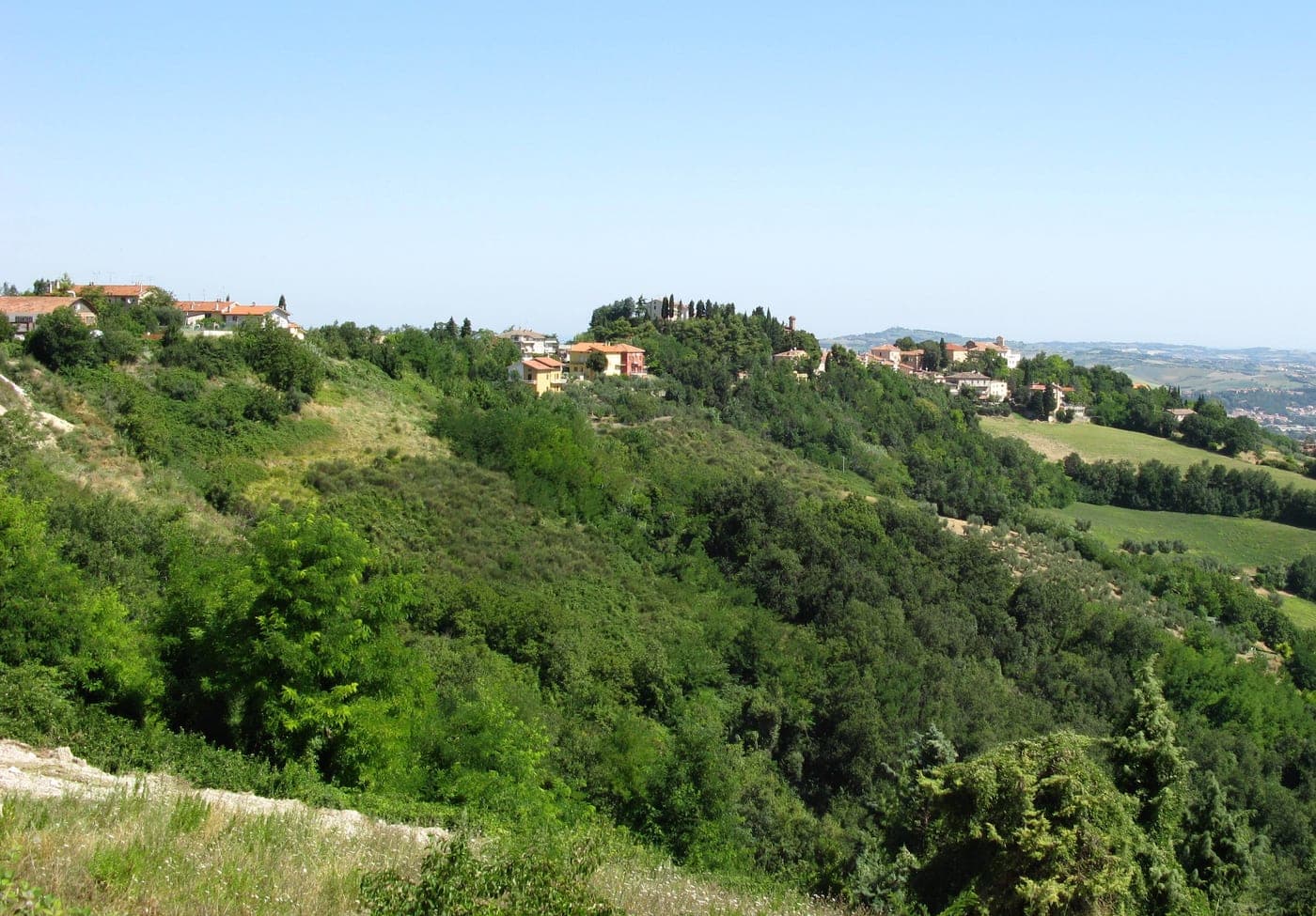
Nestled along the Adriatic Sea, this region boasts a mix of mountains and coastline, making it the only Italian region with a significant maritime presence. As Italy's fourth smallest region, it features historical towns like Urbino, known for its Renaissance heritage and UNESCO status, and Ascoli Piceno, famous for its travertine architecture. The landscape is dotted with rolling hills, vineyards, and olive groves, producing notable wines such as Verdicchio and Rosso Piceno. Culture thrives here through local festivals celebrating traditional crafts and cuisine, particularly the renowned olive all'ascolana. Rich in history, the region invites exploration beyond the typical tourist paths, showcasing authentic village life and regional gastronomy.
AgritourismWine TastingBoat RentalsHiking





