Bigoli in salsa
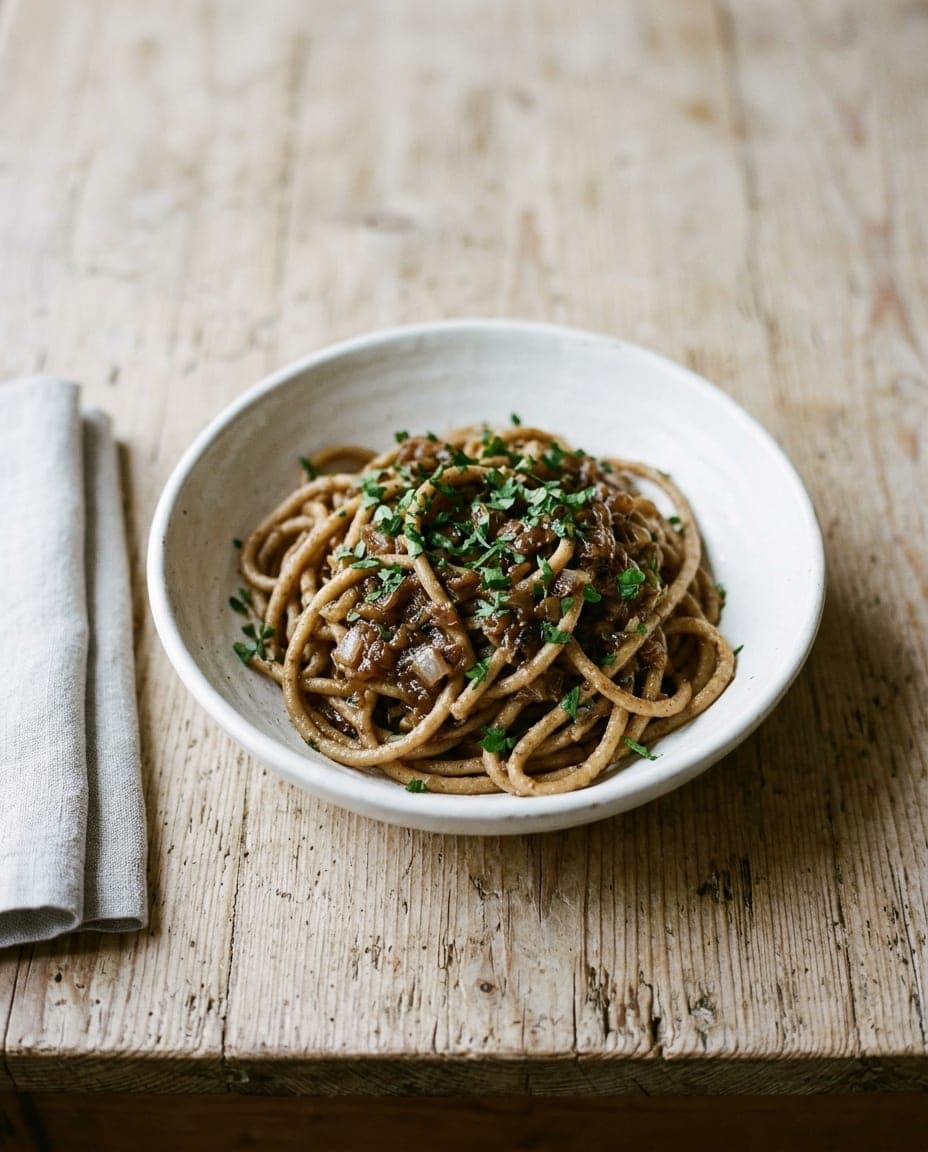
Thick wholewheat pasta with onions, anchovies and oil from Venice
- Local name
- Bigoi in salsa
- Best eaten at
- A Venetian bacaro or trattoria
- Pairs with
- Soave
What it is
Bigoli in salsa (bigoi in salsa in Venetian) is one of the signature dishes of Venice and the wider Veneto region. It consists of thick, long strands of wholewheat pasta served with a sauce made from onions and salted anchovies cooked slowly in olive oil until they dissolve into a creamy mixture. The dish is a classic example of cucina povera, or poor cooking, where humble ingredients are transformed through patience rather than expensive additions.
The name describes the components precisely: bigoli refers to the pasta, and salsa means sauce, though in this context it does not imply a tomato base or a complex emulsion. The result is a dish of deep savoury flavour and earthy texture, where the rough surface of the pasta holds the melted onion-anchovy mixture with remarkable ease. It is usually served as the first course (primo) in a traditional Venetian meal.
How bigoli are made
The defining feature of this dish is the pasta itself. Bigoli are thick, long noodles, noticeably thicker and heavier than standard spaghetti. They are traditionally extruded through a bigolaro, a hand-cranked press fitted with a perforated die. The dough is pushed through the holes to create rough, porous strands with a distinctive texture.
For bigoli in salsa the dough is made from wholewheat flour; in other parts of the Veneto, bigoli are also made with eggs, sometimes duck eggs. The wholewheat grain gives the pasta a nutty, slightly bitter undertone that balances the intense saltiness of the anchovies. Because the surface is rough and uneven, it acts like a sponge for the sauce, ensuring every bite carries the flavour of the onion and anchovy mixture.
The onion and anchovy sauce
The sauce is built on just two ingredients: onions and salted anchovies, cooked in olive oil. Tomato and cheese play no part. The onions are sliced thinly and softened very slowly over low heat until they become sweet, translucent and almost melted into a jam-like consistency. This process requires patience, as rushing the heat would result in bitterness rather than the desired depth of flavour.
Once the onions have reached the right texture, the salted anchovies are stirred in and left to break down until they dissolve completely into the onion mixture, creating a thick, creamy sauce without visible chunks of fish. In the past salted sardines were often used instead of anchovies. The salt from the fish seasons the dish, while the olive oil binds the sauce to the pasta. The final result is a dark, glossy coating that clings to the thick strands of bigoli.
A dish for fasting days
Bigoli in salsa holds a special place in the Venetian calendar as a dish for days of abstinence from meat. It is traditionally eaten on Christmas Eve (la vigilia) and Good Friday, and is associated with the beginning of Lent; in Castel d'Ario, near Mantua, a bigolada of bigoli with sardines is held on the first day of Lent. Fish was permitted on these days, making the dish an ideal meal for the occasion.
The absence of meat does not make the dish austere. The combination of rich onions, salty anchovies and wholewheat pasta creates a deeply satisfying meal built from cheap, long-keeping ingredients that working families in Venice could always find. The dish remains a fixture at these times of the year, though it is enjoyed year-round in many households.
How it is eaten
In Venice, bigoli in salsa is eaten at a bacaro, a small traditional wine bar where locals gather for a glass of wine and simple snacks, or at a family-run trattoria. The pasta is usually served in a wide, shallow bowl so that the sauce coats the strands evenly, and a fork is used to twirl the thick noodles.
The dish pairs naturally with a glass of Soave, a dry white wine from the Veneto that complements the saltiness of the anchovies without overpowering the nuttiness of the wholewheat pasta. It is a dish meant to be savoured slowly, often accompanied by a piece of bread to mop up any remaining sauce at the bottom of the bowl.
Curious facts
- No cheese is used. Unlike many Italian pasta dishes, bigoli in salsa is not served with grated Parmesan or Pecorino. The salt from the anchovies and the sweetness of the onions provide all the seasoning required.
- The pasta is thick by design. Bigoli are thicker than standard spaghetti, giving a chewy texture that stands up to the heavy sauce.
- Sardines before anchovies. Older versions used salted sardines; anchovies are the usual choice today.
- The bigolaro tool. The hand-cranked press used to make bigoli survives in some homes and pasta shops, though most bigoli today are made by machine.
- Regional specificity. While similar onion-and-fish sauces exist elsewhere in Italy, this combination of wholewheat bigoli and dissolved anchovy-onion sauce is a Venetian classic.
Where to try it
The best place to eat bigoli in salsa is a traditional bacaro or a family-run trattoria in Venice itself, particularly in the districts where local residents still frequent the old taverns. Bigoli are also common in other parts of the Veneto, including Verona and Vicenza, but the onion-and-anchovy version has its heart in Venice.
A glass of Soave completes the experience, offering a crisp contrast to the deeply savoury pasta. The dish is a reminder of how simple ingredients, treated with care and patience, can create a meal that is both deeply satisfying and historically meaningful.
Where to try it
1 region
 Wine Tasting20 destinations
Veneto
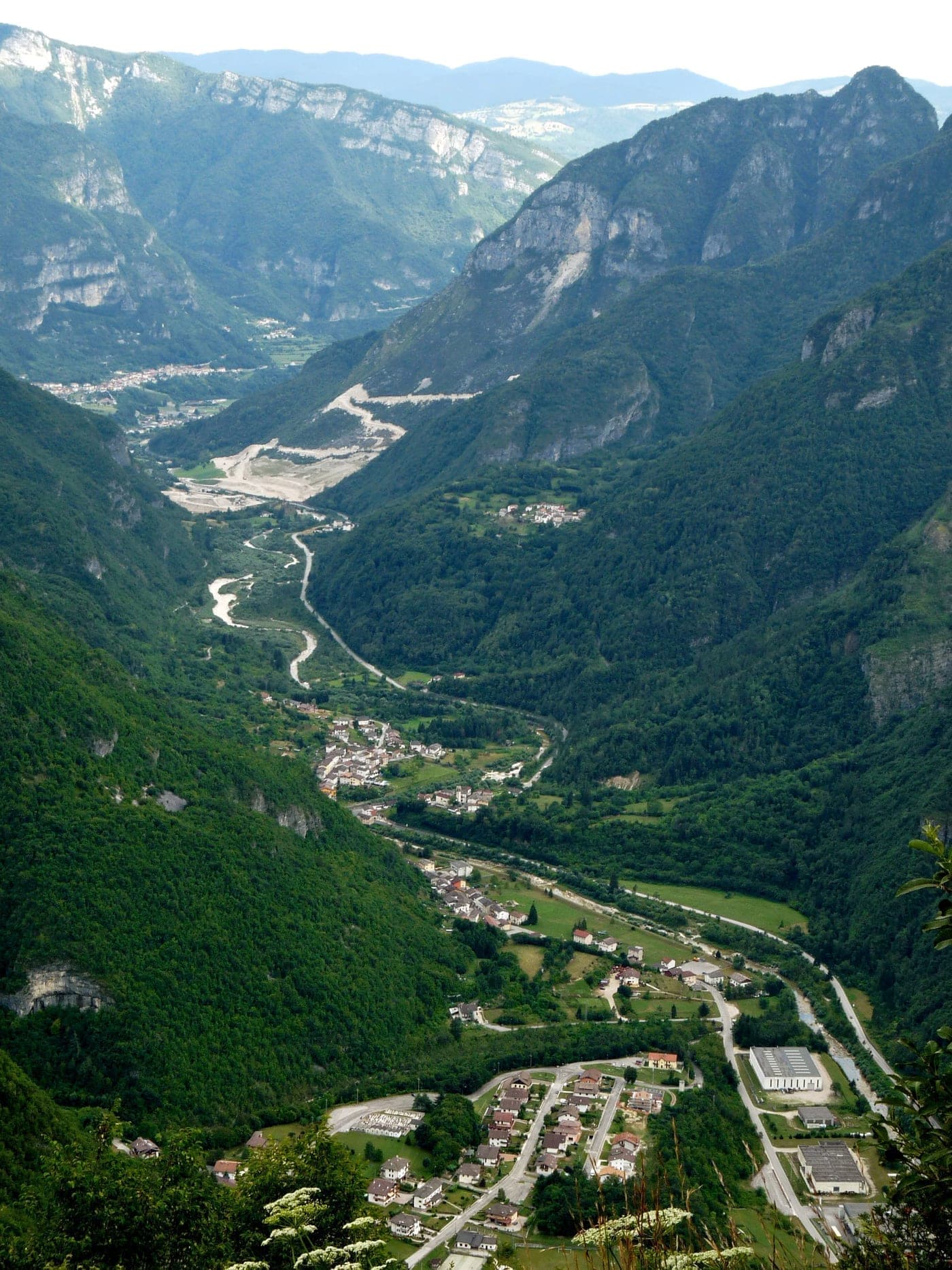
Veneto is a diverse region in northeastern Italy, home to Venice, the only city on the water. It is the eighth largest region in Italy and boasts a rich history shaped by its Roman and Venetian heritage. The countryside features rolling hills, vineyards, and olive groves, producing wines like Prosecco and Amarone. Beyond Venice, towns like Verona, known for its Roman amphitheater, and Vicenza, famous for Palladian architecture, provide cultural depth. The region also offers the picturesque Dolomites for hiking and outdoor activities. Lesser-known villages such as Asolo and Bassano del Grappa reveal local crafts and traditions, ideal for those seeking authentic experiences away from crowds.
Wine TastingHikingThermal Spas





