Bagna càuda
A warm garlic and anchovy dip for raw and cooked vegetables from Piedmont
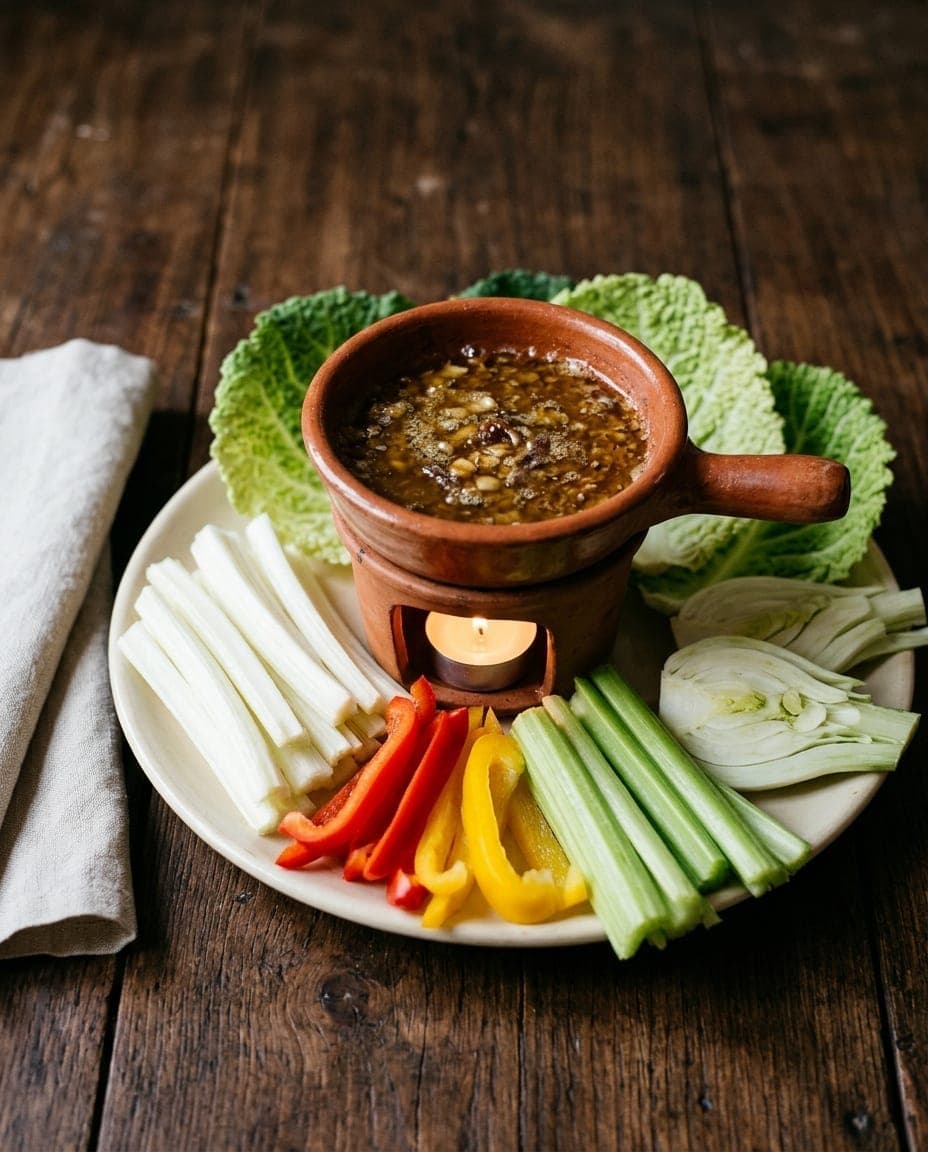
- Local name
- Bagna càuda
- Served with
- Cardoons, peppers, raw and cooked vegetables
- Best eaten at
- An osteria in Asti or the Monferrato
- Pairs with
- Barbera
What it is
Bagna càuda, literally "hot bath" in Piedmontese, is a warm dip from the Italian region of Piedmont. It is not a soup to be ladled into bowls, nor a sauce poured over pasta. It is a pungent mixture of garlic and salted anchovies melted slowly into olive oil, sometimes finished with a little butter, and kept hot at the table in an earthenware pot over a small flame. The individual terracotta burners used to serve it are called fojòt.
The dish belongs to the cold months, from October to February. It is tied to the end of the grape harvest and to winter gatherings. The most prized vehicle for the dip is the cardoon, a thistle-like vegetable with long, pale stalks; in particular the cardo gobbo grown along the river Belbo around Nizza Monferrato, in the province of Asti. Other vegetables include raw peppers, Jerusalem artichokes, cabbage and endive, alongside cooked ones such as roasted peppers, onions baked in their skins, beetroot and boiled potatoes.
What defines the experience is the communal nature of the meal. The pot sits on the table over a small burner so it stays warm throughout the evening, and everyone dips their own pieces of vegetable into the sauce. The garlic and anchovies dissolve together to create a deeply savoury liquid that coats the vegetables.
The name and the method
The name bagna càuda describes the dish perfectly: a warm bath for the vegetables. The preparation relies on patience rather than speed. Sliced garlic is cooked very gently in olive oil in an earthenware pan without browning, then the cleaned, boned salted anchovies are added and the mixture simmers slowly, for around half an hour, until the anchovies melt into the oil.
This slow cooking is essential. If the heat is too high, the garlic burns and turns bitter. The result should be a smooth, golden sauce in which the individual pieces of garlic and fish have almost dissolved. The pot is then kept warm over a flame, allowing diners to return to it as many times as they wish.
The earthenware is not merely decorative. It holds heat well and helps keep the oil from scorching. The pot is brought to the table with the flame still burning underneath, creating a gathering point around which the conversation flows, much like a hearth in a cold room.
The cardoon of Nizza Monferrato
No discussion of bagna càuda is complete without the cardoon. The cardo gobbo di Nizza Monferrato, protected as a Slow Food Presidium, is grown on the sandy soils along the Belbo between Nizza Monferrato, Incisa Scapaccino and Castelnuovo Belbo. Its name, "hunchbacked cardoon", comes from the way it is grown: around September the plants are bent over and covered with soil, and as they curve upwards in search of light, the stalks lose their colour and become white and tender.
This blanching makes the gobbo one of the few cardoons good enough to eat raw, which is exactly how it is served with bagna càuda. The stalks must be trimmed of leaves and fibrous strings and cut into pieces before the meal.
The harvest begins in early October and continues until February, and the appearance of the gobbo in markets marks the time of year when bagna càuda returns to menus across Piedmont. Peppers, Jerusalem artichokes and other vegetables are welcome companions, but for many Piedmontese the cardoon is the heart of the dish.
The salt roads and the anchovies
Piedmont is a landlocked region, far from the sea. Yet anchovies are central to its cuisine, and tradition links them to the vie del sale, or salt roads, the old trade routes that connected the Ligurian coast with the inland markets of Piedmont over the mountains.
Salt was precious and heavily taxed, and salted fish travelled along the same routes. Over centuries, the combination of local vegetables, garlic and preserved fish became a staple of rural Piedmont, a dish for sharing among families and farm workers in the cold season.
Salted anchovies, cured for many months, are preferred in traditional bagna càuda over oil-packed fillets. They melt into the oil and add a depth and sharpness that balance the sweetness of the cardoons and the warmth of the garlic. This link between the coast and the hills is a quiet reminder of the trade networks that shaped Piedmontese cuisine.
How to eat it
Bagna càuda is eaten as a communal meal, usually in the evening, either as a generous appetiser or as the main event. Diners take vegetables from shared platters and dip them into the hot sauce, using fingers or forks.
The ritual often continues until the sauce is almost gone. At this point, it is traditional to break an egg into the thick remains of oil, garlic and anchovy. The heat of the pot is enough to scramble the egg, creating a final savoury treat that absorbs any lingering flavour, ensuring nothing is wasted.
The meal is rarely rushed. It encourages conversation and sharing around the same pot. It is common to pair bagna càuda with a glass of Barbera or Dolcetto from the nearby vineyards. The acidity of the red wine cuts the richness of the oil and garlic, cleansing the palate for the next dip.
Where it is eaten
Bagna càuda is above all a home dish, but in season it appears on the menus of osterie and trattorias across Piedmont, especially in the provinces of Asti and Cuneo, in towns like Asti and Nizza Monferrato and in the surrounding countryside. These are often small, family-run places where the focus remains on local produce and simple cooking.
In these places the cardoons come from nearby farms, and staff often explain the ritual to visitors unfamiliar with the dish. Tables are often crowded, reflecting the communal nature of the meal.
Curious facts
- The pot stays warm. The dip is served in terracotta fojòt over a small flame, so it remains hot throughout the meal.
- A hunchbacked vegetable. The cardo gobbo owes its name and its white, tender stalks to being bent over and buried in soil before harvest.
- The egg finale. When the sauce is nearly gone, an egg is often cracked into the pot to scramble with the remaining oil, creating a final savoury dish.
- A landlocked sea flavour. The anchovies are traditionally linked to the salt roads that crossed the mountains from Liguria into Piedmont.
- Seasonal timing. The dish is an autumn and winter affair, tied to the harvest of cardoons from October to February.
Where to try it
2 destinations
 Wine Tasting
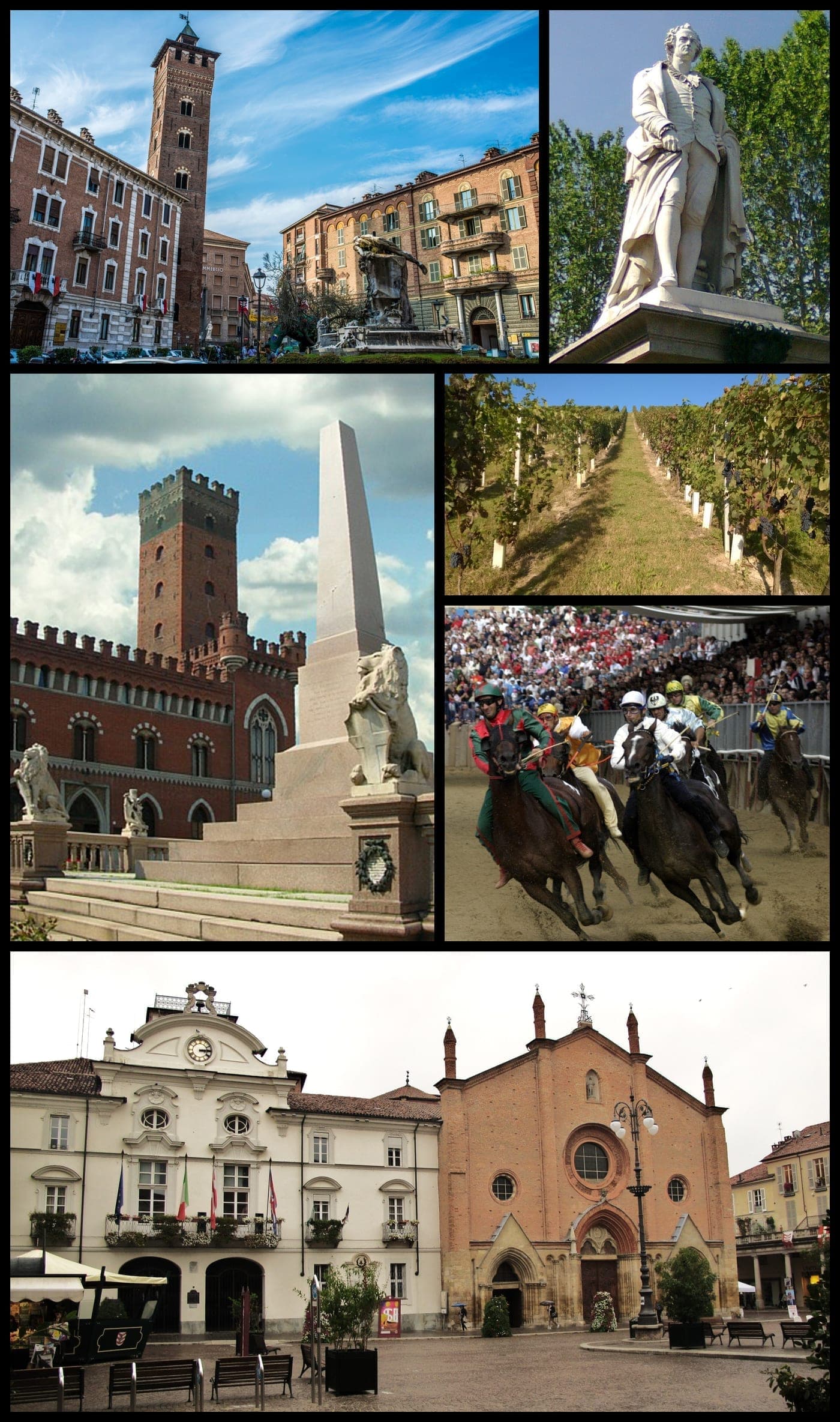
Asti
Historic city famous for Asti Spumante sparkling wine and Barbera production.
Wine TastingHiking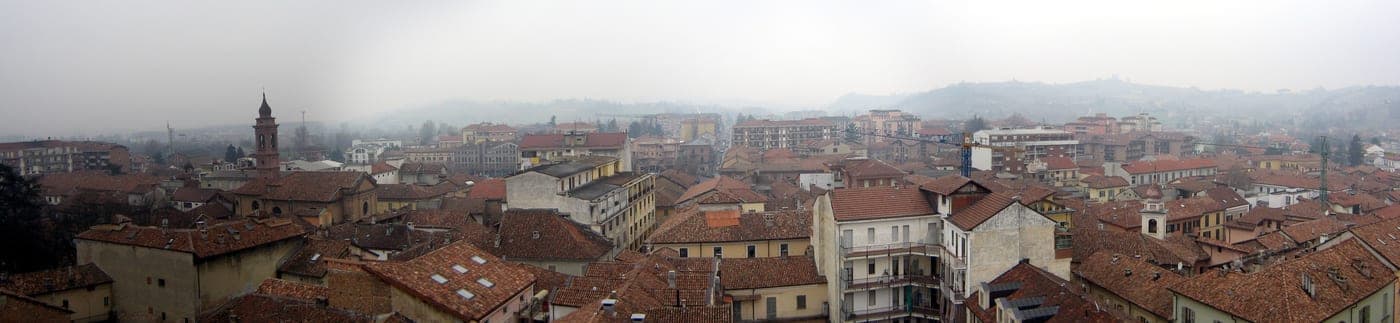 Wine Tasting
Nizza Monferrato
Important Monferrato wine town producing Nizza DOCG, the finest expression of Barbera.
Wine TastingHiking
1 region
 Agritourism31 destinations
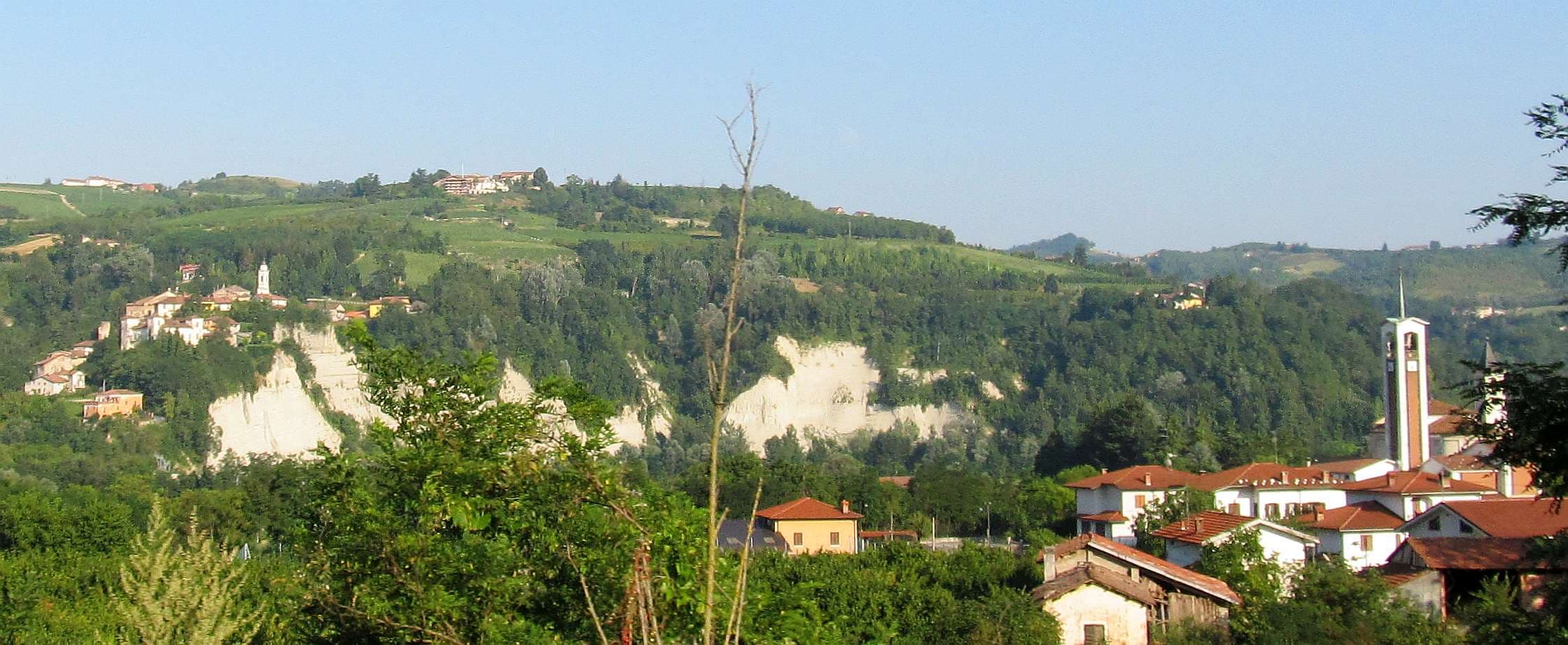
Piedmont
Piedmont is the second-largest region in Italy, bordered by the Alps to the north and characterized by its rich culinary and viticultural heritage. The region is famous for Barolo and Barbaresco wines, produced in the rolling hills of Langhe, a UNESCO World Heritage site. Turin, the capital, is known for its elegant architecture and historical cafes, while smaller towns like Alba and Asti offer vibrant local markets and truffle festivals. The region also boasts stunning landscapes, from the serene lakes of Orta and Maggiore to the majestic mountains. Its historical significance includes being the birthplace of the Italian unification. Authentic experiences can be found in local agriturismos and family-run osterias, away from typical tourist paths.
AgritourismWine TastingCastlesHiking





