Pálinka
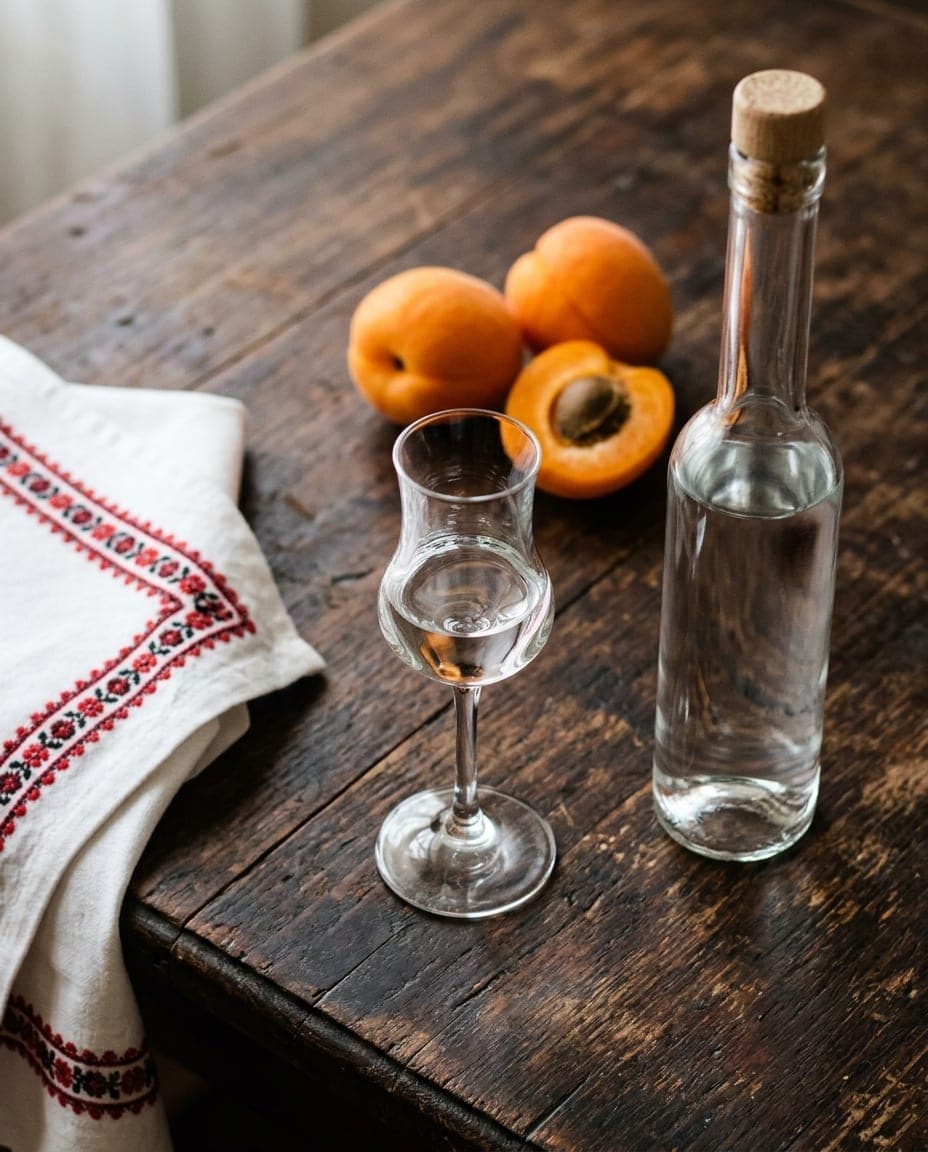
Fruit brandy served neat in a tulip glass
- Alcoholic
- Local name
- Pálinka
- Served
- Neat, slightly cool, in a tulip glass
- Best eaten at
- A Hungarian village inn
What it is
Pálinka is a fruit brandy produced in Hungary from fruit grown on Hungarian soil. By law, the name applies only to spirits distilled entirely from fruit (or grape pomace), with no added sugar, flavourings or colourants. The spirit must be mashed, distilled and bottled in Hungary from Hungarian-grown fruit, and the resulting liquid carries the distinct character of the specific fruit used. Apricot, plum, pear, cherry and quince are the most common varieties, though other fruits appear in smaller regions.
The drink is poured neat, at room temperature or barely cool (around 18–20°C), into a tulip-shaped glass designed to concentrate the aroma. It is not a shot taken in one gulp, but a spirit to be sipped slowly, allowing the fruit essence to unfold on the palate. While it has become a global symbol of Hungarian hospitality, its roots lie deep in the daily life of rural villages, where it was traditionally made at home before becoming a regulated commercial product.
The legal definition and the Great Plain
The strict regulations governing pálinka protect the integrity of the drink. A spirit labelled as pálinka cannot contain any additives that mask the natural fruit flavour or alter its character through artificial means. This requirement ensures that the taste reflects the specific variety of fruit and the soil in which it grew. Some of the best-known examples come from the Great Plain, particularly the apricot brandy of Kecskemét. Here, the climate and sandy soil give the fruit a distinct profile, which carries through into the spirit's flavour.
The law also dictates that the distillation must take place within Hungary. This geographical link ensures that the spirit remains tied to its origin. The current rules are set out in Hungary's 2008 pálinka act, and the name has been protected as a geographical indication in the European Union since 2004. This status prevents producers elsewhere from using the name, with one narrow exception: apricot spirit from four Austrian provinces may also be called pálinka. Eight regional names, among them kecskeméti barackpálinka and szatmári szilvapálinka, carry their own protection.
The tradition of home distillation
For centuries, pálinka was not a product sold in shops but a result of household labour. Every farming family with fruit trees would harvest their crop and turn it into spirit during the autumn months. The process involved crushing the fruit, fermenting the mash, and then distilling it to capture the essence. This small-scale production remained a vital part of rural life, even as commercial distilleries grew in the 20th century.
Today, the tradition persists through licensed contract distilleries (bérfőzde). Families bring their own fermented fruit mash to these facilities, where it is distilled without them needing to own expensive equipment. The resulting spirit, legally a párlat rather than pálinka, belongs to the household and is for its own table and guests; it may not be sold. This model allows families to maintain control over the quality of their produce while adhering to legal standards. It remains a live part of rural economy, where the fruit harvest dictates the rhythm of the year.
What goes into it
The character of pálinka depends entirely on the fruit used. No two bottles taste exactly alike, as the spirit mirrors the specific variety of fruit and the conditions of its growth. The most common types include:
- Apricot, particularly from the Great Plain, which yields a spirit with a deep, honeyed aroma and a long, fruity finish.
- Plum, often made from local varieties such as the Besztercei and associated with Szatmár and Békés, producing a robust, slightly tart profile.
- Pear, distilled from aromatic varieties such as Williams to create a lighter, floral spirit.
- Sour cherry and cherry, which offer a sharp, tangy flavour with a faint almond note from the stones.
- Quince, a rarer variety that results in a complex, perfumed spirit with a long, lingering finish.
The distillation process captures the volatile aromas of the fruit while leaving behind heavier compounds. The result is a clear, potent liquid that retains the essence of the harvest; it takes on colour only when aged in wood or rested on fruit (ágyas). Each type has its own seasonal peak, and producers often label their bottles with the specific fruit variety to ensure transparency.
How it is served and consumed
Pálinka is traditionally poured neat into a tulip-shaped glass, which helps trap the aromatic compounds and release them slowly as the spirit warms slightly in the hand. It is not meant to be chilled, nor is it usually mixed with other drinks. The custom of serving it at room temperature allows the drinker to appreciate the full spectrum of the fruit's aroma without the interference of ice or cold temperatures.
In Hungarian villages, the spirit is often offered as a welcome to guests upon arrival. It is sipped slowly, allowing the warmth of the fruit to spread through the mouth before swallowing. This method contrasts with the hurried "shot" style common in other cultures, emphasising the appreciation of flavour over the speed of consumption. The tulip glass is essential for this experience, as its shape concentrates the vapours and guides them to the nose.
Curious facts
- The fruit must be Hungarian. A spirit cannot bear the name pálinka unless it is made from fruit grown in Hungary and distilled within its borders (apricot spirit from four Austrian provinces is the one exception).
- No additives allowed. The law forbids the addition of sugar, flavourings or colourants to a pálinka, ensuring the taste comes solely from the fruit.
- The tulip glass is essential. The shape is designed to concentrate aromas, allowing the drinker to smell the fruit before tasting it.
- Home distillation remains legal. Fruit growers can distil a limited amount at home with a registered still and paid excise stamps, but the result is for the household and may not be sold as pálinka.
- A regional identity. Apricot pálinka from Kecskemét and plum pálinka from Szatmár are among the best-known regional names.
- A harvest ritual. The production of pálinka traditionally marked the end of the fruit season, with families gathering to process their crop into spirit.
Where to try it
The best place to taste authentic pálinka is a Hungarian village inn, particularly on the Great Plain or in the fruit country of the north-east. These establishments serve the spirit neat, often from large glass bottles kept on the bar.
Visitors can also find pálinka at licensed small distilleries and regional fairs, where producers pour their own bottlings. These offer a chance to speak directly with the producers about the specific fruit varieties used and the conditions of the harvest. The experience is less about luxury dining and more about connecting with the agricultural roots of the drink.
Where to try it
1 region
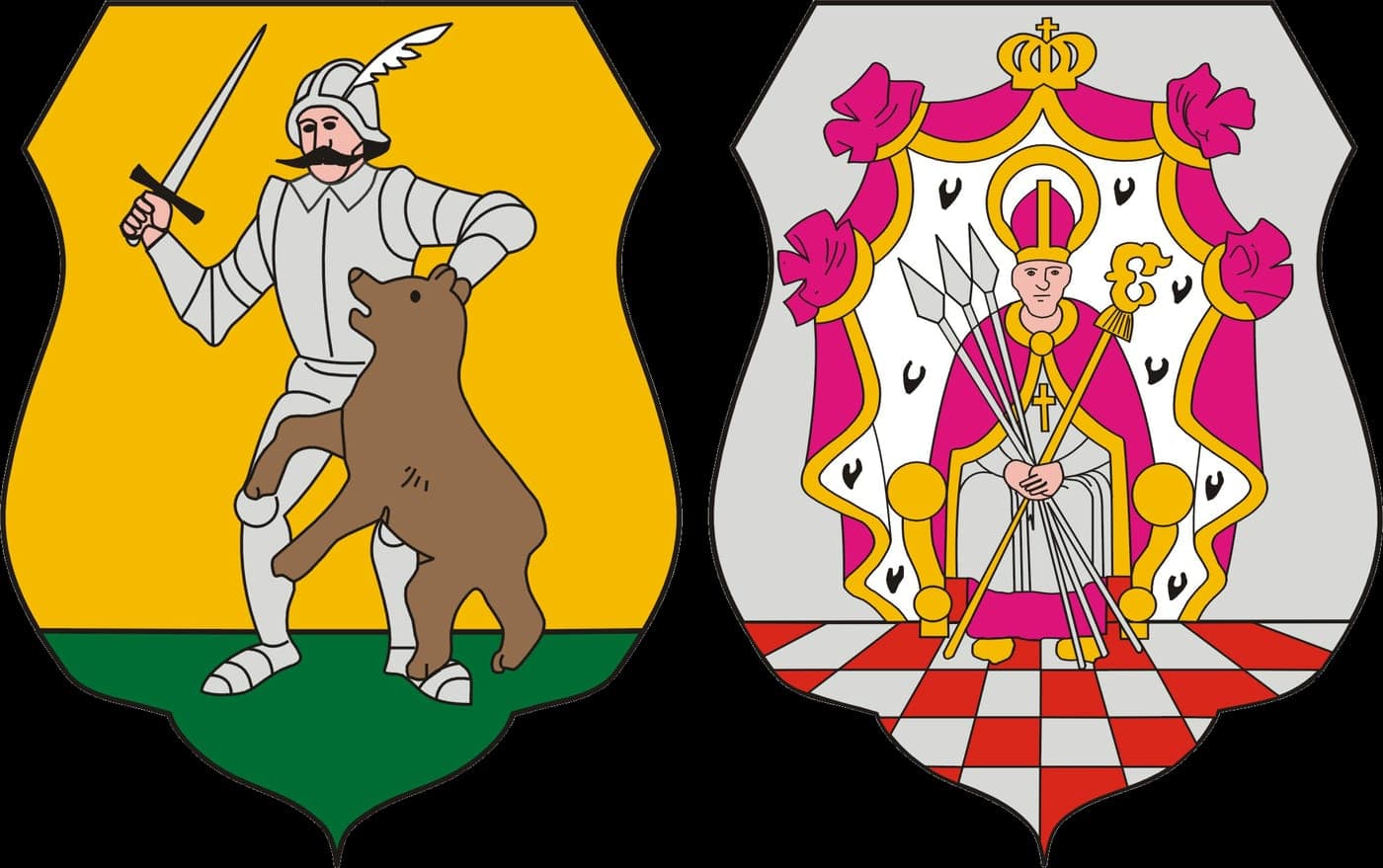
Komárom-Esztergom
Komárom-Esztergom is a prominent region in Hungary, known for its historical significance and rich cultural heritage. The region features Esztergom, home to Hungary's largest basilica, and a stunning fortress overlooking the Danube River. The area is also renowned for its wine production, particularly the white wines from the local vineyards. Visitors can explore the scenic Danube Bend, where charming towns like Visegrád and Szentendre offer insights into local traditions. Hiking trails through the Pilis Mountains provide opportunities to connect with nature. This region, with its blend of history, culture, and natural beauty, encourages travelers to discover its hidden gems at a leisurely pace.