Westfälischer Schinken
Dry-cured Westphalian ham smoked with beechwood and juniper berries
- Local name
- Westfälischer Schinken
- Served with
- Pumpernickel, butter
- Best eaten at
- A Westphalian Gasthof
- Pairs with
- Westphalian pilsner or Korn
What it is
Westfälischer Schinken is a dry-cured ham from the Westphalia region in the north-west of Germany. It is not made everywhere in the country but remains a specific regional speciality, tied closely to the Westphalian half of North Rhine-Westphalia. The meat historically came from pigs fattened on acorns and beechmast in the oak and beech woods of the area, a practice that has long since given way to modern feed.
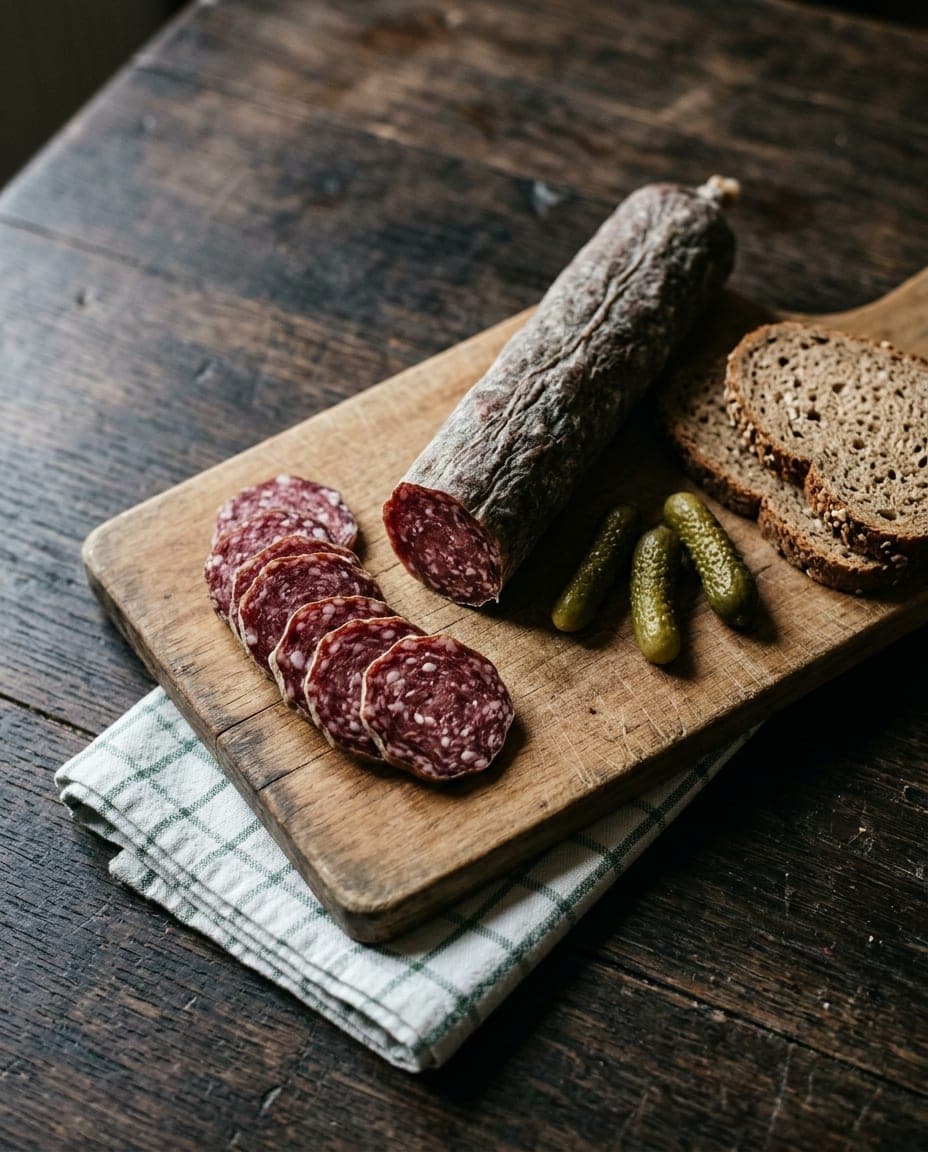
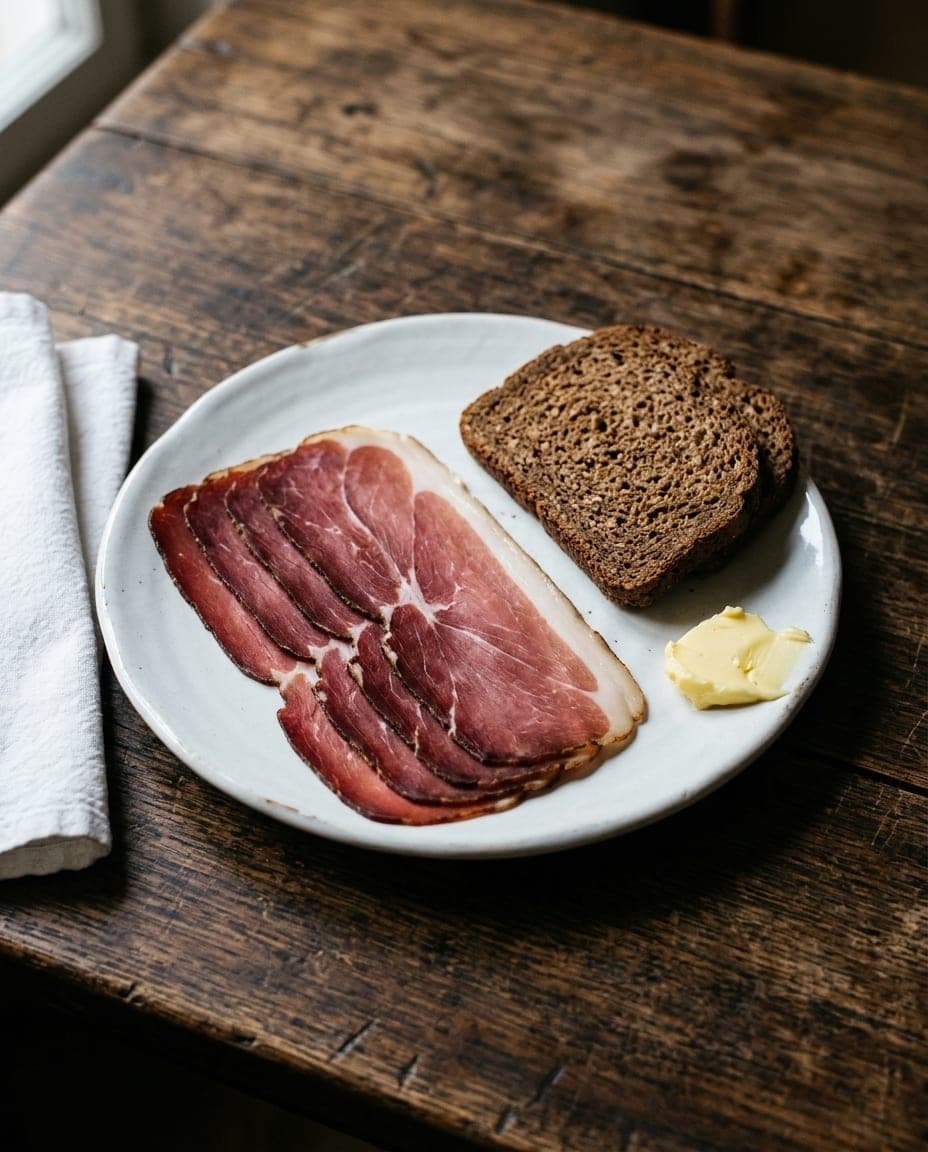
The result is a dark red slice with a firm texture and a sweet-salt taste that carries the scent of woodsmoke. It is not a fresh ham or a boiled variety but a cured product that has been preserved through salting, smoking and drying over several months. The smoke sets it apart from the air-dried hams of southern Europe, adding a deep, aromatic layer while allowing the natural sweetness of the pork to remain visible.
How it is made
The process begins with the selection of pork legs, which are rubbed by hand with salt (in some recipes with spices such as juniper) and stacked in layers. The salt draws out moisture and forms a brine that is poured back over the hams as they are restacked; this salting phase lasts at least three weeks, followed by a rest of around two weeks while the salt spreads through the meat.
The hams are then rinsed and cold-smoked, traditionally over beechwood with juniper branches, at low temperatures for several weeks. This step does not cook the meat but infuses it with a smoky aroma that penetrates deep into the flesh. After smoking, the hams mature further in cool air until they reach their final state of readiness; for smoked hams the whole process takes at least six months. Some producers also make an unsmoked, purely air-dried version.
What goes into it
The ingredients for Westfälischer Schinken are simple but specific to the region:
- Pork legs, historically from pigs fattened on acorns and beechmast.
- Salt, used in large quantities to draw out moisture and begin the curing process.
- Juniper berries, added to the cure in some recipes for a piney spice that cuts the fat of the pork.
- Beechwood, the primary fuel for the cold-smoking process, which gives the ham its characteristic aroma.
- Juniper branches, used alongside the beechwood to add an extra layer of resinous flavour to the smoke.
The final product is a slice that is dark in colour, firm to the touch, and rich in flavour. It is not a dish that requires cooking; it is ready to eat as soon as it has been sliced thinly against the grain.
How to eat it
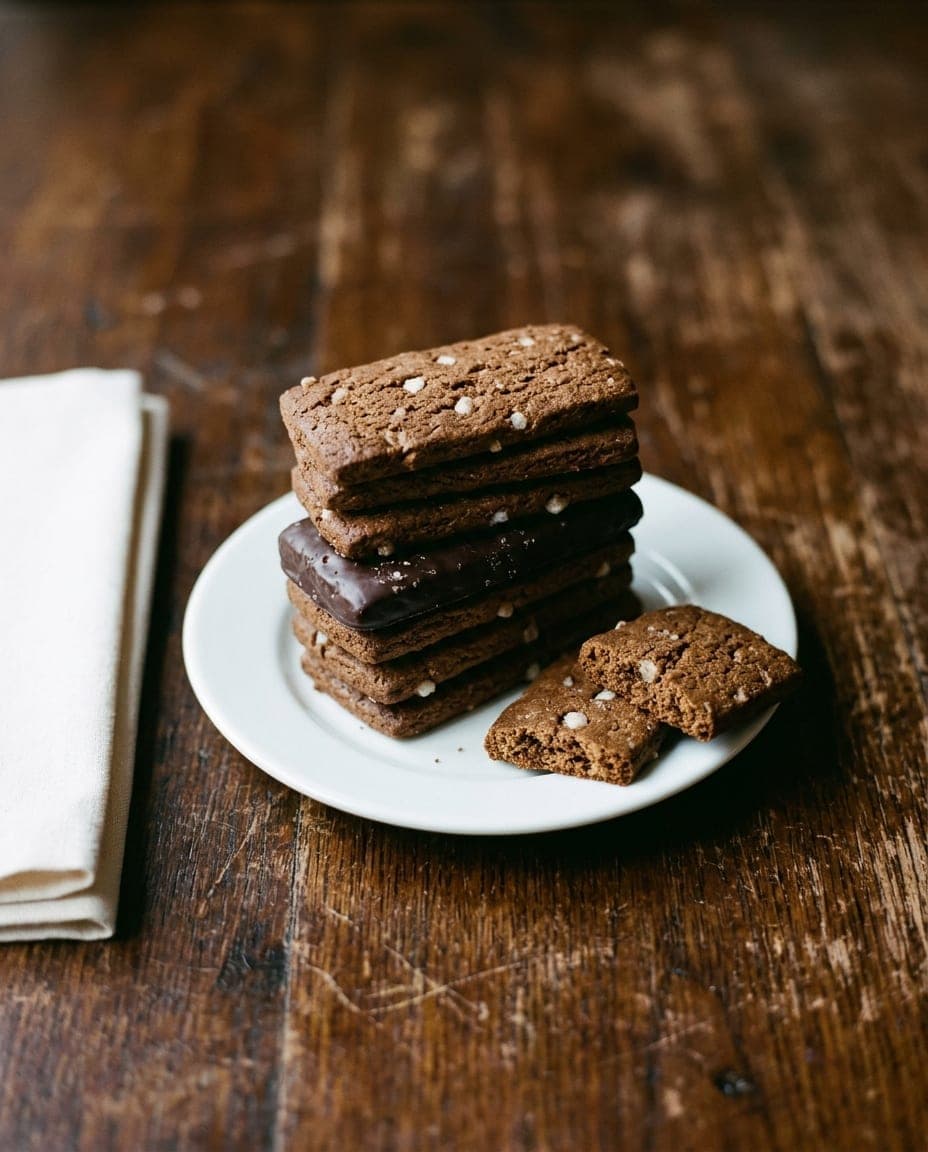
The classic way to enjoy Westfälischer Schinken is with slices of Westphalian pumpernickel and a generous layer of butter. The dark, dense rye bread provides a sturdy base that contrasts with the salty-sweet ham, while the butter softens the texture and balances the saltiness. This combination is not just a snack but a traditional meal that reflects the agricultural history of the region.
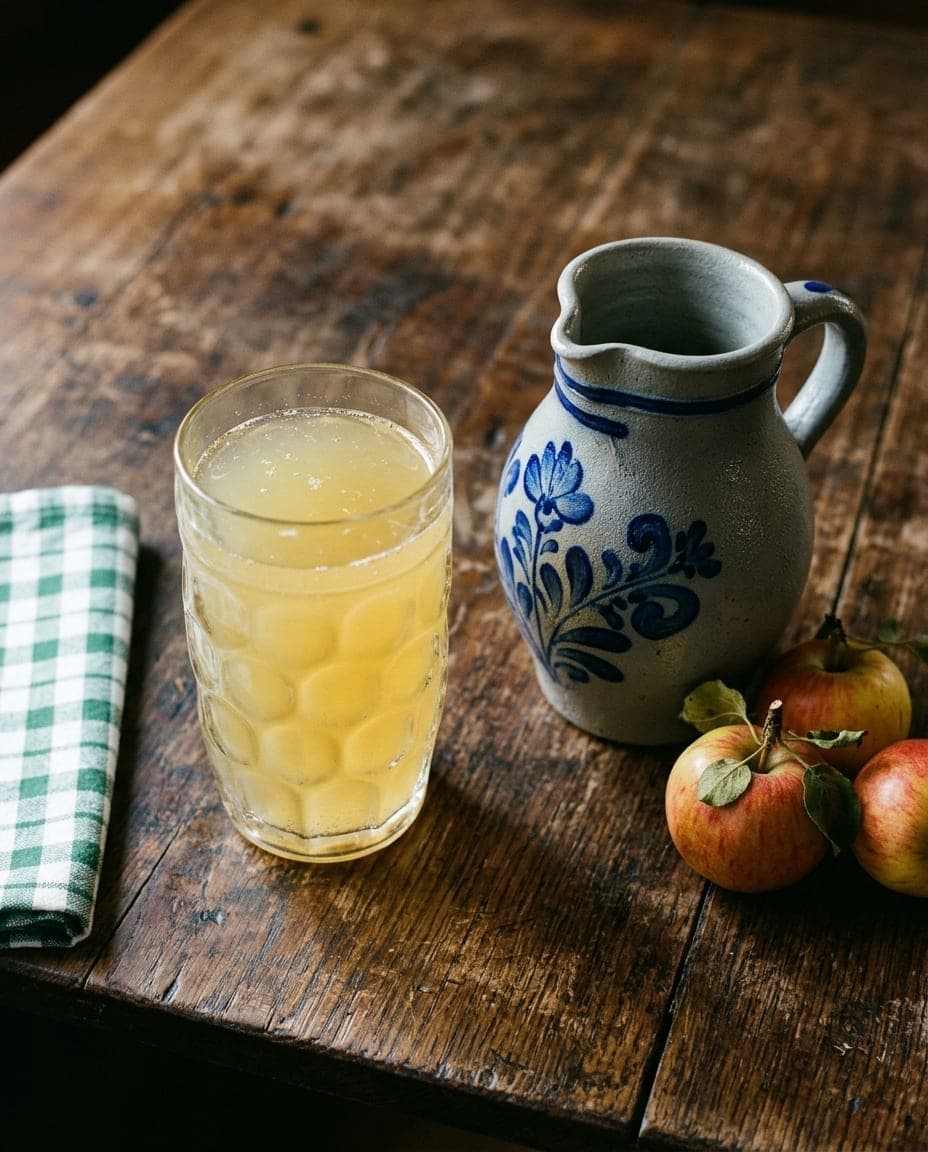
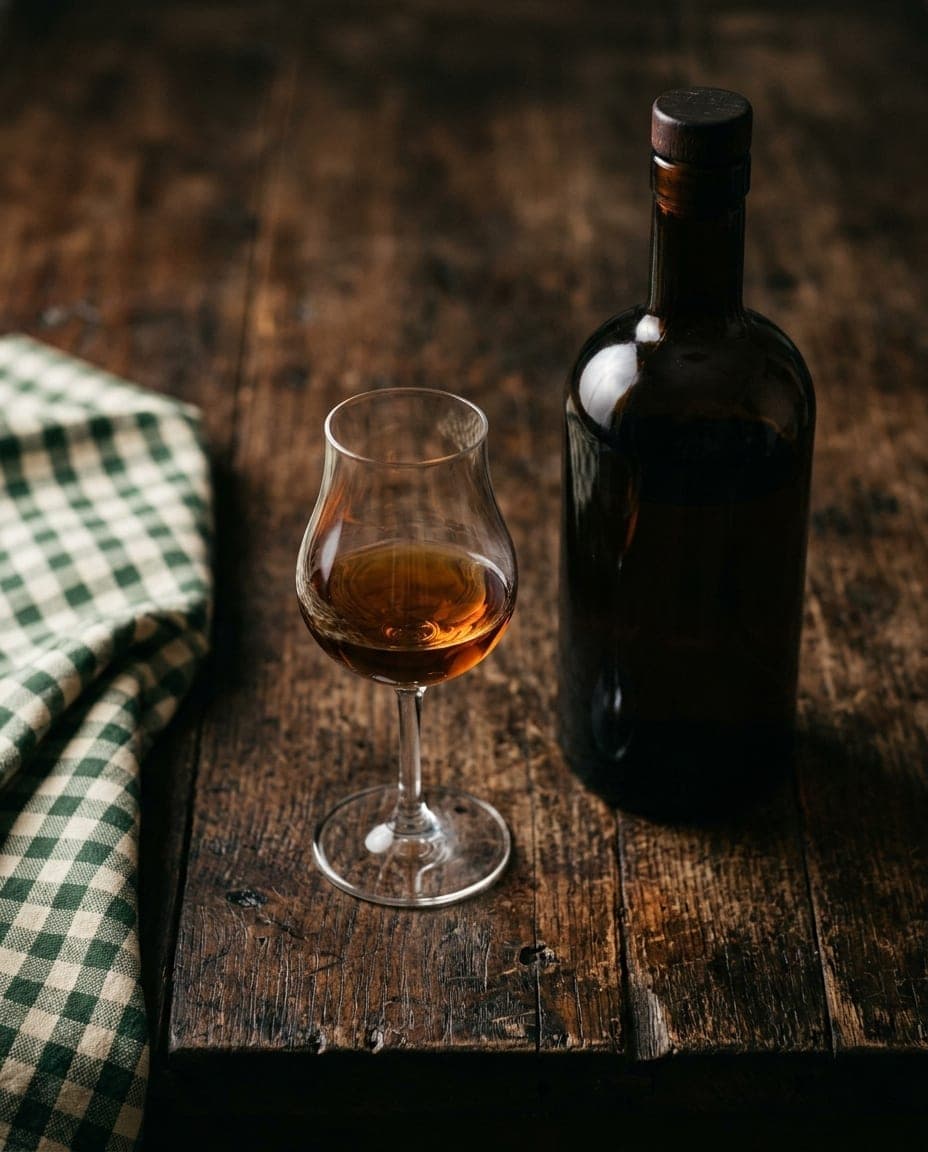
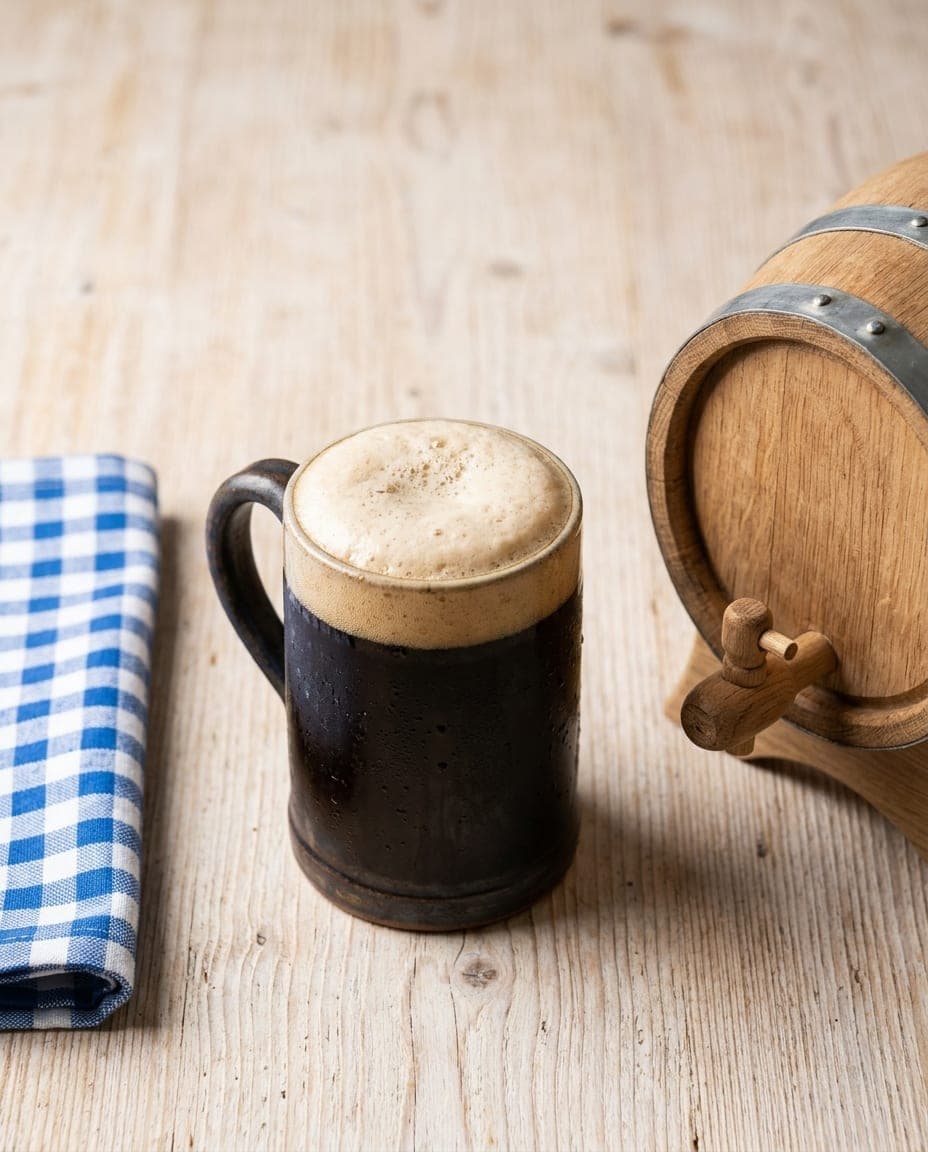
The dish is often served in a Westphalian Gasthof, a traditional inn where the food is prepared according to local customs. The pairing extends to beverages as well; a glass of Westphalian pilsner or a small measure of Korn, a clear spirit made from grain, complements the salty and smoky notes of the ham without overpowering them.
Where it comes from
Westfälischer Schinken is bound up with the geography of Westphalia. The region's oak and beech woods once provided the acorns and beechmast that fed the pigs, and Thomas Jefferson noted the ham and the hogs it came from on his travels through Germany. By the early 20th century it was being exported in significant quantities to the United States.
The ham has been produced in this region for centuries, though the exact origins are difficult to pin down to a single date or person. Since 2013, the bone-in version, Westfälischer Knochenschinken, has been an EU protected geographical indication, meaning only ham made in Westphalia according to the registered method can bear that name.
Curious facts
- Acorn-fed heritage. The pigs were historically fattened on acorns and beechmast, though this practice disappeared with modern animal feed.
- A protected name. Westfälischer Knochenschinken, the bone-in ham, has been a protected geographical indication since 2013.
- Smoke and juniper. The smoking traditionally uses beechwood and juniper branches, giving the ham a resinous note that distinguishes it from unsmoked southern European hams.
- Regional pairing. The ham is traditionally eaten with Westphalian pumpernickel and butter, two local products that share the same geographical origin.
- Inn culture. It remains a staple in Westphalian Gasthöfe, where it is served as a main component of traditional meals rather than a side dish.
Where to try it
The best place to find Westfälischer Schinken is in the heart of Westphalia, from the Münsterland to the Sauerland. Butchers and traditional Gasthöfe across the region serve it with pumpernickel and butter. The experience is not about luxury dining but about tasting a product that has been part of the region's daily life for generations.
Where to try it
2 destinations
 Castles
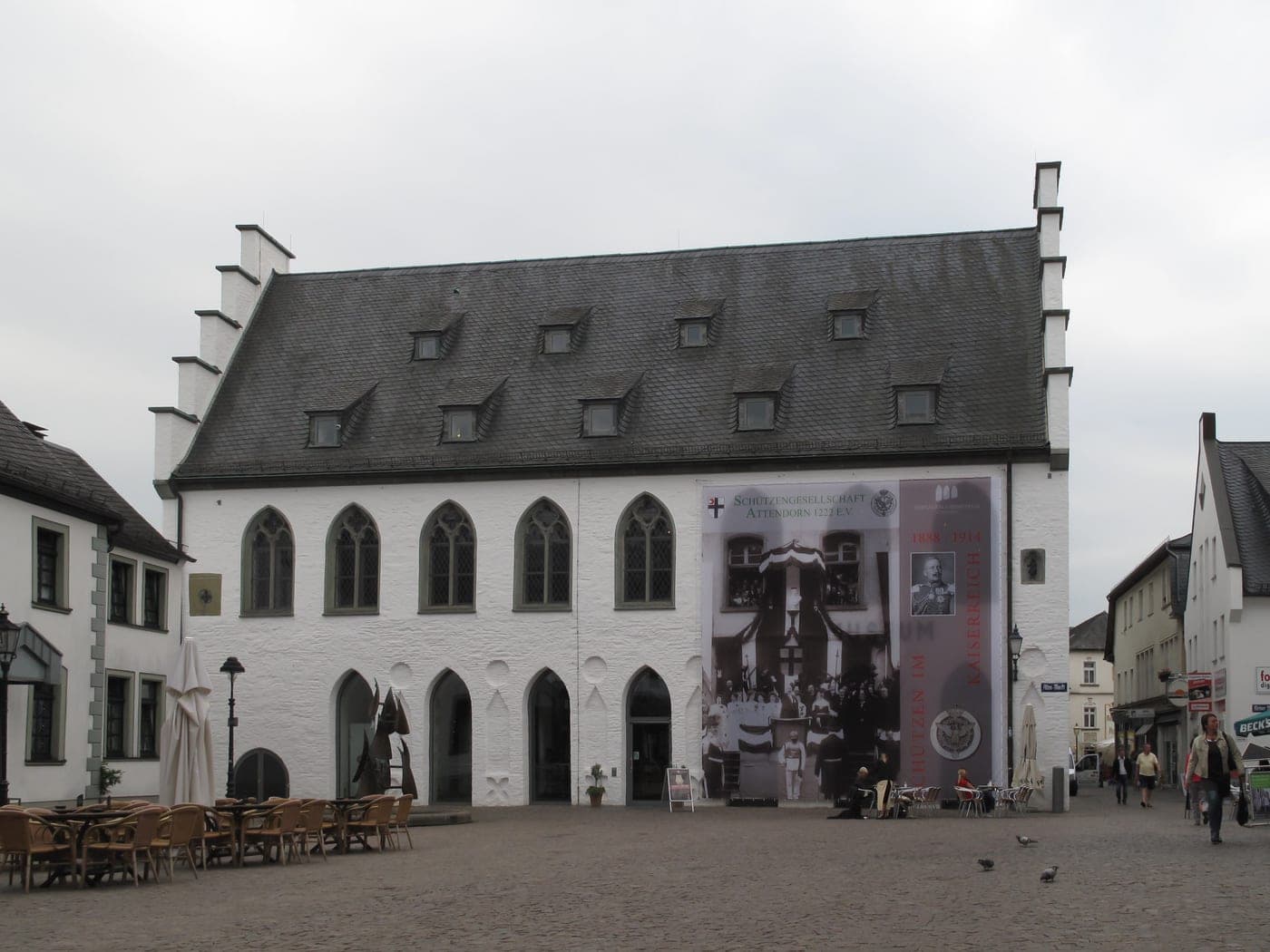
Attendorn
Town known for its limestone caves and historical timber-framed houses.
CastlesHiking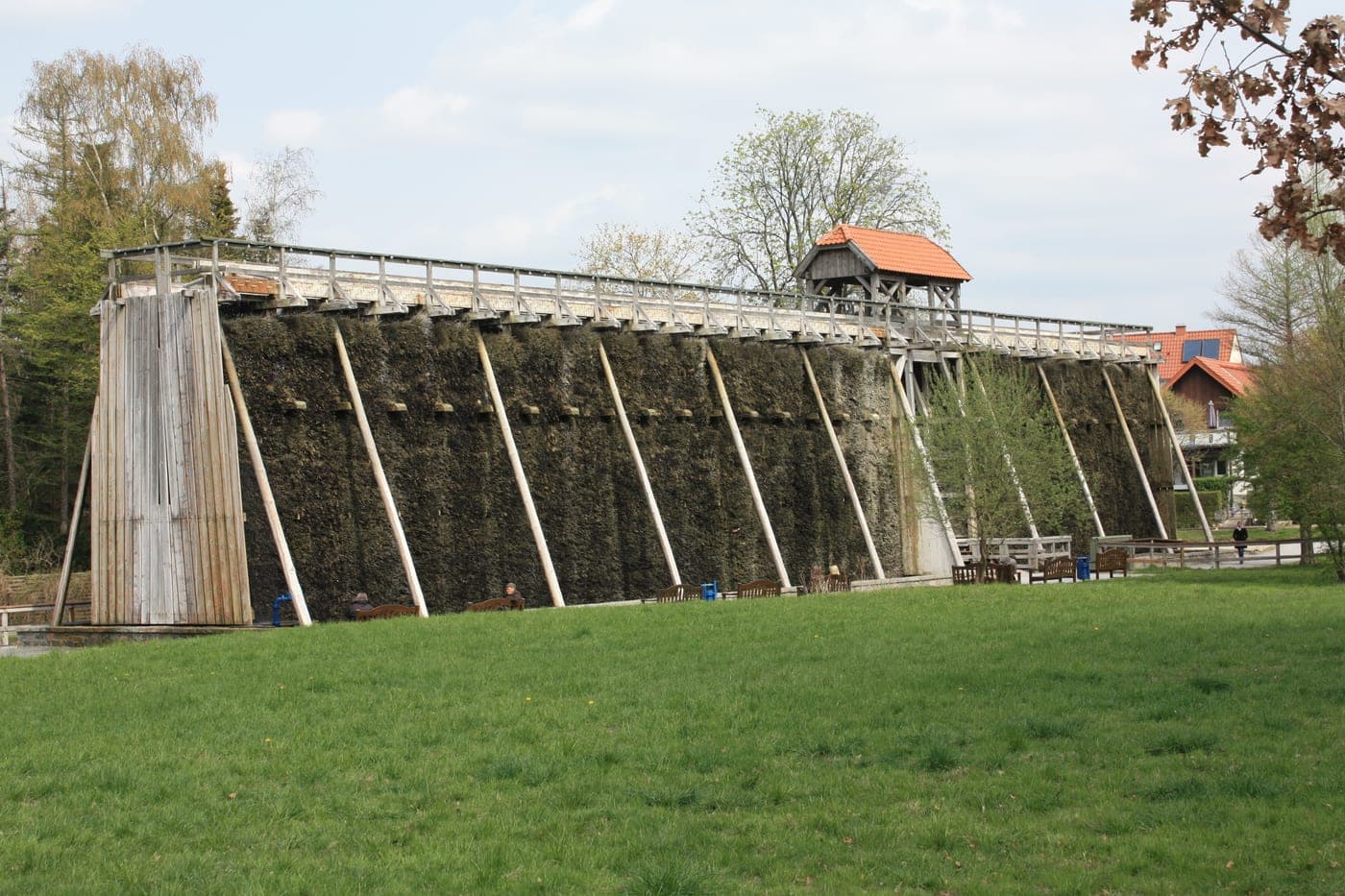 Boat Rentals
Salzkotten
Historic town with half-timbered houses and rich local traditions.
Boat RentalsHiking
1 region
 Cabins15 destinations
North Rhine-Westphalia
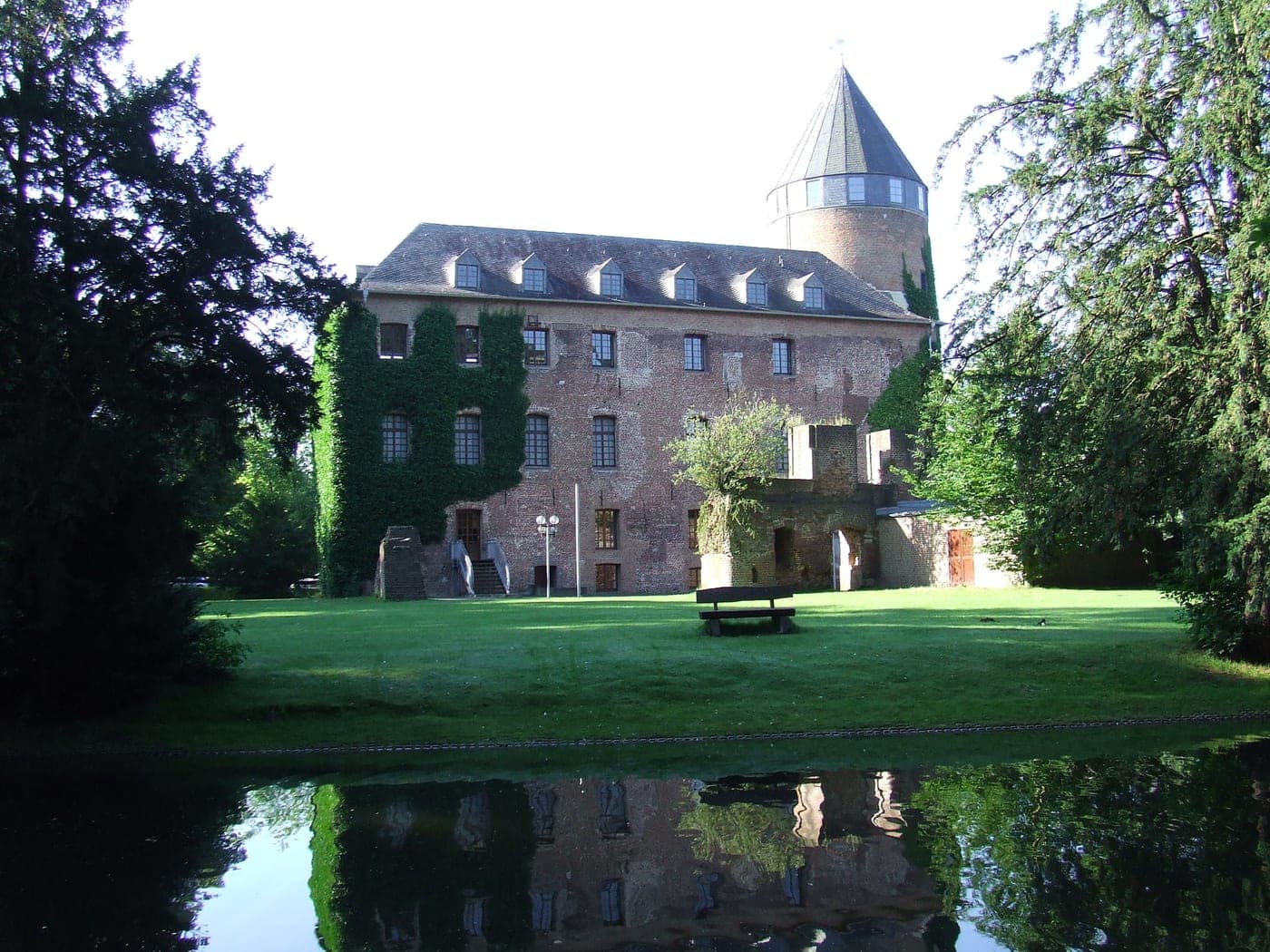
Located in western Germany, this region is the largest in the country and is known for its diverse landscapes, from the scenic Rhine River valleys to the lush hills of the Sauerland. The area is rich in industrial heritage, with cities like Dortmund and Essen showcasing their transformation from heavy industry to cultural hubs. Düsseldorf offers a vibrant arts scene and innovative fashion, while Cologne is famous for its stunning cathedral. The region also boasts picturesque towns such as Monschau, known for its half-timbered houses, and Bad Honnef, a charming spa town. Unique local dishes and breweries enhance the cultural experience, along with numerous hiking trails that connect visitors to its natural beauty.
CabinsHikingCastlesCamper Van Rentals