Weckewerk
North Hessian fried sausage made from slaughter leftovers and stale bread
- Local name
- Weckewerk
- Served with
- Potatoes, gherkins
- Best eaten at
- A North Hessian Gasthaus
- Pairs with
- Pilsner
What it is
Weckewerk is a rustic dish from the north of Hesse, centred on the city of Kassel and its surrounding villages. The name comes from the regional word Weck or Wecke, meaning a bread roll, which forms the bulk of the mixture alongside meat from the autumn or winter slaughter. It is less a fresh sausage than a way to turn leftovers into a hearty meal.
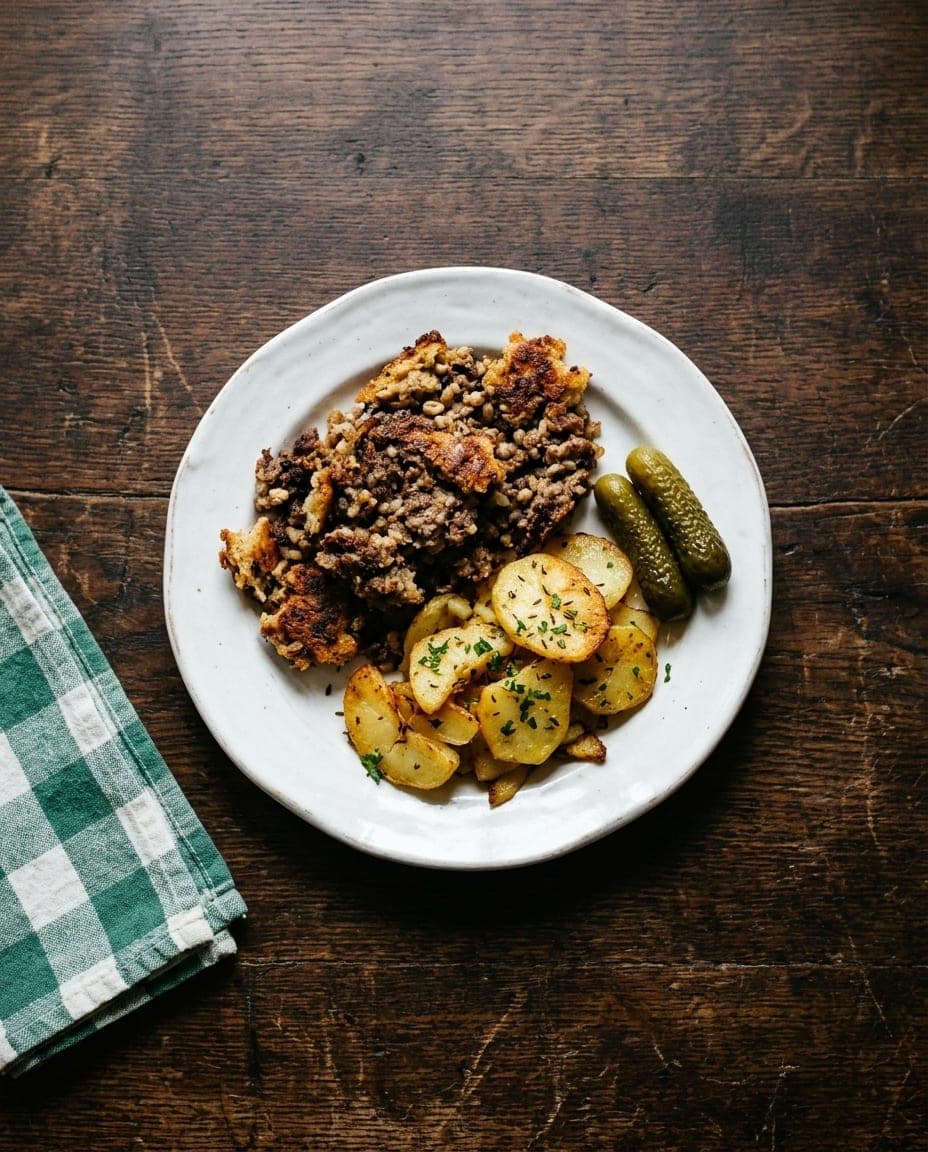
The dish begins with the broth and small pieces of cooked pork left over after making sausages and hams. This is combined with stale bread rolls, onions, salt, pepper and marjoram. The mixture is cooked until it becomes a thick, coarse grey-brown mass, which is often filled into casings or jars. It can be eaten cold, but more often, once it has cooled, the cook cuts it into slices or crumbles it into a pan and fries it until the outside turns crusty and golden.
The result is a savoury, textured dish that feels like a cross between a sausage patty and a fried bread pudding. It is filling and deeply flavoured by the marjoram and the meat stock. In the Kassel region, it is a traditional cold-weather food, rooted in the months when the slaughter season was most active.
The logic of the slaughter
Weckewerk exists because of the rhythm of the German countryside, where every part of an animal was used. In North Hessian villages, the autumn or winter slaughter was a major event. Families made large quantities of sausages along with cured hams. After the best cuts were reserved for fresh eating or curing, there remained a substantial amount of broth, fat and small bits of meat that would not make good sausages on their own.
Rather than waste these remnants, cooks combined them with onions and herbs to create a dense mixture. Stale bread rolls were added to absorb the flavours and provide body. The resulting mass was then fried, creating a dish that was both economical and delicious. This practice of turning leftovers into a new meal is common across rural Germany, but in North Hesse it has a specific name and a fixed place on the menu.
Recipes vary from village to village: some cooks add a little offal, while others stick to meat trimmings and broth. The core principle remains the same: make something substantial from what would otherwise be discarded. It is food made for families and workers who needed a warm, filling meal after long days in the fields or workshops.
How it is eaten
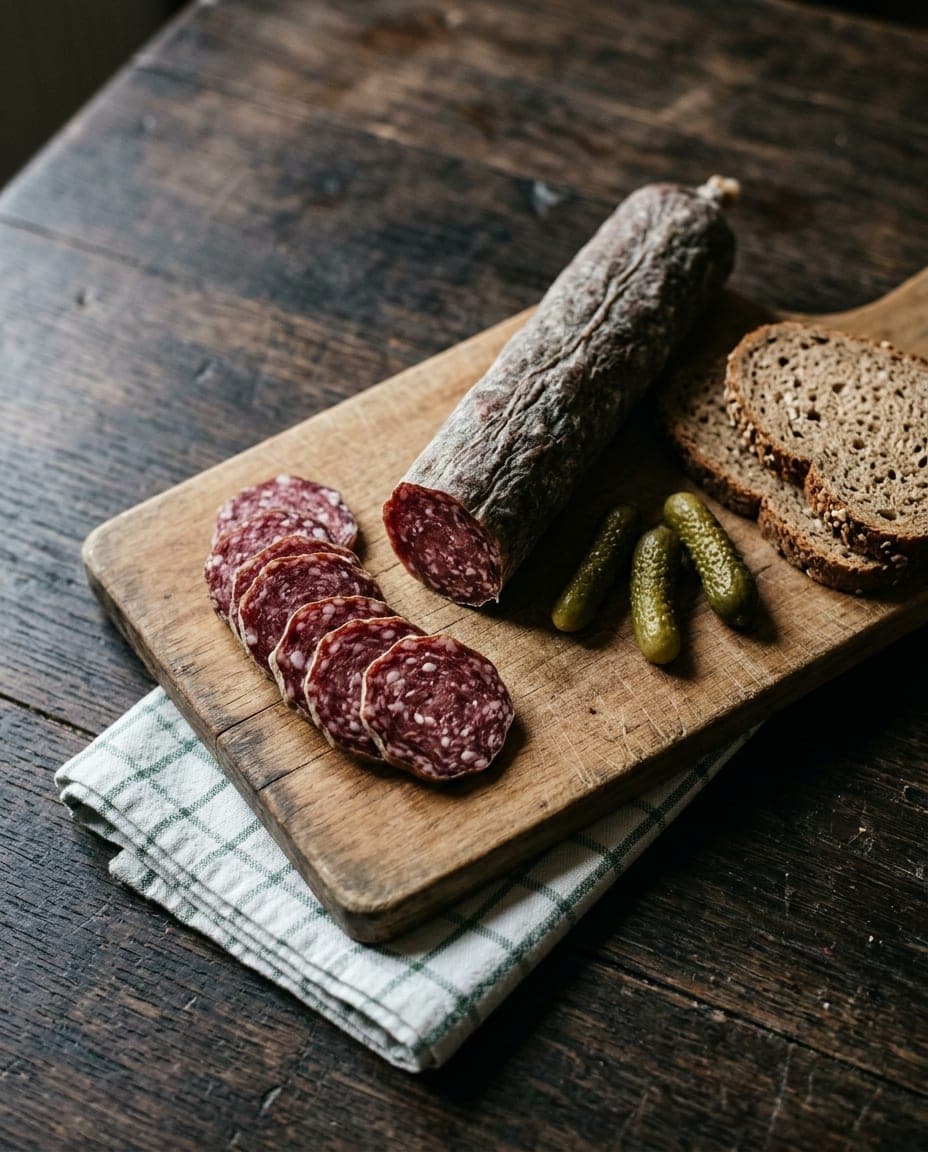
Weckewerk is typically served as a main course at lunch or dinner. In a North Hessian Gasthaus, a traditional inn, it arrives on a large plate alongside potatoes and gherkins, the plain potatoes balancing the crusty outside and soft interior of the Weckewerk.
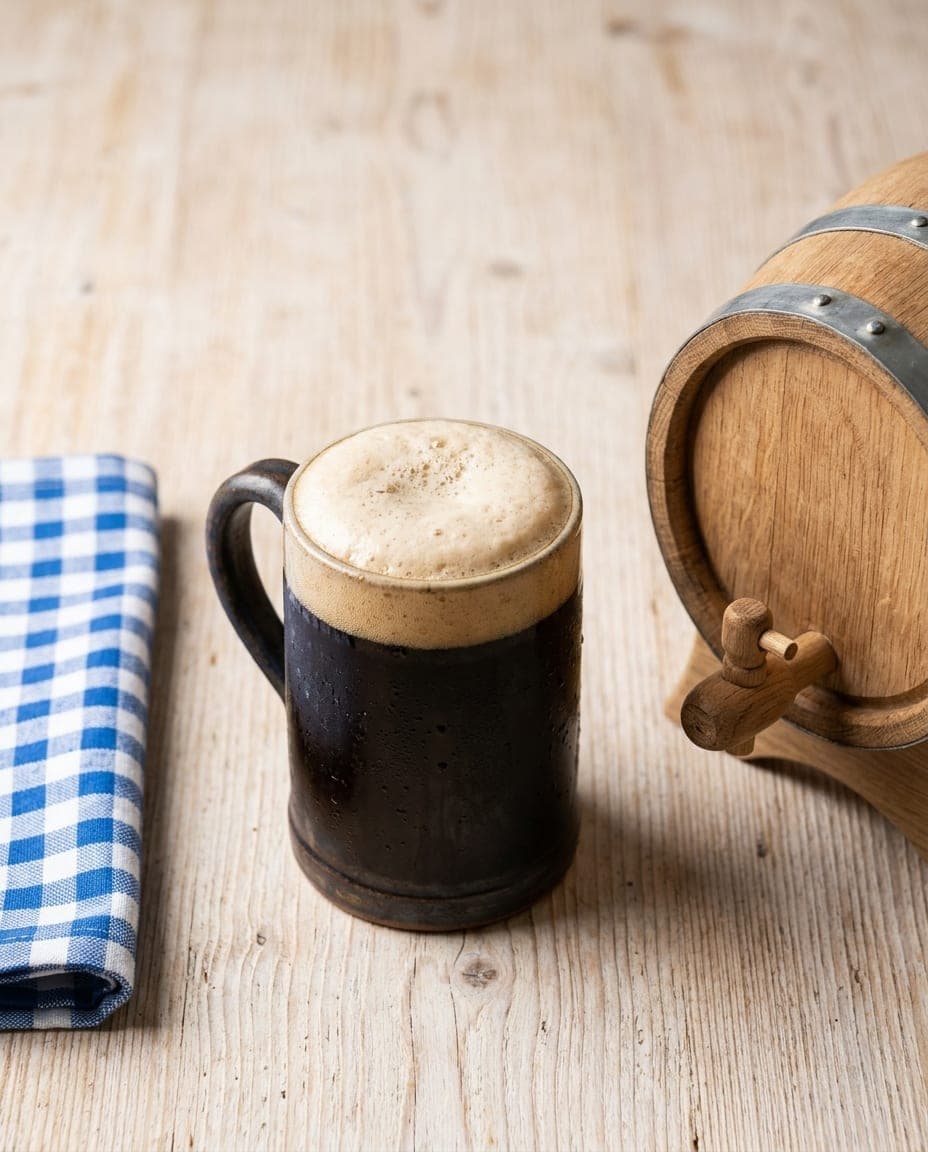
The gherkins offer a sharp, acidic counterpoint to the deeply savoury meat and bread mixture. The dish is hearty enough to stand alone, but it pairs well with a cold Pilsner or a local beer, which cuts through the fat and refreshes the palate.
Weckewerk is rarely found outside North Hesse. It is not a national dish, nor is it widely known in southern Germany or in cities such as Berlin and Munich. Those who want to try it need to head for a traditional Gasthaus or butcher's shop in North Hesse, where the kitchen still follows the old ways.
Curious facts
- A name from bread. The word Weckewerk begins with Wecke, the regional word for a bread roll, which is the dish's defining ingredient.
- A cold-weather tradition. While available year-round in some places, the dish is most closely tied to the autumn and winter slaughter seasons when the raw materials were fresh.
- No single recipe. Every village and every cook has their own version; the proportions of bread to meat vary from house to house.
- Regional loyalty. The dish is a point of pride for North Hessian locals and is rarely found in restaurants outside the region.
- Economic origins. It was born from the need to use every part of the animal, turning broth and scraps into a meal that could feed a family.
Where to try it
Weckewerk is at home in North Hesse, especially the Kassel region. Traditional Gasthäuser in villages around Kassel are the most reliable places to find it, and local butchers sell it ready to fry. A plate of Weckewerk with potatoes and gherkins is a simple, honest meal that tells the story of the region's food history.
Where to try it
1 destination
 Camper Van Rentals
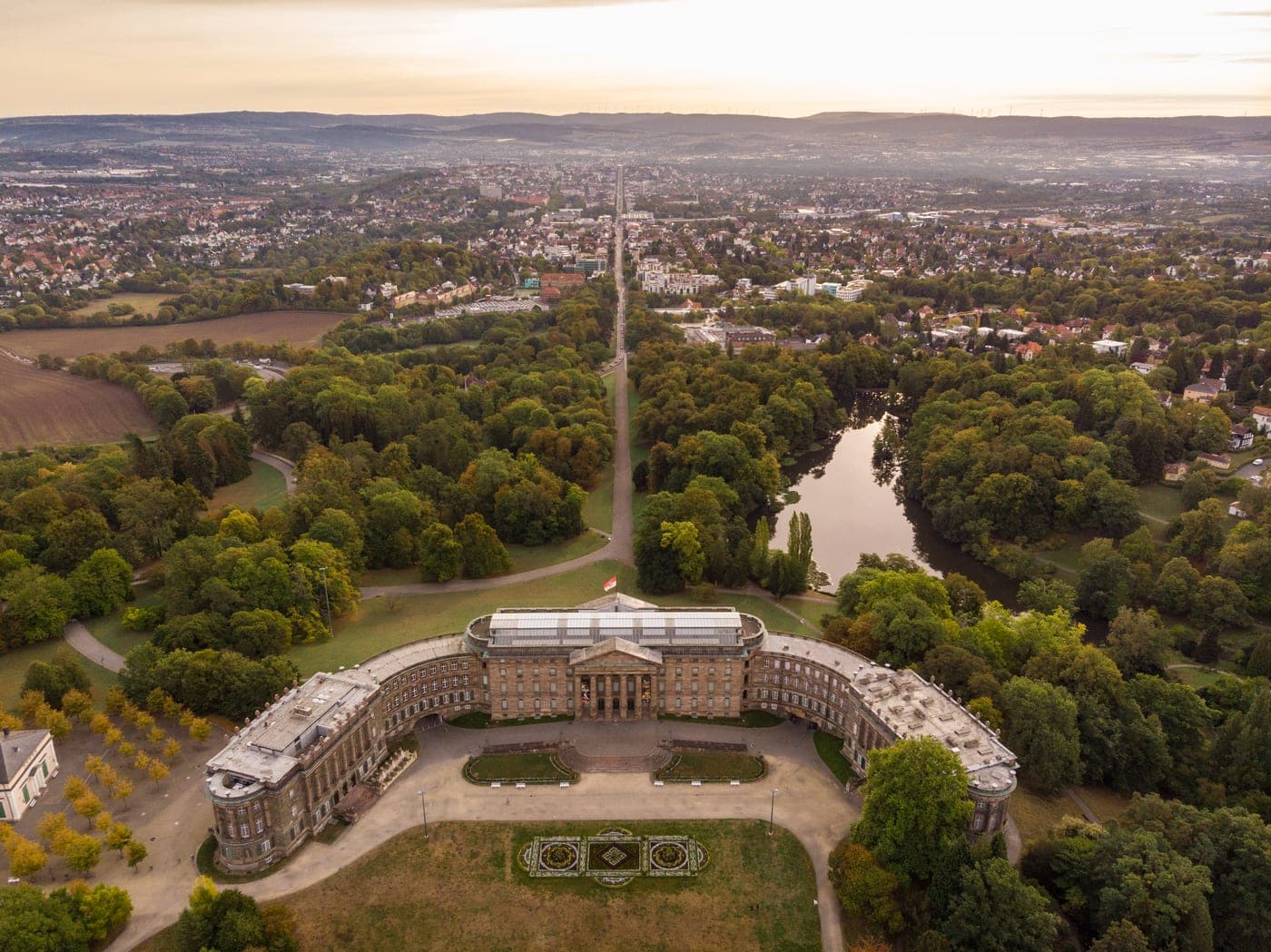
Kassel
Central German city famous for documenta art exhibition
Camper Van RentalsHiking