Teltower Rübchen
Teltower Rübchen: Glazed turnips from Brandenburg's sandy soil
- Vegetarian
- Local name
- Teltower Rübchen
- Served with
- Roast duck, game
What it is
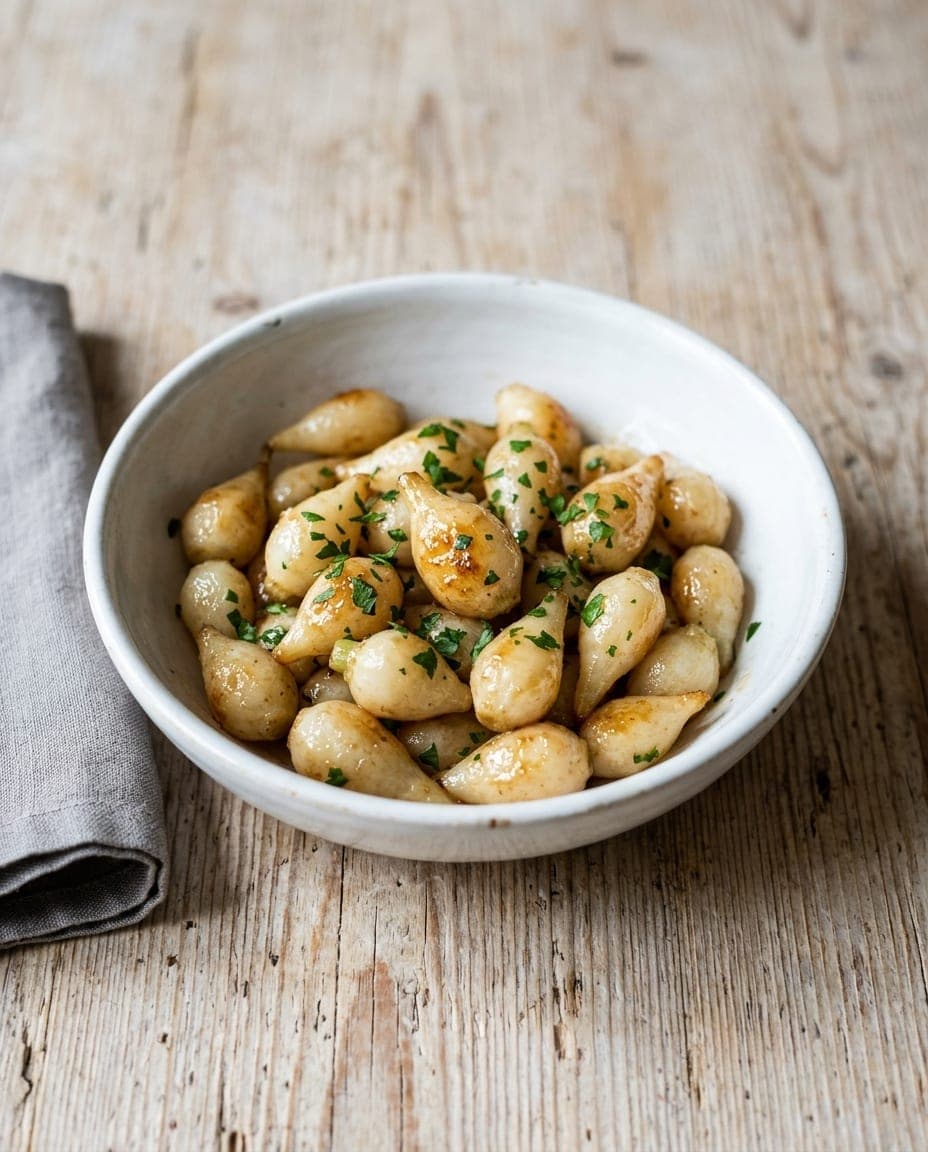
Teltower Rübchen are small, slender turnips grown on the sandy soil around Teltow, a town just south-west of Berlin. They are not the large, pale roots found in supermarkets; these turnips are modest in size, around five centimetres long and two to three centimetres thick, with a skin that ranges from grey-white to beige. The name translates simply as "Teltow turnips", but the quality comes from the ground itself. The lean, sandy soil of the Teltow plateau keeps the roots small and gives them a piquant, slightly sharp flavour that larger varieties cannot match. Growers say that on rich, fertile soil they lose much of their character.
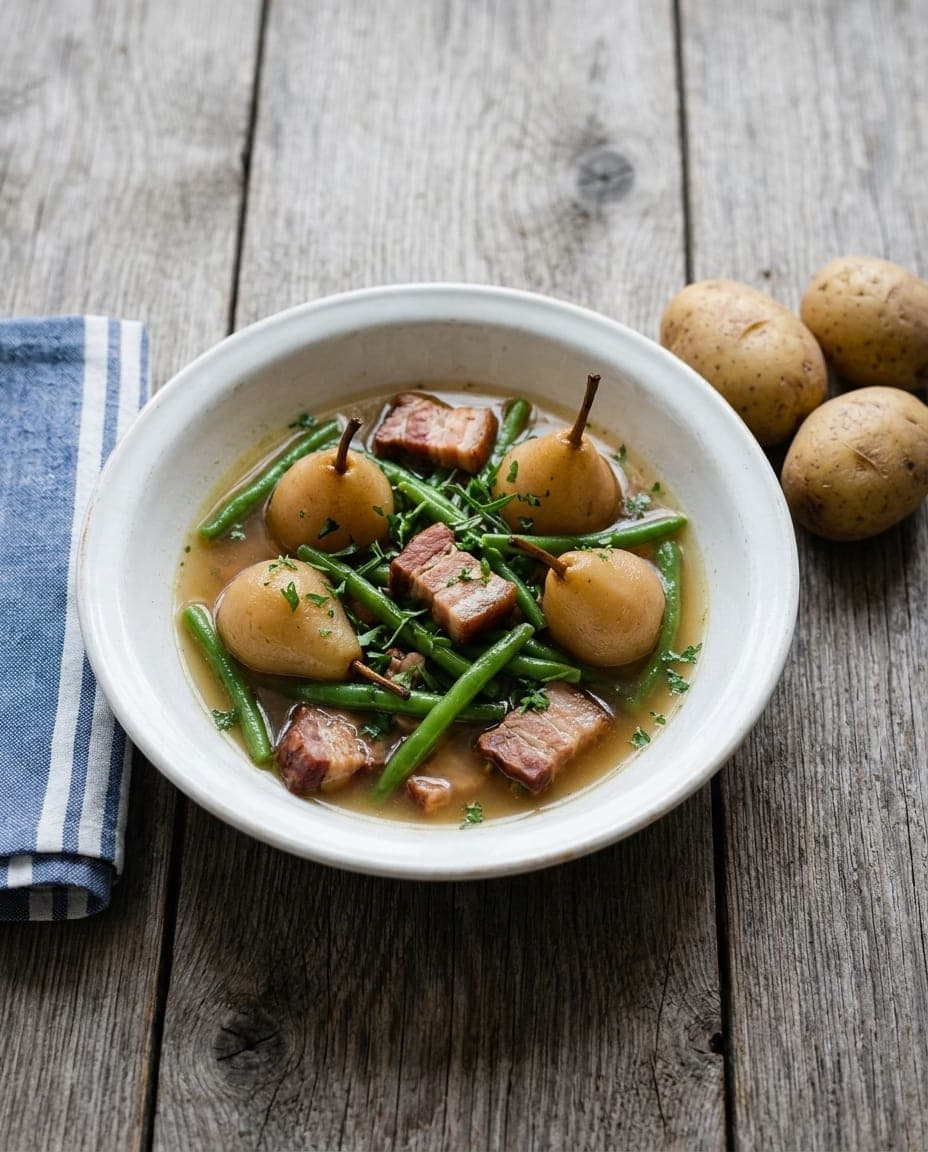
They are an autumn vegetable, sown in late summer on fields that have already given one harvest and lifted from October to December. They can be eaten raw in salads or added to soups, but the classic preparation is a glaze: the turnips are peeled, then browned gently in butter and sugar until coated in a glossy finish. Served this way, they are a substantial accompaniment to rich meats. Traditionally, they appear on plates alongside roast duck, goose or game, where their sharp, sweet notes cut through the fat of the meat.
The history of a celebrated root
Teltower Rübchen have been cultivated around Teltow and its neighbouring villages since at least the early 18th century. Their reputation soon spread well beyond Brandenburg: the French court was supplied with them, and Napoleon is said to have admired the "navets de Teltow". Johann Wolfgang von Goethe, and reportedly Immanuel Kant, had them sent by express delivery, and Theodor Fontane counted among their admirers. This connection to courts and to the literary world of the time cemented their reputation as a regional treasure.
Despite their long history, the variety nearly disappeared in the 20th century. In the GDR years, when quantity mattered more than quality, the small, labour-intensive and low-yielding turnip was judged unprofitable and vanished from the market. For years it was considered lost, kept alive only by a few hobby gardeners. After reunification, a support association founded in 1998 revived cultivation from small seed stocks, and today the turnips are grown again in limited amounts by a handful of farms.
How they are grown and eaten
The turnips rely on the local geography to achieve their status. The sandy, low-nutrient soil around Teltow forces the roots to remain small, and this constraint is part of what concentrates their flavour. Sowing takes place mainly from late August, and the harvest follows in autumn.
When they reach the kitchen, the preparation is straightforward but requires care. For the glazed version, the turnips are peeled to remove the outer skin, then cooked slowly in a pan with butter and sugar. Rather than simply boiling them, the goal is to brown them gently until they develop a golden glaze. This method concentrates their flavour rather than diluting it.
The dish is served as a side for roast duck, goose or game. The sharp, sweet turnips balance the fat of the meat, creating a harmony that has defined the region's autumn table for generations. In this form they are rarely eaten alone but as part of a larger meal where they play a supporting yet vital role.
Curious facts
- Soil makes the difference. The lean, sandy ground of the Teltow area is what keeps the roots small and sharp in flavour.
- Admirers abroad. The French court was supplied with them, and Napoleon is said to have been a fan of the "navets de Teltow".
- Goethe's connection. The writer Johann Wolfgang von Goethe had them sent to him by express delivery.
- Near extinction. The variety all but disappeared from the market in GDR times before being revived from small seed stocks after reunification.
- Protected name. "Teltower Rübchen" has been protected as a trade mark since 1993, and a support association oversees production.
Where to try it
The best place to find Teltower Rübchen is in Brandenburg itself, particularly in restaurants near Teltow and Berlin that focus on local produce. They appear on menus at traditional country houses, Gasthäuser and establishments that specialise in regional cuisine during the autumn months. They are not a year-round item but appear only when the harvest is fresh.
A plate of roast duck with these glazed turnips is a classic combination that showcases the dish at its best. The turnips are often served in their own glaze, sometimes accompanied by a small portion of potato, but the focus remains on the sharp, sweet contrast they provide to the meat.
Where to try it
1 region
 Boat Rentals10 destinations
Brandenburg
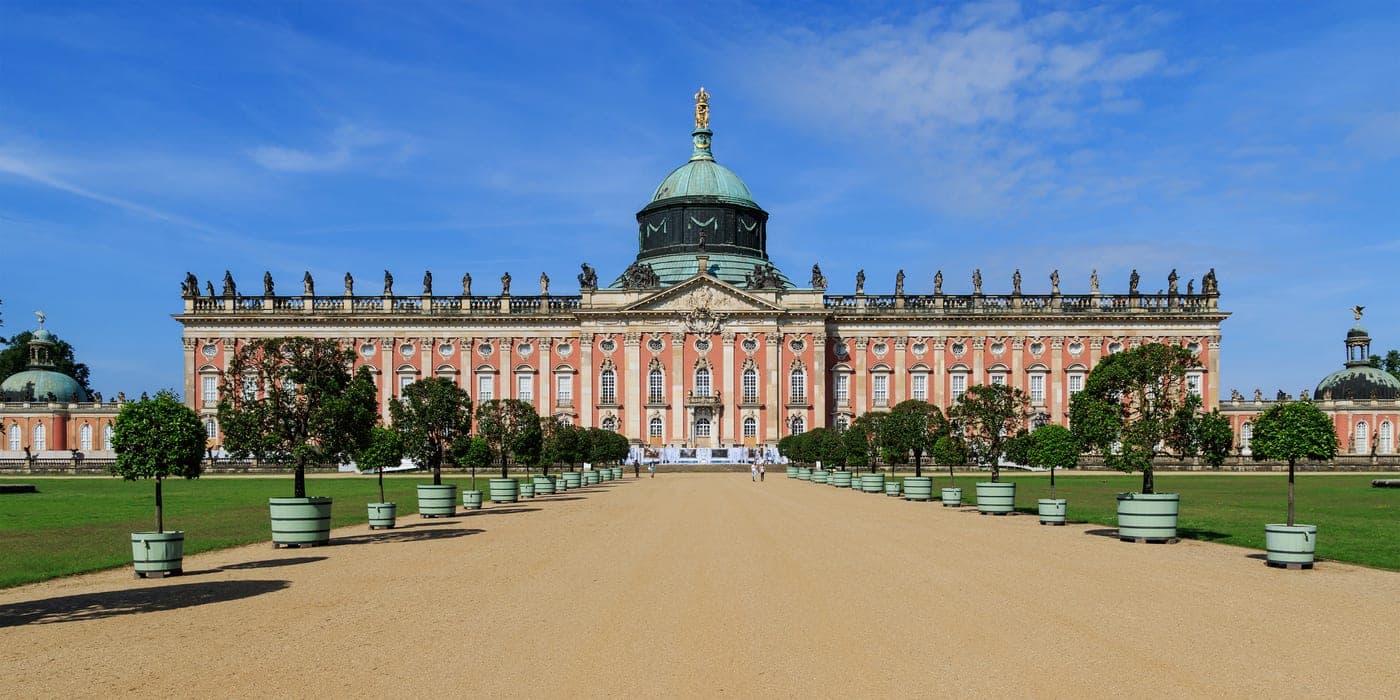
Brandenburg is the largest of Germany's states, and also one of the quietest. It wraps around Berlin on every side, yet it feels like a different country: flat, green, and threaded with water. Lakes, rivers, and canals cover so much of the land that boat and paddle are as normal here as a footpath. This is a place built for slow travel, not because it lacks things to see, but because its landscape rewards patience over speed. The heart of any visit is Potsdam, once the residence of Prussian kings. Its palace parks are enormous, and walking through them takes hours, not minutes. Sanssouci, with its terraced vineyard steps and gilded rooms, is the centerpiece, but the wider park system links smaller palaces, follies, and lakeside paths that most visitors never reach. Spend a full day here and you will still leave things unseen. This is the pace Brandenburg rewards: fewer stops, longer looks. South-east of Potsdam lies the Spreewald, a biosphere reserve where the river Spree splits into hundreds of small channels through wet forest and meadow. Villages here are built along the water rather than roads, and the traditional way to move between them is by flat wooden boat, poled slowly through the canals. Locals still grow the region's famous gherkins in these damp fields, and small family-run inns serve them pickled, alongside regional specialities like Brandenburg mustard. Canoeing the quieter channels away from the main tourist routes gives a clearer sense of how the Spreewald actually works, as a living farmed wetland, not a theme park. Elsewhere, Brandenburg is a state of lakes. The Havel river widens repeatedly into lake-like stretches around Potsdam and further north, and the Uckermark region, close to the Polish border, is scattered with hundreds of small lakes surrounded by beech forest and rolling farmland. This is some of the least crowded countryside in Germany, good for slow cycling on flat, well-marked paths that link village to village rather than city to city. A week here can mean long mornings on the water and short, easy rides between overnight stops, with time left over to simply sit. History sits close to the surface throughout the region. Brandenburg an der Havel, the medieval town that gave the state its name, has a cathedral and old town core that predate Berlin itself. Smaller towns across the state carry church spires, town gates, and market squares largely untouched by mass tourism, since most visitors head straight for Potsdam or Berlin and skip the rest. That gap is Brandenburg's advantage for slow travellers: towns like Rheinsberg, with its lakeside palace, or Werder an der Havel, known for its orchards and spring fruit blossom, feel lived-in rather than staged. For a first visit, three to four days is enough to get a real sense of the region: a day in Potsdam's parks, a day or two in the Spreewald for canals and canoeing, and a day exploring one lake town at an easier pace. A longer stay, a week or more, allows time to properly cycle between villages in the Uckermark or follow the Havel further north, where the crowds thin out almost completely. Brandenburg's food reflects its landscape: freshwater fish from the lakes, Spreewald gherkins, dark rye bread, and small regional breweries that rarely export beyond the state. None of it is showy. It is the kind of place that gives more the slower you move through it, better suited to a canoe paddle or a bicycle than a schedule of sights ticked off quickly. For anyone planning a Brandenburg itinerary built around towns and landscape rather than a single city, this is where to start.
Boat RentalsHikingCabins