Spundekäs
Mainz's paprika-spiced cheese mound served with pretzels
- Vegetarian
- Local name
- Spundekäs
- Served with
- Pretzels
- Best eaten at
- A Mainz wine tavern
- Pairs with
- Rheinhessen Riesling
What it is
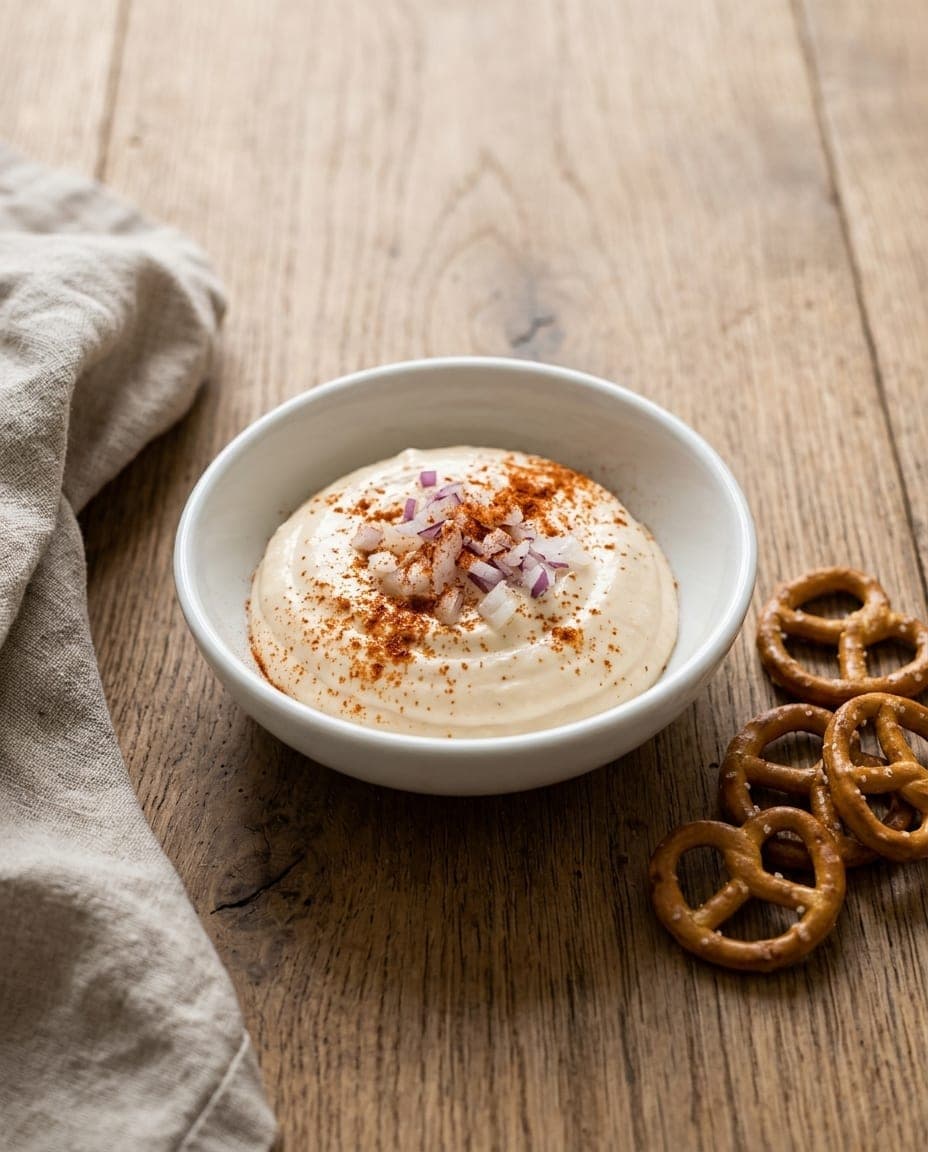
Spundekäs is a creamy, pale-orange cheese spread that belongs to the city of Mainz and the surrounding Rheinhessen region of Rhineland-Palatinate. It is not a hard cheese meant for slicing or grating, but a soft, whipped mixture designed to be scooped up with bread or pretzels. The texture is light and smooth, achieved by beating fresh quark and cream cheese together, then seasoning them with sweet paprika, salt, pepper and finely chopped onion.
The dish takes its name from the Spund, the wooden bung used to seal a wine barrel, while Käs is the local dialect word for cheese. When served traditionally, the mixture is piled up on a plate in a cone shape that resembles a bung. This visual link is no accident; Spundekäs is tied to the wine culture of Rheinhessen, where it is a staple of the local wine taverns.
A wine-country snack
The origins of Spundekäs are rooted in the wine country rather than a single documented invention. Mainz, towns in the Palatinate and the Rheingau all claim it, though the most widely repeated account credits an early 20th-century Mainz landlady with the original recipe. Its predecessor is thought to be Siebkäse, a simple strained curd cheese seasoned with salt and caraway, eaten with bread, onions and wine as humble everyday food.
Rheinhessen's climate favoured vines over dairy farming, so cheese-making stayed small in scale, and a fresh cheese blend made an ideal companion for the region's wines: easy to prepare in batches and a savoury contrast to the crisp acidity of Riesling or Silvaner. Spundekäs became especially popular in the seasonal Straußwirtschaften (pop-up wine taverns run by winegrowers) in the 1970s and 1980s, and today it is sold ready-made in supermarkets across the region. It has no protected status, so recipes vary. While Bavaria has its own famous cheese spread, Obatzda, which is based on ripened soft cheese such as Camembert, Spundekäs stays true to the fresh, unaged character of quark and cream cheese.
What goes into it
The composition of Spundekäs is straightforward, relying on the quality of a few key ingredients rather than complex techniques. The base consists of fresh quark and cream cheese, beaten together until the mixture is smooth and light. Sweet paprika provides the characteristic orange hue and a mild warmth, while salt and black pepper season the blend.
Finely chopped raw onion is essential to the dish, adding a sharp bite that cuts the richness of the cheese. Some variations include garlic, sour cream, butter or a pinch of cayenne, and there is little agreement on the one "true" recipe, but the core profile remains defined by the paprika, the onion and the fresh dairy. The result is a cool, creamy spread served with fresh pretzels.
How it is eaten
Spundekäs is at its best in the relaxed atmosphere of a Weinstube or Straußwirtschaft, the wine taverns found throughout Mainz and Rheinhessen. It is typically ordered as a starter or snack to accompany a few glasses of wine.
The traditional accompaniment is the Brezel, the soft German pretzel, or small lye rolls. Diners tear off pieces of pretzel and scoop up generous amounts of Spundekäs. The combination is simple but effective: the salty, chewy bread balances the creamy, paprika-spiced cheese.
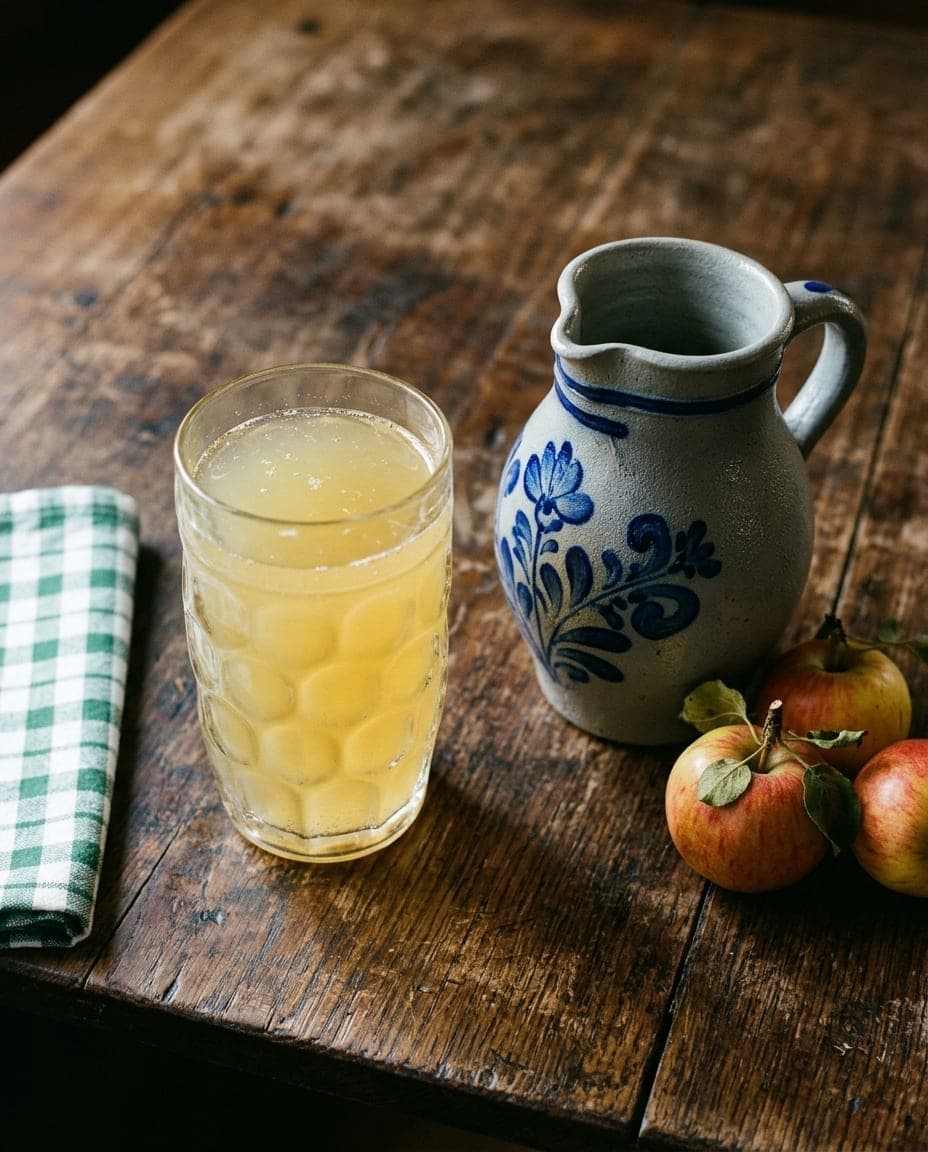
A glass of Rheinhessen Riesling or Silvaner is the customary drink with this dish. The crisp acidity and fruit of these white wines refresh the palate between mouthfuls of the rich cheese spread. It is a snack made for slow sipping and conversation, typically enjoyed in the late afternoon or evening.
Curious facts
- The shape tells the story. The name refers to the wooden bung of a wine barrel, which the cone of cheese is meant to resemble on the plate.
- A regional boundary. While similar cheese spreads exist elsewhere in Germany, Spundekäs is distinctly a product of Mainz and Rheinhessen, not a nationwide dish.
- Freshness over age. Unlike Bavarian Obatzda, which relies on ripened cheese, Spundekäs uses fresh quark and cream cheese for its light texture.
- The onion factor. The raw, finely chopped onion is a defining element, providing a sharp contrast to the mild dairy base.
Where to try it
1 destination
 Camper Van Rentals
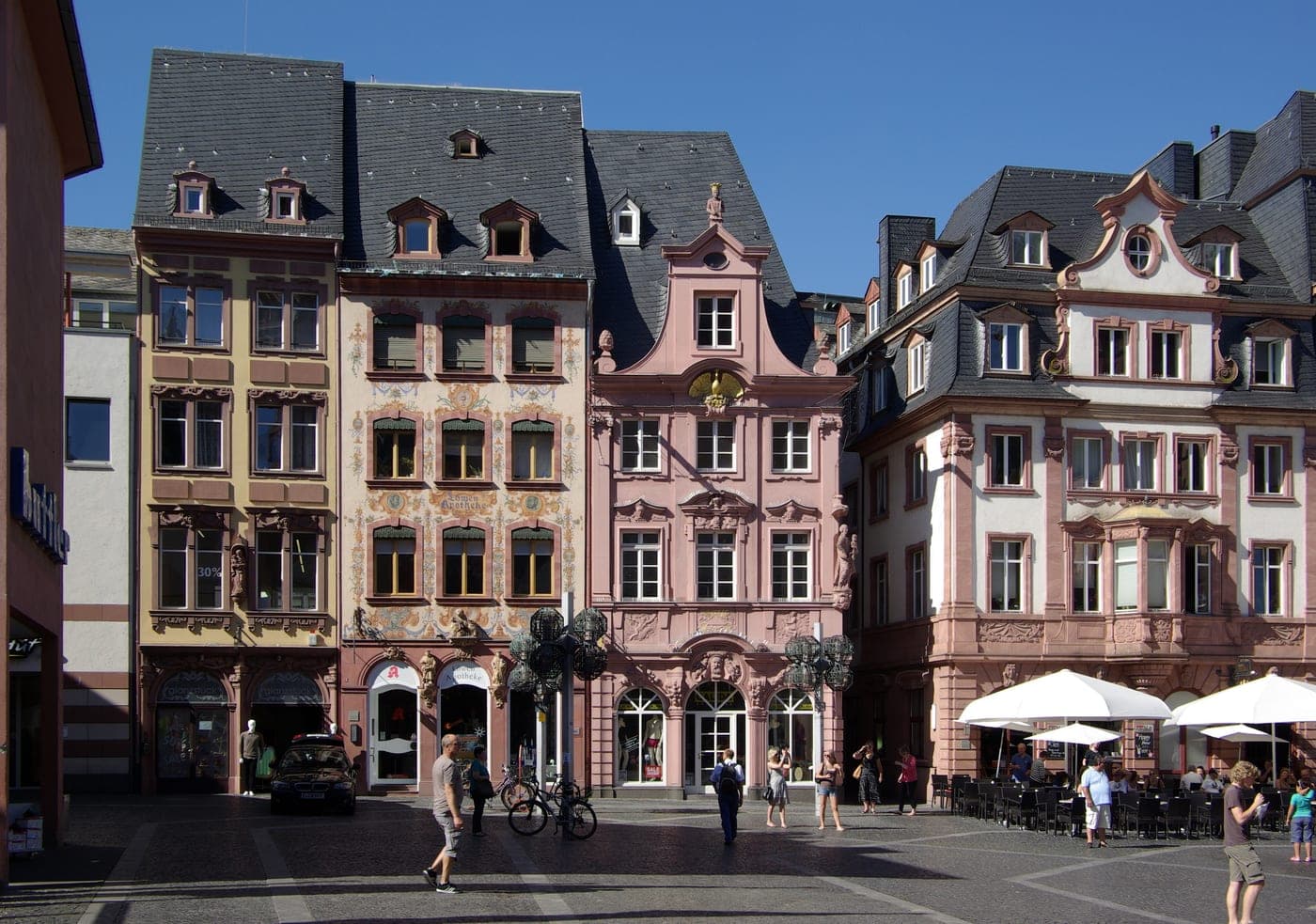
Mainz
Historic Rhine city, Gutenberg's birthplace
Camper Van RentalsWine TastingHiking
1 region
 Cabins10 destinations
Rhineland-Palatinate
Rhineland-Palatinate is Germany's largest wine-producing region, renowned for its diverse vineyards and picturesque landscapes along the Rhine and Moselle rivers. The region features historic cities like Mainz, famous for its Gutenberg Museum, and Trier, home to well-preserved Roman ruins, including the Porta Nigra. Koblenz marks the confluence of the Rhine and Moselle and is known for its Ehrenbreitstein Fortress. The region is also celebrated for its rich culinary traditions, including hearty dishes and fine Riesling wines. Unique villages such as Cochem and Rüdesheim invite exploration of local culture and festivals, offering a glimpse into traditional German life amidst stunning natural beauty.
CabinsHikingCastlesCamper Van Rentals