Rote Grütze
A north German red berry pudding served with vanilla sauce or cream
- Vegetarian
- Local name
- Rote Grütze
- Served with
- Vanilla sauce, cream or milk
- Best eaten at
- A north German café or restaurant in summer
What it is
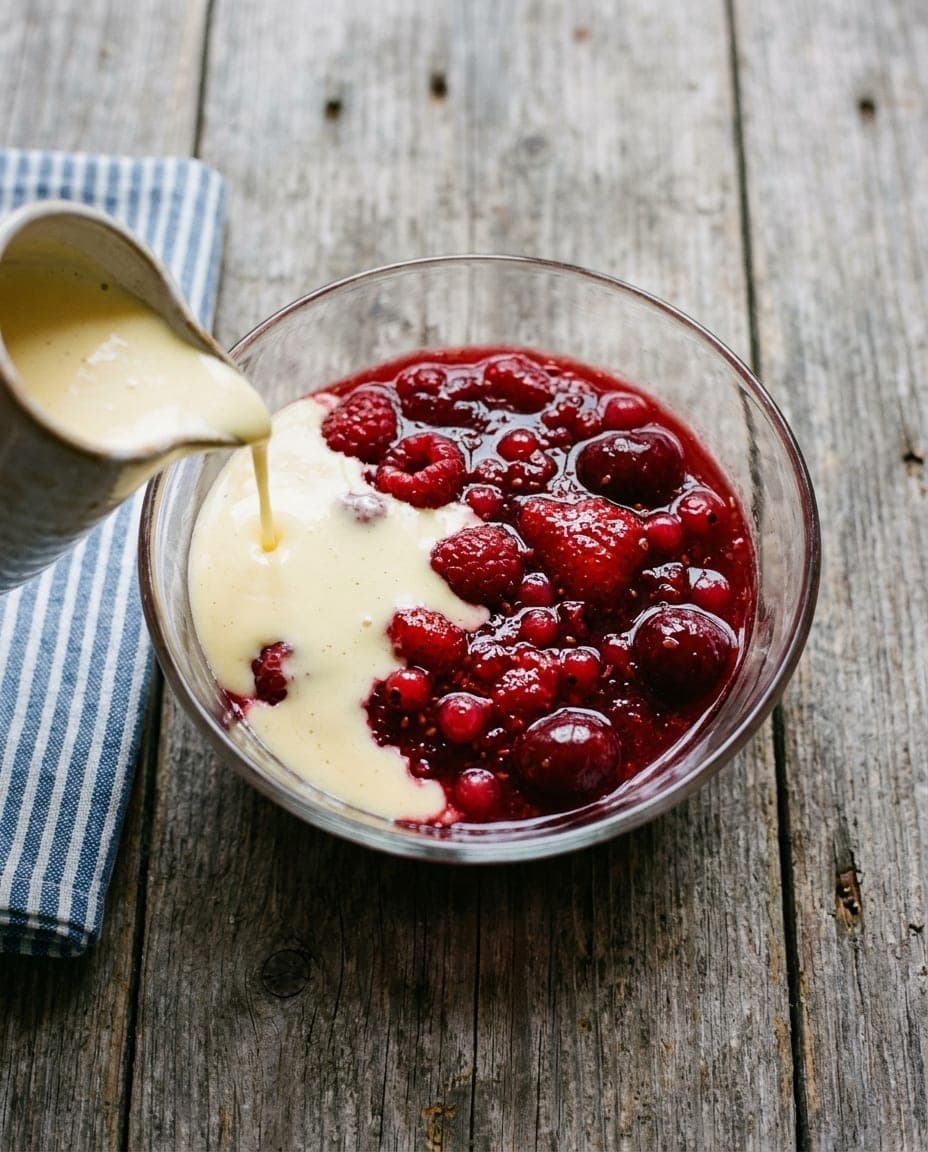
Rote Grütze, a term that translates literally as "red groats", is the classic dessert of northern Germany. It is not a jelly, nor is it a cake. The dish is a deep red berry pudding, set only lightly so that it retains the texture of cooked fruit rather than becoming a solid block. Redcurrants, raspberries, blackcurrants, cherries and strawberries are the usual cast of characters, cooked briefly with sugar and fruit juice until they release their juices. A thickener, today usually potato starch or cornflour and in some family recipes semolina or sago, gives the mixture just enough body to hold together in the bowl.
The defining feature of Rote Grütze is how it is served. It usually arrives at the table cold, in a shallow dish, accompanied by a generous pour of vanilla sauce, cream or simply milk. The experience relies on the contrast between the sharp, tart fruit and the sweet, mild white sauce.
Where it comes from
This dish belongs firmly to the north. While similar berry puddings exist across Europe, Rote Grütze is the signature sweet of Hamburg and Schleswig-Holstein. It is also found in Lower Saxony and crosses the border into Denmark, where the same preparation is known as rødgrød. The Danish phrase rødgrød med fløde ("red pudding with cream"), with its soft Danish d sounds and rounded vowels, has long been used as a playful test of whether a speaker has mastered Danish pronunciation.
The history of the dish is tied to the climate and agriculture of the region rather than to a specific inventor or date. The cool summers of the north produce abundant red berries and currants, and cooking them down with a thickener turned a short summer glut into a filling dessert. The name itself offers a clue to its origins: Grütze means groats, the coarsely broken grain that was originally used to thicken the berries before starch became common.
How it is made
The preparation is straightforward, relying on the quality of the fruit rather than complex technique. The berries are washed and then cooked gently in a pot with sugar and a little juice. They are not boiled for long; the goal is to soften them while keeping their shape. Once the fruit has softened, a thickener, now usually starch mixed with a little cold liquid, is stirred in and the mixture briefly brought back to the boil.
The pudding is then poured into a bowl or individual dishes and left to cool, and it is usually chilled before serving. The texture should remain loose and spoonable, and the berries should still be distinct rather than reduced to a smooth purée. This lightness distinguishes it from the firmer jellies found in other parts of Europe.
What goes into it
There is no single fixed recipe for Rote Grütze, and the exact mix of berries changes with the season and the harvest. The following elements are standard:
- Redcurrants, which provide the sharp acidity that defines the dish.
- Raspberries, adding a soft texture and a floral note.
- Blackcurrants or stoned cherries, often used to deepen the colour and add body.
- Strawberries, which contribute sweetness when they are in season.
- Sugar, added to balance the tartness of the berries.
- A thickener, originally groats, later semolina or sago, now usually potato starch or cornflour.
The result is a deep red mound of fruit that yields easily to a spoon. It is not a heavy dessert, making it a popular choice after a substantial main meal.
How it is eaten
Rote Grütze is almost always served as a dessert at the end of a meal. It is spooned cold into a shallow bowl, and vanilla sauce, whipped cream or cold milk is poured over or alongside the fruit; vanilla ice cream is a modern favourite. The contrast between the tart berries and the sweet, creamy element is the central point of the dish.
In Hamburg and Schleswig-Holstein, it is common to see this served in a large bowl at family gatherings, with the sauce passed round in a jug. It is eaten with a spoon, and the fruit and sauce alone are considered sufficient.
Curious facts
- The name tells the story. The word Grütze means groats, the grain originally used to thicken the berries.
- A Danish cousin. Across the border in Denmark, the dish is called rødgrød, and rødgrød med fløde is a famous pronunciation challenge for non-native speakers.
- Not a jelly. Unlike many fruit desserts that set into a firm gel, Rote Grütze should remain loose and juicy.
- A summer harvest. The dish is at its best when made with fresh berries from the northern summer, though frozen fruit keeps it on menus all year.
- The white contrast. Vanilla sauce, cream or milk is an essential partner; without it, the sharpness of the redcurrants can be too intense for many palates.
Where to try it
The most authentic versions of Rote Grütze are found in Hamburg and the Schleswig-Holstein countryside. In these regions, the dessert appears on the menus of many traditional restaurants and cafés, from simple local eateries to larger hotels. It is a staple in summer and available year-round in many places.
Where to try it
2 regions
 Camper Van Rentals1 destination
Hamburg
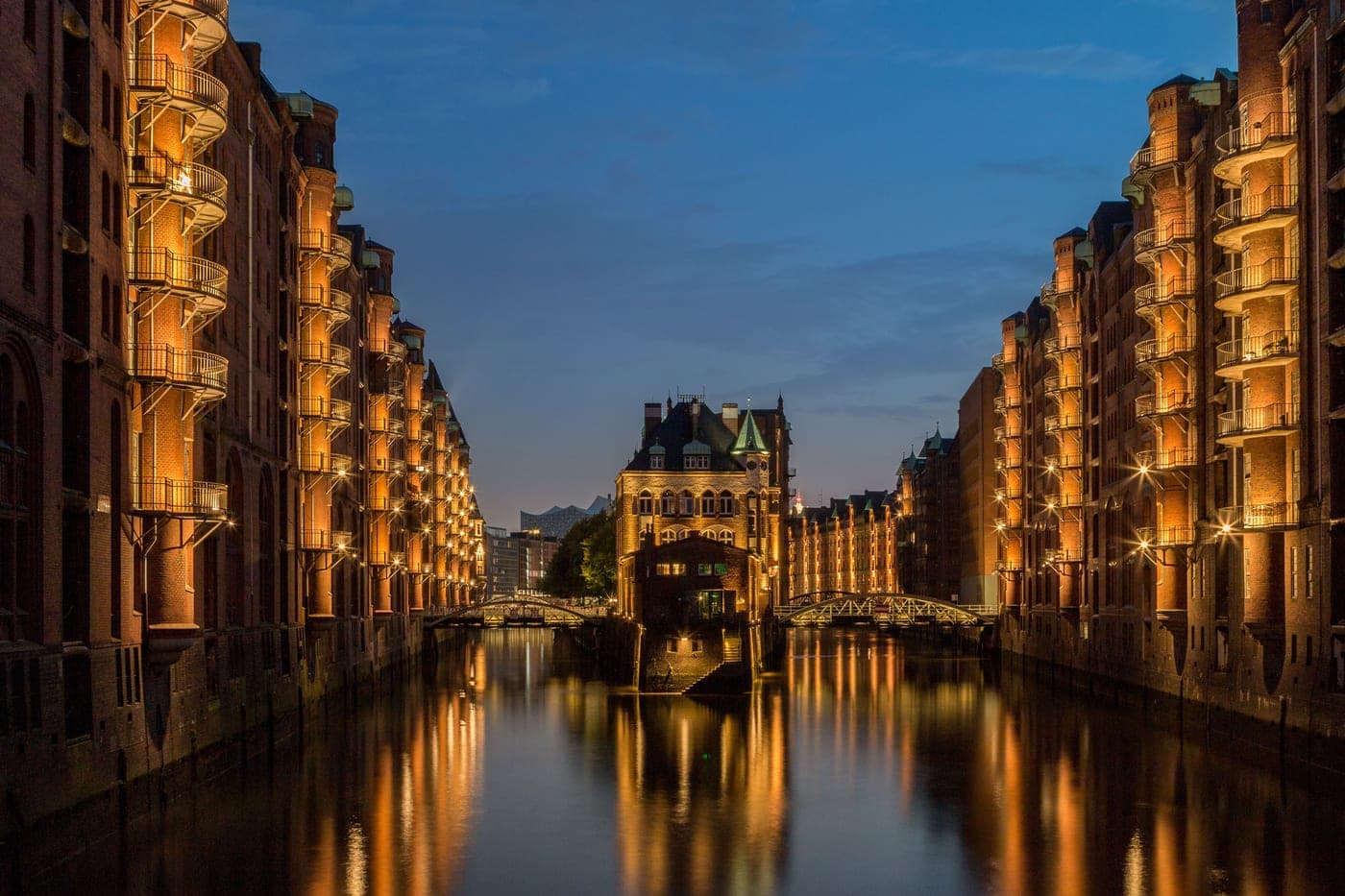
Hamburg, Germany's second-largest city, is known for its rich maritime history and vibrant cultural scene. The city is home to the historic Speicherstadt, the world's largest warehouse district, built on timber-pile foundations. The Elbphilharmonie, a striking concert hall, offers stunning views of the harbor. Nearby, the Blankenese district features picturesque hillside paths along the Elbe River. Additionally, Hamburg hosts numerous festivals, such as the Hamburg Dom fair and the Port Anniversary. The city’s diverse neighborhoods, from St. Pauli's nightlife to the artistic vibe of Schanzenviertel, offer unique local experiences. The surrounding nature, including the scenic Alster Lakes, invites leisurely exploration.
Camper Van RentalsHiking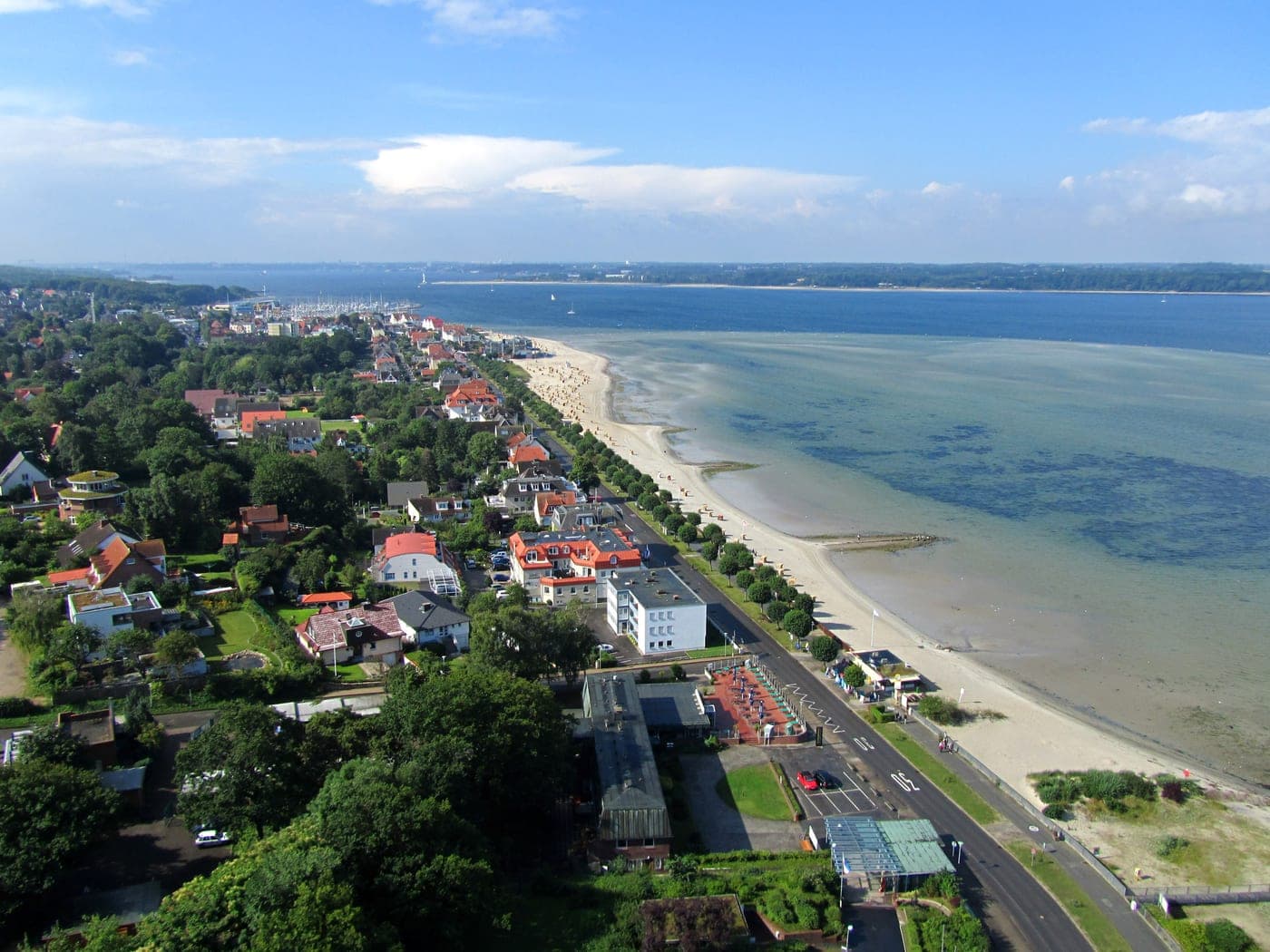 Boat Rentals6 destinations
Schleswig-Holstein
Schleswig-Holstein sits between two seas, and that fact shapes everything about its pace. On the west side, the Wadden Sea pulls back twice a day, leaving wide flats of mud and sand where oystercatchers and seals gather. On the east, the Baltic keeps a calmer shoreline, cut by narrow fjords called Förden that reach inland past reed beds and small fishing harbors. Between the two coasts lies a quieter inland belt of moraine hills, beech woods and lakes known as Holsteinische Schweiz, where the land rolls gently toward small lakes rather than open sea. Lübeck is the region's best-known town, its old core built by Hanseatic merchants and still arranged around brick gabled houses, a river harbor and the twin towers of the Holstentor gate. Marzipan making has been a local craft here for generations, and the smell of almond paste still drifts from shopfronts near the market square. A short distance north, Flensburg carries a different character: its harbor front and old rum warehouses point to centuries of trade with Norway and Denmark, and Danish is still spoken by a minority in town. Schleswig, at the head of the Schlei fjord, keeps an old layer of the region's history, with Gottorf Castle, now home to the state museums, facing the cathedral across the water. Villages in Schleswig-Holstein tend to sit low against the horizon, red brick and thatched roofs blending into flat fields or dike grass. Along the North Sea coast, dikes double as footpaths and cycling routes, running for long stretches with the sea on one side and grazing sheep on the other. The flatness of the land makes cycling an easy way to move between villages, small harbors and the ferry piers that link the mainland to the islands. Sylt, Föhr and Amrum lie offshore within the Wadden Sea National Park, each with its own character: Sylt is known for its dune landscape and thatched Frisian houses, Föhr keeps a quiet, agricultural feel around village greens and old churches, and Amrum holds an extensive dune area. Inland, the lake district around Plön and Eutin offers a different kind of water travel. Small passenger boats cross the lakes between beech forests, and Plön sits below its own castle, overlooking the water from a wooded hill. Eutin keeps a baroque palace and gardens open for slow walking. Further west, the town of Husum sits by its own tidal harbor, and each spring the palace garden there fills with crocus blooms. Kiel, the state capital, faces the Baltic directly and turns into a sailing city every summer during Kieler Woche. Things to do in Schleswig-Holstein tend to build from the coastline itself: watching the tide uncover the Wadden Sea flats, following a dike path between two fishing harbors, crossing an inland lake by small boat, or walking a fjord town's quay while gulls work the fish stalls. Herring and eel appear often on menus near the coast, and Labskaus, a hearty dish of corned beef, potato and beetroot, remains a Baltic port staple. The region rewards attention to weather and tide as much as to any single sight — mudflats change completely between low and high water, and light on the Baltic coast shifts quickly with the wind. Markets, harbor cafés and small guesthouses set the rhythm here more than any schedule does. Whether the starting point is Lübeck's brick lanes, Flensburg's Danish-flavored harbor, or a quiet island church on Föhr, Schleswig-Holstein holds together as one landscape of tide, wind and water, best taken in a village or a shoreline at a time.
Boat RentalsHikingCamper Van RentalsLocal Cuisine