Reibekuchen
Crisp grated potato pancakes from the Rhineland, served with apple sauce or rye bread
- Vegetarian
- Local name
- Reibekuchen (Kölsch: Rievkooche)
- Served with
- Apple sauce, Rübenkraut or dark rye bread
- Best eaten at
- Christmas markets or Cologne brewhouses
- Pairs with
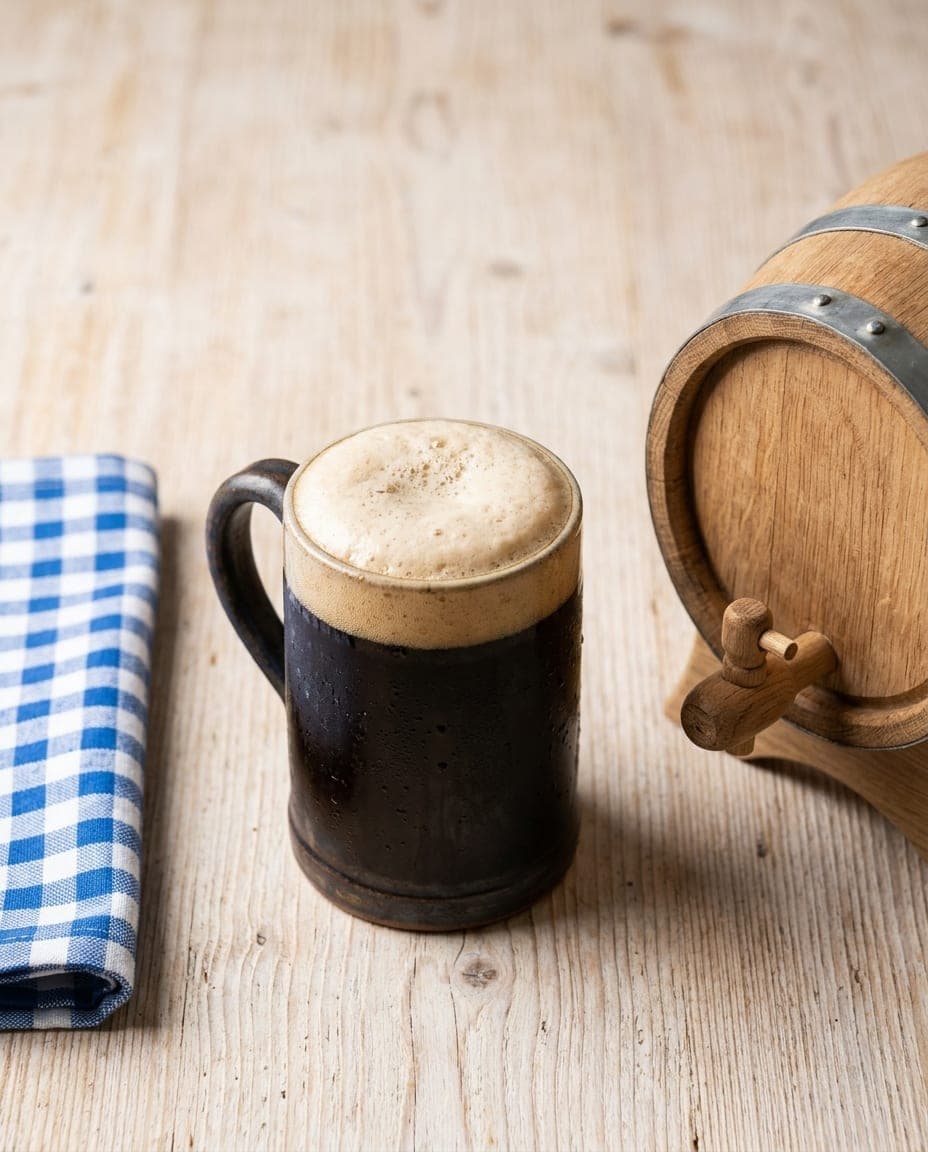
- Kölsch
What it is
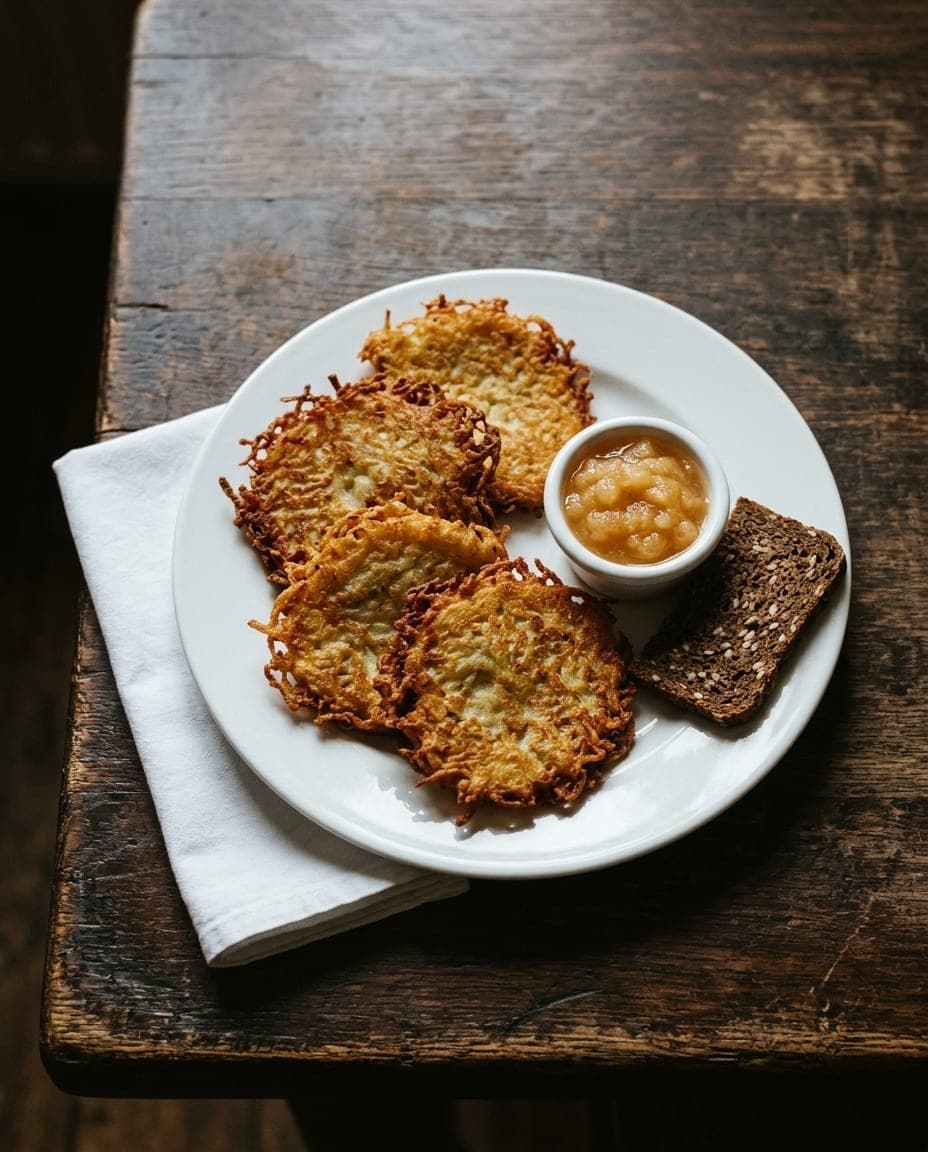
Reibekuchen, usually called potato pancakes or potato fritters in English, are the savoury heart of the Rhineland's culinary tradition; in Cologne dialect they are Rievkooche. They consist of grated raw potato, mixed with a little flour, egg, onion and salt, then fried in hot fat until the edges turn lace-thin and golden brown. The texture is the defining feature: a shatteringly crisp exterior giving way to a soft, warm interior.
While similar dishes exist across Europe and Germany under names like Kartoffelpuffer or Reiberdatschi, the version known as Reibekuchen holds a specific place in the culture of North Rhine-Westphalia. It is not merely street food but a dish with deep roots in the home kitchens of the region, particularly around Cologne and the wider Rhineland. The preparation relies on a simple but crucial technique: draining or squeezing the grated potato thoroughly to remove excess water, which allows the pancakes to crisp properly rather than steam.
The dish is versatile in its presentation. It appears as a side to meat dishes, as a main course or as a snack at markets and festivals. In the Rhineland, it is rarely served plain; it demands a companion, whether that is sweet apple sauce, dark rye bread or the local Rübenkraut syrup.
The regional names and variations
The name changes as one moves through the German-speaking world, reflecting local dialects and traditions. In Cologne and the surrounding Rhineland, they are known as Reibekuchen. In Bavaria, the same concept becomes Reiberdatschi, while Kartoffelpuffer is the more generic term used in many other regions. Despite these linguistic shifts, the core identity remains consistent: a pan-fried cake of grated potato.
In the Rhineland, the mixture usually includes a generous amount of grated onion, which adds a subtle sweetness that balances the earthiness of the potato. Today they are mostly fried in vegetable oil, though older households also used animal fat. Some cooks bind the mixture with oat flakes instead of flour, and the grate varies from cook to cook: some prefer a coarser texture, while others aim for a smoother mass that fries into a uniform disc.
How it is eaten
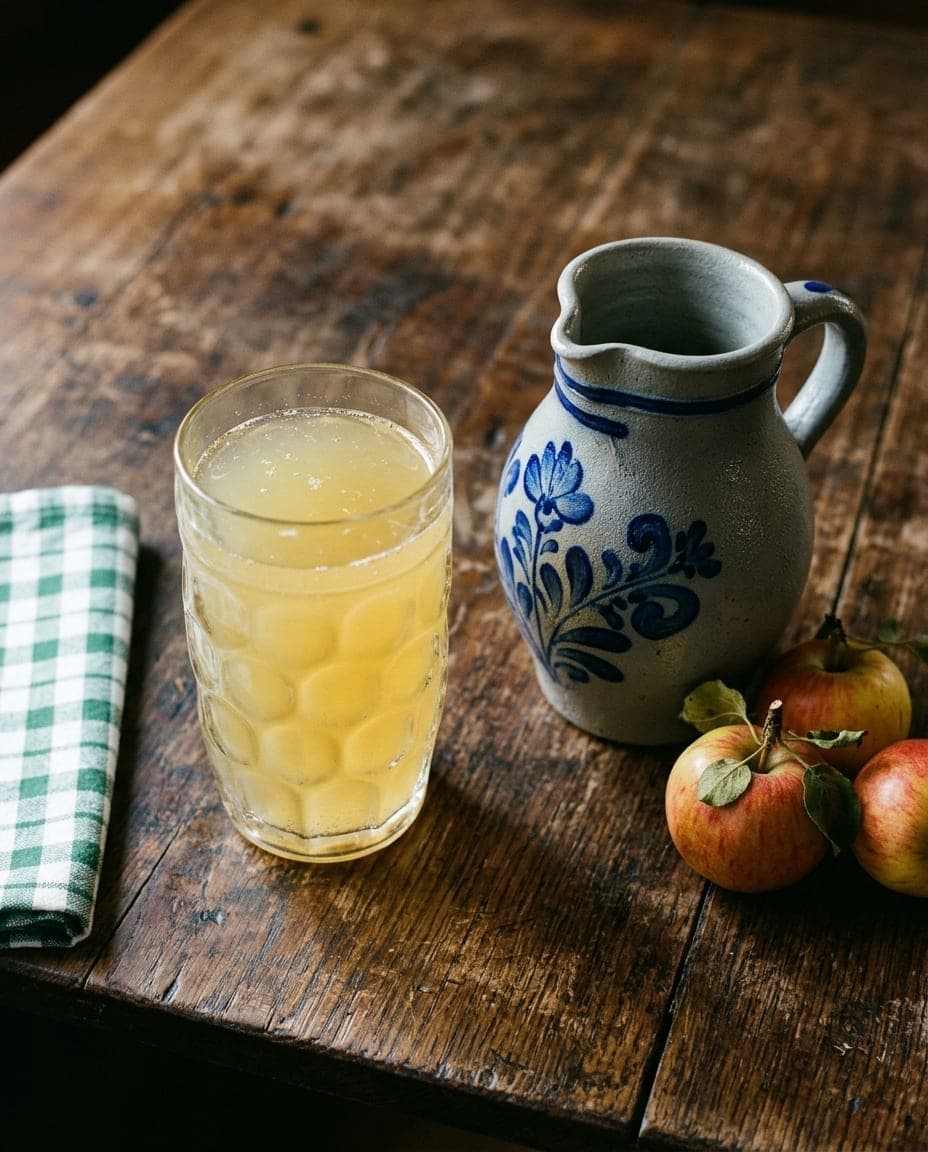
Reibekuchen are served in two classic ways. The first pairs the pancakes with a bowl of apple sauce. The contrast between the savoury, salty crispness of the potato and the sweet-tart fruit is a combination that has been standard for generations.
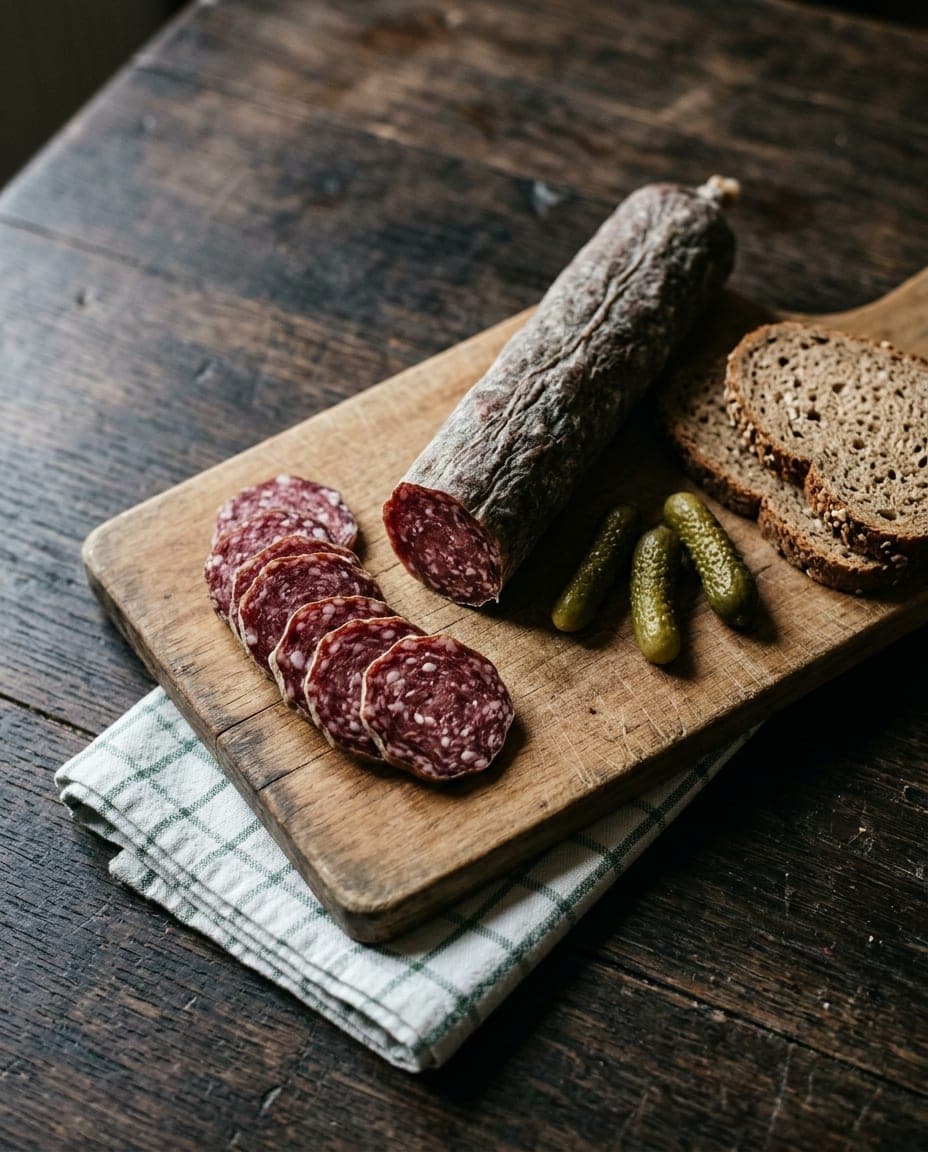
The second pairs them with dark rye bread, often Schwarzbrot or pumpernickel, spread with butter or Rübenkraut, a dark, thick syrup made from boiled-down sugar beet. The syrup is sweet but also has a distinct earthy note that pairs surprisingly well with the fried potato. Restaurants and brewhouses also serve more elaborate versions topped with smoked salmon.
In the Cologne brewhouses, known locally as Brauhaus, Reibekuchen are a fixture on the menu, usually served as a plate of several pancakes with apple sauce or with bread and Rübenkraut. The combination is particularly popular during the colder months, when warm pancakes offer comfort against the Rhineland winter.
Where to find them
The most familiar place to encounter Reibekuchen is at the Rhineland's markets, above all the Christmas markets of Cologne. Vendors fry the pancakes in large pans of hot fat and serve them straight from the pan, on a paper plate with a dollop of apple sauce. The smell of frying potato and onion fills the air, drawing crowds to the stalls.
In Cologne, the Brauhaus tradition ensures that Reibekuchen remain on the menu year-round. These traditional taverns, many of which once brewed their own beer, serve the pancakes as part of a larger meal alongside Kölsch. The dish is not exclusive to the cities; it appears in town taverns and at fairs across the Rhineland, including Mönchengladbach and the Lower Rhine.
Curious facts
- The squeeze matters. The texture of Reibekuchen depends on how well the grated potato is drained before frying. Excess water prevents crisping, leading to a steamed rather than fried result.
- A winter staple. While available year-round in restaurants, the dish reaches its peak popularity during the Christmas season and the colder months.
- The Rübenkraut connection. Sugar-beet syrup on dark bread is a Rhineland habit that sets the region apart from parts of Germany where apple sauce is the only partner.
- Regional naming shifts. The name changes from Reibekuchen (or Rievkooche) in the Rhineland to Reiberdatschi in Bavaria, showing how a single dish adapts to local dialects.
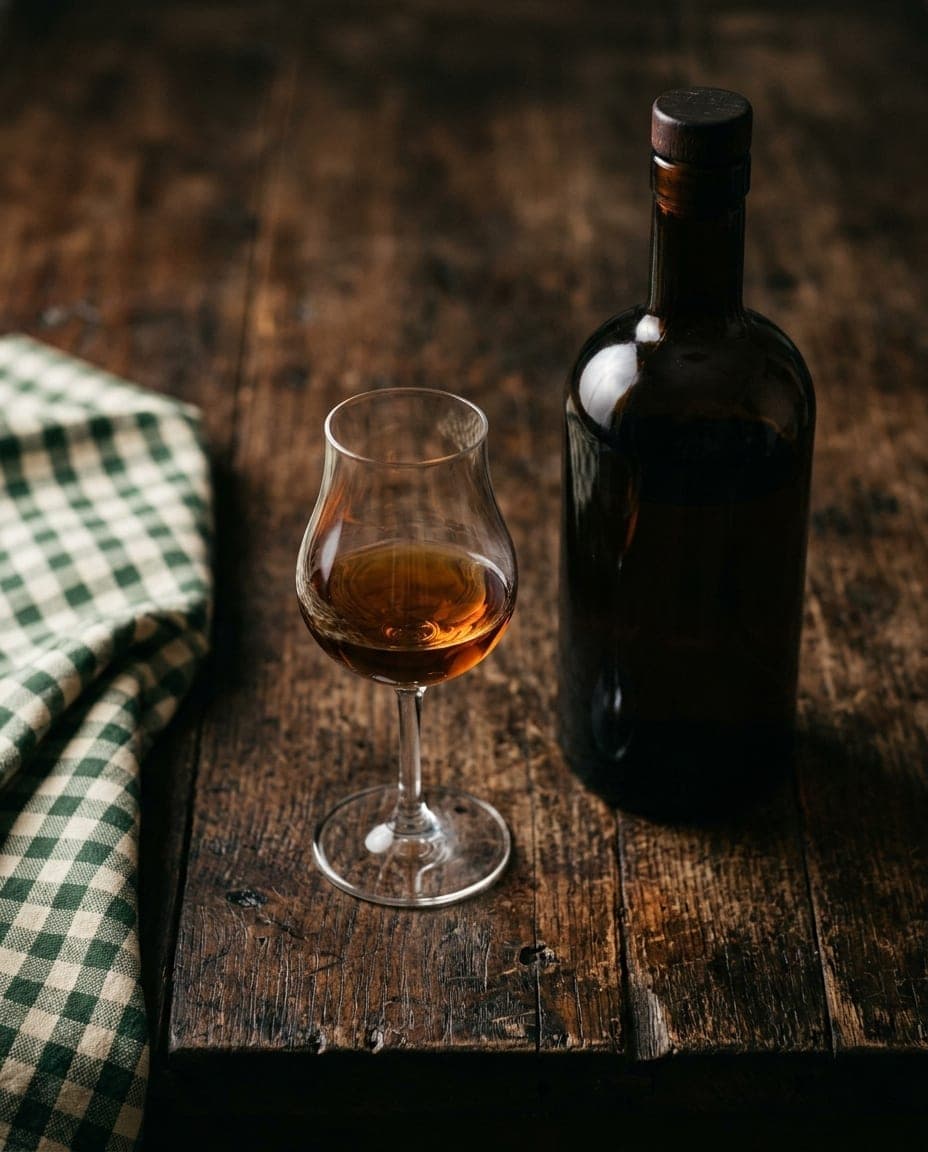
- The Kölsch pairing. In Cologne, Reibekuchen are traditionally eaten with Kölsch, a light, top-fermented beer that complements the savoury potato without overwhelming it.
Where to try it
The most authentic experience is a traditional Brauhaus in Cologne, or a Rhineland Christmas market in the colder months, where the pancakes are fried in large pans and eaten standing at outdoor tables. A plate of Reibekuchen with dark bread and Rübenkraut, or with smoked salmon, makes a satisfying lunch, especially with a glass of Kölsch.
Where to try it
1 destination
 Camper Van Rentals
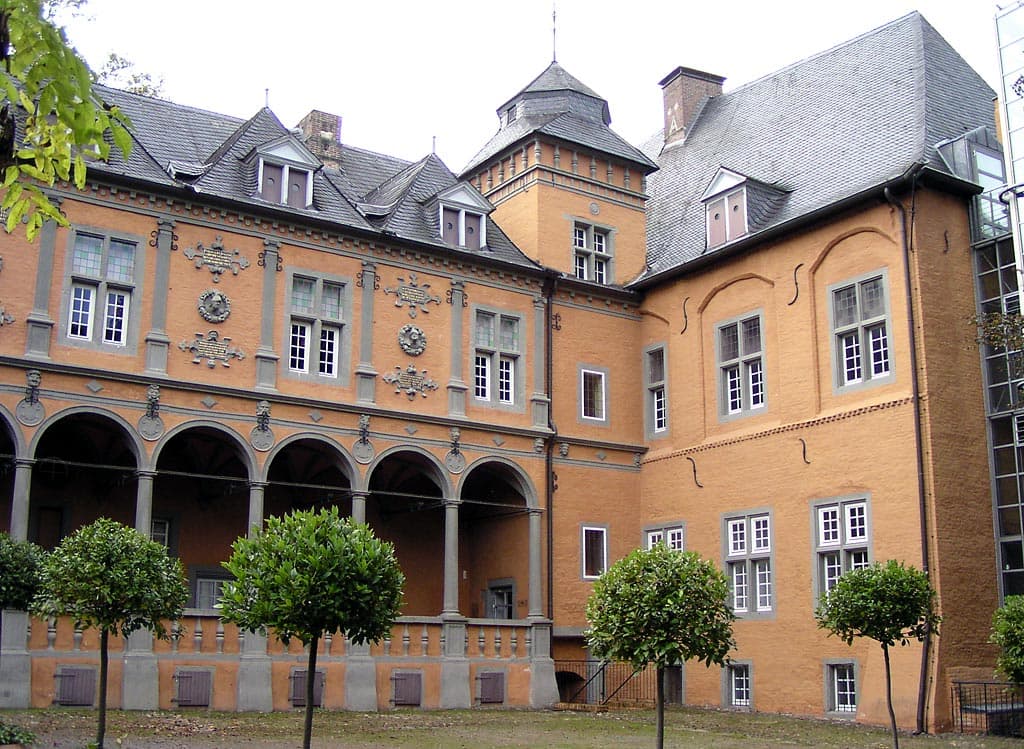
Mönchengladbach
City near Dutch border with parks and cultural venues.
Camper Van RentalsHiking
1 region
 Cabins15 destinations
North Rhine-Westphalia
Located in western Germany, this region is the largest in the country and is known for its diverse landscapes, from the scenic Rhine River valleys to the lush hills of the Sauerland. The area is rich in industrial heritage, with cities like Dortmund and Essen showcasing their transformation from heavy industry to cultural hubs. Düsseldorf offers a vibrant arts scene and innovative fashion, while Cologne is famous for its stunning cathedral. The region also boasts picturesque towns such as Monschau, known for its half-timbered houses, and Bad Honnef, a charming spa town. Unique local dishes and breweries enhance the cultural experience, along with numerous hiking trails that connect visitors to its natural beauty.
CabinsHikingCastlesCamper Van Rentals