Leipziger Gose
A sour, salted wheat beer from the Harz that became Leipzig's own
- Alcoholic

- Local name
- Leipziger Gose
- Served
- Cylinder glass, sometimes with syrup or Allasch
- Best eaten at
- A Leipzig Gosenschenke
What it is
Leipziger Gose is a pale, cloudy wheat beer that stands apart from almost every other German brew. It is a regional speciality of Saxony, tied above all to the city of Leipzig, although the style itself began in the Harz mountains. The beer is defined by three distinct features: a refreshing sourness, a noticeable salinity, and a gentle spice of coriander.
Salt is part of the recipe, added during brewing, and gives the beer a mineral edge that cuts through the wheat's soft body. The sourness comes from lactic acid fermentation and settles into a clean, lactic tang. Coriander seeds provide a citrusy aroma that balances the salt and the sour notes.
It is not a heavy beer, at around 4.5 to 5 per cent alcohol. The carbonation is lively, and the finish is dry and refreshing. Today it remains a symbol of Leipzig's identity, a taste closely tied to the city's taverns and history.
From Goslar to Leipzig
The name of the beer comes from the small river Gose, which flows through the town of Goslar in the Harz mountains. Legend credits Emperor Otto III with praising the beer around the year 1000, and the oldest surviving document mentioning Gose dates from 1332. From Goslar the beer spread through the Harz and into Anhalt.
In 1738 Gose arrived in Leipzig, and the city quickly took to it. Much of it was brewed nearby, most famously at the manor brewery in Döllnitz, near Halle, from 1824, and carted to Leipzig in barrels, where landlords bottled and matured it in their cellars. By around 1900 it was the most widely drunk beer in the city, sold in dedicated taverns known as Gosenschenken. Goslar itself stopped brewing Gose in the 19th century, so the style survived in and around Leipzig alone.
A history of near extinction
The survival story of Leipziger Gose is one of disappearance and revival. The spread of pilsner-style lagers pushed it to the margins in the 20th century. After the Second World War the Döllnitz brewery was expropriated and dismantled, the last traditional Gosenschenke closed in 1958, and the last small Leipzig producer stopped brewing in 1966.
The revival began in 1986, when Lothar Goldhahn reopened the historic Gosenschenke "Ohne Bedenken" and had Gose brewed to the old recipe at a brewery in East Berlin. After reunification, local brewers took up the style again: the Döllnitz Ritterguts Gose was revived in 1999, and since 2000 Gose has also been brewed at a brewpub in Leipzig itself. The modern beers use a controlled lactic acid fermentation to achieve the sourness, giving a consistent result.
How it is made and what goes into it
Leipziger Gose is brewed as a top-fermenting beer, with the sourness coming from lactic acid bacteria rather than the spontaneous fermentation of earlier times.
The ingredients are simple but distinct:
- Wheat malt, which provides the cloudy appearance and a soft, bready body.
- Barley malt, which supports the body and foam.
- Coriander seeds, added during the boil to impart a warm, citrusy spice.
- Salt, a defining element added during brewing, giving the beer its characteristic mineral edge.
Because of the salt and coriander, Gose does not conform to the traditional German purity law, which allows only water, malt, hops and yeast. The resulting beer is pale yellow to golden, cloudy with suspended yeast and proteins, and highly carbonated.
How to drink it
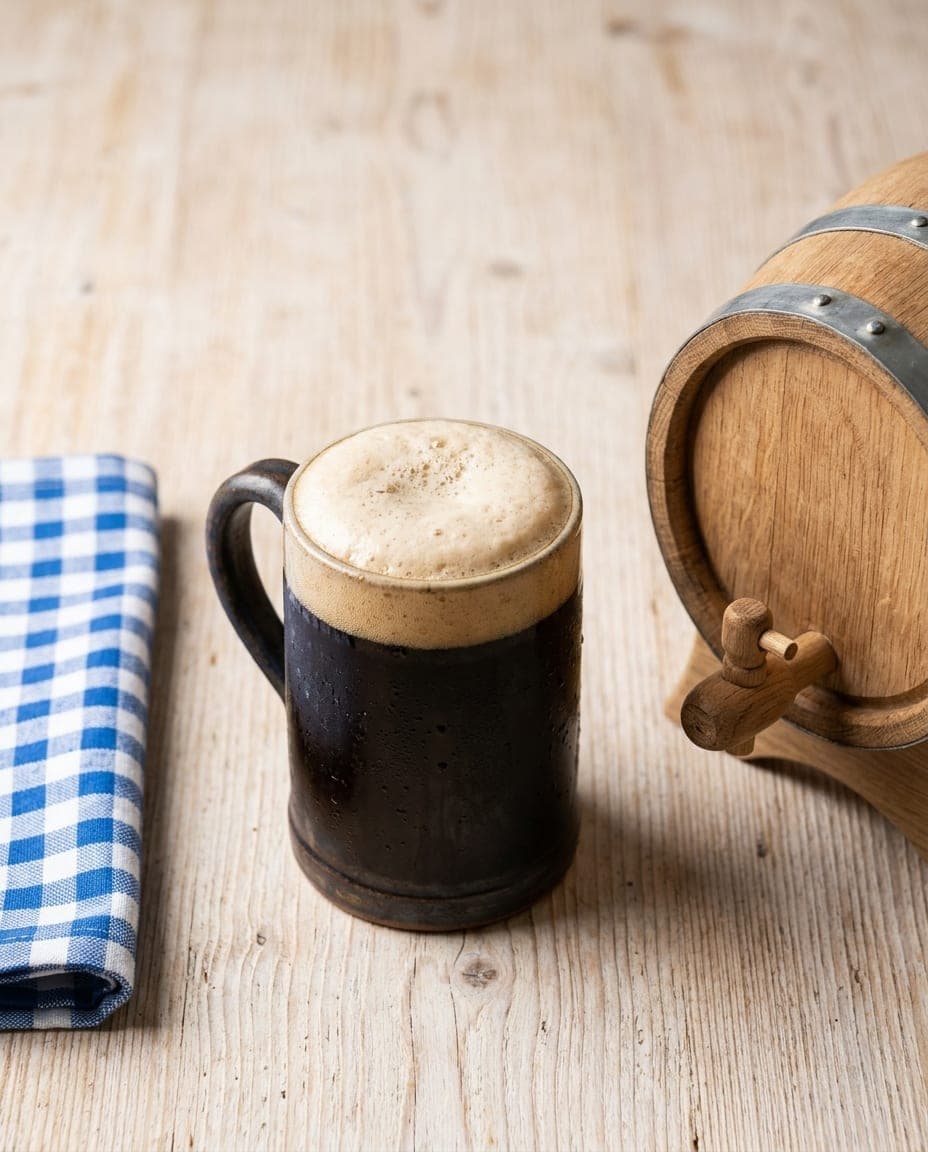
Leipziger Gose is traditionally served in a tall, cylindrical glass. It is best drunk cold but not ice-cold, allowing the sour and salty notes to emerge fully.
A local tradition accompanies the beer. In Leipzig, Gose is often mixed: with a sweet fruit or woodruff syrup it becomes a Sonnenschirm ("sunshade"), while a shot of the local caraway liqueur Allasch turns it into a Regenschirm ("umbrella"). Other mixes with cherry liqueur or curaçao also have their own names. The sweetness or spice softens the sharp sourness and salt.
The ideal setting for drinking it is a Gosenschenke, a traditional tavern dedicated to this style, often with wooden interiors.
Curious facts
- Salt by design. The salinity is often attributed to the mineral-rich water of the Goslar area. Today brewers add salt directly to achieve the characteristic taste.
- A near-lost style. Gose production in Leipzig ceased entirely in 1966 before a single tavern-keeper brought it back two decades later.
- Mixed drinks with names. Sonnenschirm and Regenschirm are only the best known of Leipzig's traditional Gose mixes.
- Bottles without corks. In the old days, Gose matured in long-necked bottles that were left unsealed; a plug of yeast rising into the neck closed them naturally.
- A regional pride. While other German regions have their own wheat beers, Leipziger Gose remains a source of local identity in Saxony, even as brewers worldwide now make Gose-style beers.
Where to try it
The best place to experience Leipziger Gose is in Leipzig itself, where traditional Gosenschenken serve the beer in its most authentic context. The beer is also widely available in Leipzig restaurants and shops, and in some other places in Saxony and Saxony-Anhalt.
Many visitors seek it out specifically because of its unusual taste and its connection to the city's past. The Gosenschenken often display information about the history of the style and its revival, making a glass of Gose a chance to taste a piece of Leipzig's resilience.
Where to try it
1 destination
 Camper Van Rentals
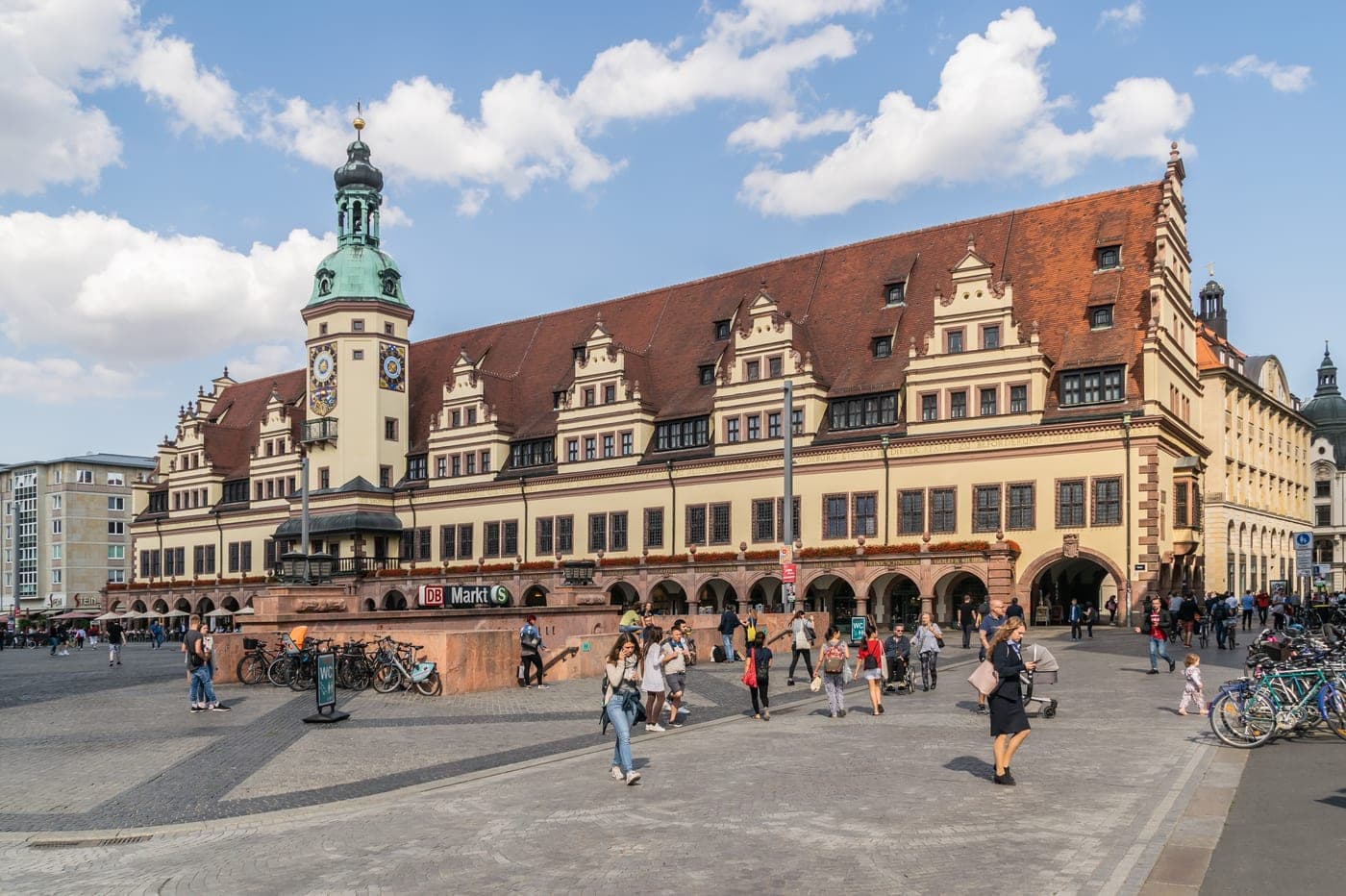
Leipzig
Saxony's creative city with Bach heritage and vibrant arts scene.
Camper Van RentalsHiking