Killepitsch
A dark red herbal liqueur from Düsseldorf, drunk ice-cold in small glasses
- Alcoholic
- Local name
- Killepitsch
- Served
- Neat, small glass
- Best eaten at
- A Düsseldorf Altstadt pub
- Pairs with
- Altbier
What it is
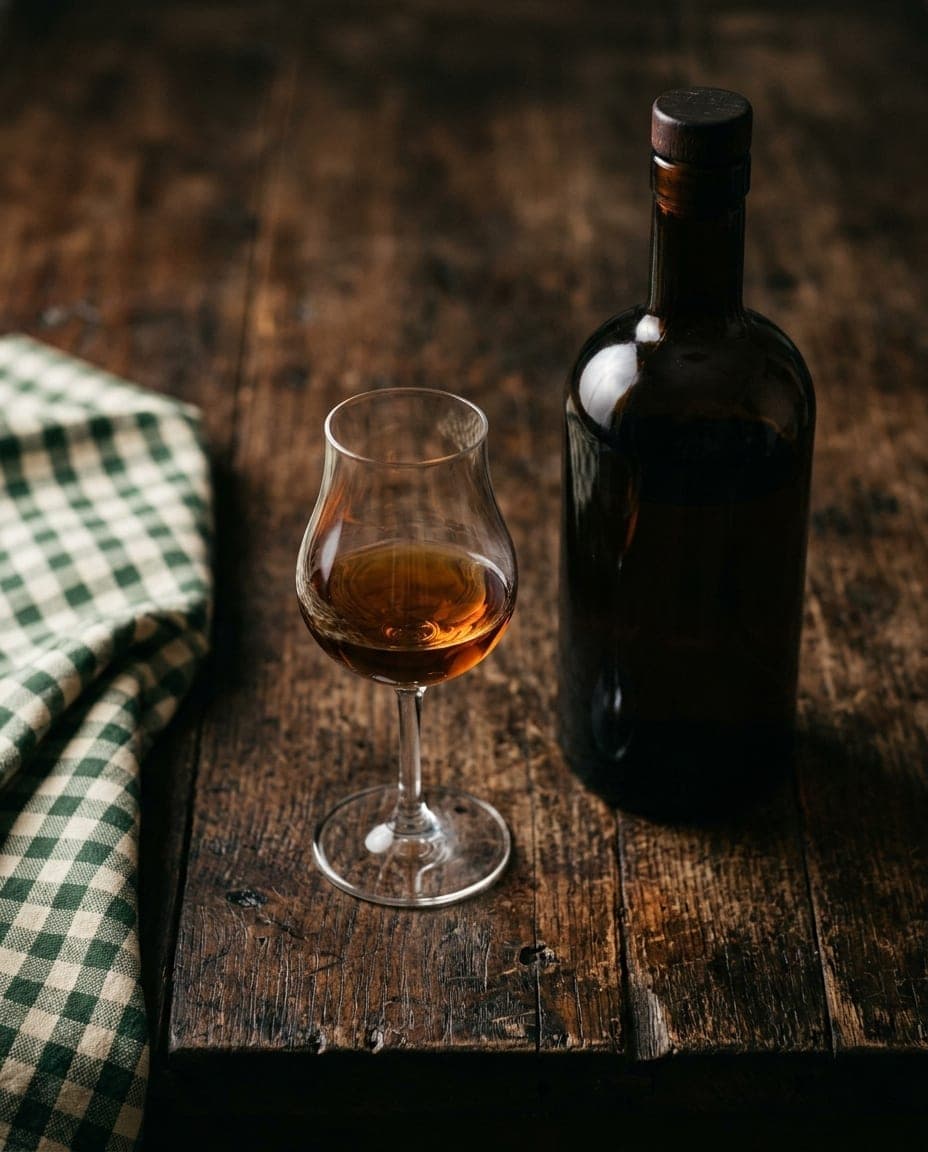
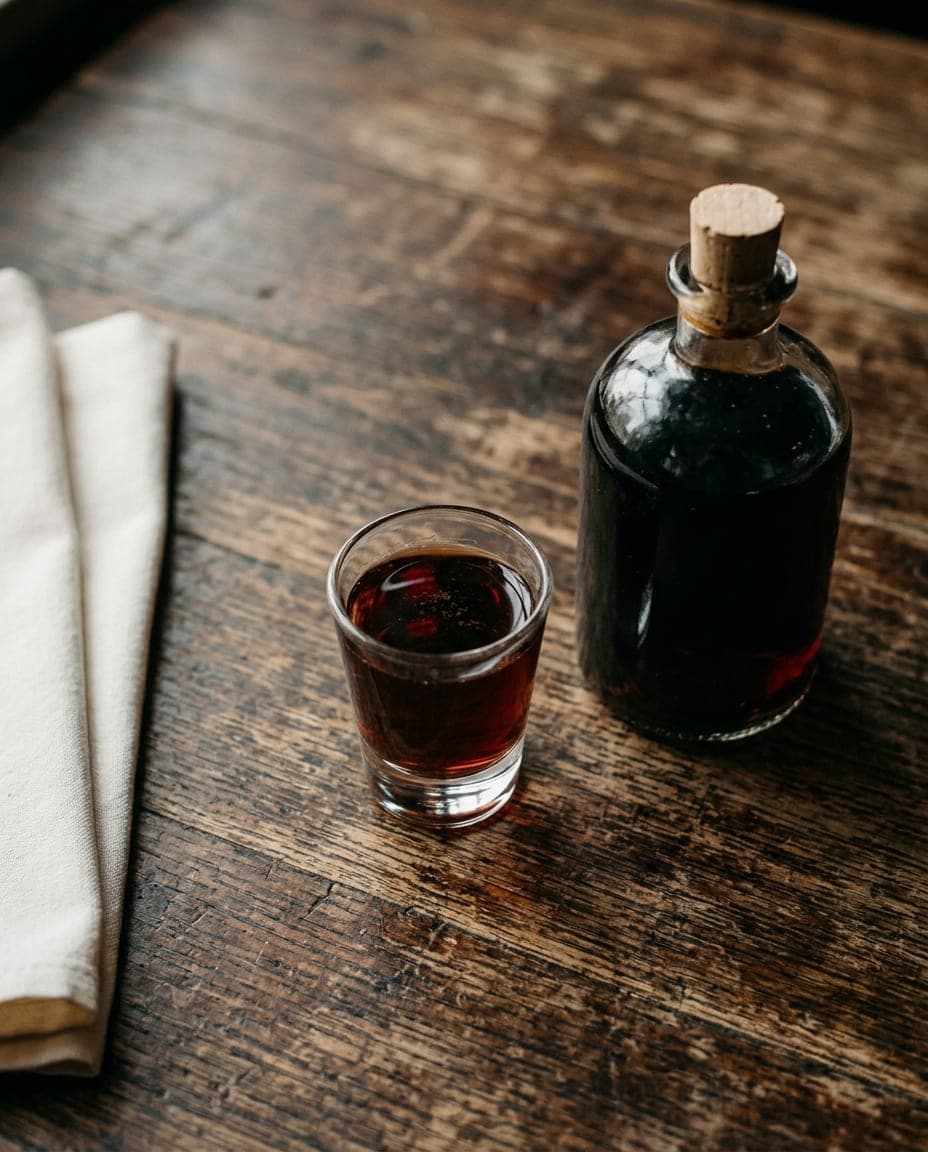
Killepitsch is a dark red herbal liqueur from Düsseldorf in North Rhine-Westphalia, closely tied to the city's Altstadt. It is a drink defined by its deep colour and a flavour that balances sweetness with a distinct bitterness, derived from a mixture of fruits, berries, herbs, roots and spices – the producer speaks of 98 ingredients. At 42% alcohol, it is strong for a liqueur. The liquid is not clear or golden like many other German liqueurs; it is a deep blood red in the glass.
The tradition surrounding Killepitsch is specific to Düsseldorf and its historic old town. It is mainly drunk in and around the city, making it a local speciality rather than a national product. The drink is consumed ice-cold, served in small glasses that hold just enough for one or two sips, and it is almost always drunk neat, without mixers or ice cubes.
The story of the friends
The origins of Killepitsch are tied to a promise made during the Second World War. The usual account says that two friends, Willi Busch and the Düsseldorf writer Hans Müller-Schlösser, sat out a bombing raid in an air-raid shelter and joked that if they survived, they would make a really good schnapps. After the war, Busch kept the promise and developed the recipe for this herbal liqueur.
This story anchors the drink in the history of the city. It emerged in the years following the war, a time when Düsseldorf was being rebuilt. The Busch family, which had been in the spirits business in Düsseldorf since the 19th century, still produces it. The drink is closely associated with a tiny bar in the Altstadt that became famous for selling it through a small hatch to customers queuing outside in the street.
The name itself comes from the local dialect of Düsseldorf. The exact recipe has never been published, and the proportions of the many ingredients remain a family secret. This adds to the drink's mystique and keeps it firmly tied to one producer in one city.
How it is made
The production process involves macerating a large number of different fruits, berries, herbs and spices before maturing the mixture; the liqueur is said to rest for about a year in clay vessels. The result is a liquid that combines the sharpness of bitter herbs with the sweetness of fruit. Because the recipe is not public, no detailed list of ingredients is available.
The final product is a dark red liqueur that is both sweet and bitter. It is not a drink for sipping slowly over hours; its strength and taste are best experienced in small quantities. The cold temperature is essential to the experience, as it tames the alcohol slightly while preserving the aromatic qualities of the herbs and fruit.
Curious facts
- A local name. The word Killepitsch comes from Düsseldorf dialect and is a piece of local language rather than a brand-style invention.
- Sold through a hatch. The bar most associated with the drink sells it through a small opening onto the street, so customers can order without going inside.
- No published recipe. The exact combination of fruits, berries, herbs and spices is a trade secret.
- Strong stuff. At 42% alcohol, it is considerably stronger than most German herbal liqueurs.
- A wartime promise. The drink is said to have been created by two friends who had survived a bombing raid together and vowed to make something special if they both lived.
Where to try it
The natural place to drink Killepitsch is Düsseldorf's Altstadt. Here, the drink is a staple of the local pub culture, served at the small taverns, known locally as Kneipen, that line the narrow streets of the old town.
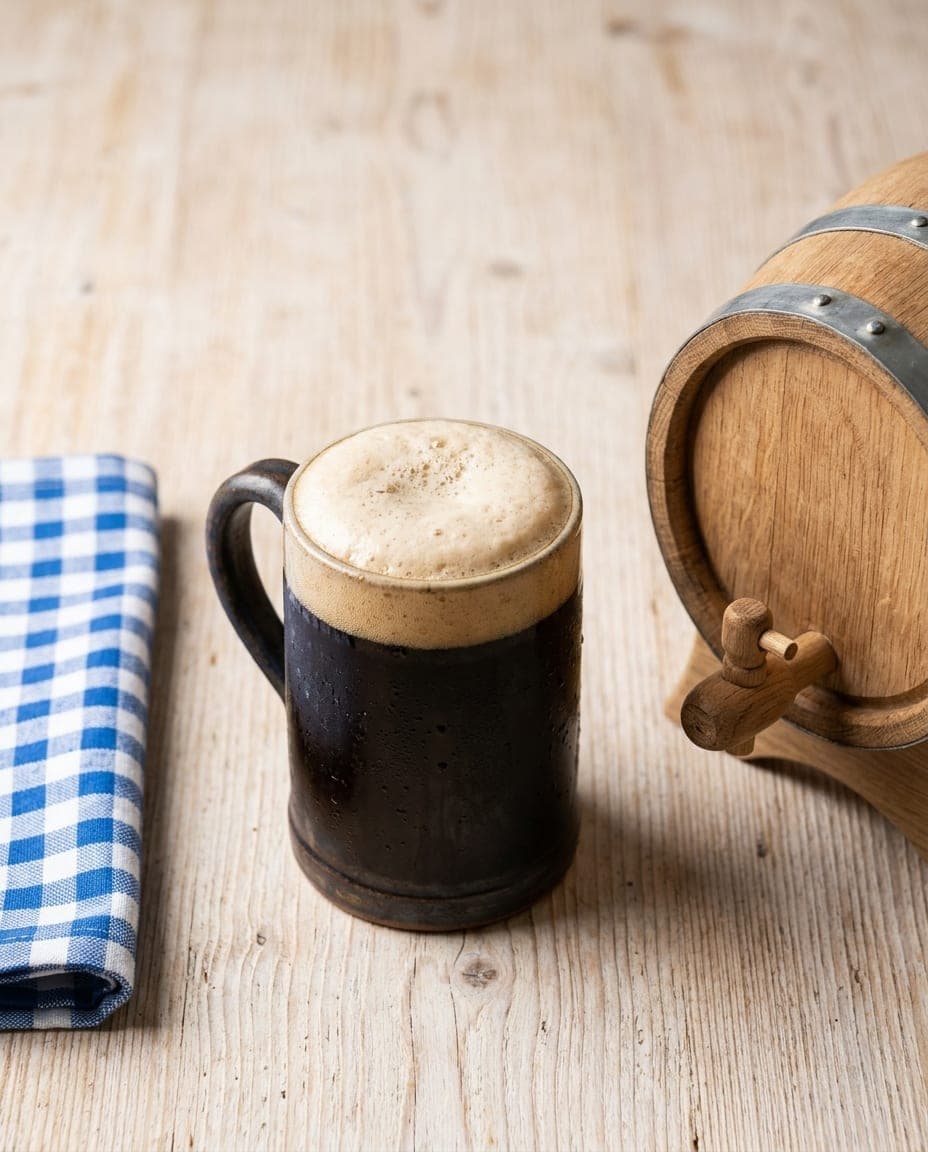
It is drunk neat and ice-cold in a small glass, often alongside a local Altbier, the dark, top-fermented beer of Düsseldorf. The malty bitterness of the beer complements the herbal notes in the liqueur.
Visitors to the Altstadt will often see customers lining up at the small street hatch of that bar. This is a direct link to the drink's history, and drinking a Killepitsch on the pavement outside remains part of the old-town experience.
Where to try it
1 destination
 Camper Van Rentals
Düsseldorf
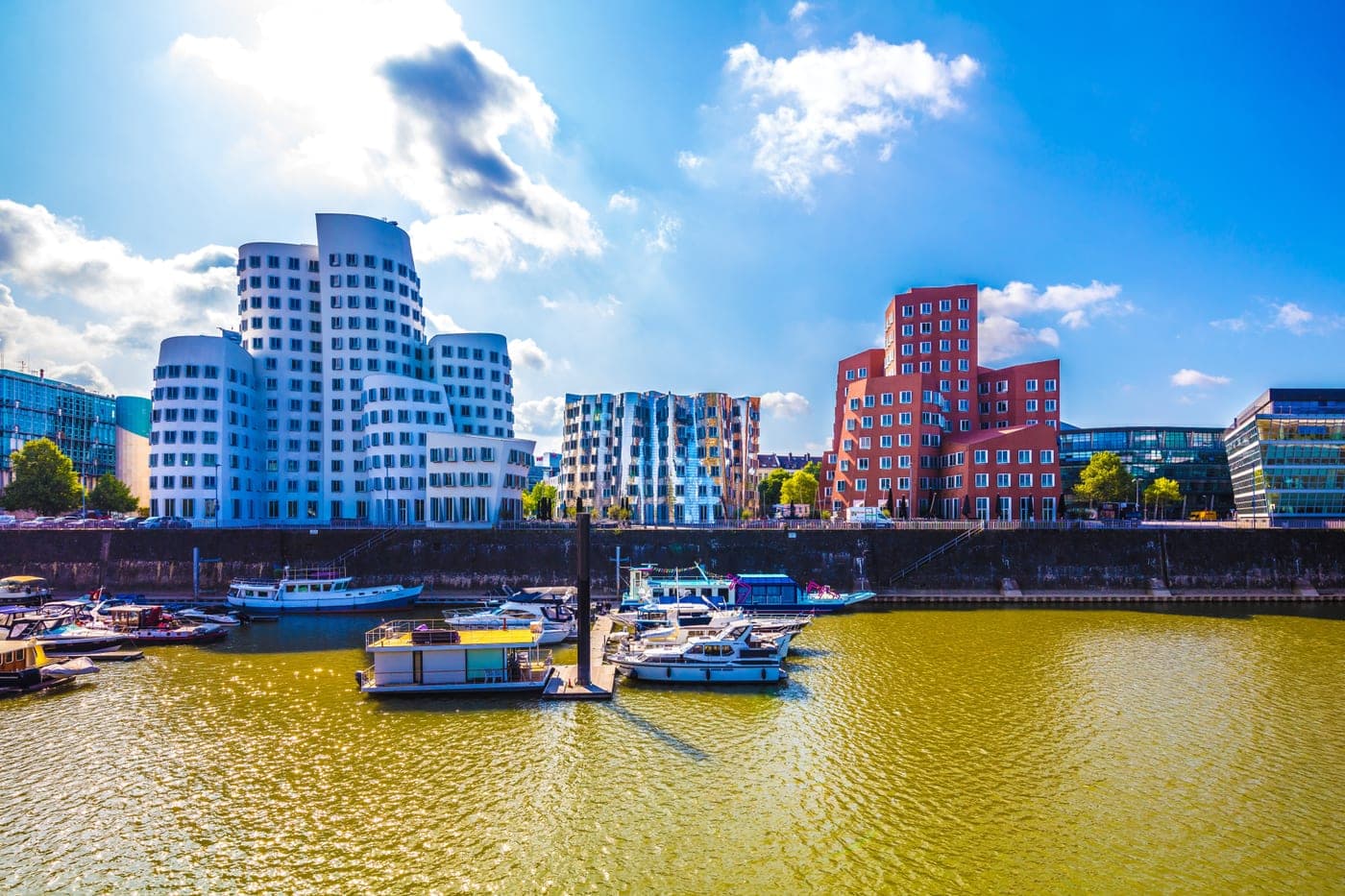
Rhine metropolis with art scene, riverside promenade, and Altstadt bars.
Camper Van RentalsHiking