Hamburger Pannfisch
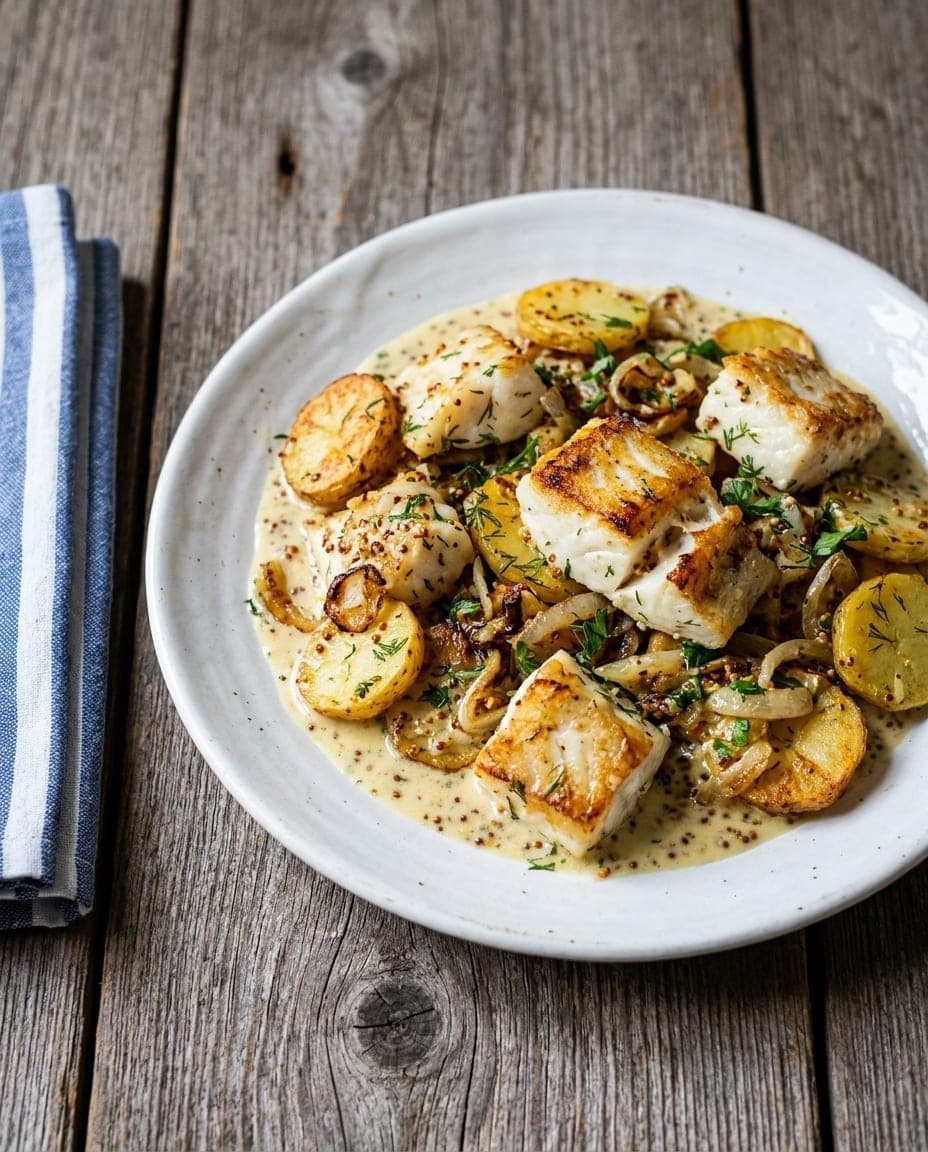
Hamburg pan-fried fish with Bratkartoffeln and mustard sauce
- Local name
- Hamburger Pannfisch
- Served with
- Bratkartoffeln, mustard sauce
- Best eaten at
- A Hamburg harbour restaurant
- Pairs with
- North German pilsner
What it is
Hamburger Pannfisch is a dish born of thrift rather than of the restaurant kitchen. Its name means "pan fish", from the Low German Pann for frying pan, and it began as a practical way to use up leftover fish from the day before. The fish was fried in a pan with potatoes and onions and served with mustard sauce. It was simple, hearty and filling food in a city that has always lived from the North Sea and the Elbe.
Today the dish retains its identity as a regional speciality of Hamburg but has evolved into a more refined version found in restaurants across the city. The modern iteration usually features fresh fillets of white fish such as cod, pollock or redfish, sometimes accompanied by a piece of salmon, pan-fried until golden and served with Bratkartoffeln, or fried potatoes. The dish is finished with a creamy mustard sauce, which provides a sharp contrast to the soft texture of the fish and the crisp potatoes. A scatter of fresh dill or chopped gherkins often adds a final touch of freshness.
Despite the change in ingredients, the spirit remains unchanged. It is not a nationwide German dish but belongs firmly to Hamburg and the north. It appears on menus in the city centre and along the waterfront, where the connection to the fishing trade is still visible.
The origin of leftovers
The history of Hamburger Pannfisch lies in the thrifty home cooking of a port city where fish was an everyday food. Fish left over from a previous meal was not wasted; instead it was broken into pieces and fried in a large pan with onions and potatoes, sometimes with a little bacon.
This method turned humble leftovers into a satisfying meal. It was a dish that required no fancy equipment, only a hot pan. Over time the dish moved from home kitchens to restaurant menus, and the concept of using leftovers gave way to the use of fresh fillets, yet the combination of fish, potatoes and mustard sauce remained the core of the recipe.
How it is eaten
Hamburger Pannfisch is typically served as a main course, often as part of a lunch menu or a hearty evening meal. The dish arrives on a large plate, sometimes still in the pan, with the fried fish resting on or beside a mound of Bratkartoffeln. The potatoes are usually sliced and fried until crisp on the outside while remaining soft inside. A generous amount of mustard sauce is poured over or served alongside, binding the components together.
The sauce is the defining element of the dish. It is a creamy blend thickened with butter and flour and seasoned with mustard, creating a tangy yet deep flavour that cuts through the richness of the fried fish. The sharpness of the mustard balances the soft white fish and the savoury potatoes. A small garnish of dill or gherkins adds a bright note to the otherwise heavy plate.
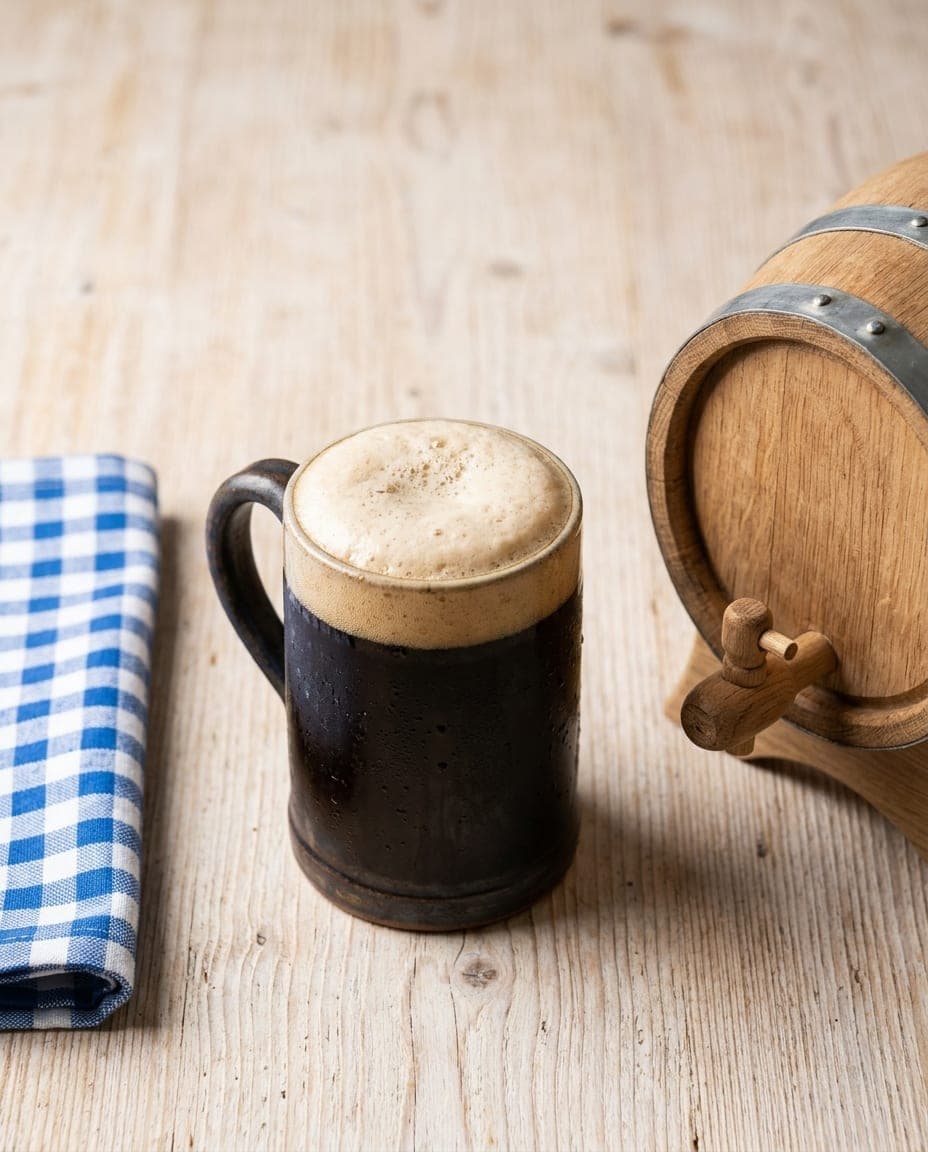
A North German pilsner is a natural drink to accompany this dish. The crisp carbonation and hoppy bitterness of the beer help cleanse the palate between bites of the fish and creamy sauce. This pairing is standard in the Hamburg harbour restaurants where the dish is most commonly found.
What goes into it
While the specific type of fish changes depending on what is fresh that day, the structural elements of the dish remain constant:
- White fish fillets, often flaky varieties like cod, pollock, redfish or plaice, sometimes joined by a piece of salmon for variety.
- Bratkartoffeln, fried potato slices that provide a crispy base and a satisfying crunch.
- Mustard sauce, a creamy sauce seasoned with smooth or grainy mustard to create a sharp, tangy finish.
- Onions, and in some kitchens bacon, fried with the potatoes to add depth.
- Fresh dill or gherkins, scattered on top to offer a bright contrast to the deep flavours.
The dish is not vegetarian because of the fish, and often the bacon. The focus is on the combination of textures and the balance between the savoury fried elements and the sharp sauce.
Where to try it
The best place to eat Hamburger Pannfisch is a Hamburg harbour restaurant, where the tradition of serving fish near the water continues. These venues serve the dish as a staple, reflecting the city's maritime heritage.
Where to try it
1 region
 Camper Van Rentals1 destination
Hamburg
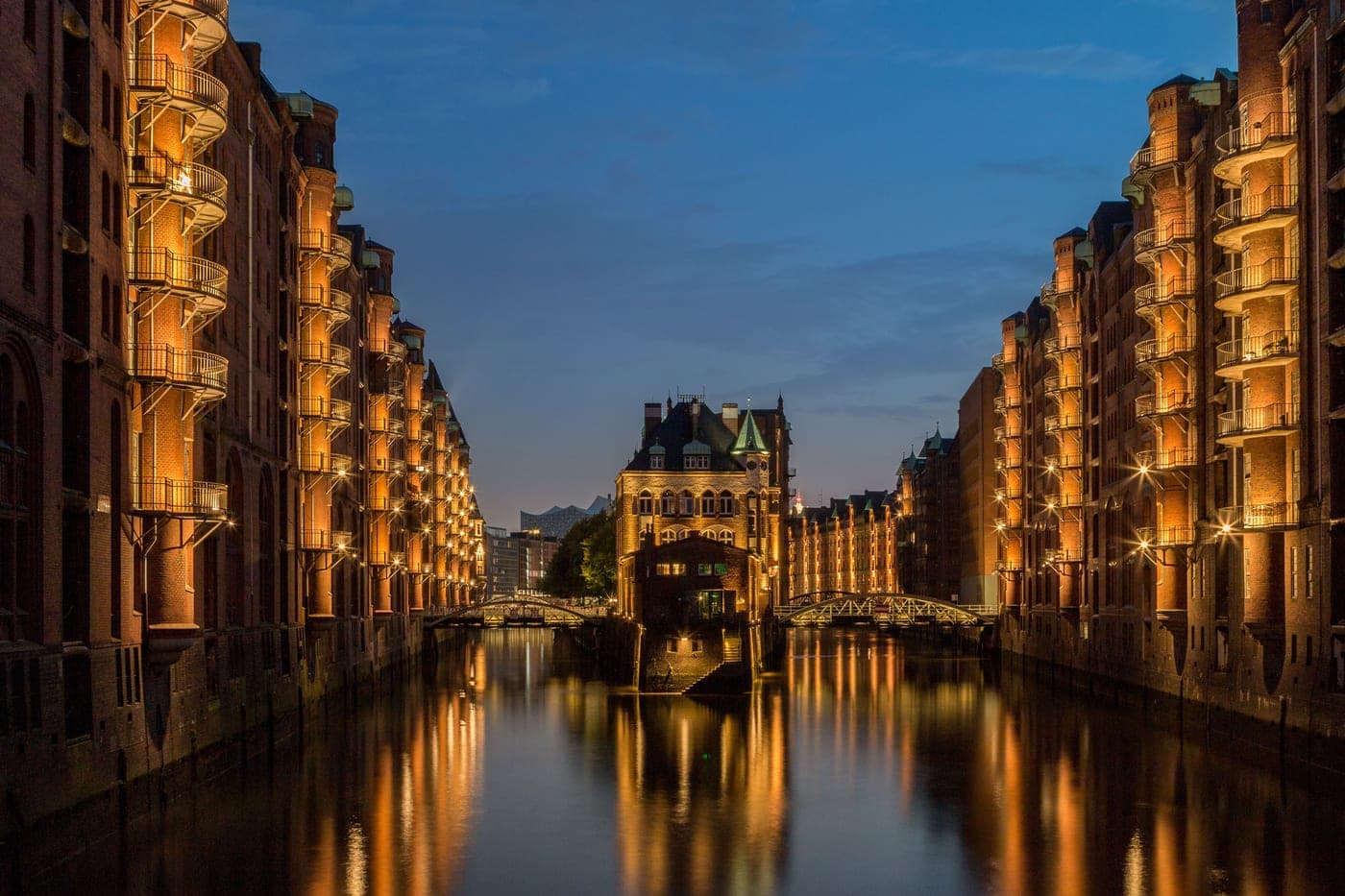
Hamburg, Germany's second-largest city, is known for its rich maritime history and vibrant cultural scene. The city is home to the historic Speicherstadt, the world's largest warehouse district, built on timber-pile foundations. The Elbphilharmonie, a striking concert hall, offers stunning views of the harbor. Nearby, the Blankenese district features picturesque hillside paths along the Elbe River. Additionally, Hamburg hosts numerous festivals, such as the Hamburg Dom fair and the Port Anniversary. The city’s diverse neighborhoods, from St. Pauli's nightlife to the artistic vibe of Schanzenviertel, offer unique local experiences. The surrounding nature, including the scenic Alster Lakes, invites leisurely exploration.
Camper Van RentalsHiking