Döppekooche
A slow-baked potato cake from Germany's Eifel region, served with apple sauce
- Local name
- Döppekooche
- Served with
- Apple sauce
- Best eaten at
- An Eifel Gasthaus
- Pairs with
- Kölsch or pils
What it is
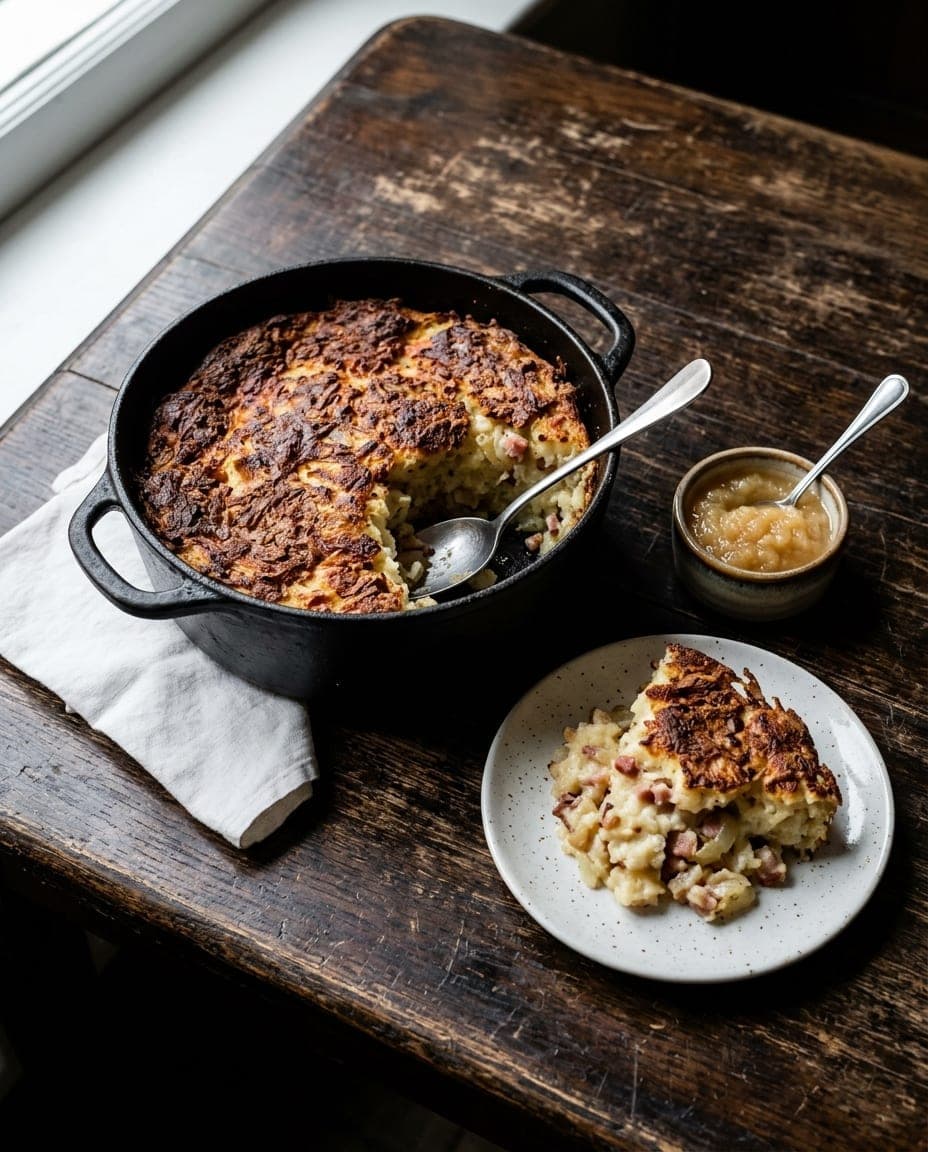
Döppekooche is a rustic potato cake from Germany's Eifel and Rhenish regions, baked in a heavy earthenware pot rather than fried in oil. The dish consists of raw grated potatoes mixed with onions, egg and often pieces of bacon or sausage, then poured into the Döppe—a heavy cast-iron pot—and left to bake for around two hours or more until the outside forms a hard, dark crust while the inside remains soft and creamy.
It is a one-pot winter dish, traditionally associated with St Martin's Day in November, when families who could not afford the customary Martinmas goose served it instead. The cake is served in wedges alongside apple sauce, creating the sweet-against-savoury pairing that the Rhineland applies to most of its potato dishes. While the name Döppekooche (literally "pot cake") is common, the same or closely related dishes go by other names such as Dippekuchen, Kesselskooche, Dibbelabbes or Potthucke, shifting from one area to the next.
The pot that gives it its name
The defining feature of the dish is the vessel itself. In Rhenish dialect, Döppe simply means pot, and for this dish it is traditionally a heavy cast-iron pot that once sat on the hearth and today goes into the oven. Its thick walls retain heat for a long time, allowing the potato mixture to cook gently without burning. This method produces a texture that cannot be achieved by frying: the exterior becomes crisp and dark, almost like burnt bread, while the interior stays moist and tender.
Historically, the dish was made in farmhouses where the Döppe could remain on the hearth for hours while the family attended to other winter tasks. The long cooking time meant the ingredients melded together deeply, creating a dense, savoury cake that served as a substantial meal for cold evenings. Today, the tradition survives in the Eifel and across the Rhineland, where the cast-iron pot is still used in many kitchens.
How it is eaten
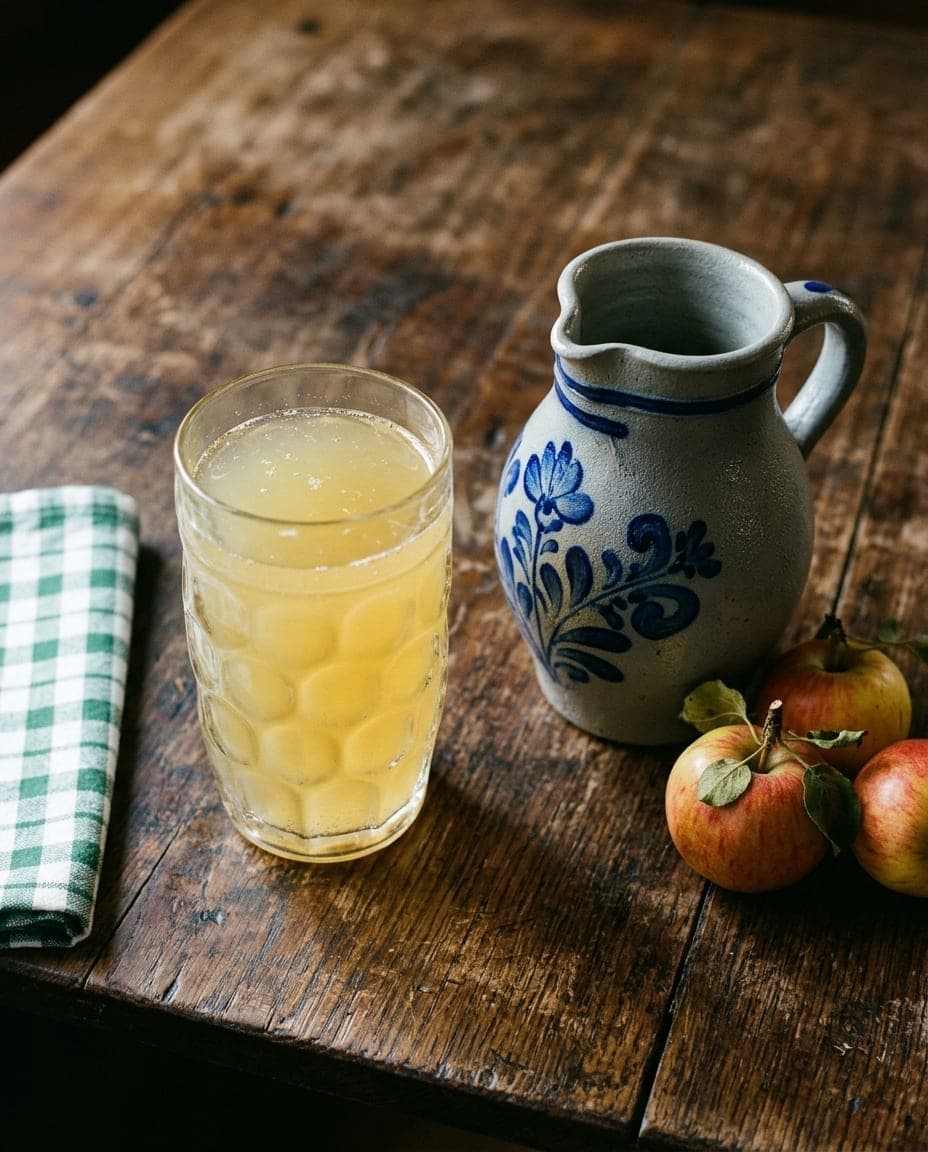
Döppekooche is usually served as a main course, cut into wedges and placed on a large plate. The heavy crust is broken with a knife before the soft potato interior is revealed. It is almost always accompanied by apple sauce or apple compote, which provides a sharp, sweet contrast to the salty, smoky potatoes and bacon. Buttered rye bread or a small salad may also be served alongside.
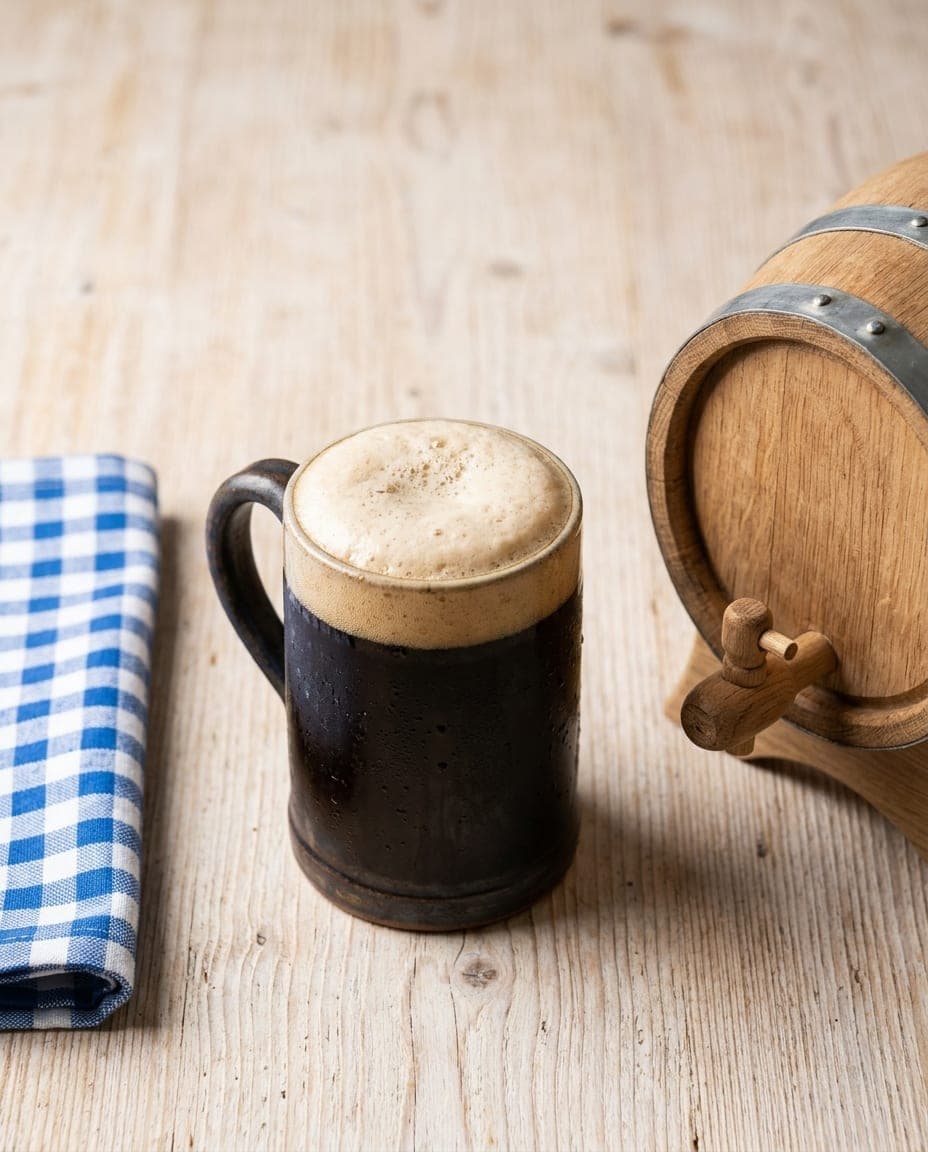
The dish is best eaten in an Eifel Gasthaus, a traditional inn that serves regional food. In the colder months, some of them serve the cake fresh from the oven. A glass of Kölsch or pils is the standard companion, the beer's carbonation helping to balance the heaviness of the potato and bacon.
Where it belongs
The dish is a regional speciality, not found nationwide across Germany. It thrives in the Eifel and across the Rhineland. In these areas, the Döppe remains a symbol of winter cooking, and the potato cake appears on menus especially around St Martin's Day.
In many villages, the recipe is passed down within families, with each household guarding its own variation of the mix. Some add more bacon, others rely on onions for sweetness, but the method of baking in the heavy pot remains constant. The dish reflects the farming history of the region, where root vegetables and preserved meats were the staples of winter meals.
Curious facts
- The name changes. While Döppekooche is common in the Rhineland, related versions are known as Dippekuchen, Kesselskooche, Dibbelabbes or Potthucke depending on the area.
- A poor man's Martinmas. The dish is tied to St Martin's Day in November, when it stood in for the roast goose that poorer families could not afford.
- The crust is key. The hard, dark outer layer forms during the long bake in the heavy pot; frying the same mixture produces a different texture.
- Sweet and salty. Apple sauce is essential to the dish, balancing the savoury bacon and potato with a sharp sweetness.
- Regional roots. It is a speciality of the Rhineland in North Rhine-Westphalia and Rhineland-Palatinate and is rarely found elsewhere in Germany.
Where to try it
2 destinations
 Cabins
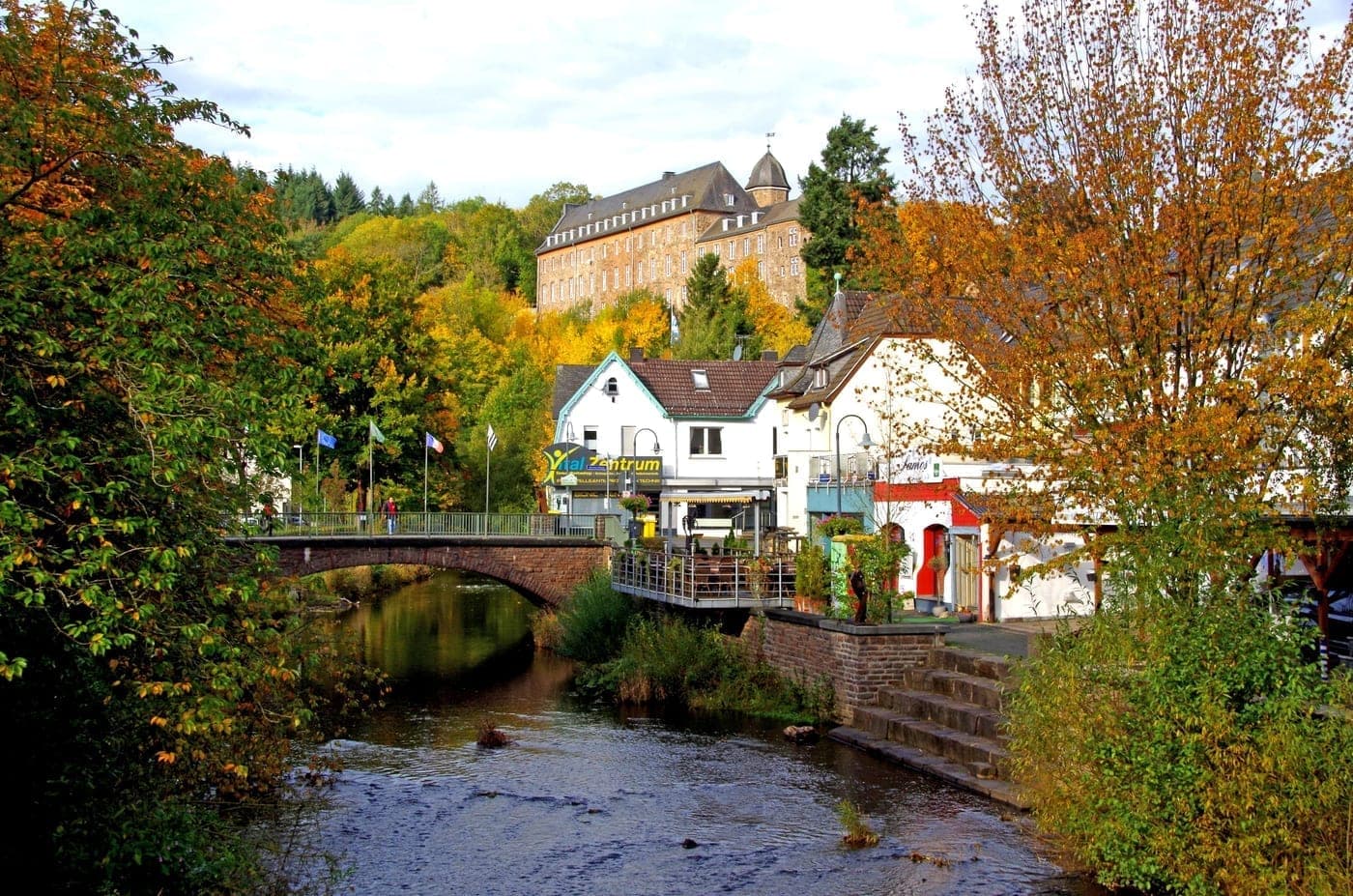
Schleiden
Charming town nestled in the Eifel region, known for its historic half-timbered houses.
CabinsHiking
1 region
 Cabins10 destinations
Rhineland-Palatinate
Rhineland-Palatinate is Germany's largest wine-producing region, renowned for its diverse vineyards and picturesque landscapes along the Rhine and Moselle rivers. The region features historic cities like Mainz, famous for its Gutenberg Museum, and Trier, home to well-preserved Roman ruins, including the Porta Nigra. Koblenz marks the confluence of the Rhine and Moselle and is known for its Ehrenbreitstein Fortress. The region is also celebrated for its rich culinary traditions, including hearty dishes and fine Riesling wines. Unique villages such as Cochem and Rüdesheim invite exploration of local culture and festivals, offering a glimpse into traditional German life amidst stunning natural beauty.
CabinsHikingCastlesCamper Van Rentals