Buletten
Berlin's pan-fried minced meat patties with mustard
- Local name
- Buletten
- Served with
- Mustard, roll, potato salad
- Best eaten at
- A Berlin Eckkneipe
- Pairs with
- Berliner Pilsner
What they are
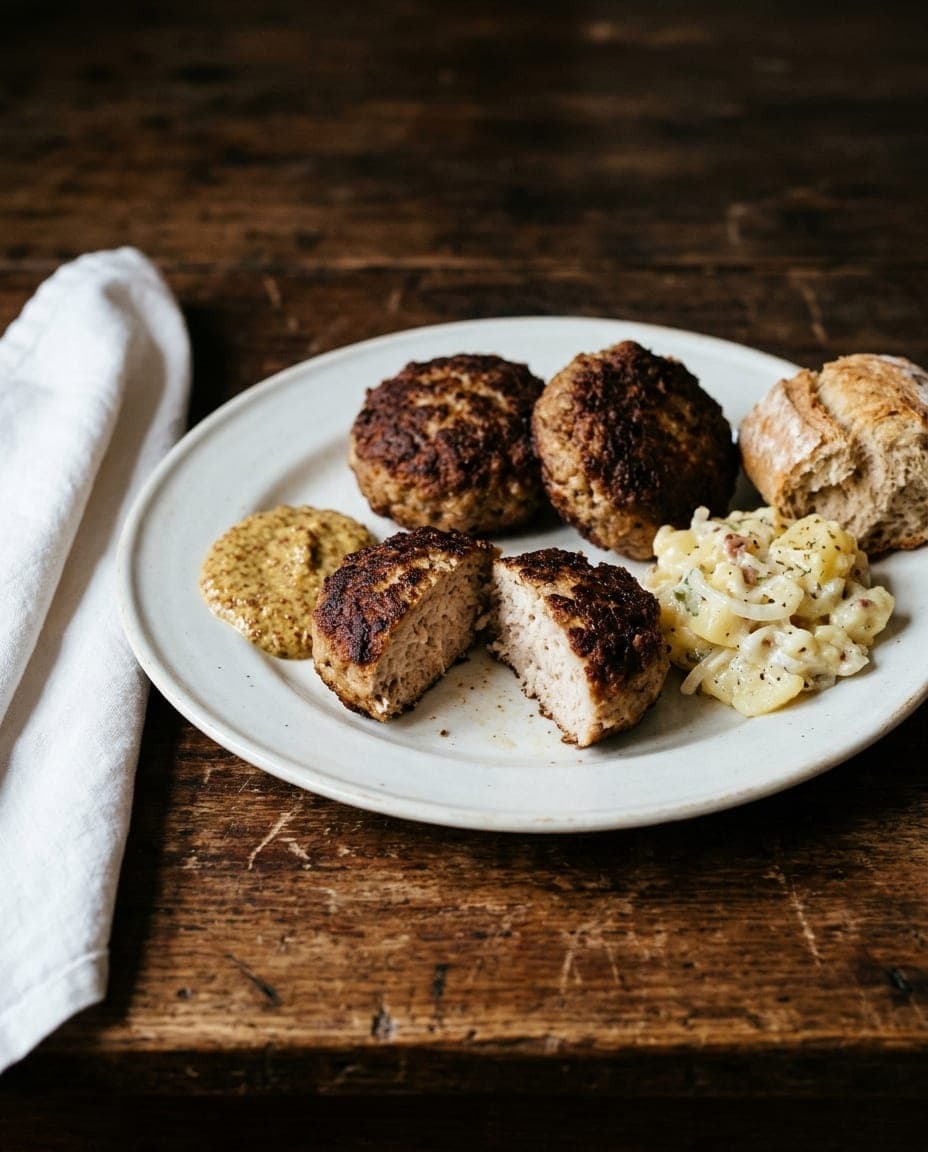
Buletten are Berlin's answer to a quick, hearty meal. They are flat, pan-fried patties of minced beef and pork, often eaten warm as part of a lunch plate or cold as a handheld snack. The name is distinctly Berlin and Brandenburg; elsewhere in Germany the same dish carries different titles such as Frikadelle or Fleischpflanzerl, but the locals stick to the French-derived word Bulette.
What sets them apart from a standard hamburger patty is the inclusion of a soaked bread roll. The bread absorbs the meat juices and keeps the texture soft rather than dry. The mixture is bound with egg and typically seasoned with onion, mustard, marjoram, salt and pepper, then shaped by hand into flat discs and fried until golden brown on both sides.
They are not an elaborate dish. There is no complex sauce or garnish to hide behind. Instead, they rely on the quality of the meat and the balance of spices. A proper Bulette has a crisp edge but yields easily in the middle. They are simple enough to be cooked in a home kitchen, and many corner pubs in Berlin have their own version.
The name and the shape
The word Bulette comes from the French boulette, meaning "little ball" or "small meatball", a diminutive of boule. The word is usually said to have been brought to Berlin and Brandenburg by the Huguenot refugees who settled there from the late 17th century. In Bavaria, the dish is called Fleischpflanzerl, from an older Fleischpfannzelte, a flat meat cake from the pan, and in Franconia Fleischküchle.
The soaked bread roll is the defining feature of the German version. It acts as a binder and a moisture keeper, preventing the meat from becoming tough during frying. Using stale bread to stretch the meat was a practical habit in thrifty kitchens that eventually became a culinary tradition.
How they are eaten
How Buletten are eaten depends on the time of day and the setting. At lunch, they are served hot on a plate with a side of potato salad and a generous dollop of mustard. Berlin households argue over whether the potato salad should be dressed with vinegar and oil or bound with mayonnaise. A fresh roll, or Schrippe as Berliners call it, is often served alongside.
In the afternoon or evening, the experience changes. The cold Bulette, kept on the counter of a corner pub, at a butcher's or a snack stand, is eaten from the hand with a dab of mustard, often standing up. It is a casual, no-frills way to have a meal that does not require sitting down at a table.
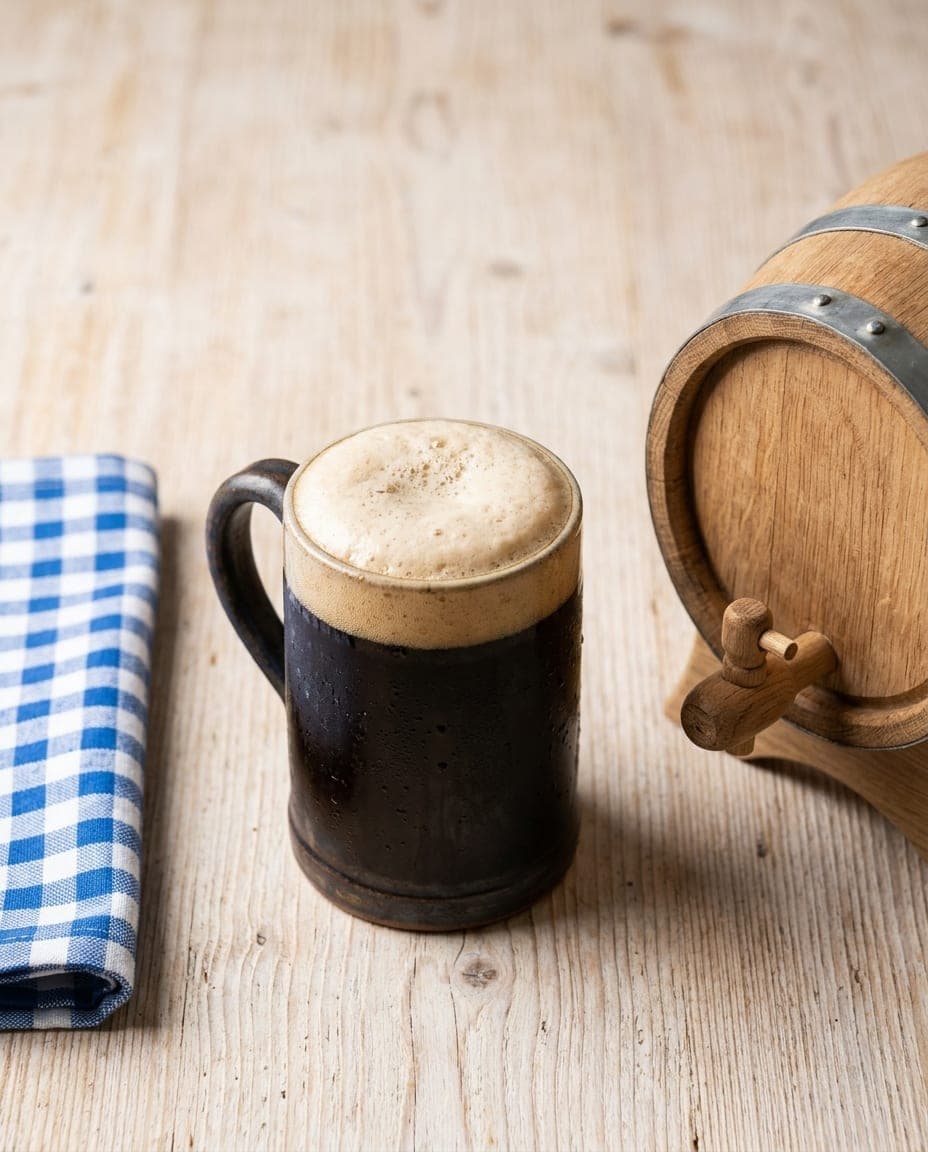
Corner pubs are unpretentious spots where locals gather for a beer and a snack. Buletten may come with a side of pickles or a simple salad, but the focus remains on the meat itself. A cold Berliner Pilsner is the traditional drink to accompany the meal.
Curious facts
- A shared name. The word Bulette belongs to Berlin and Brandenburg; elsewhere, the dish is usually called Frikadelle, Fleischpflanzerl or Fleischküchle.
- The bread secret. The soaked roll is essential for keeping the texture soft.
- A Huguenot word. The name is usually traced to the French-speaking Huguenots who settled in Berlin in the late 17th century.
- Mustard pairing. Strong German mustard is the standard accompaniment, whether served on the plate or on the side for dipping.
- Regional variations. While the core ingredients remain similar, the seasoning of marjoram and onion can vary slightly from one kitchen to another.
Where to try them
The most authentic Buletten are found in Berlin's Eckkneipen. These corner pubs offer the traditional way of eating them, whether hot with potato salad or cold on the go.
Where to try it
1 region
 Boat Rentals2 destinations
Berlin
Germany's capital is a vibrant hub blending history, culture, and innovation. It is renowned for its diverse neighborhoods, each offering unique experiences. Kreuzberg, once a border district, showcases multicultural influences and street art. The historic Mitte area houses Museum Island, a UNESCO World Heritage site with five museums featuring art and antiquities. Berlin's rich history is palpable in sites like the Berlin Wall and Brandenburg Gate. The city is also known for its dynamic culinary scene, from traditional currywurst to avant-garde dining. Parks like Tiergarten provide urban green spaces, while the Spree River offers a chance to explore by boat. Art and music thrive in venues across the city, making it a dynamic destination for culture enthusiasts.
Boat RentalsCamper Van RentalsHiking