Tartiflette
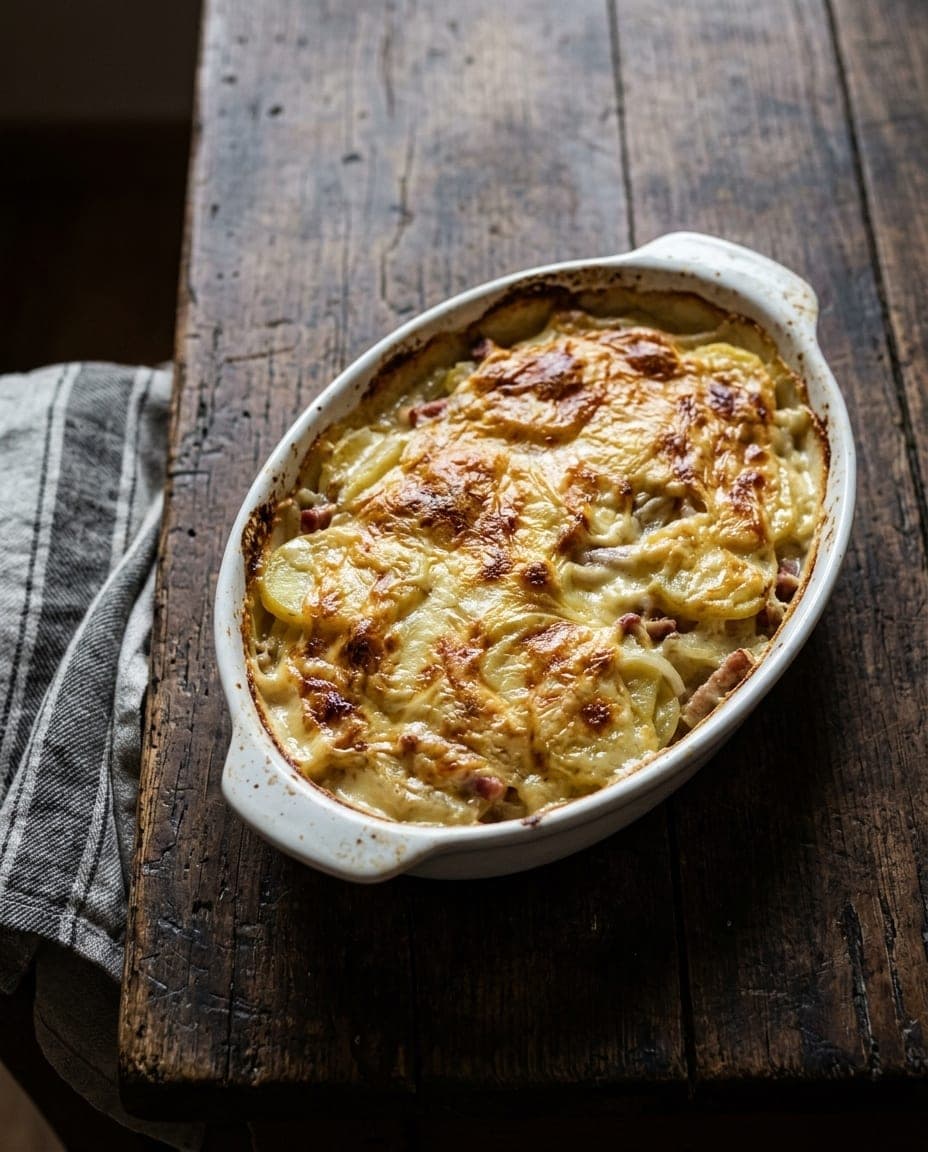
A baked dish of potatoes, lardons and onions crowned with a whole Reblochon
- Local name
- Tartiflette
- Served with
- Green salad, charcuterie
- Best eaten at
- A Savoyard ski-resort restaurant
- Pairs with
- Savoie white (Apremont)
What it is
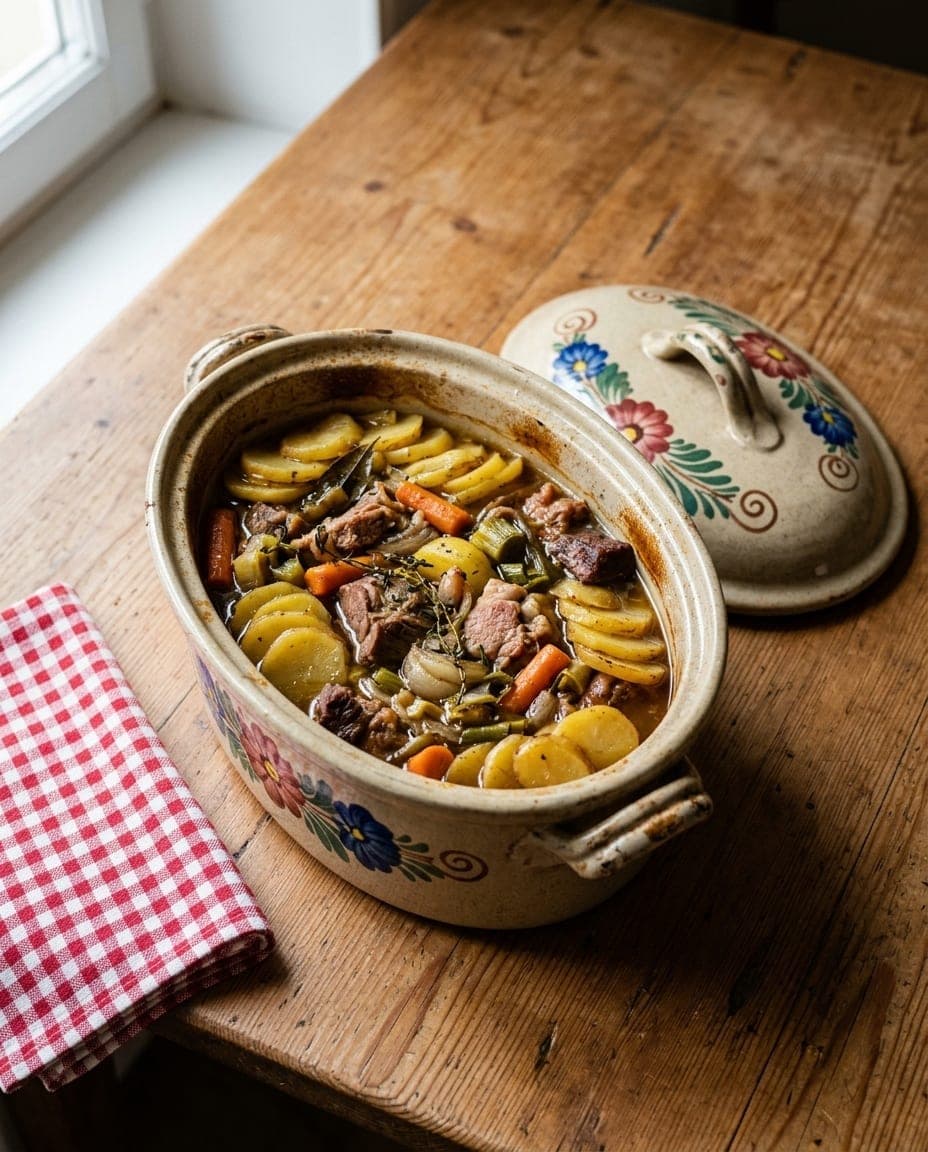
Tartiflette is a deep, potato-based bake that belongs firmly to the Savoyard mountains of eastern France. It consists of sliced potatoes, onions and lardons (smoked pork belly) layered in a baking dish and covered with a whole Reblochon cheese, usually halved horizontally and laid rind side up. The cheese melts down through the layers, binding the ingredients into a single, rich mass that is often served as a main course.
The dish is not a relic of medieval peasant cooking, despite its appearance as a traditional mountain staple. In its modern form it is a relatively recent creation, popularised in the 1980s by the Reblochon producers' trade body to boost sales of the cheese. The concept took hold so quickly that it now feels like an ancient tradition. Its heartland is the Savoie and Haute-Savoie, especially the ski resorts, though it has since become a winter favourite across France.
The result is a dish of deep savoury notes, with the salty pork and sweet onions balancing against the nutty, creamy flavour of the melting cheese. A single portion is substantial enough to be a full meal. It is not a starter, but a main event that arrives hot from the oven, bubbling and golden.
The history of a marketing success
The story of tartiflette is one of modern promotion built on an older base. The Aravis mountains had long known péla, a gratin of potatoes, onions and cheese cooked in a long-handled pan over the fire rather than baked in an oven under a whole cheese. Potato dishes of this kind were everyday mountain food.
In the 1980s, the Syndicat Interprofessionnel du Reblochon, the cheese's trade body, promoted a recipe inspired by the péla as a way to sell more Reblochon. It combined the existing potato-and-cheese tradition with the drama of a whole melted cheese on top, and it was easy for mountain restaurants to prepare in quantity.
The name comes from tartifles (in Arpitan tartiflâ), the Savoyard word for potatoes. The promotion worked. Skiers returning from the slopes embraced a warm, shareable meal, and the recipe spread from resort restaurants to home kitchens and supermarket shelves, becoming the emblematic winter dish of Savoie.
What goes into it
The components of a tartiflette are simple, and local custom is protective of them:
- Potatoes: Usually a firm, waxy variety, sliced and cooked before baking so that they soften properly in the oven.
- Lardons: Small cubes of smoked pork belly that render their fat during cooking, adding saltiness and texture.
- Onions: Sliced and cooked until soft and sweet to balance the fat of the cheese and pork.
- Reblochon: A soft, washed-rind cheese from the Savoie mountains, protected by an AOC since 1958. The whole cheese is cut in half horizontally and laid on top, rind upwards.
- White wine: An optional splash of dry local white such as Apremont, added to the onions for acidity.
- Crème fraîche: Added in many versions to enrich the dish, though purists rely on the cheese alone.
The dish is not vegetarian: besides the lardons, Reblochon is made with animal rennet. The cheese must be a true Reblochon; using a different soft cheese changes the character of the bake entirely.
How it is eaten
Tartiflette is almost always served as a main course, typically for lunch after a morning on the slopes or for dinner in a mountain restaurant. It often arrives in the baking dish itself, still bubbling, and is meant to be shared.
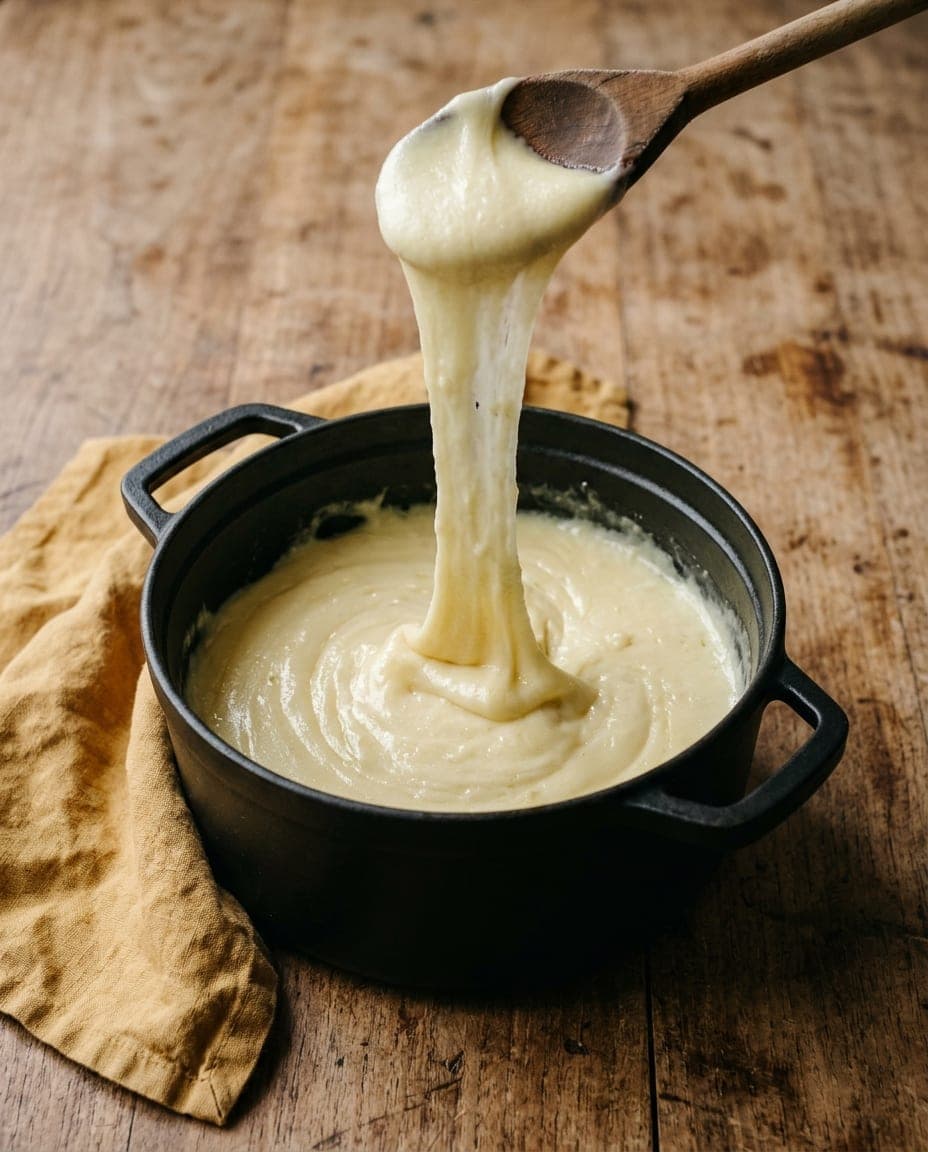
The cheese forms a golden, stretchy layer that binds the potatoes and lardons together. Diners use a large spoon to scoop up a generous portion, making sure to get some of the crisp edges and the salty lardons.
A traditional accompaniment is a simple green salad dressed with a sharp vinaigrette, whose acidity cuts the richness. Charcuterie, such as jambon de Savoie, may also appear alongside. For drinks, a glass of dry Savoie white, particularly an Apremont or Abymes, is the standard pairing; its crispness complements the cheese without overwhelming it.
Where the story began
The dish is tied to the home of Reblochon: the Aravis and the valleys around Thônes in Haute-Savoie, where the cheese has been made for centuries and where the péla tradition is strongest. No single chalet or village can claim the first tartiflette.
The dish's success lies in its simplicity. It uses ingredients that are easy to keep in a mountain kitchen: potatoes, onions, lardons and a wheel of cheese. Over time, the recipe became so entrenched that it is now hard to imagine an Alpine winter menu without it.
The tartiflette represents a moment when French regional cuisine embraced modern marketing while keeping a connection to local produce. Its story is a reminder that some "traditional" dishes are the result of clever planning and a desire to keep local producers in business.
Curious facts
- A winter dish. Tartiflette is above all a ski-season dish, most at home on mountain menus from November to March.
- The cheese goes on rind up. The Reblochon is cut in half horizontally and laid on top so that it melts down into the potatoes.
- A marketing success story. The Reblochon trade body's promotion in the 1980s turned a mountain potato gratin into a national favourite.
- The name means potato. Tartifles is the Savoyard word for potatoes.
- Served in the baking dish. It is usually presented in the dish it was cooked in, still bubbling.
Where to try it
The best place to eat tartiflette is a mountain restaurant in the Savoie or Haute-Savoie during the winter months, ideally in the Aravis, the home of Reblochon. It is found across France in winter, but nowhere does it taste more at home than after a day in the snow. In summer it is less common, when lighter meals take precedence. Some restaurants offer variations with mushrooms or other additions, but the classic version remains the most popular.
Where to try it
1 region
 Wine Tasting25 destinations
Auvergne-Rhône-Alpes
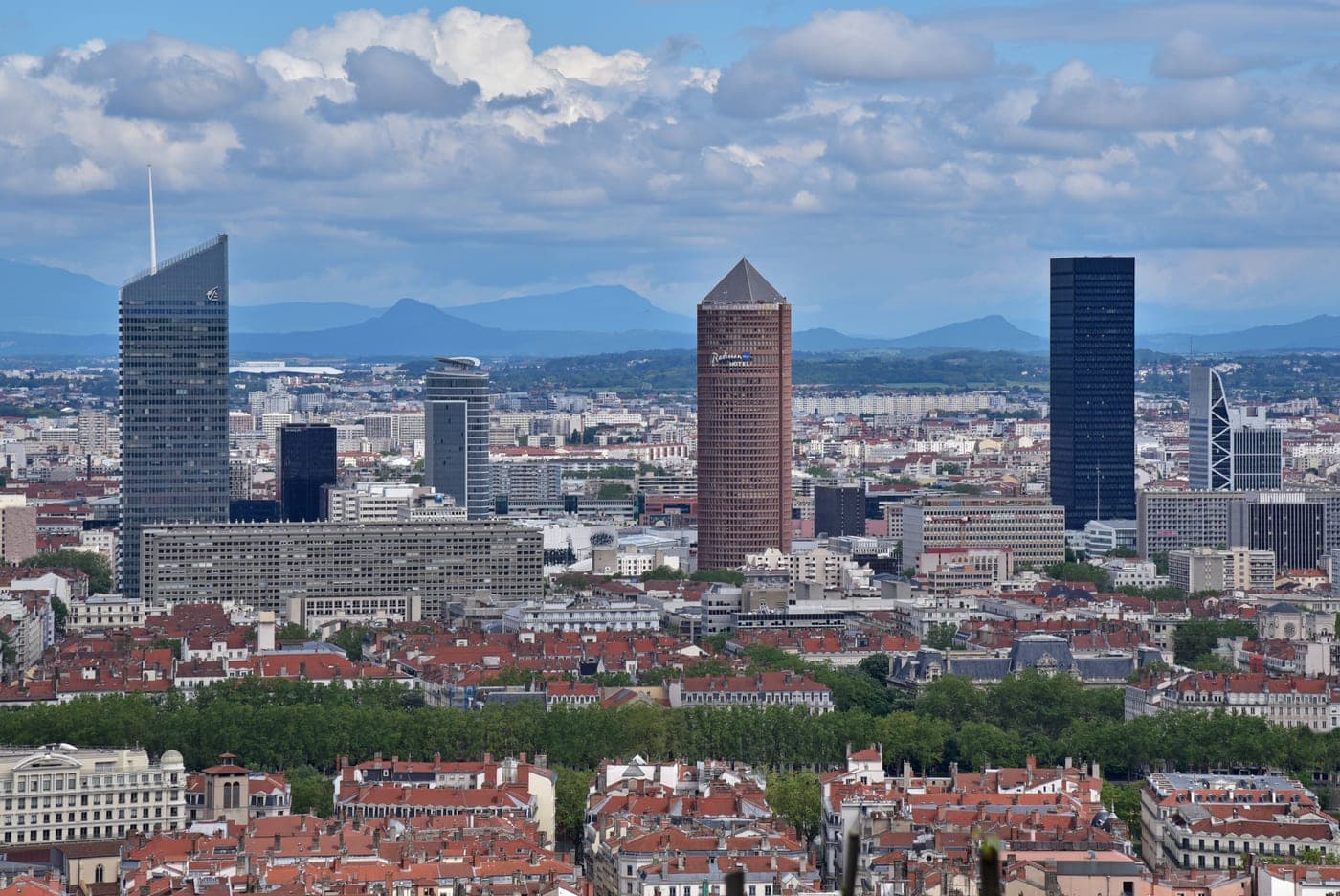
Nestled in the heart of France, this region is the second-largest, known for its diverse landscapes from the rugged mountains of the Alps to the volcanic terrain of the Massif Central. Lyon serves as a vibrant urban center, celebrated for its gastronomy and silk heritage. Off the beaten path, explore the historic villages of Le Puy-en-Velay, famed for its unique lentils and pilgrimage routes, or the picturesque landscapes of the Ardèche, with its stunning gorges. The region is also home to the picturesque vineyards of Beaujolais, producing renowned wines, and the stunning Lac d'Aiguebelette, one of the cleanest lakes in France. Seasonal festivals, like the Fête de la Gastronomie, showcase the local culinary delights, making this area rich in culture and history, ideal for a deep exploration of French traditions.
Wine TastingCamper Van RentalsHikingCastles