Saucisse de Toulouse
Coarse pork sausage from Toulouse, essential to cassoulet
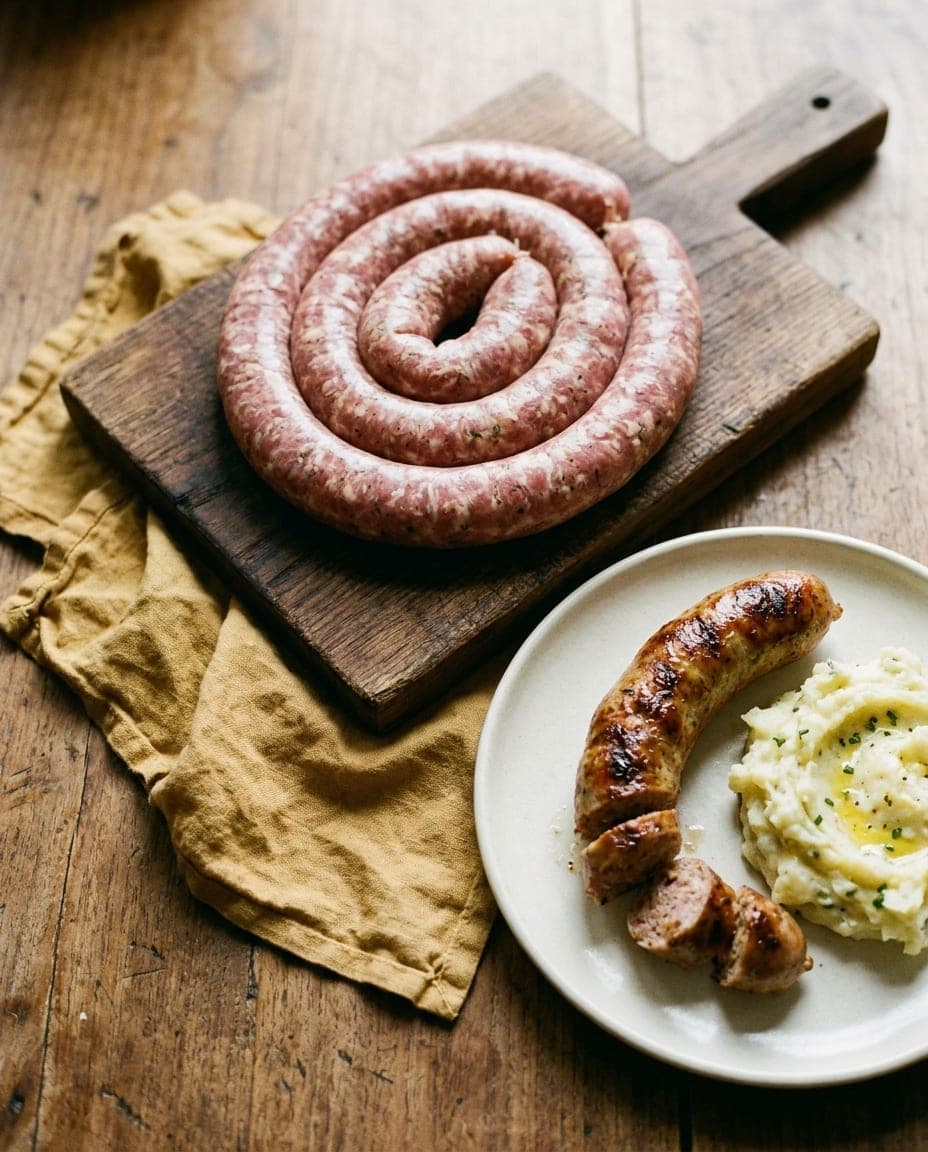
- Local name
- Saucisse de Toulouse
- Served with
- Cassoulet or mashed potatoes
- Best eaten at
- Toulouse's Marché Victor Hugo
- Pairs with
- Fronton or Cahors red
What it is
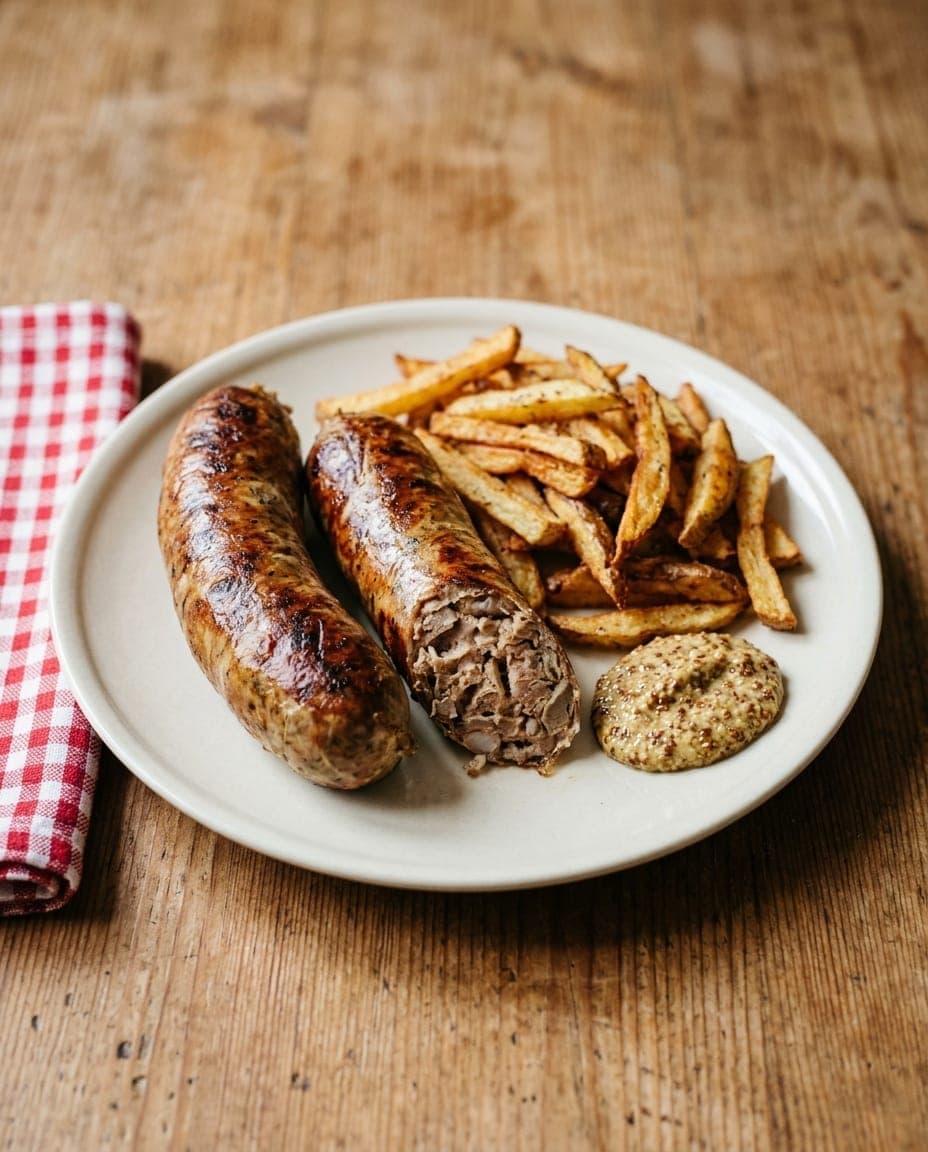
The saucisse de Toulouse is a coarse fresh pork sausage that forms the backbone of south-western French cooking, particularly in the city of Toulouse itself. It is not a cured product like a chorizo or a salami, nor is it a finely ground emulsion typical of many industrial sausages. Instead, it is a fresh meat preparation defined by its texture and simplicity. The sausage consists of coarsely chopped pork, lean meat with a good proportion of fat, seasoned essentially with salt and black pepper, sometimes with a touch of nutmeg or white wine. Traditional versions contain no artificial colourings and no fillers such as starch or breadcrumbs.
The visual identity of the sausage is distinct. It is usually sold not in individual links but as a long, continuous coil, often held flat by wooden skewers. The butcher cuts a length to the customer's requirement. The meat inside is visibly chunky, with pieces of lean pork set against the white of the fat. When cooked, the casing stays intact, giving way to a juicy interior that is rich without being greasy. It is a rustic ingredient, designed for hearty stews and simple grilling rather than delicate presentation.
Where it comes from
The sausage is bound up with the city of Toulouse and the wider Occitanie region in southern France. While pork sausages are common throughout France, this coarse, simply seasoned style became so closely associated with Toulouse that the city's name is now used for it across the country. It reflects a long tradition of pig-rearing and home charcuterie in the south-west.
Its reputation is linked to the region's most famous stew, the cassoulet. While the exact origins of the cassoulet are debated, with several towns claiming the title, the version from Toulouse relies heavily on this sausage, alongside the beans and duck or goose confit, and sometimes mutton, found in the pot. Over time, the saucisse de Toulouse became synonymous with the city's culinary identity and a defining element of Occitan cuisine.
The quality standard
The name itself is not protected, so sausages sold as "saucisse de Toulouse" elsewhere in France can vary. The French Label Rouge mark, however, covers a saucisse de Toulouse made to stricter rules: the pork must come from specified cuts such as ham, shoulder, loin, belly and hard back fat; the fat content is capped; the casing must be natural and uncoloured; and colourings are excluded, with only a few antioxidants allowed.
This quality mark distinguishes the traditional product from standard supermarket versions. It is not a protected geographical indication, meaning producers outside Toulouse may make the sausage, but the name and reputation remain firmly rooted in the city's local trade. The standard keeps the seasoning simple: salt, pepper and a small allowance of spices or wine, without masking the natural taste of the pork.
How it is prepared
The preparation of the saucisse de Toulouse requires care to preserve its texture. Because the meat is coarsely chopped and fatty, it can burst if cooked too aggressively. The traditional method involves grilling or pan-frying the sausage slowly over moderate heat, allowing the casing to brown gently while the interior heats through without splitting. When the sausage is intended for a stew like cassoulet, it is often browned first, then added to the pot where it simmers alongside the beans and meat.
What goes into it
The composition of the sausage is remarkably straightforward, relying on the quality of the raw materials rather than complex seasoning:
- Coarsely chopped pork: Lean meat cut or ground to retain distinct pieces, avoiding a fine mince.
- Pork fat: Added in proportion to ensure moisture and richness during cooking.
- Salt and black pepper: The essential seasoning.
- Optional nutmeg or white wine: Sometimes added in small quantities, but never enough to overpower the meat.
The mixture is stuffed into natural casings, usually pork intestine, about three centimetres across.
How to eat it
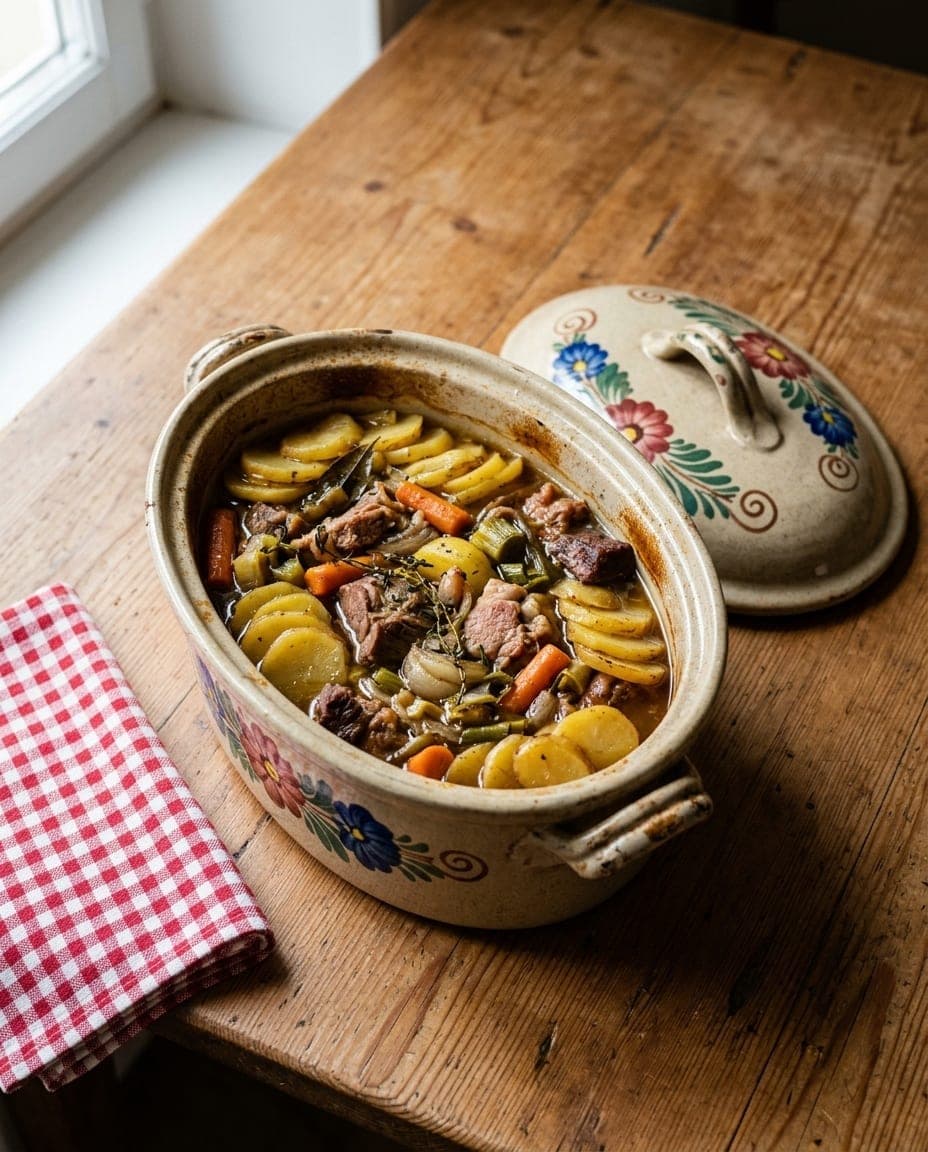
The most celebrated way to eat a saucisse de Toulouse is as part of a cassoulet. In this stew, the sausage is added in large pieces and cooked slowly with white beans, duck or goose confit and sometimes mutton or pork. The fat from the sausage melts into the beans, creating a rich sauce, while the meat becomes tender and absorbs the flavours of the stew.
When not used in a stew, the sausage is often grilled or fried simply and served with mashed potatoes, which soak up the savoury juices. A glass of red wine from the region pairs well with the dish. Wines such as Fronton or Cahors, both produced in Occitanie, offer tannins that cut through the fat of the pork. The sausage is substantial enough to serve as a main course on its own, often accompanied by a simple green salad.
For the most authentic experience, the Marché Victor Hugo in Toulouse is the place to go. This large covered market has many stalls dedicated to local charcuterie, where the fresh coils of sausage are cut to order. The market atmosphere provides context for the ingredient, showing it as a staple of daily life rather than a luxury item.
Curious facts
- The coil is continuous. Unlike most sausages sold in links, the traditional saucisse de Toulouse is made as a single long strand, coiled and held with skewers for display and sale.
- No fillers allowed. The Label Rouge rules list the permitted ingredients, leaving no room for starch or breadcrumbs, and exclude colourings.
- A cassoulet anchor. While cassoulet exists in several towns, the Toulouse version specifically relies on this coarse sausage as a key ingredient.
- The name is not protected. Unlike Morteau or Montbéliard sausages, saucisse de Toulouse has no geographical indication, so its quality depends on the producer or the Label Rouge rules.
- Local wine pairing. Red wines from nearby Fronton and Cahors are traditionally served with the sausage, matching their robust character to the meat's richness.
Where to try it
1 region
 Wine Tasting56 destinations
Occitanie
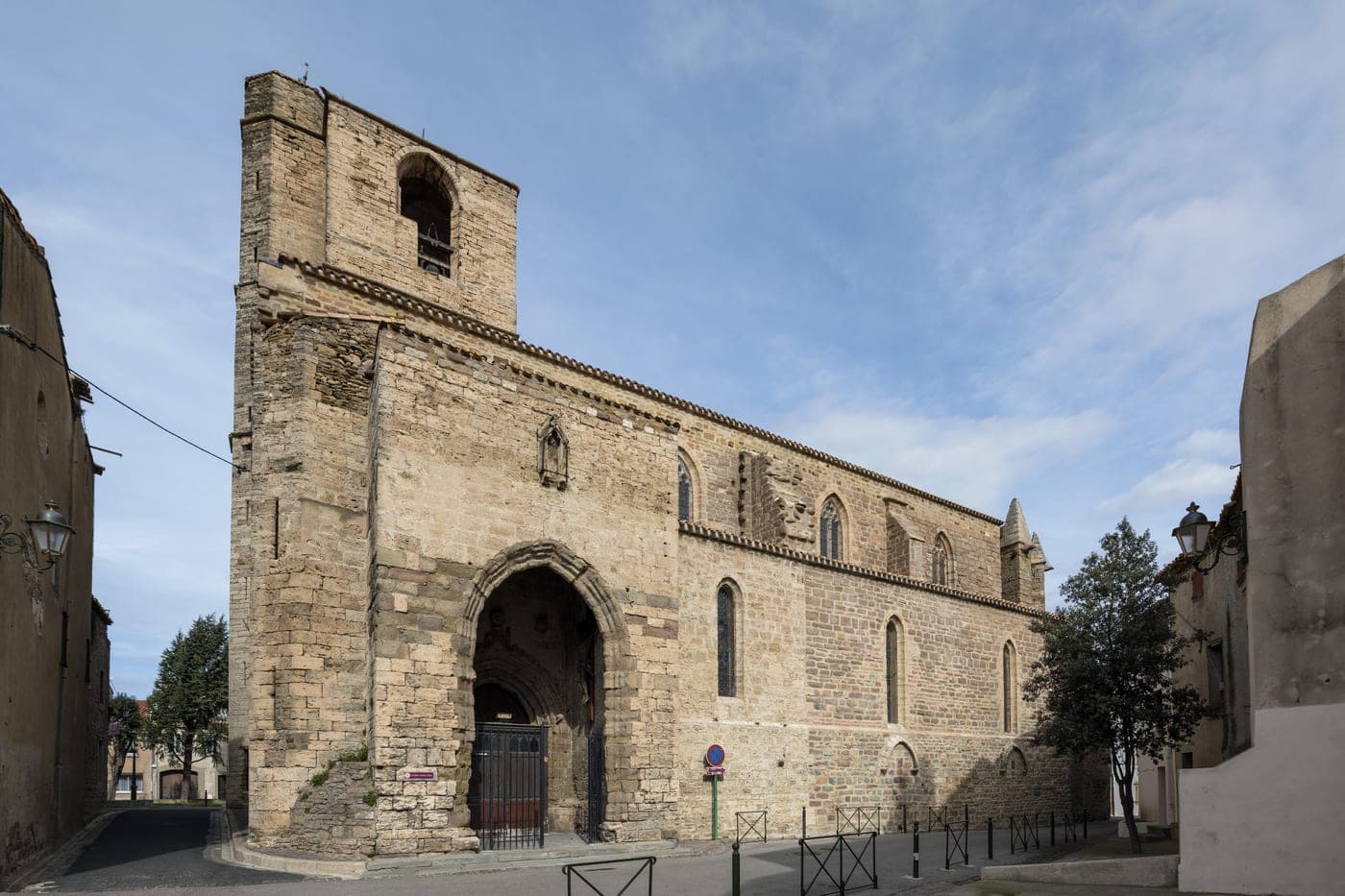
This region is the largest in France and boasts a diverse landscape, including the picturesque Pyrenees mountains and a stunning Mediterranean coastline. Historic cities like Toulouse, known for its pink terracotta buildings, and Montpellier, with its vibrant student life, offer rich cultural experiences. The region is also famous for its wine production, particularly in areas like Languedoc, where unique varietals thrive. Beyond the cities, explore the medieval charm of Carcassonne, a fortified town with a remarkable castle. Occitanie hosts vibrant local festivals celebrating its heritage, and its traditional cuisine features dishes like cassoulet and regional cheeses. With beautiful hiking trails and quaint villages, this region invites leisurely exploration.
Wine TastingHikingCastlesLocal Cuisine