Saucisse de Morteau
Conifer-smoked pork sausage from the Jura mountains, hung in a tuyé
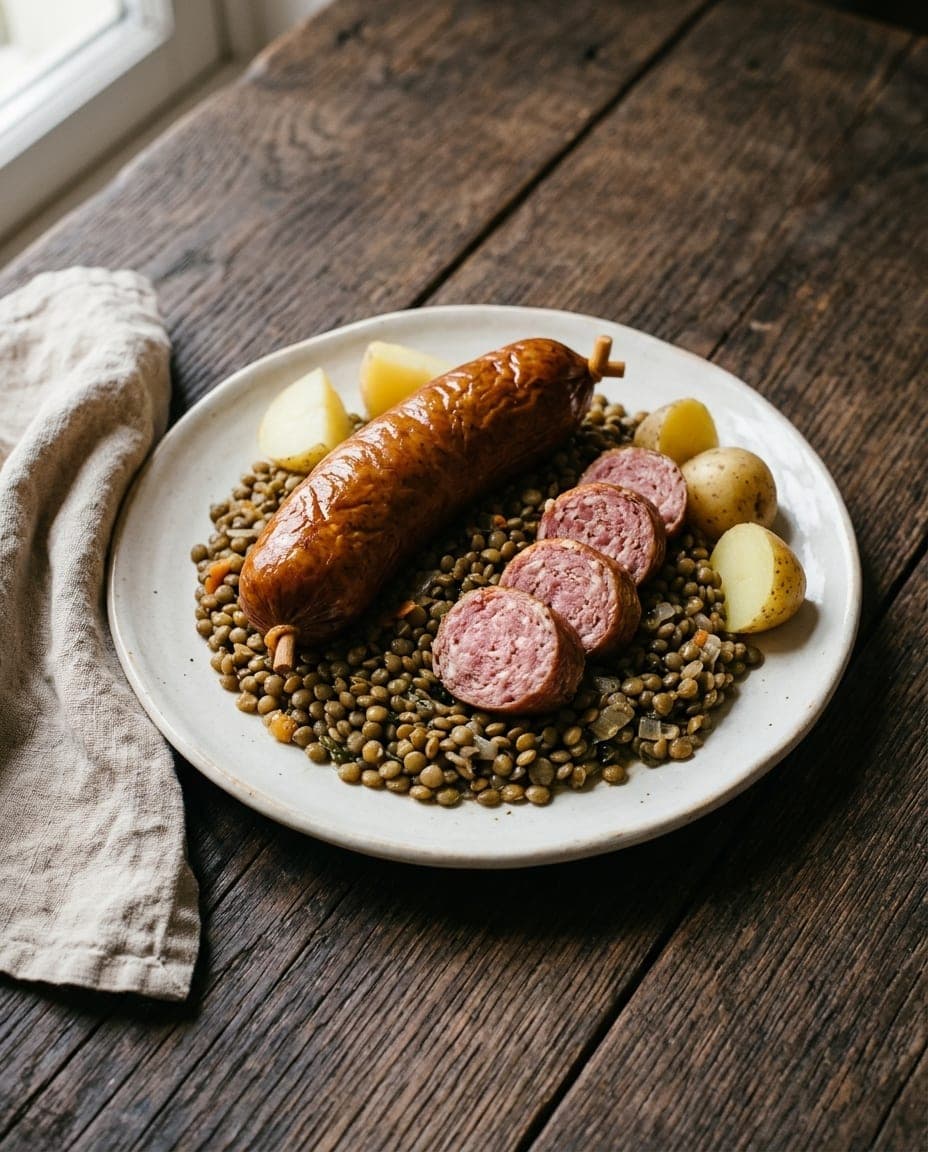
- Local name
- Saucisse de Morteau
- Served with
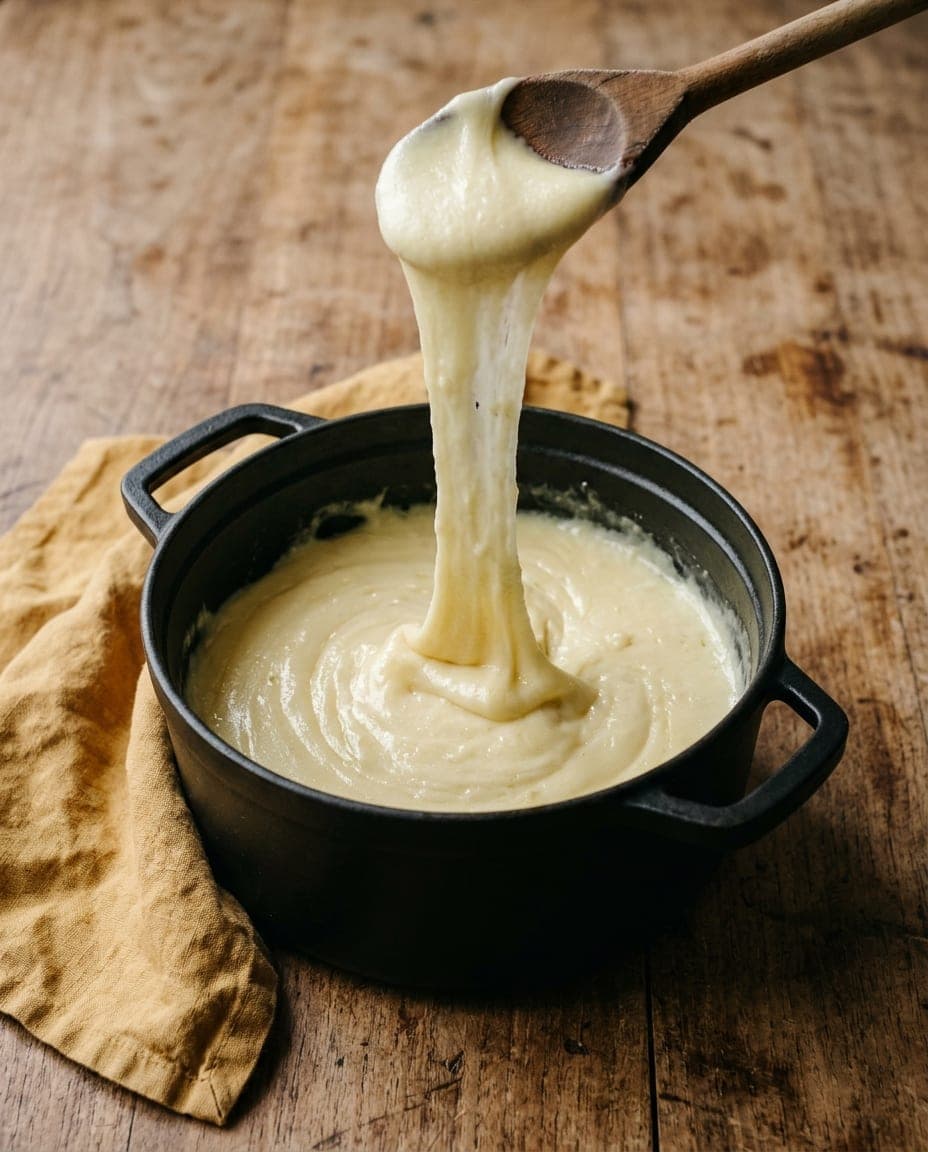
- Lentils, potatoes, cancoillotte
- Best eaten at
- A Haut-Doubs farmhouse inn
- Pairs with
- Jura red (Poulsard) or white
What it is
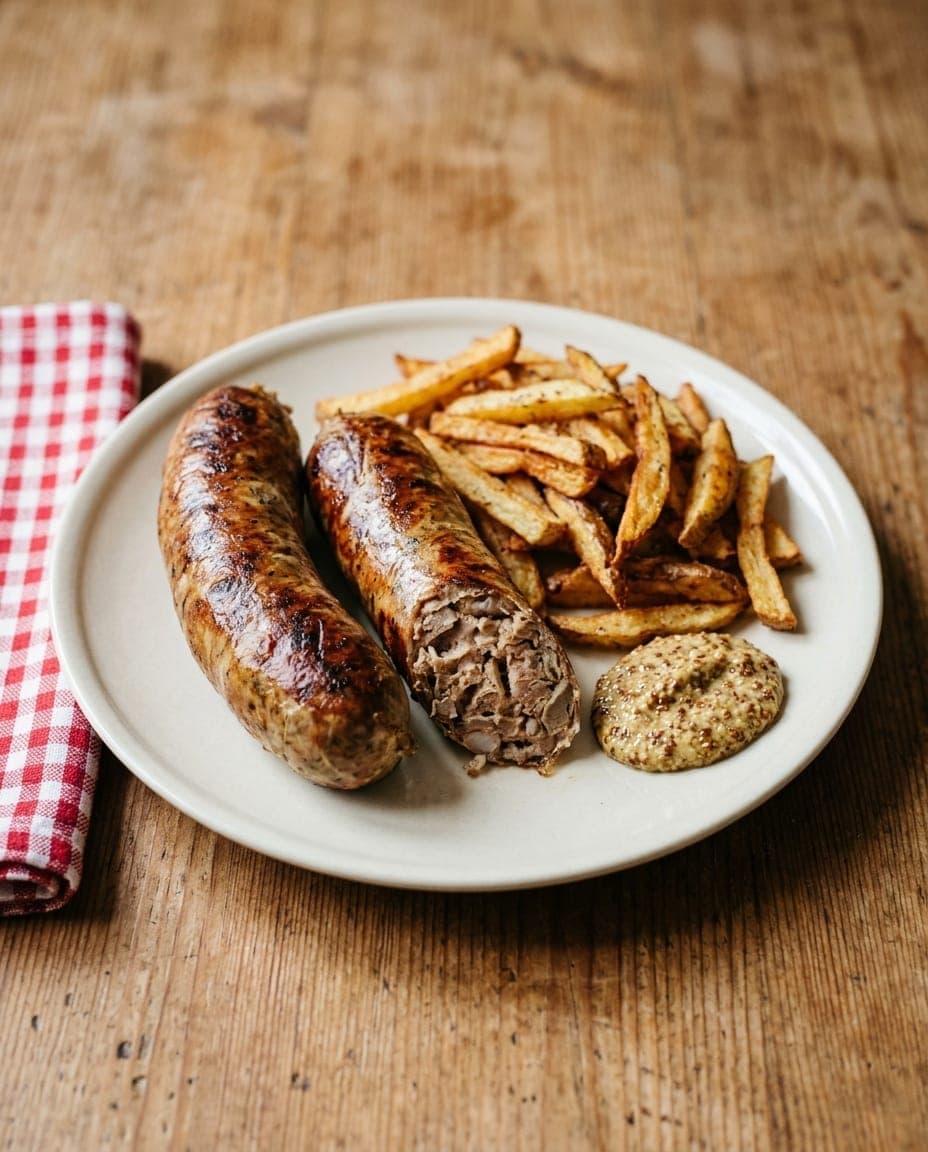
Saucisse de Morteau is a thick, coarsely chopped pork sausage from the Jura mountains, named after the town of Morteau in the Haut-Doubs near the Swiss border. It is not a soft fresh sausage but a salted, smoked one: in a traditional tuyé it is smoked over conifer sawdust and wood for at least 24 to 48 hours, depending on whether it was air-dried first. The result is a firm, golden-brown cylinder with a distinct smoky aroma and a texture that holds together firmly when sliced.
The most visible sign of its origin is the small wooden peg, known locally as a cheville, that closes one end of the casing. Historically it allowed the sausage to be hung in the smokehouse. The meat itself is pork, coarsely chopped and seasoned with salt and pepper, sometimes with garlic, shallot, cumin, coriander, nutmeg or wine, then stuffed into natural pork casings. The name has been a Protected Geographical Indication (PGI) since 2010, and production is limited to the four departments of the former Franche-Comté: Doubs, Jura, Haute-Saône and the Territoire de Belfort.
The sausage is not eaten raw. Its identity is tied to being gently poached, which warms the fat without breaking the casing. It arrives at the table as a hearty main component, often accompanied by lentils, potatoes, or cancoillotte, a runny cheese from the same region.
The architecture of the tuyé
The defining characteristic of Saucisse de Morteau is the method used to smoke it, which relies on a specific type of structure found in traditional Haut-Doubs farmhouses: the tuyé (also spelt thué). This is not a small metal smoker but a large chimney with a pyramid-shaped hood that rises through the house, where it once served both to heat the farm and to smoke its meat.
Smoke escapes continuously through a vent in the roof, which is fitted with flaps. Inside, the sausages hang on wooden poles well above the fire, in a cool, smoky environment.
The smoking process uses only sawdust and untreated wood from conifers such as spruce and fir; liquid smoke is banned. The smoking is slow and at low temperature, so it does not cook the meat but penetrates it gradually. In a tuyé the sausages hang for at least a day or two and no more than seven days, developing their signature colour and smoky depth.
How it is made and what goes into it
The recipe is simple by design, relying on the quality of the meat and the consistency of the smoke rather than complex spice blends. The pork, a mix of lean meat and hard fat, is coarsely chopped to retain a substantial texture, then mixed with salt and seasoning before being stuffed into natural pork casings. The casings may not be coloured; the hue comes from the smoke.
The wooden peg closes one end of the casing, and the sausages are then hung and smoked in the tuyé or a smokehouse for the required period.
When ready to eat, the sausage is not grilled or fried. It is gently poached in water that is kept just below the boiling point. Pricking the skin is avoided to prevent the loss of juices and fat. The cooking time is long enough to heat the meat through completely without making it dry or tough. This gentle method ensures the casing remains intact and the interior stays moist and tender.
How to eat it
Saucisse de Morteau is traditionally served as a substantial main course, usually at lunch or dinner. It arrives on the plate whole or sliced into thick rounds. The most common accompaniments are boiled potatoes, green lentils, or a side of cancoillotte, a runny cheese that is warmed into a creamy sauce to pour over the sausage and potatoes.
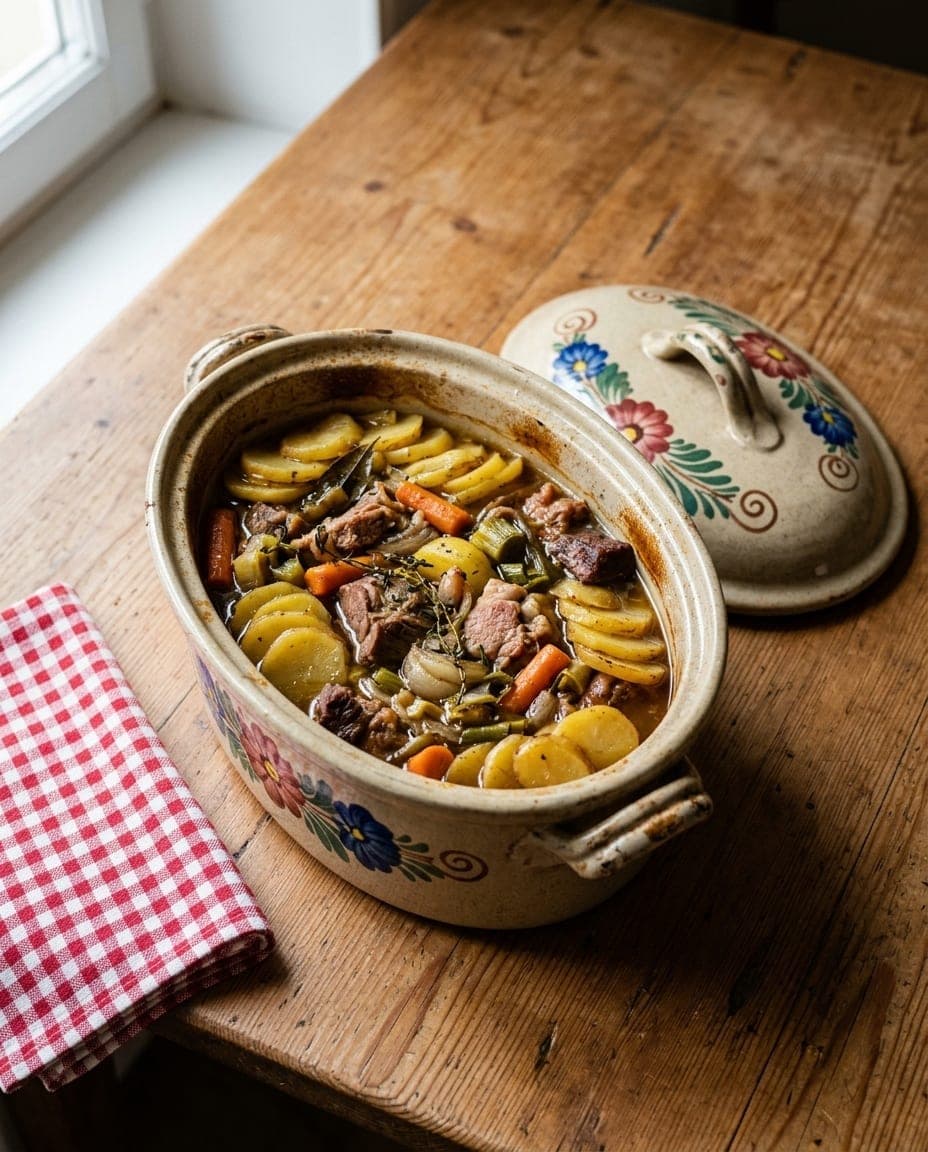
In a rustic setting, the sausage might be served in a potée, a traditional stew where the sausage is cooked in a pot of vegetables that have been simmering together for hours. The fat from the sausage enriches the broth, creating a savoury base that coats the vegetables.
The dish is rarely eaten alone. It pairs well with a glass of Jura red wine, particularly those made from the Poulsard grape, which offers a light, fruity acidity that cuts through the smoky richness. A crisp white wine from the same region can also work well for those who prefer a lighter profile. The wooden peg is removed before eating, and the sausage is eaten with a knife and fork.
Curious facts
- The wooden peg is essential. The cheville is a small wooden peg that closes one end of the casing. It is not edible and is removed before eating.
- It is a protected name. Saucisse de Morteau has been a PGI since 2010, which guarantees that only sausages produced in Franche-Comté to the specification can carry the name.
- The smoke is slow. Unlike grilled sausages, this meat is smoked at low temperature, allowing the smoke to penetrate slowly over a day or more without cooking the pork.
- It is not spicy. The seasoning is simple: salt and pepper, with optional garlic, shallot and a few mild spices; there is no paprika or chilli heat.
- A winter tradition. While available year-round, farmhouse smoking was historically linked to the cold months, when the pig was slaughtered and the tuyé fire was kept burning for heat.
- The cheese connection. The sausage is often paired with cancoillotte, a runny cheese served warm alongside the meat and potatoes.
Where to try it
The most authentic experience of Saucisse de Morteau is found in the Haut-Doubs, the high valley country around the town of Morteau, where smokehouses and farmhouse tuyés are still part of the landscape.
A stay at a rural guesthouse in the Doubs department offers the chance to see a tuyé up close and perhaps taste the sausage fresh from the pot. These establishments often serve the dish with locally grown potatoes or lentils.
Where to try it
1 region
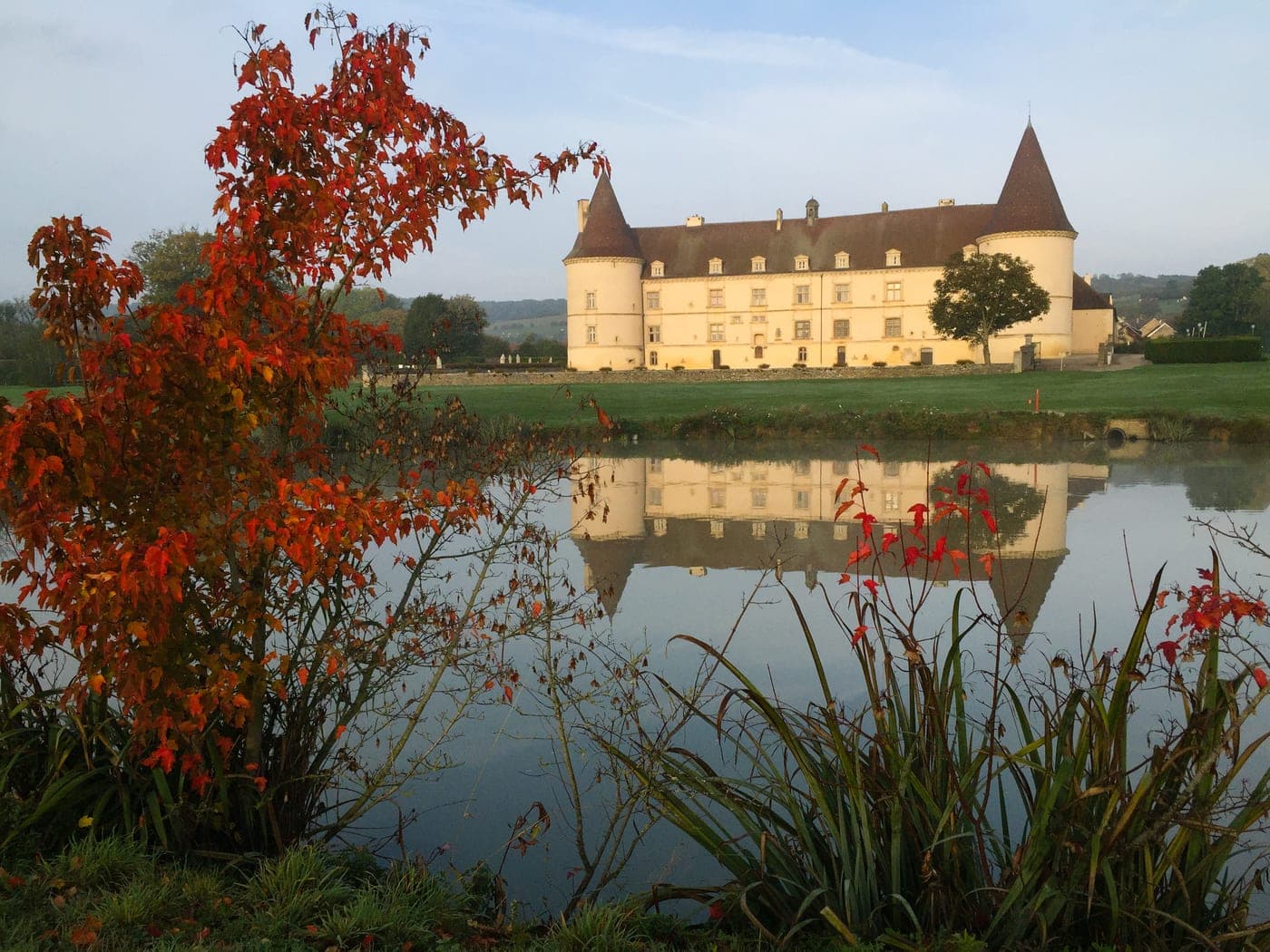 Castles5 destinations
Bourgogne-Franche-Comté
Bourgogne-Franche-Comté is France's largest region, rich in history and culture. It's renowned for its exceptional wines, particularly those from the Burgundy area, which produce some of the world's finest Pinot Noir and Chardonnay. The region features historic cities like Dijon, known for its mustard and vibrant markets, and Besançon, famous for its citadel and watchmaking heritage. Natural landscapes include the Jura mountains and the picturesque Doubs River, perfect for hiking and cycling. The region is dotted with charming villages such as Arbois and Nans-sous-Sainte-Anne, offering a taste of local crafts and cuisine. Festivals celebrating wine and regional traditions add to its cultural depth, attracting those looking to experience France beyond the usual tourist paths.
CastlesWine TastingHiking