Saint-Nectaire
Supple, nutty pressed cheese from Auvergne's volcanic pastures
- Local name
- Saint-Nectaire
- Served with
- Rye bread
- Pairs with
- Light Auvergne red
What it is
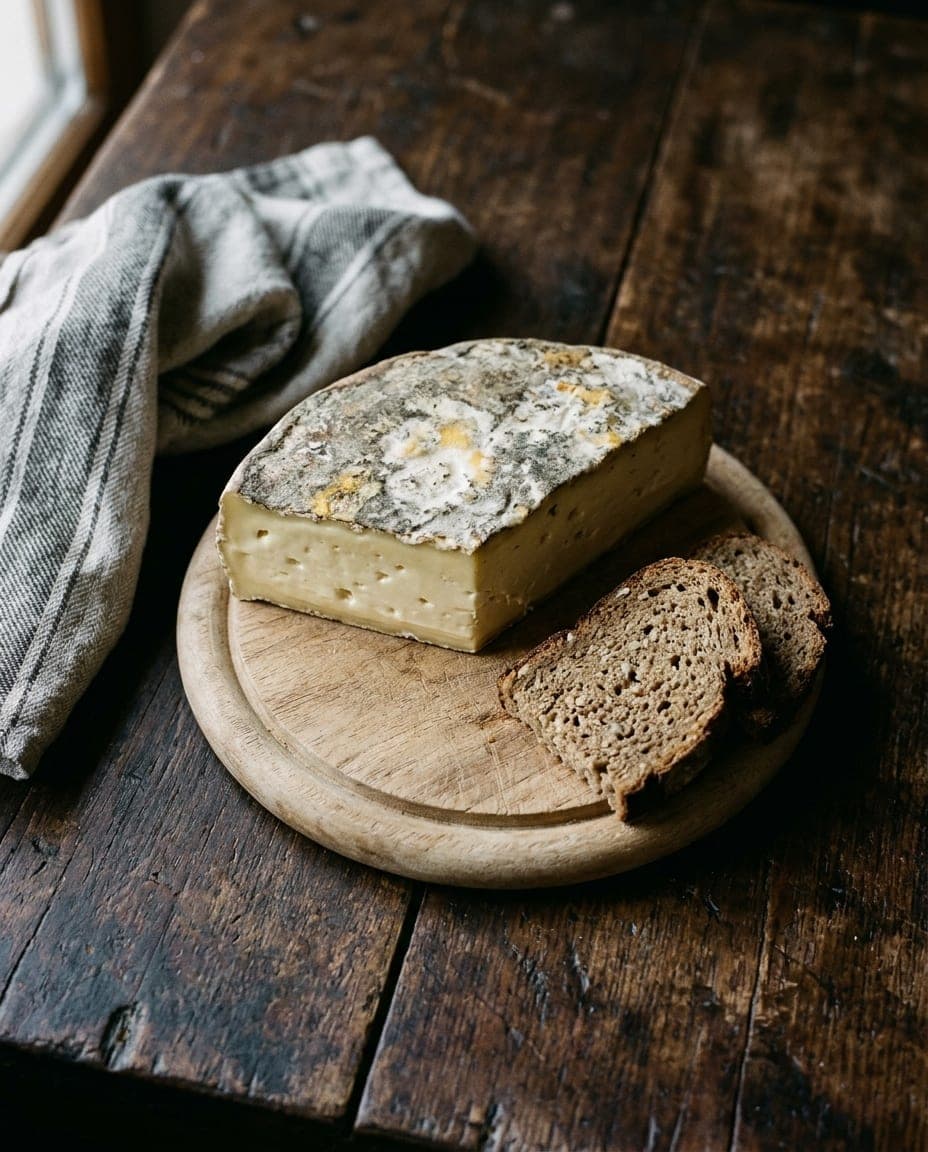
Saint-Nectaire is a semi-soft cheese made from cow's milk in the volcanic heart of France's Auvergne region. It comes from the Monts Dore and the Cézallier plateau, across parts of the Puy-de-Dôme and Cantal departments, where the landscape is defined by ancient lava flows and high pastures. The cheese arrives as a flat disc about 21 centimetres across and weighing around 1.7 kilograms. Its rind is grey-brown, mottled with patches of white, yellow and red moulds that give it a textured, earthy look.
Inside, the paste is pale and supple, holding its shape but yielding easily to the knife. The smell is distinct, carrying notes of a cool cellar and fresh mushrooms. The flavour is nutty and slightly tangy, with a gentle saltiness that deepens as the cheese matures. It is not a hard, crumbly variety; it is soft and supple yet firm enough to hold its form when sliced.
The cheese has been an appellation d'origine since 1955 and is now a Protected Designation of Origin (AOP), meaning it must be produced within the defined area using traditional methods, with strict rules on the milk and the maturation process.
The marshal and the king
Cheese has been made in these mountains since ancient times, but Saint-Nectaire owes its fame to the 17th century. Tradition holds that Henri de La Ferté-Senneterre, a Marshal of France, introduced the cheese to the court of King Louis XIV, where it was much appreciated. Whether the tale is entirely factual or a later embellishment, it has become an integral part of the cheese's identity.
The cheese takes its name from the village of Saint-Nectaire, located in the Auvergne volcanic range. The village is also known for its thermal springs and its Romanesque church.
The connection to the royal court helped secure the cheese's reputation, and it has since become a symbol of Auvergne's agricultural heritage.
How it is made and matured
The making of Saint-Nectaire relies on the specific conditions of the Auvergne region. The milk comes from cows that graze the volcanic pastures of the appellation area. The cheese is made in two forms: farm-made fermier, made from raw whole milk from a single farm straight after each of the two daily milkings, and dairy-made laitier, made from pasteurised milk collected from several farms in the zone.
The maturation process is where the cheese finds its true character. After being pressed into its flat disc shape, the wheels are placed in cool, damp cellars to age. These cellars are often built from volcanic stone, which helps maintain a stable temperature and humidity. During the first fortnight the cheeses are washed with salted water, then clear water, and turned regularly to form the rind. Ripening lasts at least 28 days.
Traditionally, the wheels rest on mats of rye straw, which absorb moisture and let the cheese breathe while its rind develops the mottling of white, yellow and red moulds.
What goes into it
Saint-Nectaire is a product of simple ingredients and careful attention. The primary components are:
- Cow's milk, from herds grazing the volcanic pastures of the appellation area.
- Rennet, which curdles the milk before the curd is pressed.
- Salt, used in the washing and salting that preserve the cheese and develop its flavour.
- The cellar environment, where cool temperatures and high humidity allow the cheese to mature slowly.
Farm-made versions carry an oval casein plate, while dairy versions display a square one. This is the most practical way for a buyer to distinguish the raw-milk fermier, with its grey rind and stronger flavour, from the milder laitier, whose rind is more yellow-orange.
How it is eaten
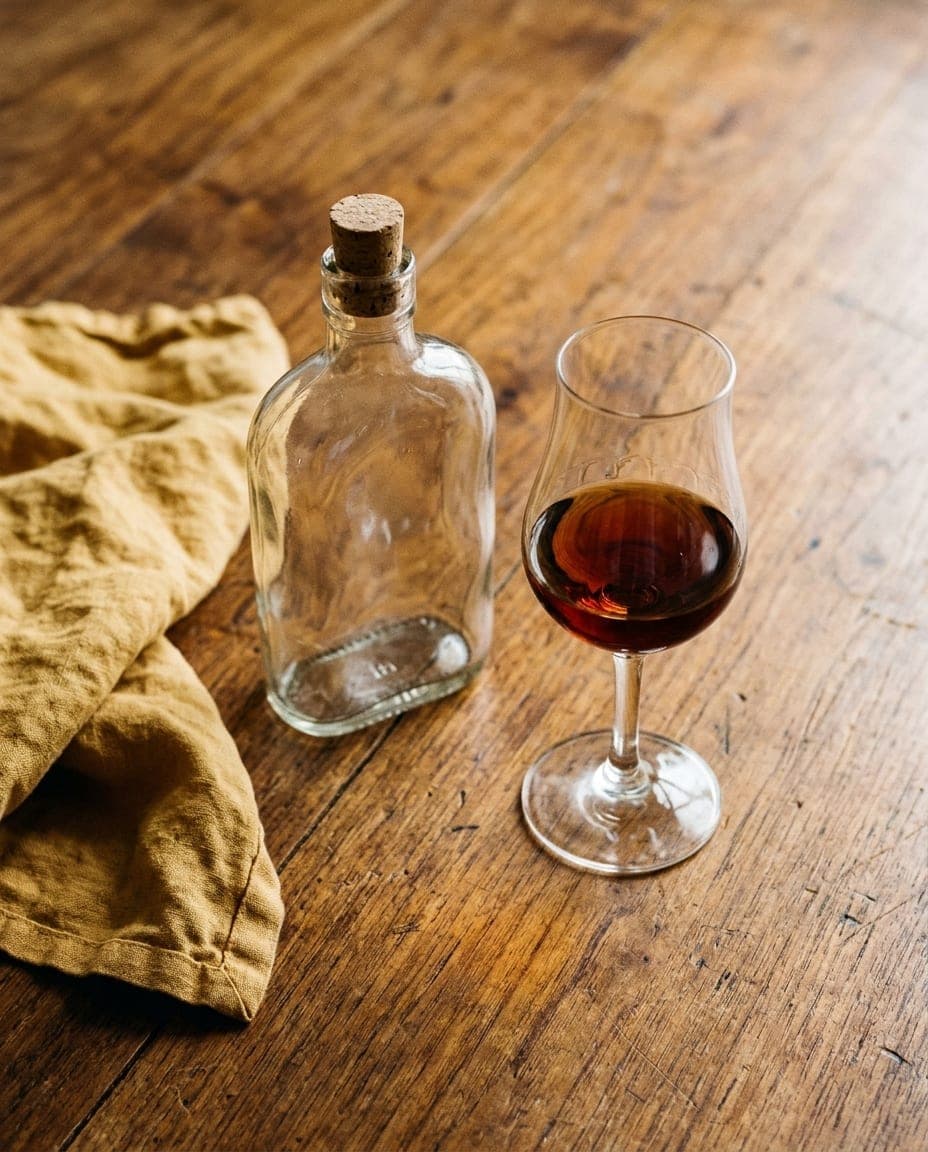
Saint-Nectaire is best enjoyed as it is, sliced from the wheel and placed on a plate to reach room temperature. The supple paste releases its aroma quickly, revealing the nutty and mushroomy notes that define it. It pairs naturally with rye bread, which complements the earthy tones of the cheese without overpowering them. A glass of light Auvergne red wine is a natural companion, offering a fruity contrast to the savoury depth of the cheese.
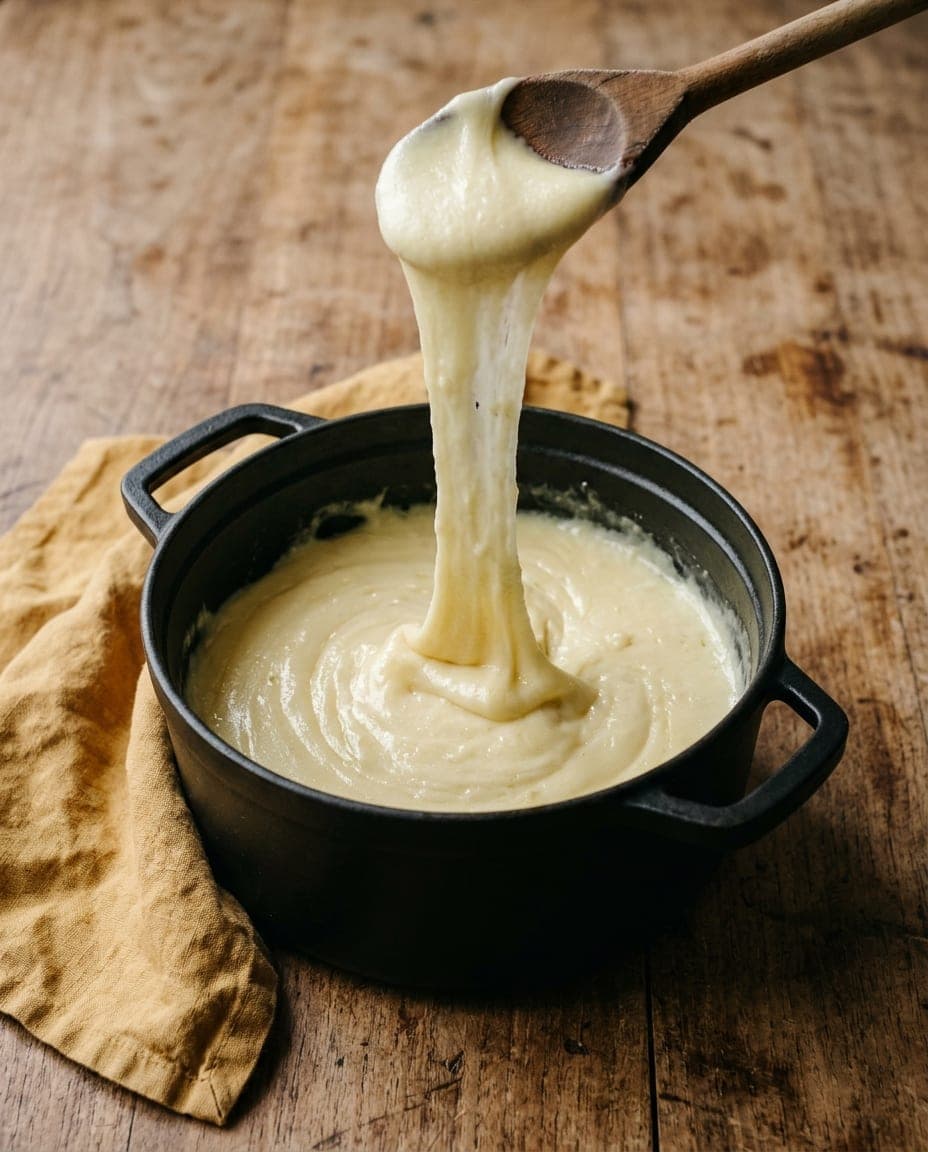
The cheese also plays a role in local cooking. It melts well and is used in gratins, tarts and potato dishes; some cooks use it in place of the fresh tomme that traditionally goes into truffade, a dish of fried potatoes and cheese.
Clermont-Ferrand, the main city of Auvergne, has markets and cheese shops where Saint-Nectaire is sold as whole wheels or cut portions.
Curious facts
- The rind tells a story. The mottled pattern of white, yellow and red moulds on the rind is not added artificially but results from the natural growth of bacteria and fungi in the cool, damp cellars.
- Rye straw. Unlike many cheeses that age on bare boards, Saint-Nectaire is traditionally ripened on rye straw mats.
- Two shapes of label. An oval casein plate marks a fermier cheese made from raw milk on the farm, while a square plate identifies a dairy-made laitier.
- A royal connection. Tradition credits Marshal Henri de La Ferté-Senneterre with bringing the cheese to the court of Louis XIV.
- Milk per cheese. A single 1.7-kilogram wheel takes around 12 to 14 litres of milk.
Where to try it
The best place to taste Saint-Nectaire is in the Auvergne itself, particularly in the Monts Dore and the Massif du Sancy, around villages such as Saint-Nectaire, Murol and Le Mont-Dore. Farm shops and local markets sell cheeses directly, and some farms offer tastings that allow visitors to compare fermier and dairy-made versions.
In the surrounding villages, the cheese appears on the menus of traditional restaurants and mountain inns, often on a cheese board alongside other regional specialities.
Clermont-Ferrand makes a convenient base for exploring the cheese-making heartland. The casein plate on the rind confirms the AOP origin and whether the cheese was made on a farm or in a dairy.
Where to try it
1 destination
 Wine Tasting
Clermont-Ferrand
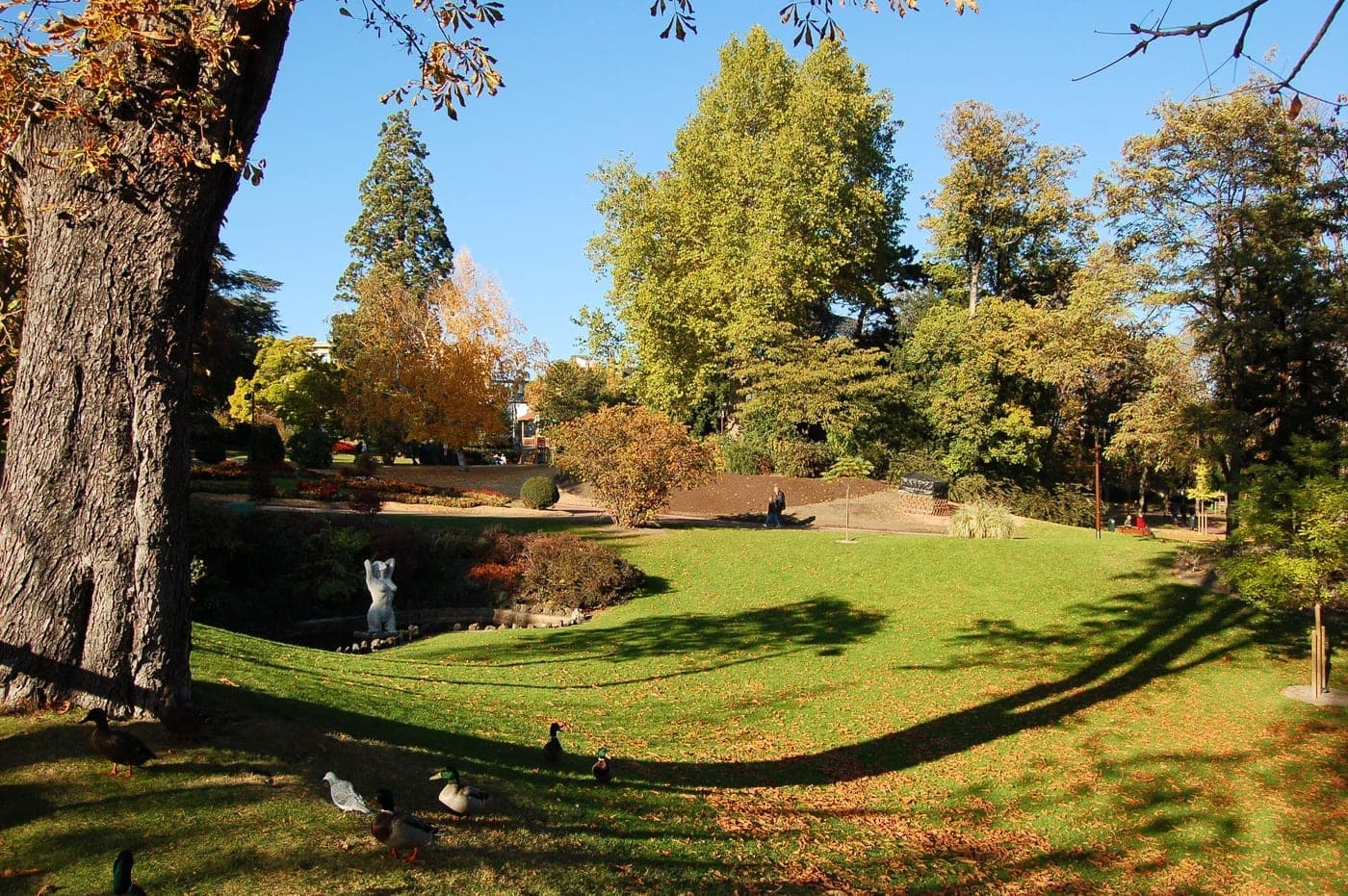
Historic volcanic city with access to Auvergne wine estates and Michelin heritage.
Wine TastingHiking
1 region
 Wine Tasting25 destinations
Auvergne-Rhône-Alpes
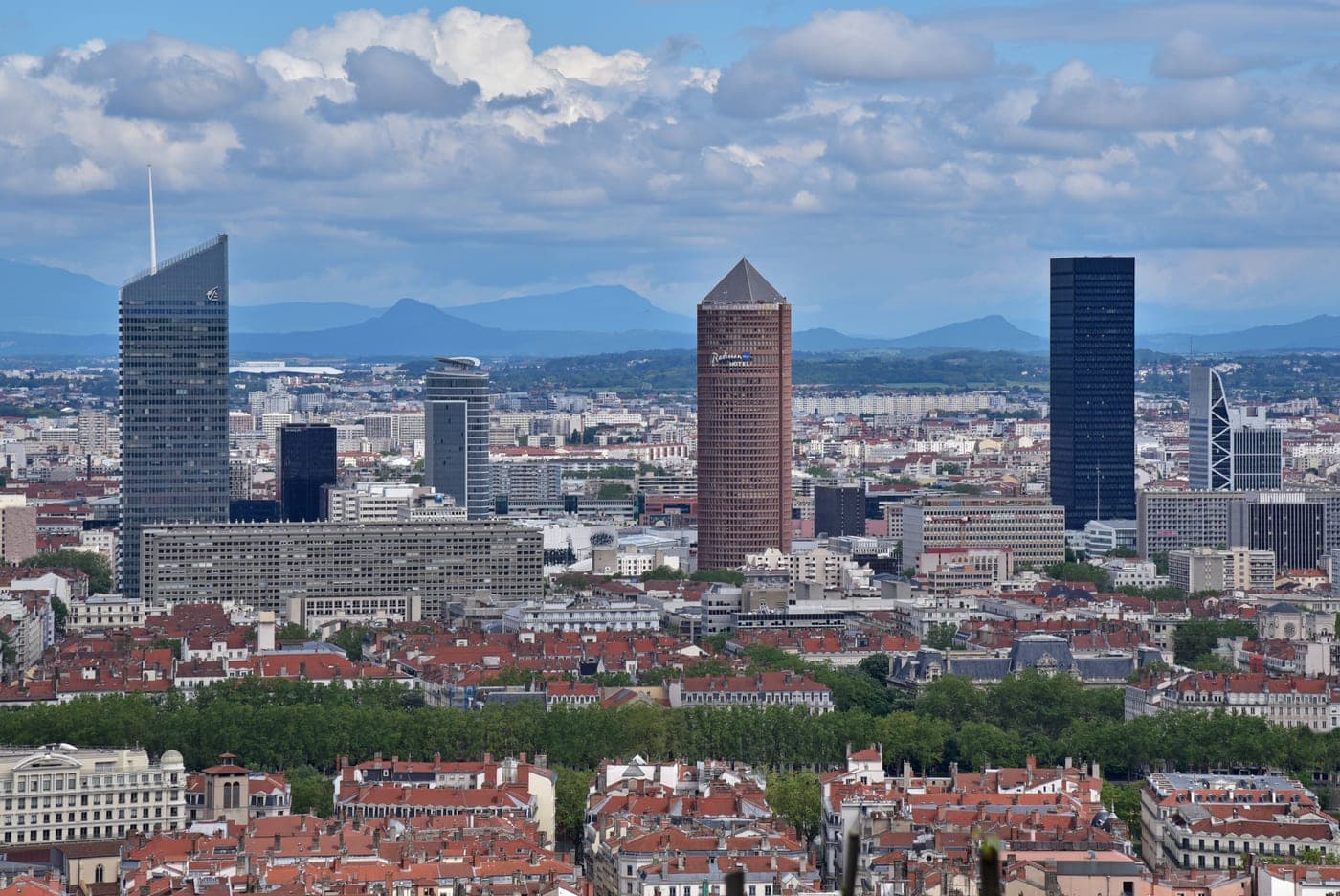
Nestled in the heart of France, this region is the second-largest, known for its diverse landscapes from the rugged mountains of the Alps to the volcanic terrain of the Massif Central. Lyon serves as a vibrant urban center, celebrated for its gastronomy and silk heritage. Off the beaten path, explore the historic villages of Le Puy-en-Velay, famed for its unique lentils and pilgrimage routes, or the picturesque landscapes of the Ardèche, with its stunning gorges. The region is also home to the picturesque vineyards of Beaujolais, producing renowned wines, and the stunning Lac d'Aiguebelette, one of the cleanest lakes in France. Seasonal festivals, like the Fête de la Gastronomie, showcase the local culinary delights, making this area rich in culture and history, ideal for a deep exploration of French traditions.
Wine TastingCamper Van RentalsHikingCastles