Rousquilles
Soft ring biscuits from Roussillon under a white sugar glaze
- Vegetarian
- Local name
- Rousquilles
- Pairs with
- Muscat de Rivesaltes
What they are
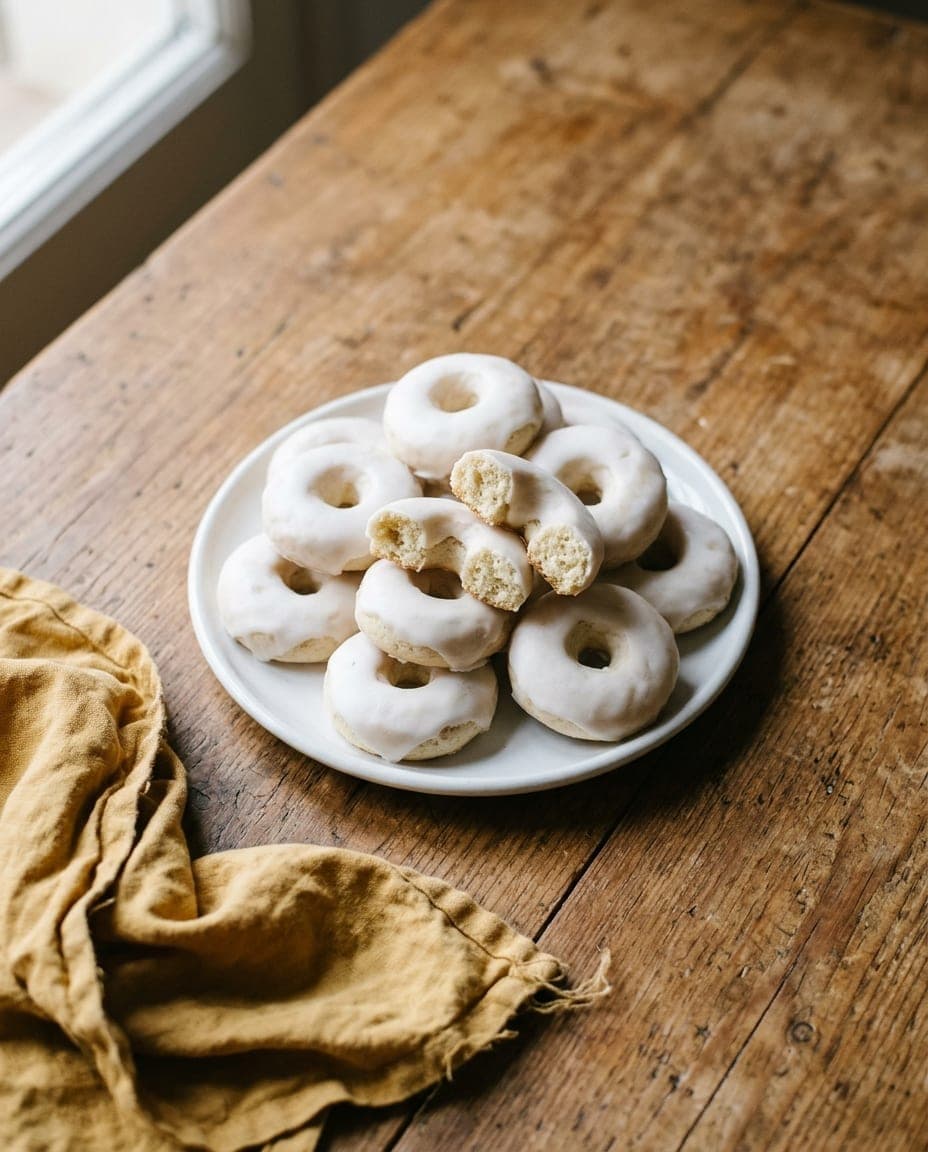
Rousquilles are small ring biscuits from the Roussillon region, in the far south of France where the Pyrenees meet the Mediterranean. They are a local speciality of French Catalonia, particularly associated with the Vallespir valley south-west of Perpignan. The biscuit itself is soft and short, baked until pale, then coated in a thick, opaque white sugar glaze that sets firm and matt. The result is a sweet treat that looks almost entirely white from the outside, with only a hint of the golden pastry visible at the edges or where the icing has cracked.
These are not delicate macarons nor crisp cookies that shatter at a touch. The texture is dense yet yielding, a soft crumb designed to hold up against the heavy sugar coating without crumbling immediately. They were traditionally flavoured with aniseed, which gives them a distinct aromatic warmth; today lemon is the most common flavouring, and some bakers use orange blossom. The rings measure about 7 centimetres across and weigh 25 to 40 grams, easy to eat by hand or share from a communal bowl.
Where they come from
The rousquille belongs firmly to the Roussillon, a territory that has long been a crossroads between France and Spain. The biscuits are tied to the Vallespir, between Céret, Amélie-les-Bains, Arles-sur-Tech and Le Perthus. The name is linked to the Spanish rosquilla and the Catalan rosca, both words for a ring-shaped bake. Long before the glaze appeared, aniseed rings were sold at markets and fairs, carried on long sticks by street vendors.
The white coating is credited to a pastry cook named Seguela in Amélie-les-Bains, who is said to have first glazed the rings around 1810 to keep them moist. A few decades later, a pastry shop in Arles-sur-Tech replaced the aniseed with lemon, the flavour most people know today. The rousquille is not a dish found in Parisian patisseries or across all of France; it remains a regional anchor, a taste that signals the specific character of Roussillon.
How they are eaten
In Perpignan and across the Pyrénées-Orientales, rousquilles are sold in local bakeries and pastry shops, often displayed in large glass jars or wooden trays. They are not typically served as a course at a formal dinner but rather as an afternoon snack or a sweet finish to a meal. They are often enjoyed with a cup of black coffee, which cuts through the sweetness of the glaze.
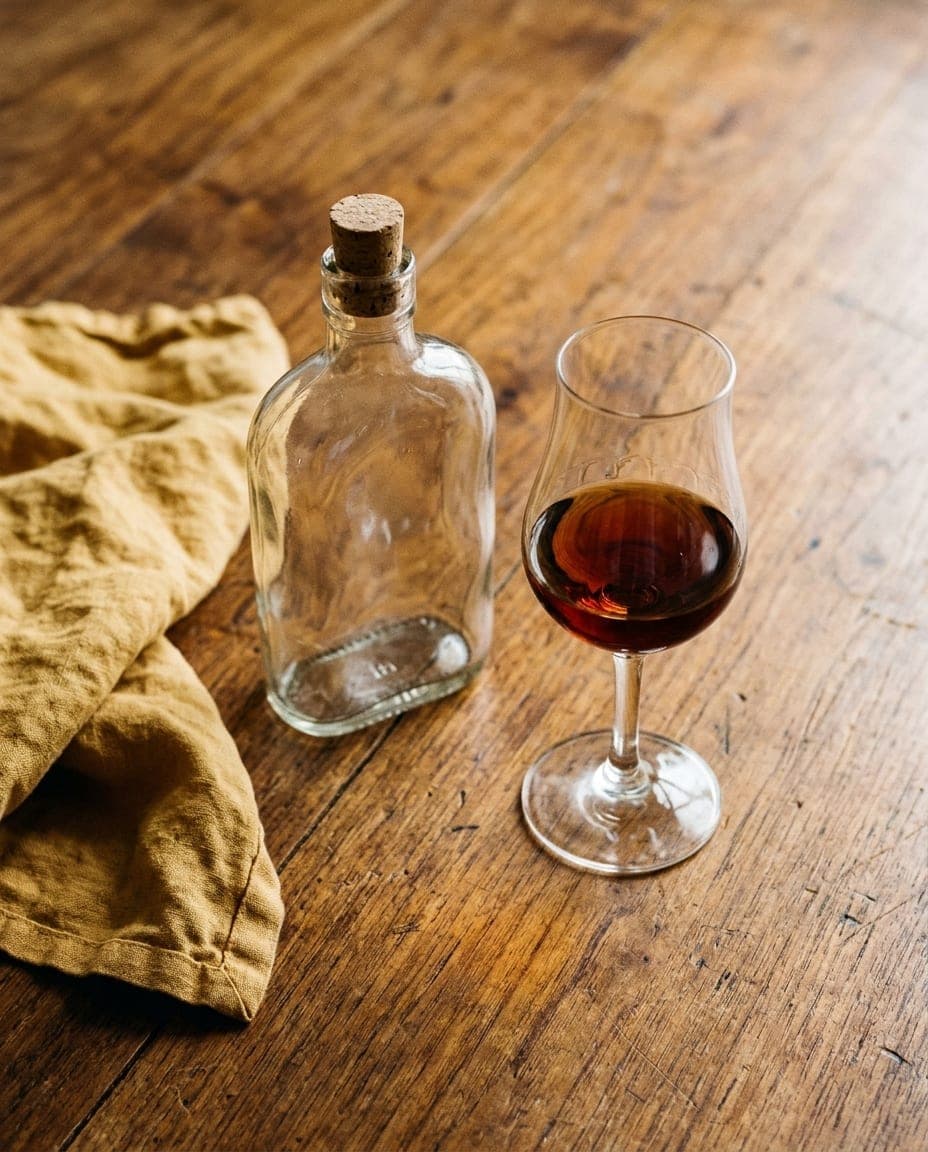
The pairing extends beyond coffee. In Roussillon, it is traditional to serve rousquilles with Muscat de Rivesaltes, a sweet fortified wine made from grapes grown in the nearby hills. The floral intensity of the wine matches the citrus or anise in the biscuit, creating a balanced experience where neither element overwhelms the other. The softness of the ring allows it to soak up a little of the wine without falling apart, making it a practical choice for long afternoons of conversation.
What goes into them
There is no single official version, as every baker in the region has their own variation, but the core components remain consistent:
- A soft dough: made from flour, eggs, sugar and a little fat to create a tender crumb.
- Flavouring: lemon in most modern versions, aniseed in the older tradition.
- Butter: gives the soft, short crumb.
- Thick white glaze: a meringue-style coating of sugar and egg white that sets into an opaque shell around the ring.
The final product is defined by this contrast: the soft, flavoured interior against the hard, sweet exterior. The icing is not merely decorative; it acts as a seal, preserving the moisture of the biscuit inside.
Curious facts
- A Slow Food listing. The Vallespir rousquille is on the Slow Food Ark of Taste, which notes that only a handful of artisan bakers still make the traditional soft version.
- The icing is a barrier. The thick white coating is not just for looks; it hardens quickly to keep the soft interior fresh for days when stored in a sealed container.
- Artisan versus industrial. Rousquilles are also produced industrially and sold in supermarkets, but these are much drier than the soft rings of small bakeries.
- Born at the fair. Before the glaze, the rings were sold at fairs and markets, threaded on long sticks carried by vendors.
Where to try them
The small shops in the old quarter of Perpignan often display these white rings alongside other regional sweets, while the bakeries of the Vallespir, from Céret to Amélie-les-Bains and Arles-sur-Tech, sell them in their home valley.
Where to try it
1 destination
 Wine Tasting
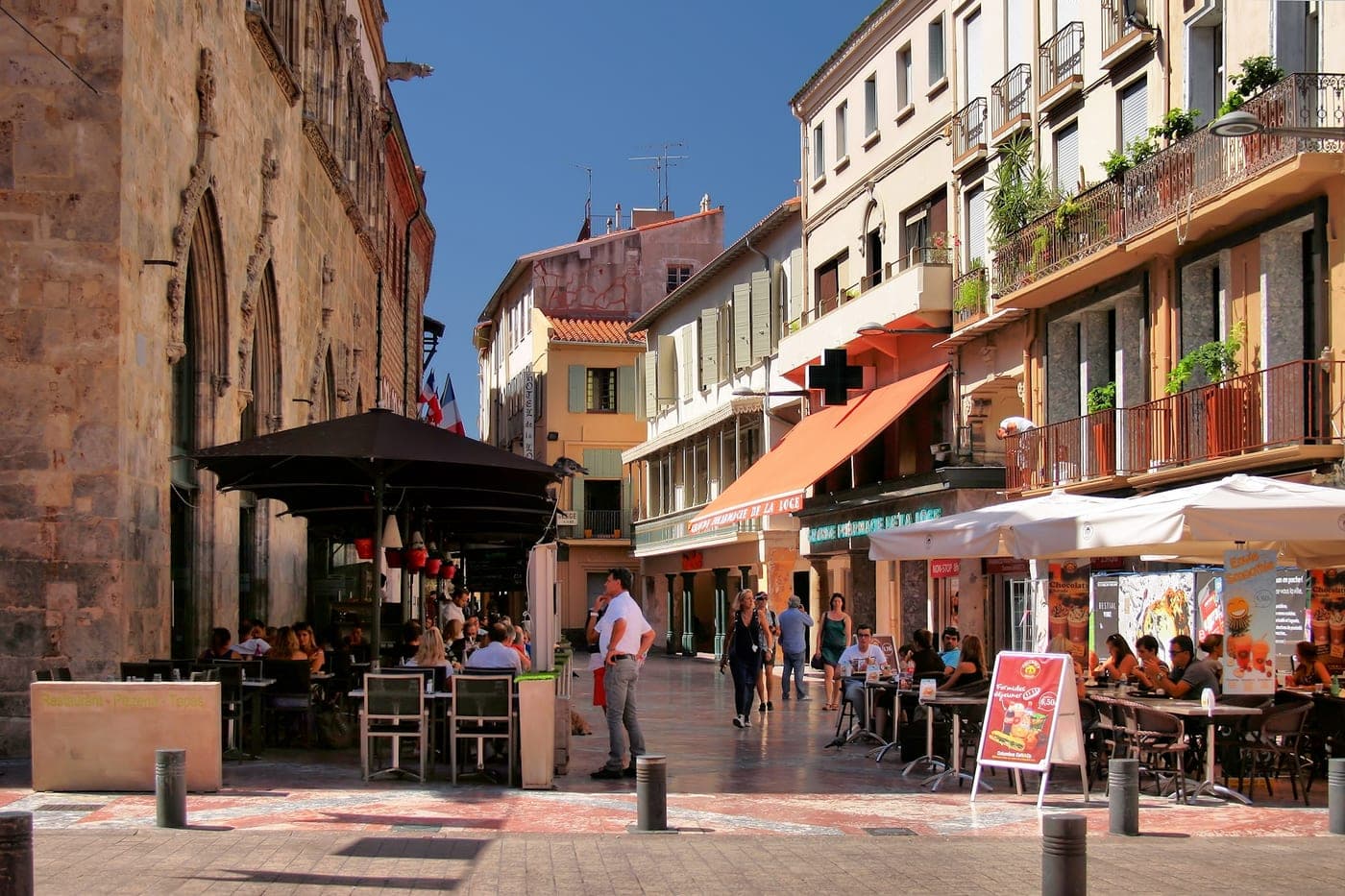
Perpignan
Catalan capital surrounded by Roussillon wine regions with vibrant culture.
Wine TastingHiking
1 region
 Wine Tasting56 destinations
Occitanie
This region is the largest in France and boasts a diverse landscape, including the picturesque Pyrenees mountains and a stunning Mediterranean coastline. Historic cities like Toulouse, known for its pink terracotta buildings, and Montpellier, with its vibrant student life, offer rich cultural experiences. The region is also famous for its wine production, particularly in areas like Languedoc, where unique varietals thrive. Beyond the cities, explore the medieval charm of Carcassonne, a fortified town with a remarkable castle. Occitanie hosts vibrant local festivals celebrating its heritage, and its traditional cuisine features dishes like cassoulet and regional cheeses. With beautiful hiking trails and quaint villages, this region invites leisurely exploration.
Wine TastingHikingCastlesLocal Cuisine