Rillettes de Tours
Shredded pork from Touraine, browned in fat and served with cornichons
- Local name
- Rillettes de Tours
- Served with
- Toast, cornichons
- Best eaten at
- A Loire wine bar apéro
- Pairs with
- Vouvray or Chinon
What it is
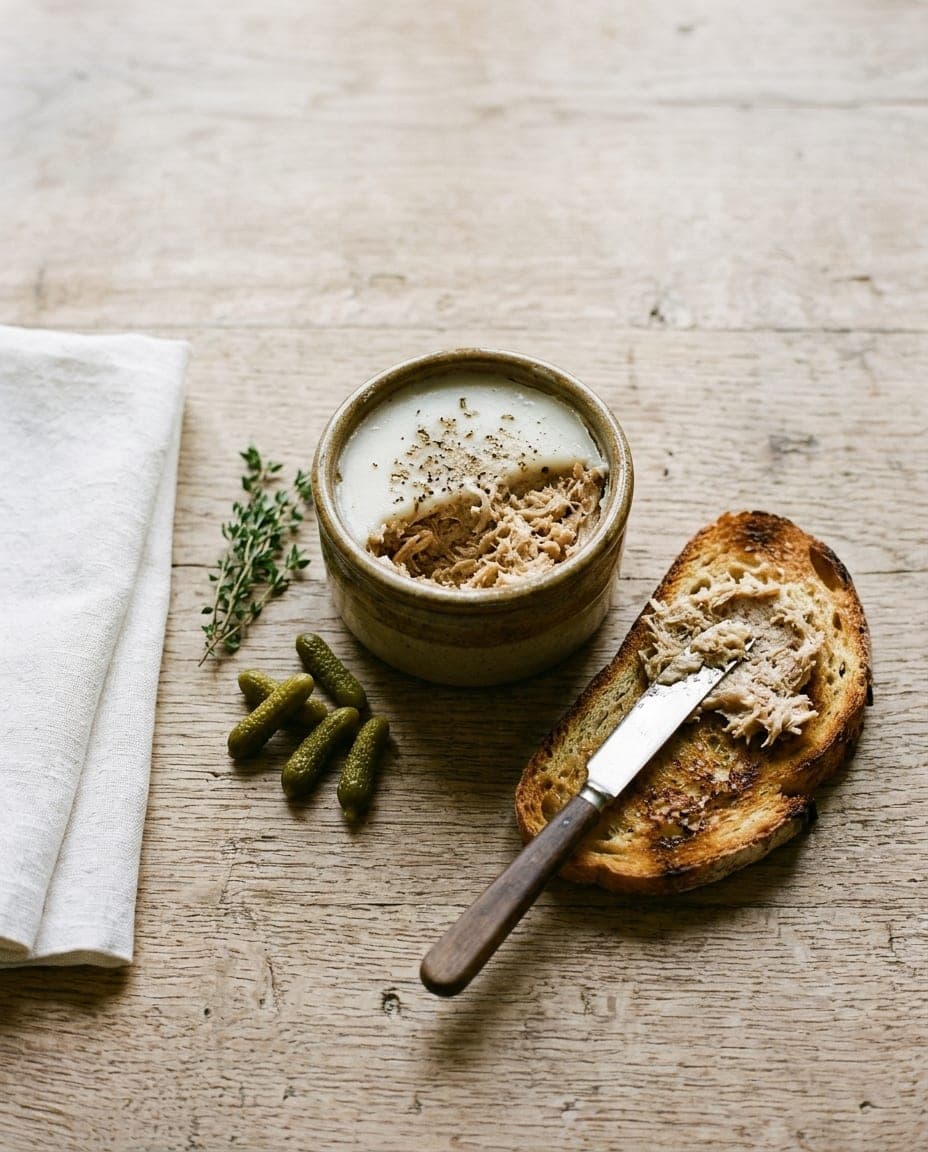
Rillettes de Tours are a thick, textured spread made from shredded pork that has been slow-cooked in its own fat until the meat falls apart. Unlike the pale, creamy rillettes found elsewhere in France, the version from Tours is distinctively browned, with a deeper colour and a drier, more fibrous texture. The name refers to the city of Tours in the Centre-Val de Loire region, where the dish has been a local staple for centuries.
The preparation begins with pork pieces that are cooked very gently in fat for several hours. As the meat cooks, it is allowed to brown and caramelise slightly, giving the final spread a roasted flavour rather than a mild, steamed taste. Once the meat is tender enough to be pulled apart with two forks, it is packed tightly into earthenware pots or jars and sealed under a thick layer of the rendered fat. This layer acts as a preservative, protecting the meat from air and keeping it fresh for weeks when stored in a cool place.
The result is a spread that is rich but not greasy on the palate, with a savoury depth that comes from the slow cooking process. It is a dish of humble origins, born from the need to preserve meat before refrigeration, yet it has evolved into a celebrated regional speciality. The Tours version has been a protected geographical indication (PGI) since 2013, meaning only rillettes made to the agreed specification within the defined Touraine area can legally bear the name Rillettes de Tours.
The history of brown pig jam
The story of Rillettes de Tours is rooted in the culinary landscape of the Loire Valley and in its literature. The phrase brune confiture de cochon, or brown pig jam, is often attributed to François Rabelais, the Renaissance author; Honoré de Balzac, himself a native of Tours, also wrote of the "brown jam" of the celebrated rillettes of his home town. This description captures the essence of the preparation: the meat is sweetened by the caramelisation of its own sugars during the long cooking, and the texture resembles that of a thick preserve.
While the exact date when this method became standard in Tours is not recorded in a single document, the tradition of slow-cooking pork in fat is old in Touraine. The region's abundance of pigs and the tradition of preserving meat in fat provided the perfect conditions for the dish to develop its unique character. Over time, the method spread through the Loire Valley, but the Tours version retained its reputation for a darker colour and a more intense flavour than its neighbours.
The dish was not originally intended for fine dining. It was a practical way for households to extend their meat supplies, using cuts that might otherwise be tough or less desirable. The slow cooking rendered the fat and softened the connective tissue, making even the toughest cuts edible and delicious. As the region's reputation for food grew, so did the status of Rillettes de Tours, transforming from a peasant staple into a symbol of Touraine's gastronomic identity.
How it is made
The process relies on patience rather than precise measurement. Pork pieces are cooked in a heavy pot over low heat for hours, and the meat is allowed to catch and colour, which gives the Tours style its golden-brown hue. Once it has fallen apart, it is shredded, packed tightly into containers with no air pockets, and covered with the hot fat, which sets into a solid seal as it cools.
The result is a spread that can be kept for weeks without spoiling, provided it remains in a cool environment. When ready to serve, the top layer of fat is scraped aside, revealing the tender, flavoured meat beneath.
How it is eaten
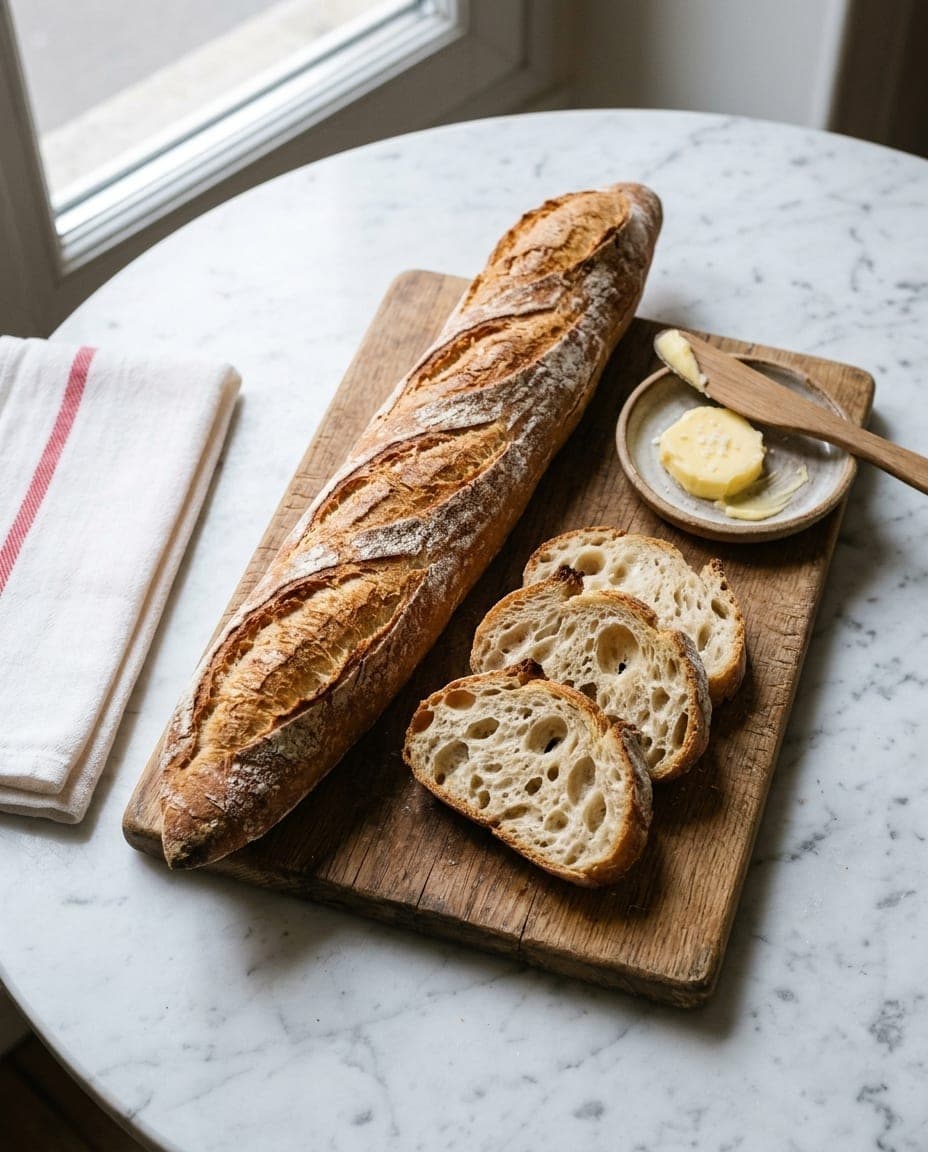
Rillettes de Tours are traditionally eaten as part of an apéritif, the pre-dinner drink and snack tradition that is central to French dining culture. The best setting for this dish is a Loire wine bar or a small tavern where local wines are poured alongside simple, rustic food. A thick slice of crusty bread, often toasted until golden, serves as the vehicle for the spread.
The dish is rarely eaten alone. It is almost always accompanied by cornichons, small pickled gherkins that provide a sharp, acidic contrast to the rich, fatty meat. The crunch of the pickle and the tanginess cut through the heaviness of the rillettes, balancing the flavours in each bite.
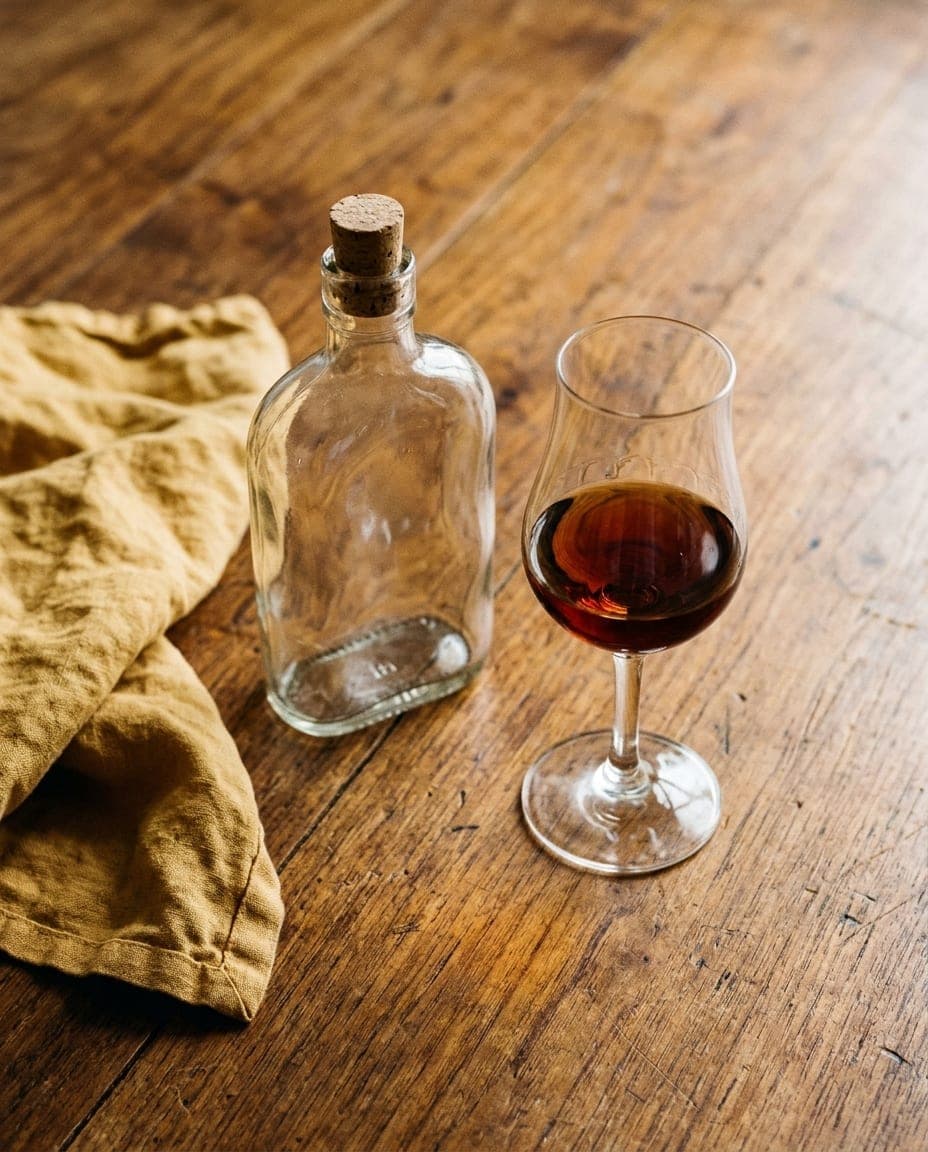
The wine pairing is essential to the experience. A glass of Vouvray, a white wine made from Chenin Blanc grapes grown nearby, offers a crisp acidity that complements the fat of the pork. Alternatively, a Chinon, a red wine from the same region made primarily from Cabernet Franc, provides a fruitier note that pairs well with the darker, roasted flavour of the meat.
Curious facts
- A protected name. Rillettes de Tours were registered as a PGI by the European Union in November 2013.
- Brown pig jam. The nickname brune confiture de cochon is linked to Rabelais and Balzac, two celebrated French writers, and highlights the dark colour and jam-like texture.
- A fat seal. The layer of rendered fat on top acts as a preservative, preventing air from reaching the meat and keeping it fresh for weeks.
- Regional identity. While rillettes exist across France, the Tours version is darker and drier than the pale, creamy varieties found in other areas.
- A peasant origin. The method developed as a practical way to preserve tough cuts of meat, turning humble ingredients into a celebrated regional speciality.
Where to try it
The most authentic experience is found in the city of Tours itself or in the surrounding villages of the Touraine region. Charcutiers, markets and bistros there often serve Rillettes de Tours in earthenware pots, accompanied by fresh bread and pickles.
Chinon is another good destination, and the wine bars and cellars of Vouvray and Chinon often serve local rillettes alongside their own wines.
Visitors to the area should not expect to find this dish on every menu in France. It is a regional speciality, and while similar spreads exist elsewhere, the Tours version is distinct. Seeking it out in its home region offers a chance to taste the dish as it was intended: simple, honest and bound up with the landscape of the Loire Valley.
Where to try it
1 destination
 Wine Tasting
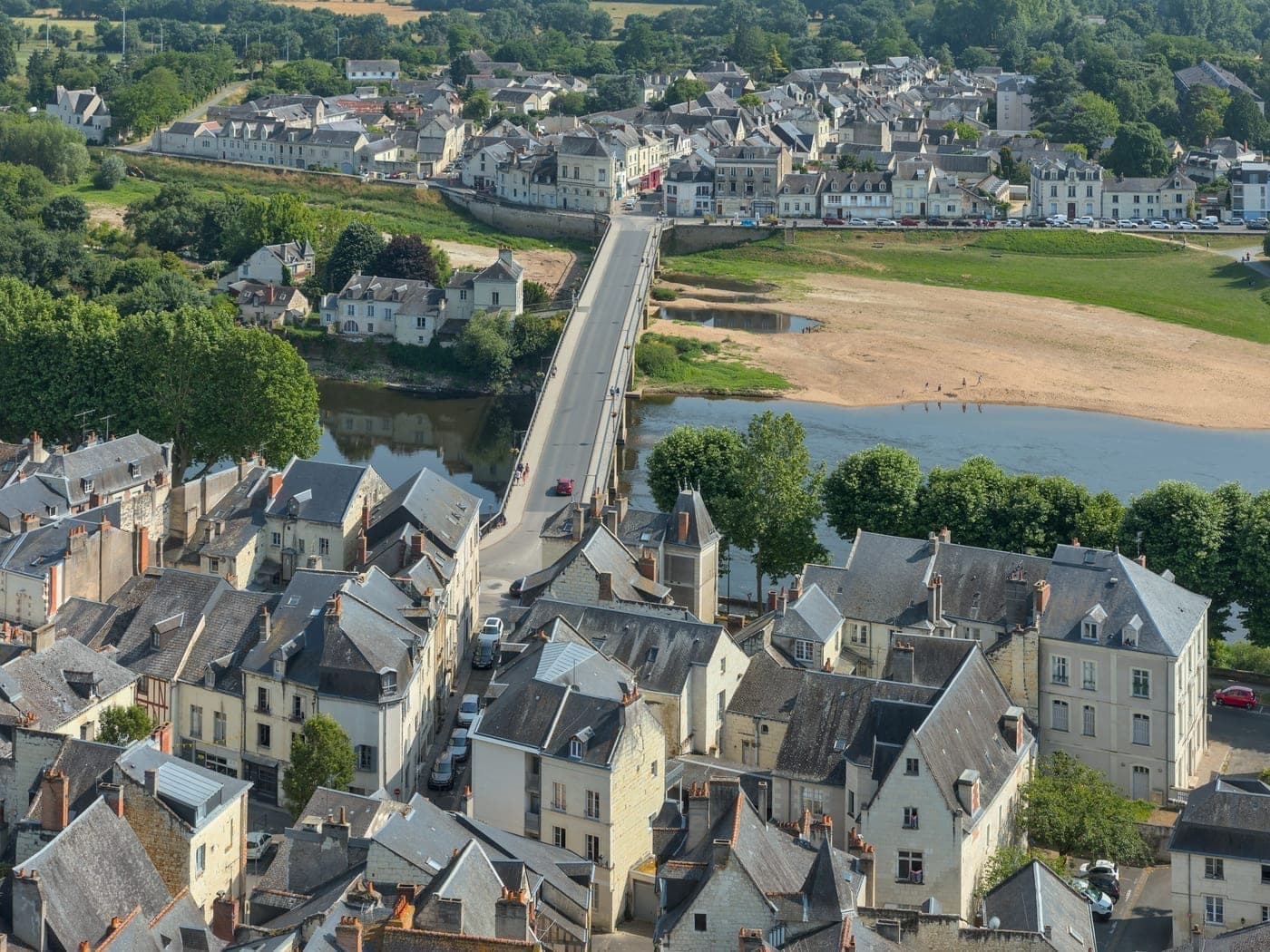
Chinon
Historic Loire Valley town famous for Chinon AOC red wines from Cabernet Franc, with medieval fortress overlooking vineyards.
Wine TastingHiking
1 region
 Wine Tasting7 destinations
Centre-Val de Loire
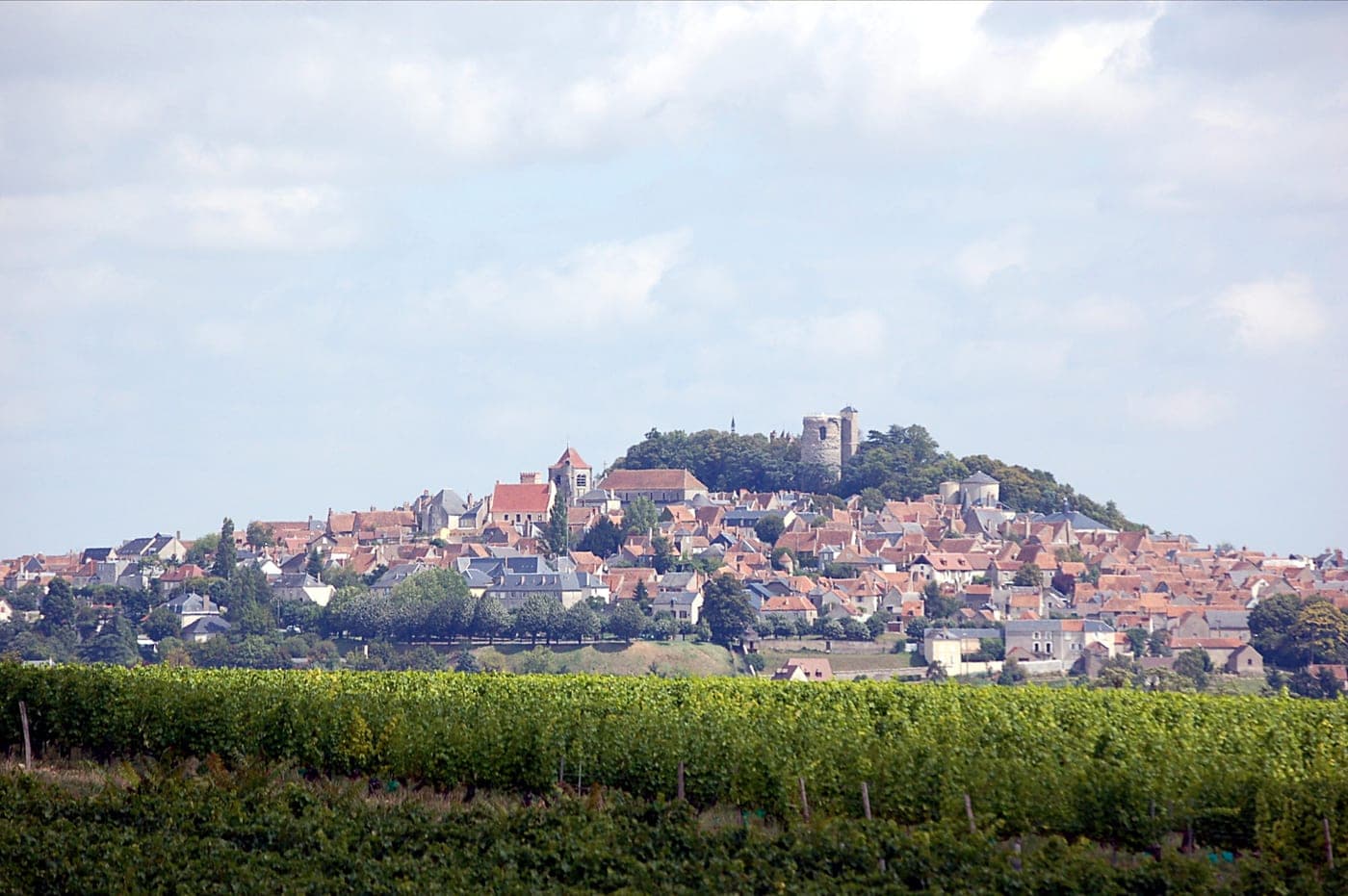
This central region of France is renowned for its stunning châteaux, particularly the majestic Château de Chambord and the historic Château de Chenonceau, which spans the River Cher. The Centre-Val de Loire is not the largest region in France, but it is rich in history, with towns like Amboise, known for its Renaissance architecture and ties to Leonardo da Vinci. The area is also famous for its vineyards producing exquisite wines, including Vouvray and Sancerre. The Loire River, a UNESCO World Heritage site, offers picturesque landscapes ideal for cycling and walking. Unique local festivals celebrate regional cuisine and heritage, providing a glimpse into traditional French life away from the tourist crowds.
Wine TastingHiking