Ratatouille
A summer stew of Niçois vegetables slow-cooked in olive oil
- Vegetarian
- Local name
- Ratatouille
- Served with
- Rice, grilled meat or bread
- Best eaten at
- A Provençal bistro
- Pairs with
- Provence rosé
What it is
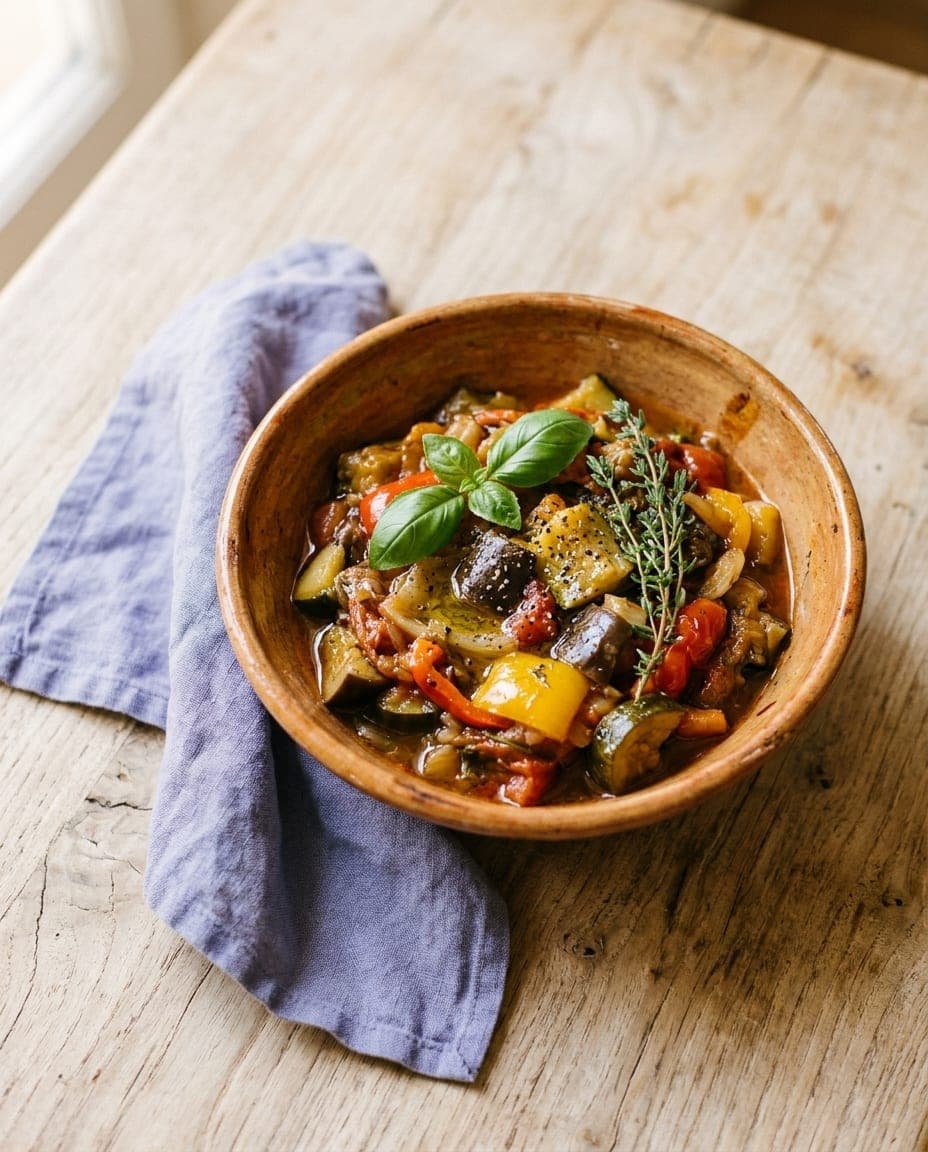
Ratatouille is a stewed vegetable dish from Provence in the south of France, most closely associated with the city of Nice. It is a celebration of summer produce, built from aubergines, courgettes, peppers, onions, tomatoes, garlic and herbs, all slow-cooked in generous amounts of olive oil. The result can be served hot, warm or cold, as a side, a starter or a light main meal with bread or rice.
The method is often debated among cooks in the region. Purists insist that each vegetable is cooked separately in olive oil until tender, then combined and simmered together at the end. This approach preserves the distinct texture and flavour of each ingredient. Others cook everything together in one pot, creating a softer, jammier mixture.
Despite this argument, the dish is universally recognised as a symbol of Provençal summer cooking. It relies on the abundance of the harvest rather than complex technique, transforming simple garden vegetables into something substantial and deeply savoury. The name comes from the Occitan ratatolha and is related to the French verb touiller, meaning to stir or toss.
The history of Niçois cooking
The roots of ratatouille lie in the everyday cooking of Nice and Provence. Vegetables were cheap and plentiful during the summer months, while meat was a luxury, and cooks made the most of whatever was ripe in gardens and markets to feed a family.
The dish is not tied to a specific inventor or royal court. In the early 19th century the word ratatouille still meant a coarse mixed stew of any kind, and recipes resembling the modern vegetable dish only appear in print from the late 19th and early 20th centuries, by which time it was firmly associated with Nice.
Today it is a staple of local restaurants and home kitchens alike. It appears on menus in the region's bistros throughout the summer, often listed simply as ratatouille or as ratatouille niçoise.
What goes into it
The ingredients are straightforward and seasonal. There is no single official recipe, but the core components remain consistent:
- Aubergines, cut into chunks, which absorb the olive oil and provide a meaty texture.
- Courgettes, often left with their skins on, adding a fresh note to balance the sweetness of the tomatoes.
- Bell peppers, usually red or green, which turn soft and sweet when cooked slowly.
- Tomatoes, ideally fresh and ripe, forming the liquid base that binds the vegetables together.
- Onions and garlic, cooked gently to provide a savoury foundation.
- Herbs, typically thyme and bay leaf, sometimes basil, tied in a bouquet or scattered loose.
- Olive oil, used generously as both the cooking medium and the finishing touch.
When the vegetables are cooked separately in the traditional style, they are then mixed together and simmered gently, allowing the flavours to marry without each vegetable losing its character.
How it is eaten
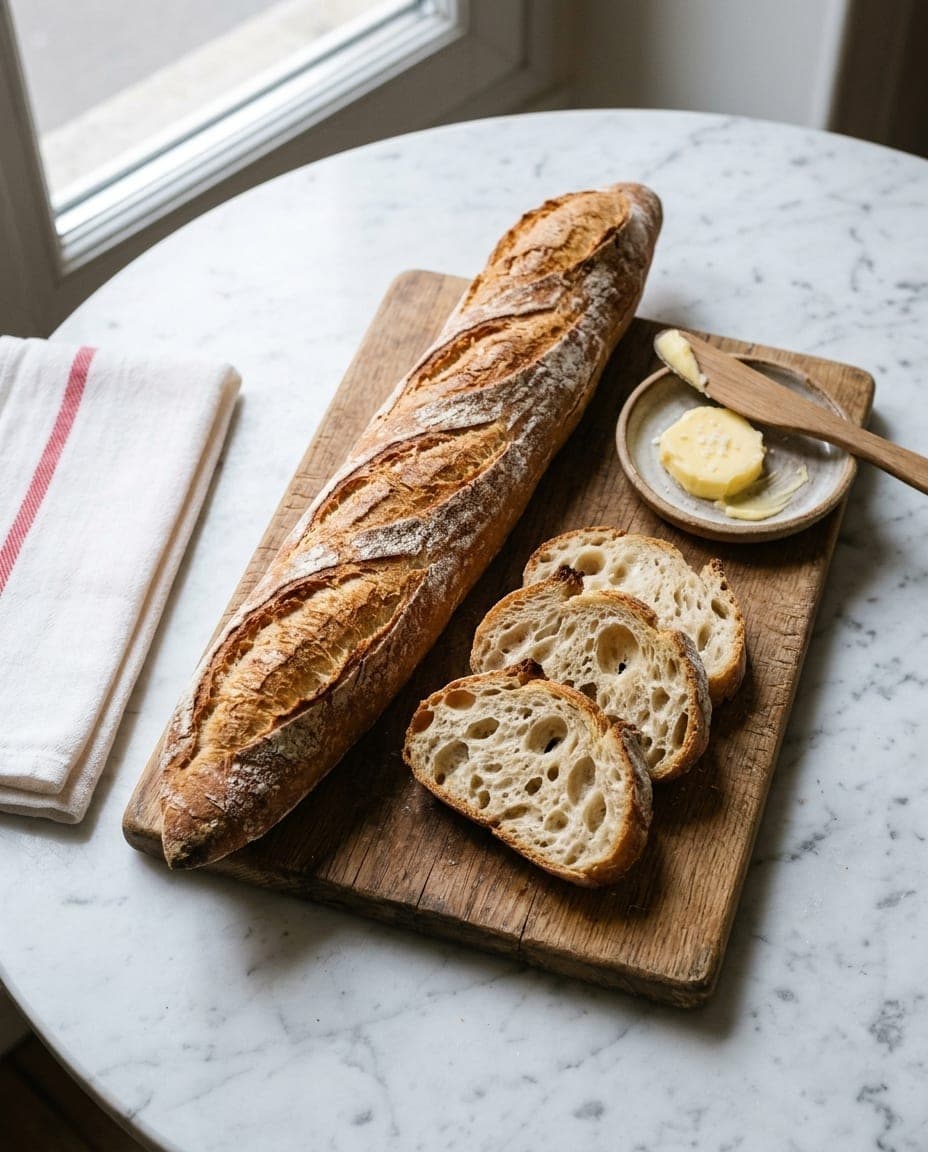
Ratatouille is versatile. It is commonly served as a side dish alongside grilled fish or meat, particularly lamb or chicken. As a starter, it appears in small bowls, often with a drizzle of fresh olive oil.
As a light main meal, it is served hot or at room temperature with crusty bread or rice to soak up the juices. In some homes, a poached or fried egg is placed on top. The dish is equally at home in a warm bowl on a cool evening or as part of a cold buffet in the summer heat.
A glass of Provence rosé is the classic pairing, its dry, fruity notes balancing the richness of the olive oil. In casual settings, a cold beer or water is just as acceptable.
The story of confit byaldi
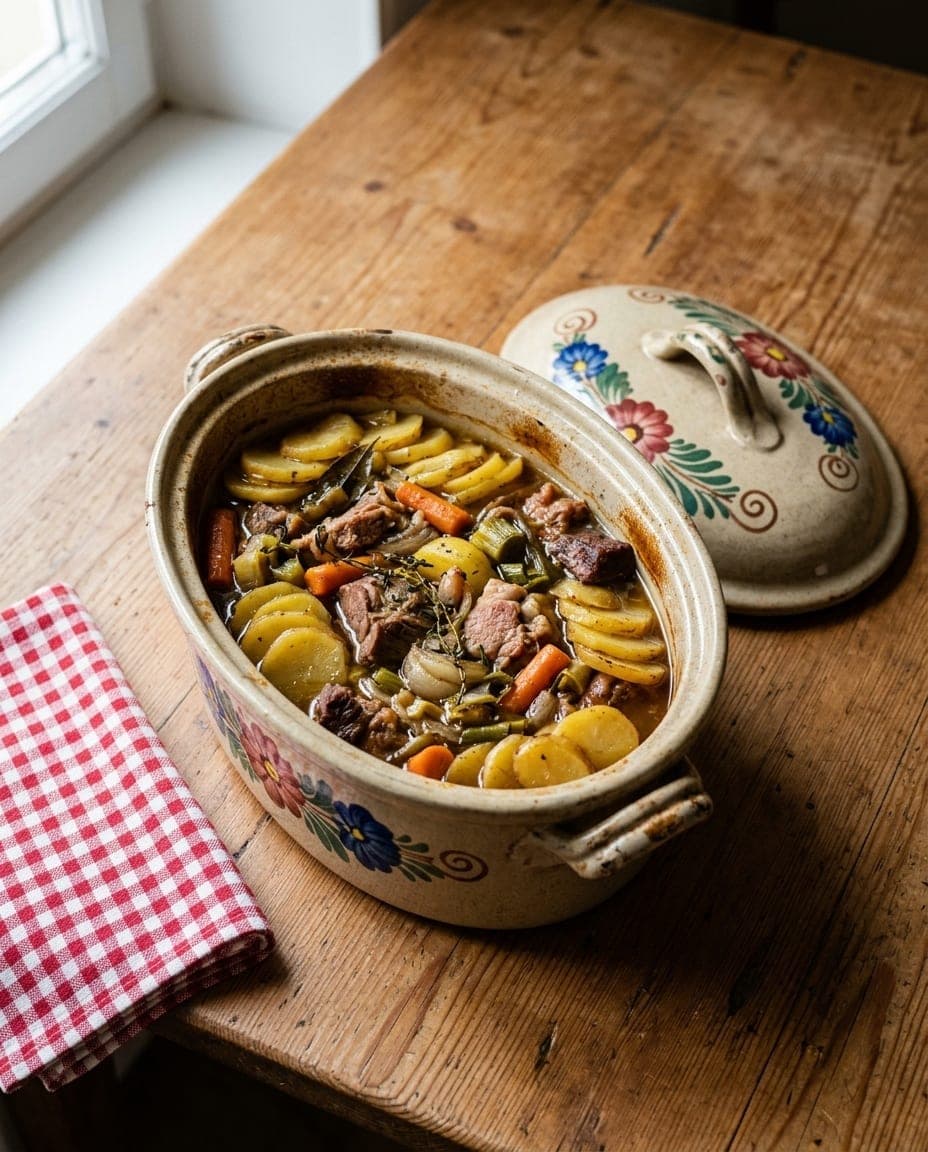
A modern, layered version of the dish has become famous far beyond the region. In 1976 the chef Michel Guérard published a lighter "confit bayaldi" in his book Cuisine minceur, with thinly sliced vegetables baked slowly rather than fried. The name is a play on the Turkish aubergine dish imam bayıldı.
The American chef Thomas Keller developed his own "byaldi" in The French Laundry Cookbook (1999), adding a pepper and tomato piperade beneath the vegetables. As food consultant for the 2007 animated film Ratatouille, he created the version shown in the film's signature scene, with the vegetable slices fanned in neat overlapping rows, which led many viewers to associate the dish with this artistic presentation. Traditional Provençal cooks still regard the layered style as a restaurant creation rather than the local stew.
Curious facts
- A summer dish. Although sold year-round, ratatouille is traditionally made when the vegetables are at their peak, roughly from June to September.
- The oil is key. The generous use of olive oil defines both the flavour and the texture of the final stew.
- Separate or together. Purists cook each vegetable separately, believing that mixing them too early ruins their individual textures.
- A humble origin. The word once meant a rough mixed stew before it became the name of this Provençal vegetable dish.
- Regional pride. In Nice, the dish is often called ratatouille niçoise to distinguish it from variations found elsewhere in the south of France.
Where to try it
The best place to eat ratatouille is in a Provençal bistro in Nice or nearby towns such as Vence and Grasse. In summer, many small restaurants serve it alongside local fish or lamb.
A visit to a local market before lunch offers insight into the quality of the ingredients used in the kitchen.
Where to try it
1 region
 Wine Tasting44 destinations
Provence-Alpes-Côte d'Azur
This picturesque region in southeastern France is known for its diverse landscapes, from the rugged Alps to the stunning Mediterranean coastline. It is the only region with direct access to the coast, featuring historic towns like Nice and the artistic haven of Saint-Paul-de-Vence. The region is famous for its lavender fields, particularly around Valensole, and its vineyards producing renowned wines such as Bandol and Côtes de Provence. Lesser-known villages like Moustiers-Sainte-Marie are rich in pottery traditions, while the Verdon Gorge offers breathtaking hiking and kayaking opportunities. Local markets showcase seasonal produce like olives, herbs, and artisan cheeses, enhancing the immersive experience of this vibrant region.
Wine TastingHikingCamper Van RentalsLocal Cuisine