Quenelle de brochet, sauce Nantua
Pike dumpling in pink crayfish sauce from Lyon
- Local name
- Quenelle de brochet, sauce Nantua
- Served with
- Rice or bread
- Best eaten at
- A Lyon bouchon
- Pairs with
- Mâcon white or Beaujolais
What it is
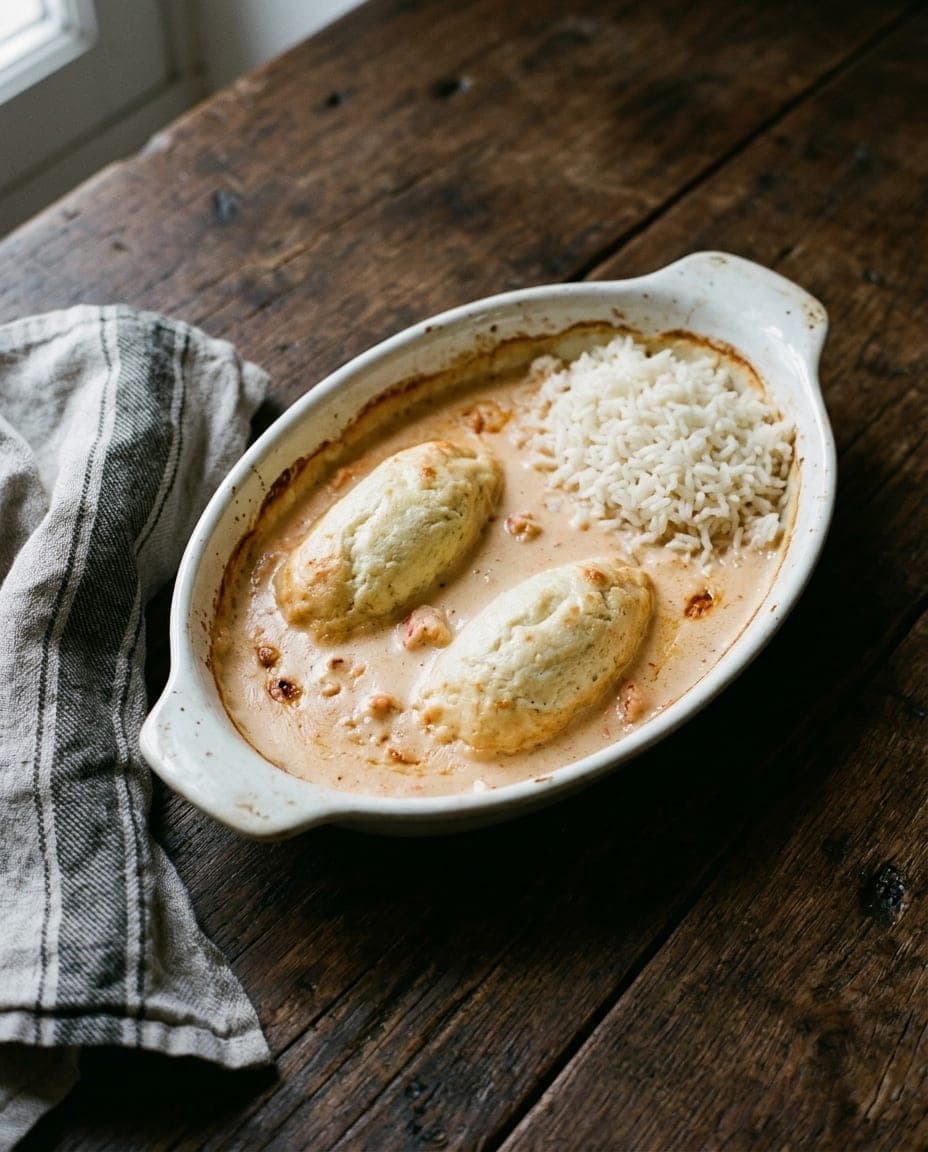
Quenelle de brochet, often shortened to simply quenelle, sits at the heart of Lyonnais cuisine alongside dishes such as saucisson and tablier de sapeur. It is a dumpling of pike flesh, bound with a thick paste called panade, shaped into a long oval and poached. In the classic Lyon presentation it is then baked in a dish covered with sauce Nantua, swelling in the oven into a soft, airy shape.
Sauce Nantua is the other half of this regional pair. It is a béchamel-based cream sauce enriched with crayfish butter, giving it a distinctive pale pink hue and a sweet, shellfish flavour that complements the delicate taste of the pike. It takes its name from Nantua, a town in the Ain whose lake was long known for its crayfish. The dish is a hallmark of the bouchons, the small traditional restaurants of Lyon, and is often accompanied by plain white rice or crusty bread to soak up the sauce.
The texture is the defining feature of a successful quenelle. A well-made dumpling is light and almost melts in the mouth; if it feels heavy, dense or grainy, the cook has missed the mark. Pike from the rivers and lakes of the region, including the ponds of the Dombes north of Lyon, has long supplied the kitchens.
The origin of the name and the shape
The word quenelle is recorded in French from the mid-18th century. Its origin is uncertain, but it is most often linked to the German Knödel, meaning dumpling. In French cooking the word describes any forcemeat dumpling of this oval form, but in Lyon it remains synonymous with the pike variety. The pike itself is a bony fish, and pounding and sieving its flesh into a smooth paste was a practical way to make it easy to eat.
A quenelle may be served as a single large oval or as several smaller ones. The shape helps the dumpling cook evenly and keep its structure in the poaching liquid.
While fish dumplings exist elsewhere in France, the combination of pike and crayfish sauce is most closely tied to Lyon and to Nantua. The bouchons of Lyon treat it as a staple rather than an occasional luxury, and the dish demands fresh pike free from any muddy taste.
How it is made
The dumpling begins with the flesh of the pike, which is skinned, boned and pounded or blended into a fine paste, then passed through a sieve. This is mixed with a panade, a cooked mixture of flour, butter and milk or water, similar to choux paste, which acts as a binder. Eggs and butter are worked in until the mixture is smooth. It is then shaped into ovals and gently dropped into simmering water or stock.
The poaching process is critical. The liquid must be kept at a gentle simmer rather than a rolling boil, which would break the delicate dumpling. Once poached, the quenelles are laid in a buttered dish, covered with sauce and baked, during which they puff up noticeably. Overworking the mixture or cooking it too fiercely produces a heavy, dense result.
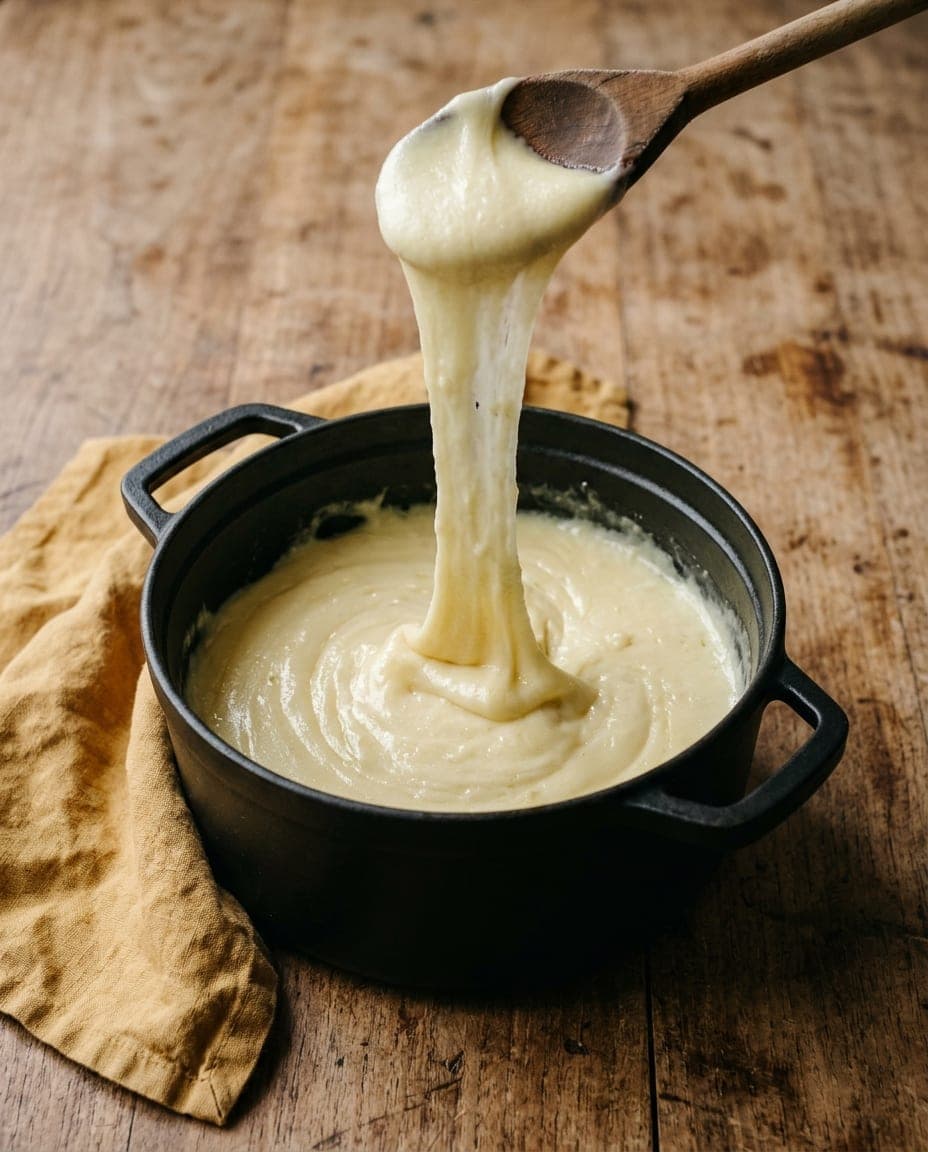
Sauce Nantua is prepared separately but with equal care. It starts from a béchamel of butter, flour and milk, finished with cream. The defining ingredient is crayfish butter, made by cooking crushed freshwater crayfish shells in butter until the flavour and colour are extracted. This pink, aromatic butter is whisked into the sauce, often along with crayfish tails.
What goes into it
The ingredients are simple but require high quality:
- Pike flesh, the base of the dumpling.
- A panade, made from flour, butter and milk or water, to bind the fish.
- Eggs and butter, for richness and lightness.
- Crayfish butter, which gives the sauce its colour and flavour.
- Crayfish tails, often added to the sauce.
- Butter, flour, milk and cream, for the sauce base.
The final product is a study in contrast: the light dumpling sits beneath the rich, buttery sauce. The pike provides a subtle sweetness, while the crayfish sauce offers depth.
How to eat it
The traditional setting for quenelle de brochet is a bouchon, a small, unpretentious restaurant in Lyon serving local specialities with a warm, rustic atmosphere. The dish is typically served as a main course, often still bubbling in its individual gratin dish.
The plain white rice served alongside is designed to absorb the sauce without competing with the flavour of the pike. Alternatively, a slice of crusty bread can be used to mop up the remaining sauce.
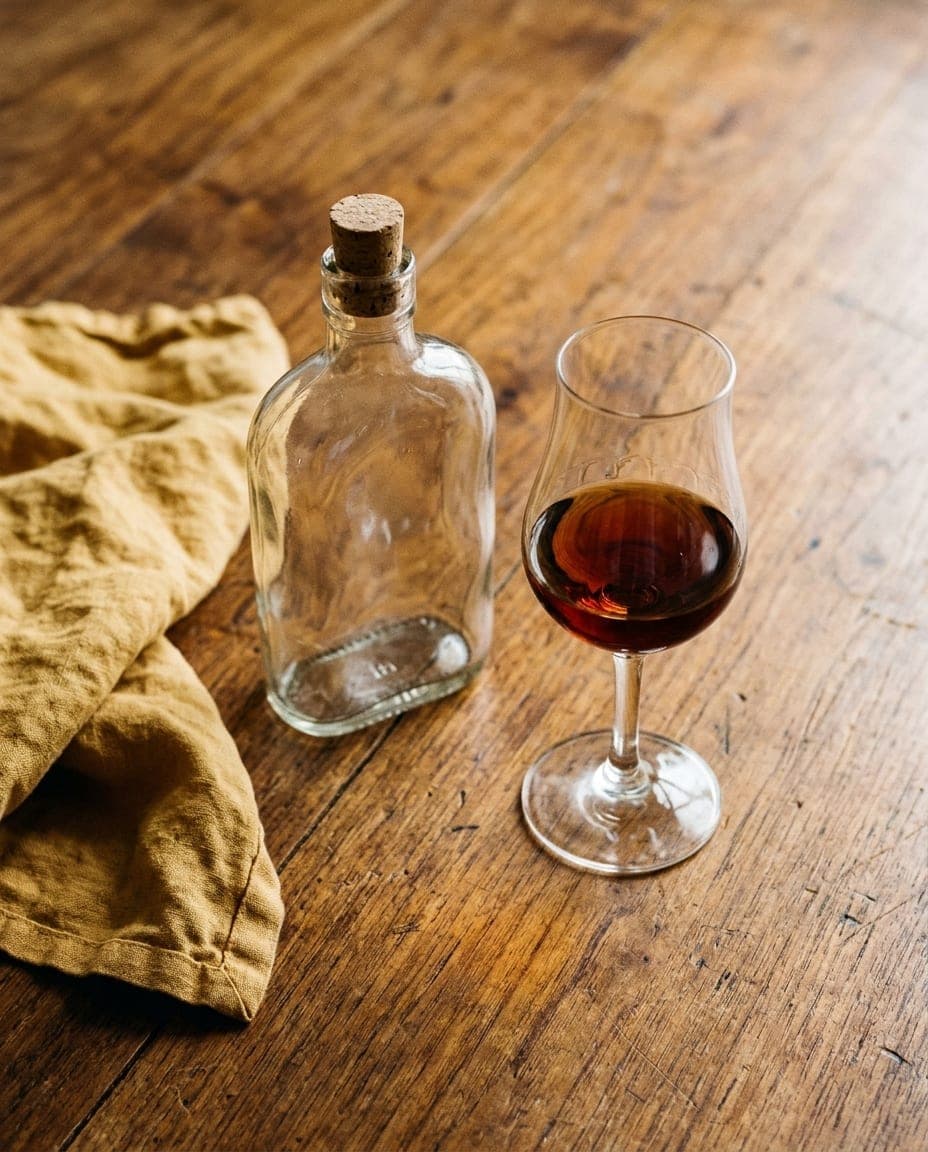
A glass of Mâcon white wine or a light Beaujolais pairs well with the dish. The acidity of the wine cuts through the richness of the crayfish butter, while the fruit notes complement the delicate taste of the pike.
Curious facts
- Baked to rise. In Lyon the poached quenelle is usually finished in the oven under its sauce, where it swells to well beyond its original size.
- Named after a lake town. Sauce Nantua takes its name from Nantua in the Ain, long associated with crayfish.
- The texture test. A successful quenelle should be light and tender; a heavy or dense one is considered a failure.
- A practical origin. Turning bony pike into a smooth forcemeat made the fish far easier to eat.
- Crayfish butter. The pink colour of the sauce comes from crayfish butter, made by cooking crushed crayfish shells in butter.
Where to try it
The best place to eat quenelle de brochet is in a traditional bouchon in Lyon, particularly in Vieux-Lyon or on the Presqu'île. These small restaurants are known for their commitment to local ingredients and traditional methods.
The bouchons are not fancy; they are simple, warm places where the focus is on the food and the company.
Where to try it
1 destination
 Wine Tasting
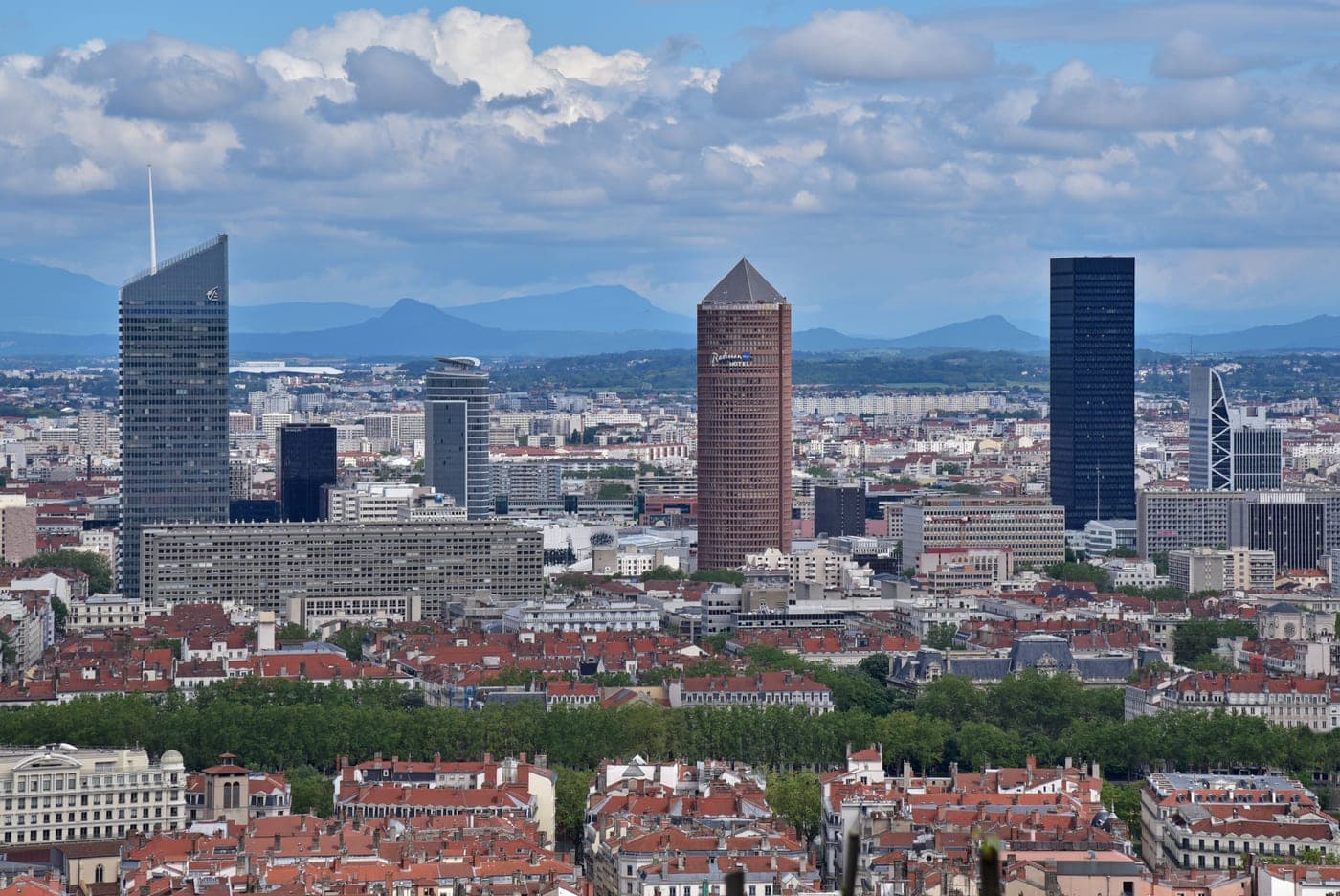
Lyon
Gastronomic capital with Renaissance old town and two rivers.
Wine TastingCamper Van RentalsHiking
1 region
- Wine Tasting25 destinations
Auvergne-Rhône-Alpes
Nestled in the heart of France, this region is the second-largest, known for its diverse landscapes from the rugged mountains of the Alps to the volcanic terrain of the Massif Central. Lyon serves as a vibrant urban center, celebrated for its gastronomy and silk heritage. Off the beaten path, explore the historic villages of Le Puy-en-Velay, famed for its unique lentils and pilgrimage routes, or the picturesque landscapes of the Ardèche, with its stunning gorges. The region is also home to the picturesque vineyards of Beaujolais, producing renowned wines, and the stunning Lac d'Aiguebelette, one of the cleanest lakes in France. Seasonal festivals, like the Fête de la Gastronomie, showcase the local culinary delights, making this area rich in culture and history, ideal for a deep exploration of French traditions.
Wine TastingCamper Van RentalsHikingCastles