Potjevleesch
A cold jellied terrine of rabbit, chicken, veal and pork from French Flanders
- Local name
- Potjevleesch
- Served with
- Frites, salad
- Best eaten at
- A Flemish estaminet
- Pairs with
- Bière de garde
What it is
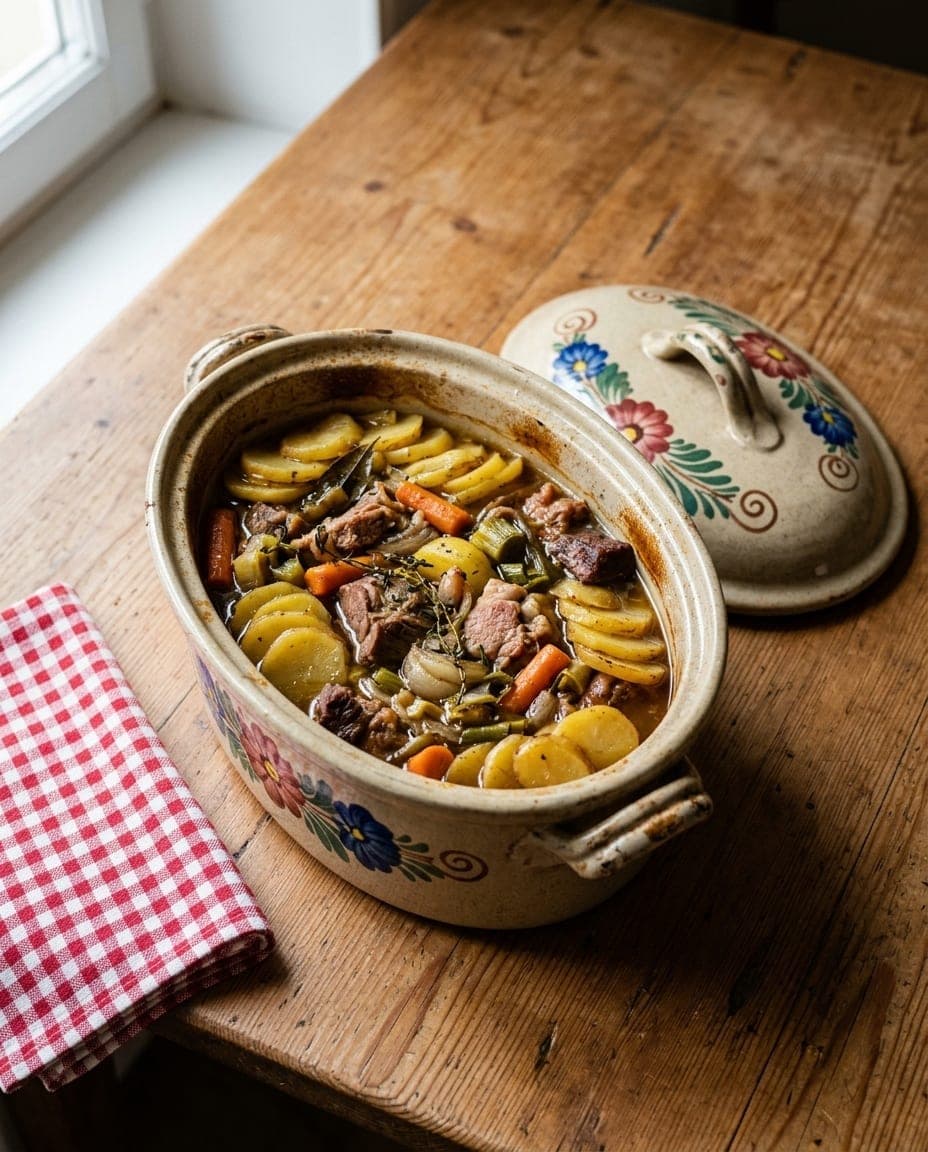
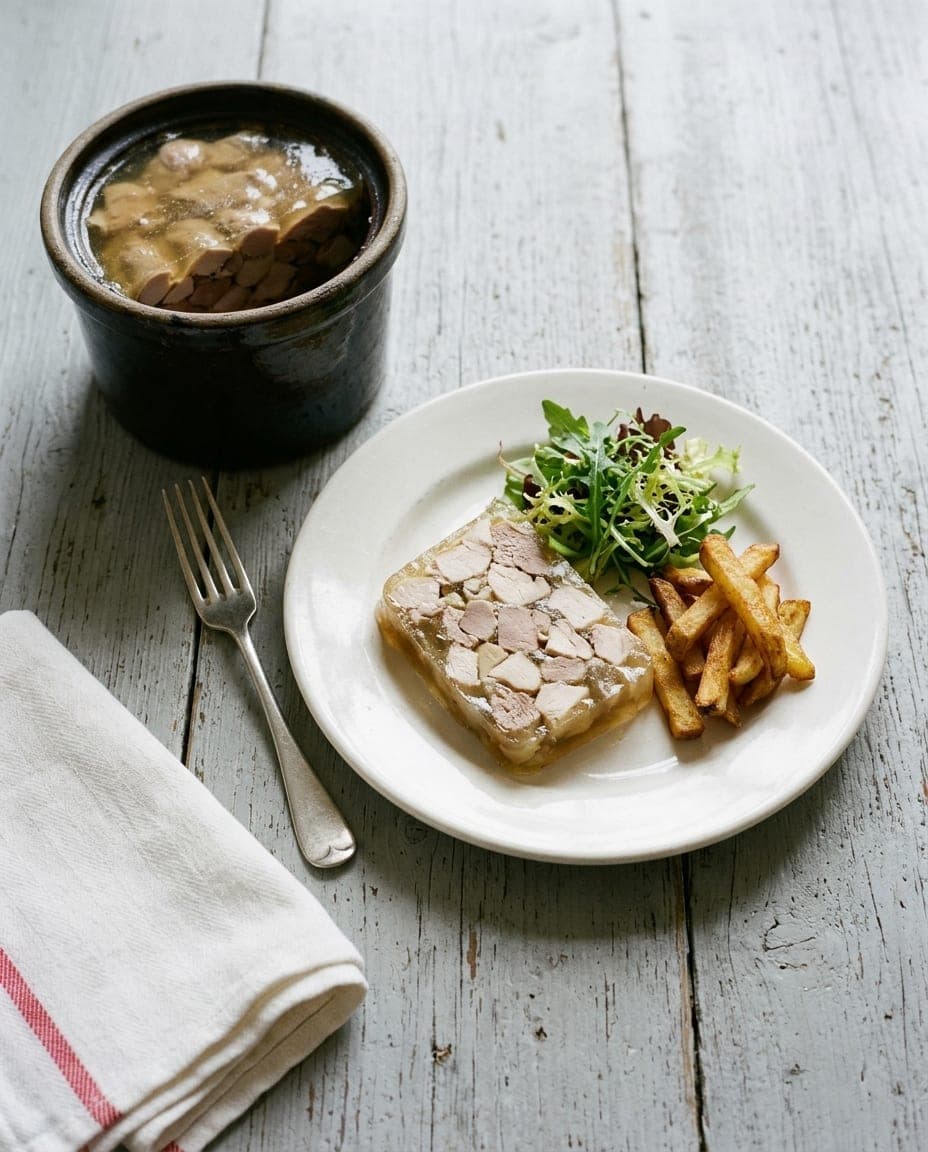
Potjevleesch is a cold terrine from French Flanders, in the Hauts-de-France region, eaten around Dunkirk, Cassel and Lille. The name comes from Flemish and means "little pot of meat" (pot plus the diminutive -je and vleesch, meat), referring to the earthenware vessel in which the dish is traditionally cooked and served. It is not a stew eaten hot, but a cold preparation where the meats are cooked gently until tender, then set in their own jelly before being chilled.
The result is a pale terrine made from three or four white meats, classically rabbit, chicken, veal and pork. These are cooked slowly for hours with aromatics such as onion, thyme and bay leaves, sometimes juniper berries, and often with a splash of vinegar or white wine. The liquid sets into a jelly that binds the meat together; traditionally the setting comes from the bones and connective tissue of the meats, though many cooks today add a little gelatine.
It is a dish born of practicality and local taste, designed to be made in advance and kept cool for days. The texture is firm yet yielding, with the flavours of the herbs and the subtle acidity of the cooking liquid remaining distinct against the softness of the meat.
The Flemish tradition
Potjevleesch belongs firmly to the culture of the estaminet, a Flemish café-tavern that was long the social heart of villages in northern France. These establishments, which share a history with Belgian taverns, are known for their rustic wooden interiors and their focus on simple, hearty food paired with local beer. The dish is one of the staples of an estaminet menu, appearing year-round rather than as a seasonal speciality.
The tradition is bound up with the Flemish countryside around Dunkirk and Cassel, where cold, preserved foods made good sense for busy farming households. Today, the dish remains a marker of local identity in French Flanders and Lille.
What goes into it
The composition of potjevleesch varies by kitchen, but the white meats are the defining feature:
- Rabbit, which provides a lean, gamey base.
- Chicken, usually parts that retain some bone for flavour and gelatin.
- Veal, adding a delicate texture and mild taste.
- Pork, contributing fat and body.
These are cooked together with onions, thyme and bay leaves, often with juniper berries. A splash of vinegar or white wine is added to the cooking liquid, ensuring the final dish is not cloyingly rich. The acidity balances the fat of the meats and keeps the jelly from tasting heavy.
How it is eaten
Potjevleesch is served cold, often straight from the earthenware pot or a similar terrine dish. It is cut into thick slices or spooned out in generous portions, revealing the different meats within the clear, amber jelly.
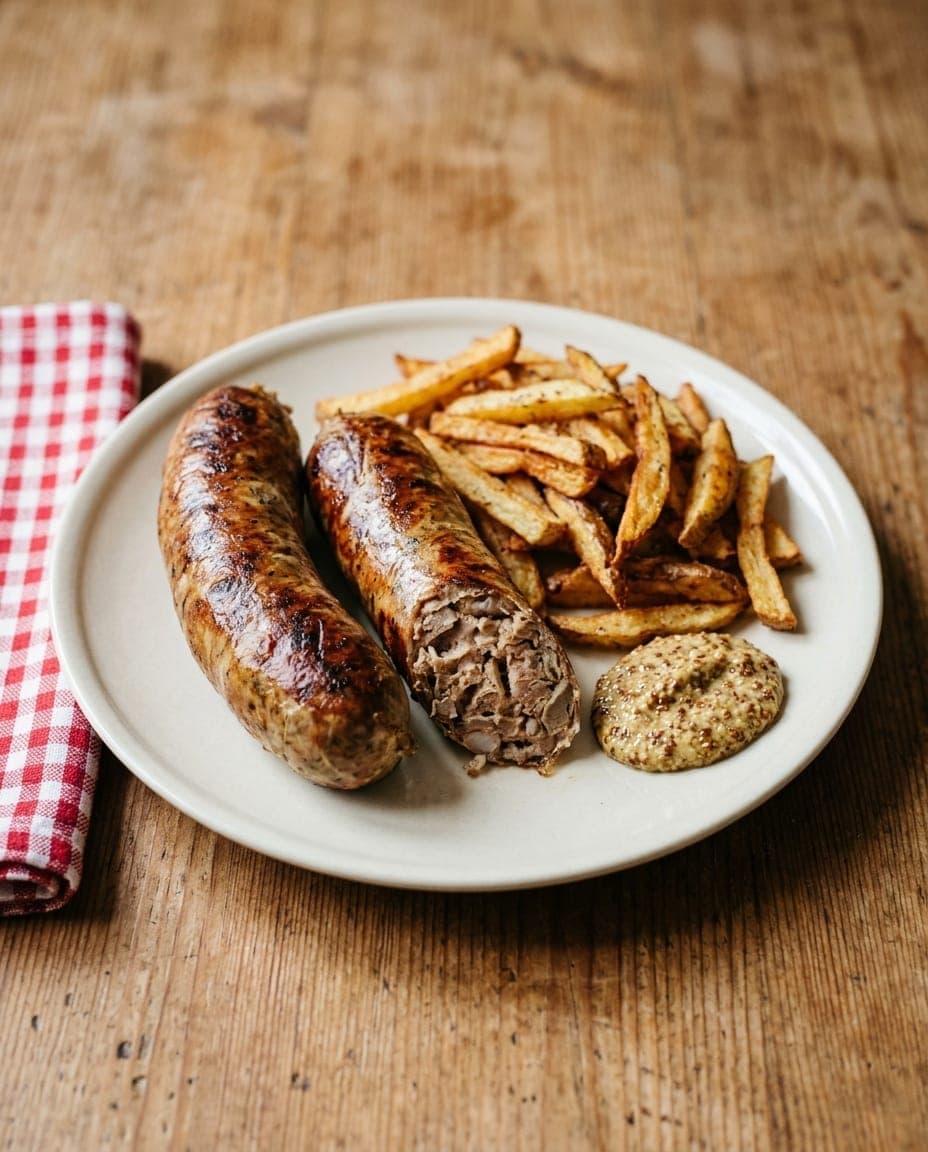
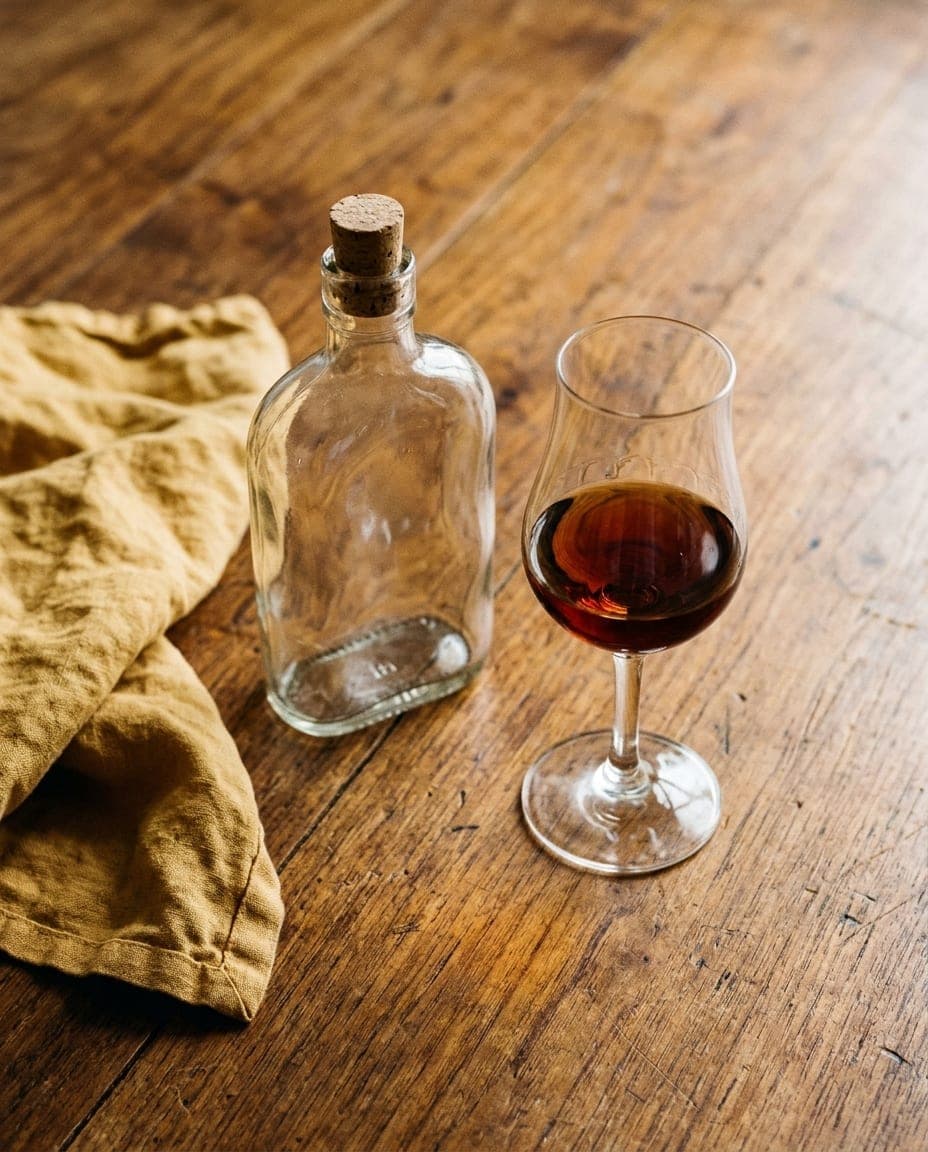
It is almost always accompanied by frites, hot and crispy, creating a striking contrast with the cold, soft terrine; the fries are often placed on top so the jelly begins to melt into them. A side of simple green salad or pickles is also common, offering a fresh crunch to complement the rich meat. A natural drink pairing is a bière de garde, a strong, malty beer style of northern France, which stands up well to the savoury flavours.
The combination sounds unusual to outsiders: cold jellied meat with hot chips and a strong beer. Yet for those familiar with Flemish food culture, it is a satisfying balance of temperature, texture and taste. The heat of the fries contrasts with the cool, savoury depth of the terrine, while the beer cleanses the palate between bites.
Curious facts
- The name tells the story. "Potjevleesch" literally means "little pot of meat", a direct reference to the earthenware container used for cooking and serving.
- A natural jelly. In the traditional method, the jelly that holds the meat together comes from the bones and collagen of the meats during slow cooking.
- A cold contrast. The dish relies on the interplay between the cold terrine and the hot, salty fries, a pairing typical of the region's estaminets.
- Several meats. Versions use three or four meats, and the classic set is rabbit, chicken, veal and pork.
- A regional anchor. The dish is specific to French Flanders and is rarely found outside the north, where it remains a symbol of local heritage.
Where to try it
The best place to eat potjevleesch is in an estaminet in Lille, Dunkirk or Cassel. These are small, unpretentious cafés that focus on traditional Flemish fare rather than modern innovation.
In Lille, such places are found in the old town and in the surrounding villages. The dish is best enjoyed with a bière de garde and a side of hot frites, as local custom has it.
Where to try it
1 destination
 Camper Van Rentals
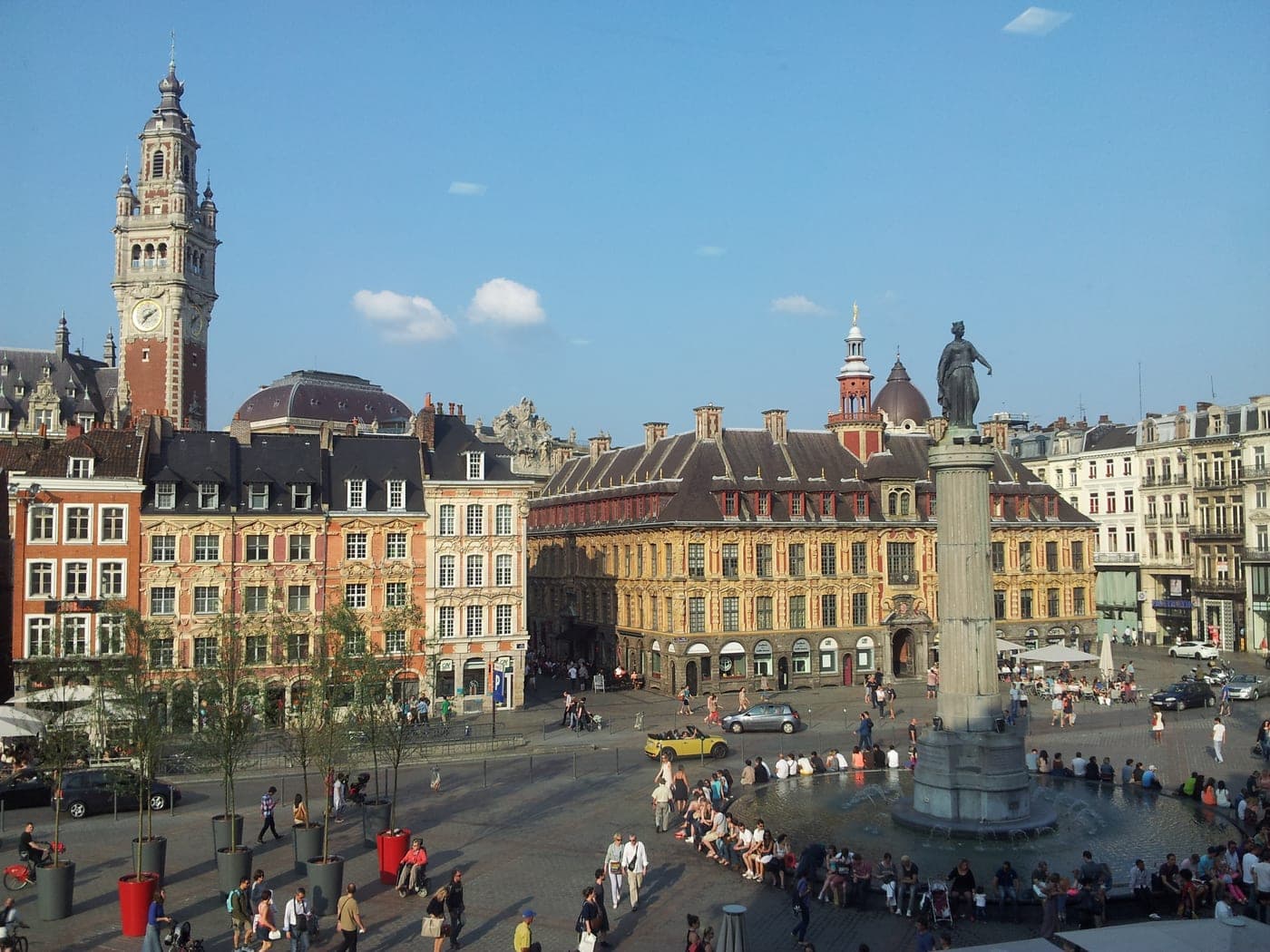
Lille
Historic city known for Flemish architecture and vibrant cultural scene.
Camper Van RentalsHiking
1 region
 Wine Tasting3 destinations
Hauts-de-France
Hauts-de-France is the northernmost region of France, known for its rich industrial heritage, unique cultural blend, and stunning coastal landscapes along the English Channel. Lille, the largest city, boasts vibrant Flemish architecture and a thriving arts scene. The region is the birthplace of French Impressionism, with museums dedicated to renowned artists like Van Gogh. The Somme Valley offers historic World War I sites, while the Opal Coast features breathtaking cliffs and charming fishing villages. Known for its local cuisine, Hauts-de-France is famous for dishes like 'potjevleesch' and 'moules-frites,' providing an authentic taste of the area. Off the beaten path, explore towns such as Arras, with its grand squares, or the serene countryside of the Avesnois Natural Park, rich in biodiversity and picturesque landscapes.
Wine TastingCamper Van RentalsHiking