Pâtes de fruits d'Auvergne
Sugared fruit jellies from Clermont-Ferrand and the Limagne orchards
- Vegetarian
- Local name
- Pâtes de fruits d'Auvergne
- Best eaten at
- A Clermont-Ferrand confiserie
What it is
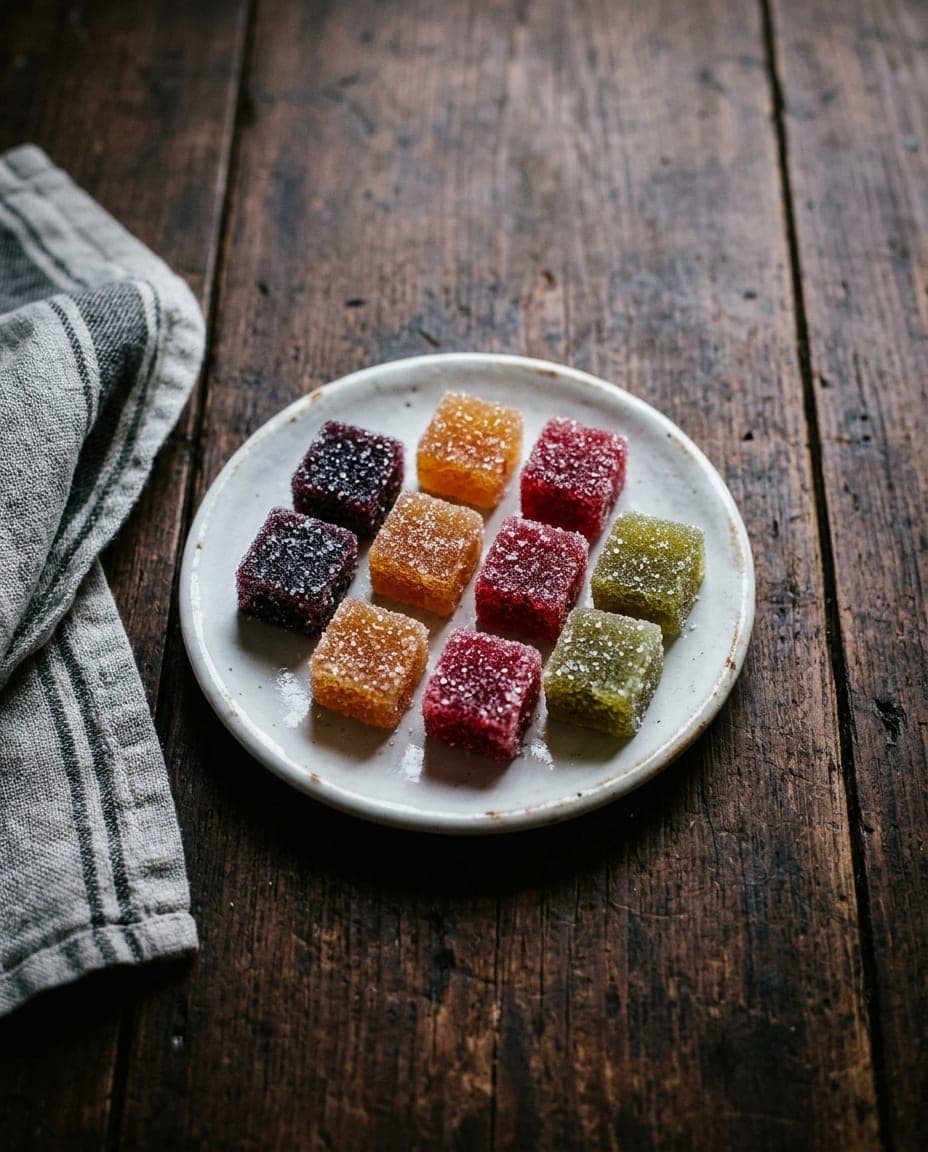
Pâtes de fruits d'Auvergne are a traditional confection from the Auvergne region in central France, centred on the city of Clermont-Ferrand. They are blocks of fruit purée cooked with sugar until they reach a firm consistency, then cut into cubes and rolled in granulated sugar. The result is a sweet treat that feels substantial rather than airy, holding its shape when lifted but yielding slightly to the bite.
While similar jellies exist elsewhere in France, the Auvergne version has a long local history. The fruit traditionally came from the region's orchards, particularly the apricots of the Limagne plain around Clermont-Ferrand. This connection to the land is central to how the confection is viewed: it is not merely a sweet but a way of preserving the harvest in a form that lasts for months.
The texture distinguishes good pâtes de fruits from softer, wobblier jellies. A well-made block has a clean edge when cut and offers a slight resistance before softening on the tongue. The flavour is intense, driven by the fruit rather than the sugar coating, though the sugar layer provides a necessary contrast. They are often sold in simple boxes containing an assortment of colours and flavours, intended to be shared or savoured slowly.
A long history in Clermont-Ferrand
The history of fruit confectionery in Auvergne stretches back centuries. Candying fruit, above all apricots from the local orchards, is said to have begun in the Clermont area in the Middle Ages, and the early sweets were known as confitures sèches ("dry jams"). Cooking fruit down with sugar was a practical way to extend the life of the harvest.
Over time, this practice became a renowned craft. In 1629 Cardinal Richelieu was presented with trunks of candied apricots during a visit to Clermont-Ferrand, and the city's dry jams later found admirers among writers such as Madame de Sévigné. In the 19th century, a sugar-beet refinery on the edge of Clermont-Ferrand gave local confectioners a convenient supply of sugar.
The tradition remains active today, both in industrial production and in small, dedicated confiseries that guard their recipes and sourcing methods. In the best of them, the focus remains on the fruit itself.
What goes into it
The ingredients are simple, but the quality of each element matters greatly to the outcome:
- Fruit purée: Traditionally apricot, along with fruits such as pear and quince; blackcurrant, raspberry and bilberry also appear in assortments. A high proportion of fruit pulp is the mark of a good pâte de fruits.
- Sugar: Granulated sugar is used in large quantities to cook the purée down and to coat the finished cubes.
- Pectin: A natural setting agent derived from fruit helps the mixture firm up without becoming rubbery.
- Water: Used only in small amounts to dissolve the sugar and manage the cooking process.
The final product is not a soft, melting jelly but a block that can be sliced cleanly. The sugar coating adds a crisp texture to the exterior, while the interior remains slightly soft and chewy.
How to eat it
Pâtes de fruits d'Auvergne are typically served after a meal or alongside coffee. They are too sweet to be eaten in large quantities as a snack, but their intensity makes them ideal in a small portion with a hot drink. The bitterness of black coffee or the warmth of tea cuts through the sweetness and highlights the fruit notes.
In Clermont-Ferrand, they are sold in boxes at local confiseries, designed to be taken home or shared with companions. A single cube is usually enough to satisfy a craving for something sweet without overwhelming the palate, and the fruit flavour comes through best when eaten slowly.
Curious facts
- Dry jam. The old name for Clermont's fruit confections was confitures sèches, or "dry jams".
- A cardinal's gift. Cardinal Richelieu received trunks of candied apricots when he passed through Clermont-Ferrand in 1629.
- Apricot country. The apricot orchards around Clermont-Ferrand were the original basis of the trade.
- A regional signature. While other French regions make fruit jellies, Clermont-Ferrand has been associated with fruit confectionery for centuries.
- Preservation craft. The method grew from a need to store fruit, turning a practical technique into a celebrated confectionery art.
Where to try it
The best place to taste pâtes de fruits d'Auvergne is in a dedicated confiserie in Clermont-Ferrand. Some of these shops have been operating for generations and take pride in the quality of their fruit. A visit to one of these establishments offers a direct link to the region's long history of preserving its harvest.
Where to try it
1 destination
 Wine Tasting
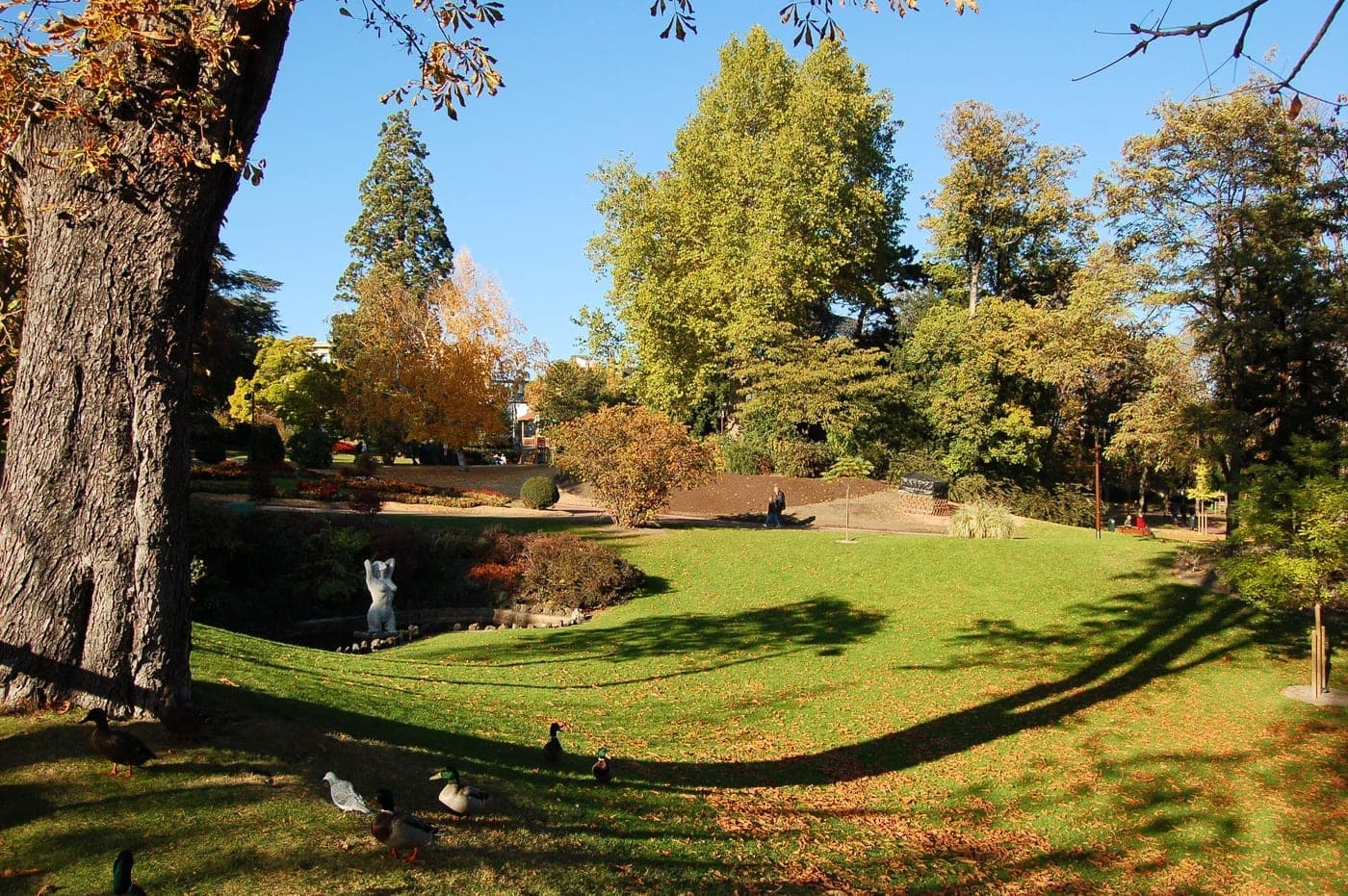
Clermont-Ferrand
Historic volcanic city with access to Auvergne wine estates and Michelin heritage.
Wine TastingHiking