Pastis
Anise spirit from Marseille, turned cloudy with water
- Alcoholic
- Local name
- Pastis
- Served
- Diluted with cold water, with ice
- Best eaten at
- A Provençal café terrace
- Pairs with
- Olives, tapenade
What it is
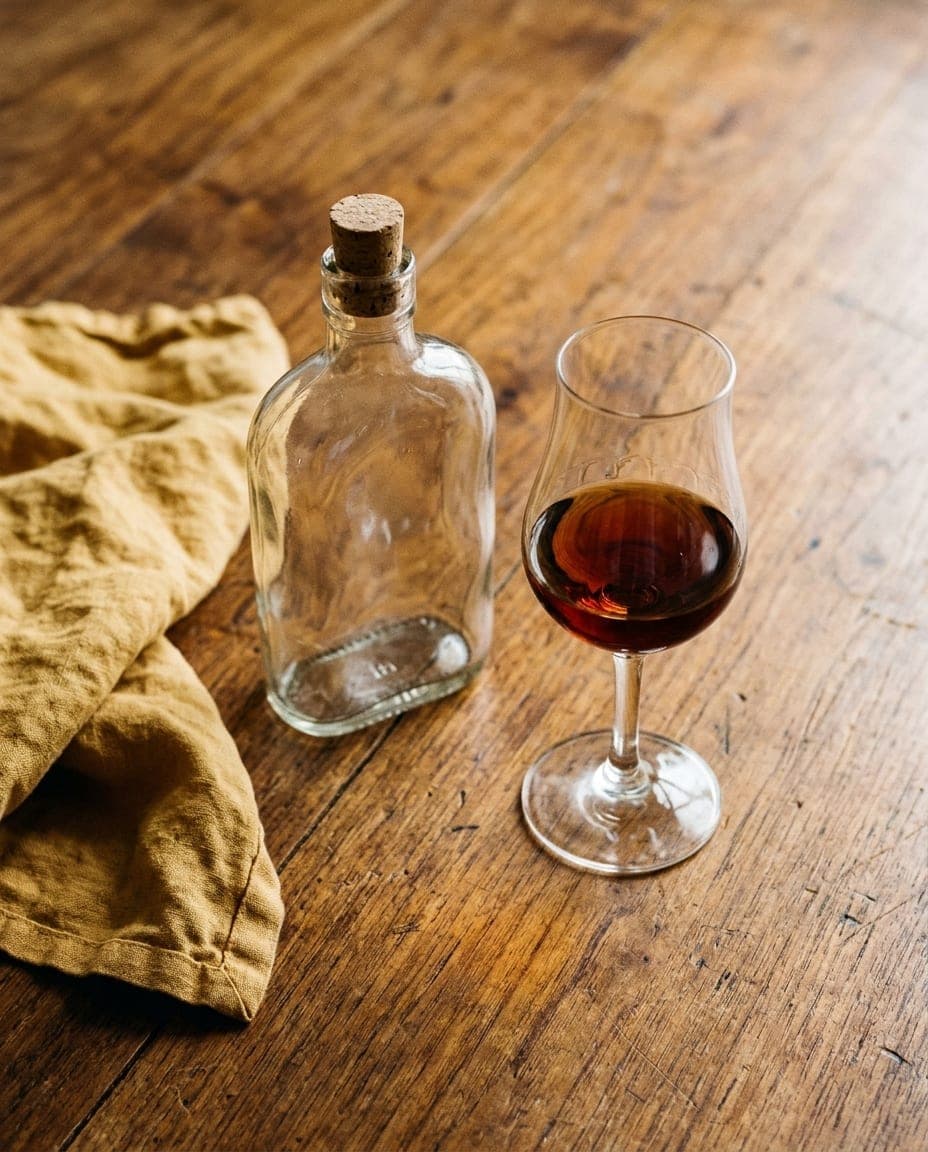
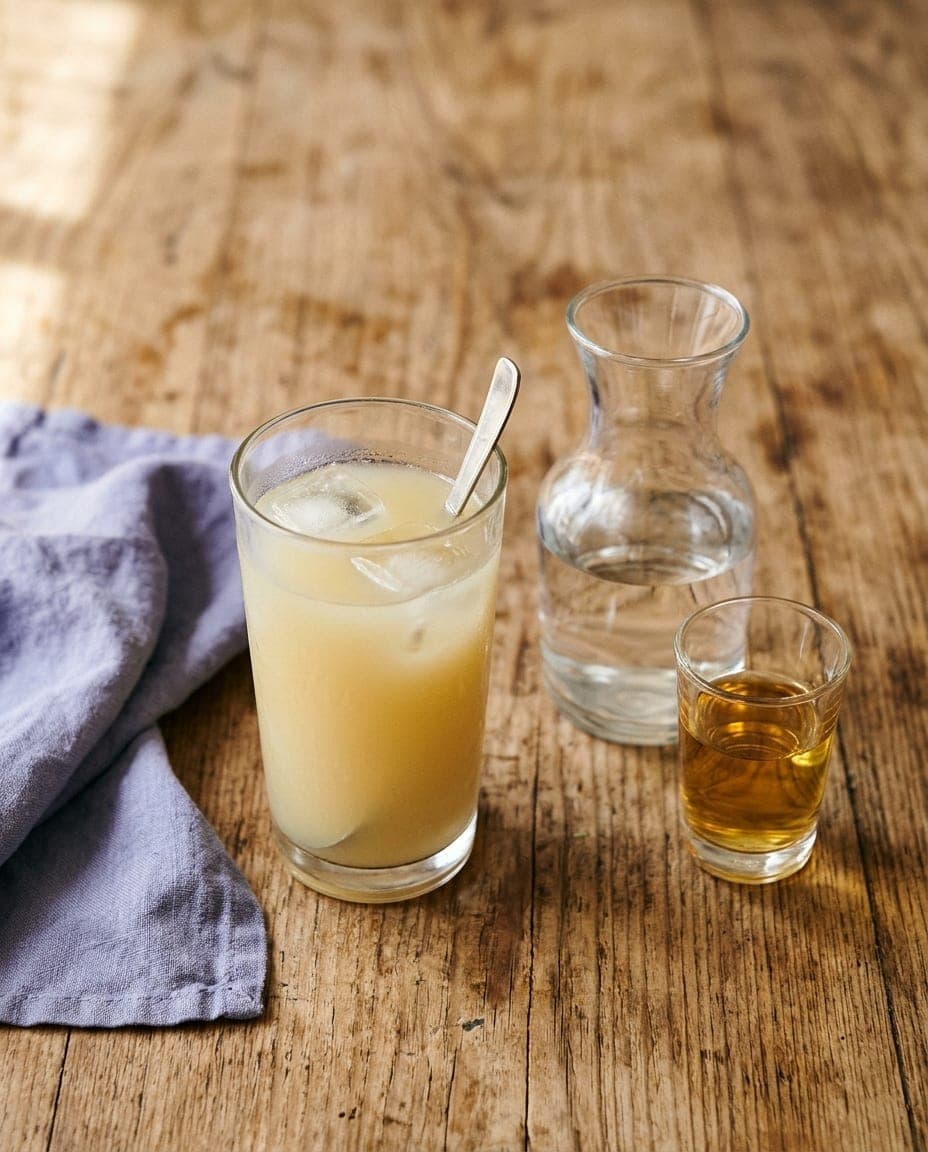
Pastis is the defining aperitif of southern France, above all of Marseille and the Provence-Alpes-Côte d'Azur region. It is a clear, yellow-amber spirit flavoured with anise and liquorice, served by adding cold water until the liquid turns a milky yellow. This transformation, known as the louche, is the most visual part of the ritual and happens instantly as the water mixes with the spirit.
The drink is sweetish, herbaceous and strongly aromatic. It is not a cocktail in the modern sense, nor is it a dessert wine. It is an aperitif, drunk before a meal, and in Marseille it is a familiar sight on café terraces from late morning onwards, especially at lunchtime and in the early evening. Its nickname, le petit jaune ("the little yellow one"), comes from its colour.
The history of anise after absinthe
The story of pastis begins with the banning of absinthe in France in 1915. Absinthe was a strong spirit flavoured with wormwood, green anise, fennel and other herbs that had become popular among artists and workers alike. Concerns over its effects led to a ban on its sale and consumption. This left a gap in the French market for a legal anise-flavoured aperitif.
From 1922, anise drinks without wormwood were authorised again, initially limited to 30% alcohol. In 1932 the young Marseillais Paul Ricard launched his own anise spirit at 40%, marketed as "le vrai pastis de Marseille", and in 1938 a decree allowed anise aperitifs up to 45%. Pastis retained the familiar anise flavour, with liquorice root as a characteristic ingredient. The name pastis is usually traced to the Provençal pastisson, meaning a mixture or muddle, sometimes linked to the Italian pasticcio.
The drink became associated with the working class of Marseille: it was affordable, strong and refreshing in the hot Mediterranean climate. During the Second World War the sale of strong aperitifs was banned, but pastis returned afterwards and, over the following decades, became a national symbol of French leisure, though its heart remained firmly in the south. It is closely linked with outdoor cafés and with pétanque, the game of boules played on gravel squares throughout Provence.
How the drink is made
Pastis is made by flavouring a neutral agricultural alcohol with plant extracts. The main flavours come from anise — green anise and/or star anise — and liquorice root, which give the liquid its sweet, aromatic character. Other botanicals are added, but the exact blend is kept secret by each producer. Its yellow tint in the bottle comes from added colouring.
Pastis is a strong spirit, typically bottled at 40–45% alcohol, which is why it is always diluted before drinking. The key to the flavour is the balance between the sweetness of the anise and liquorice and the dryness of the base spirit.
Unlike a cocktail where ingredients are shaken or stirred together, pastis relies on a simple physical effect. The essential oil of anise, anethole, dissolves in strong alcohol but not in water. When water is added, the oil forms tiny droplets that scatter light, creating the cloudy yellow appearance known as the louche. The process happens within seconds of pouring.
The ritual of serving and drinking
The way pastis is served follows a familiar convention in Provence. A measure of the spirit is poured into a glass, and cold water is then added, typically in a ratio of about one part pastis to five parts water, though this varies by personal taste. The water turns the drink cloudy and releases the aroma of the anise.
The order of adding ingredients matters. Ice is traditionally added only after the water: ice dropped straight into the neat spirit can make the anethole crystallise into small flakes. The result is a refreshing, aromatic drink that feels lighter than its alcohol content suggests.
Pastis is traditionally drunk as an aperitif before lunch or dinner. It is the companion of choice for sitting on a terrace in Marseille or a village square in Aix-en-Provence. The drink is sipped slowly; it is not a quick shot but a long, social pause.
Where it fits in Provençal life
Pastis is deeply woven into the daily rhythm of the south of France. In Marseille, locals gather at café terraces to share a glass, often while watching the world go by or playing games. The pétanque ground is a classic setting for the ritual, where players take breaks between throws to sip their pastis.
The drink pairs naturally with the food of the region. It is commonly served alongside a small plate of olives, whose saltiness balances the sweetness of the anise. Tapenade, a thick paste made from olives, capers and anchovies, is another traditional accompaniment.
In the summer months, pastis is often enjoyed in the shade of a café awning or under the plane trees of a village square.
Curious facts
- The louche is visible science. The clouding effect happens because the anise oil separates from the alcohol when water is added, creating a suspension of tiny droplets that scatter light.
- A national symbol with local roots. While pastis is now drunk across France, its story is tied to Marseille, where Paul Ricard launched his "vrai pastis de Marseille" in 1932.
- No wormwood in the glass. Unlike its predecessor absinthe, pastis does not contain wormwood, the plant at the centre of the earlier spirit's notoriety.
- A social equaliser. In the cafés of Marseille, pastis is a drink that brings together people from all walks of life, united by the shared ritual of the louche.
Where to try it
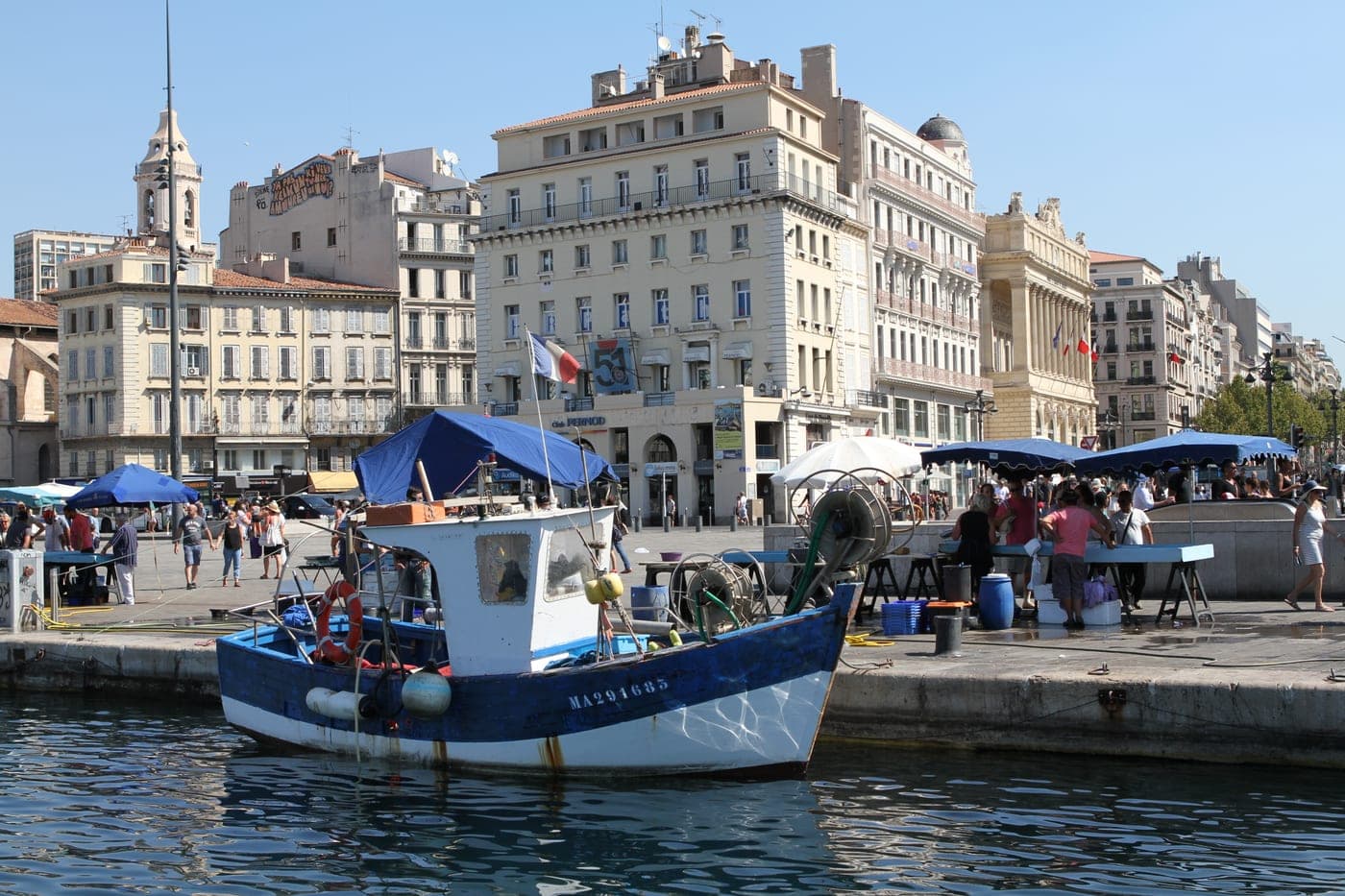
The best place to drink pastis is on a terrace in Marseille, particularly around the Vieux-Port and the neighbourhoods surrounding the old port. The city is the home of the drink, and its cafés have long experience of serving it.
In other parts of Provence, such as Aix-en-Provence or Arles, pastis is equally common on terrace menus. The drink is available in most bars throughout France, but the experience is most authentic in the south, where the heat and the culture align with the drink's purpose.
A pastis is usually served with a carafe of cold water on the side, so each drinker can choose the dilution. Watching the liquid turn cloudy is part of a moment that captures the slow pace of the Mediterranean and the history of a drink born from necessity.
Where to try it
1 destination
 Camper Van Rentals
Marseille
Mediterranean port city with calanques, bouillabaisse, and multicultural energy.
Camper Van RentalsHiking
1 region
 Wine Tasting44 destinations
Provence-Alpes-Côte d'Azur
This picturesque region in southeastern France is known for its diverse landscapes, from the rugged Alps to the stunning Mediterranean coastline. It is the only region with direct access to the coast, featuring historic towns like Nice and the artistic haven of Saint-Paul-de-Vence. The region is famous for its lavender fields, particularly around Valensole, and its vineyards producing renowned wines such as Bandol and Côtes de Provence. Lesser-known villages like Moustiers-Sainte-Marie are rich in pottery traditions, while the Verdon Gorge offers breathtaking hiking and kayaking opportunities. Local markets showcase seasonal produce like olives, herbs, and artisan cheeses, enhancing the immersive experience of this vibrant region.
Wine TastingHikingCamper Van RentalsLocal Cuisine