Maroilles
A smelly orange cheese from northern France, served on tarte au Maroilles with beer
- Local name
- Maroilles
- Served with
- Bread, as tarte au Maroilles
- Best eaten at
- A Lille estaminet
- Pairs with
- Bière de garde
What it is
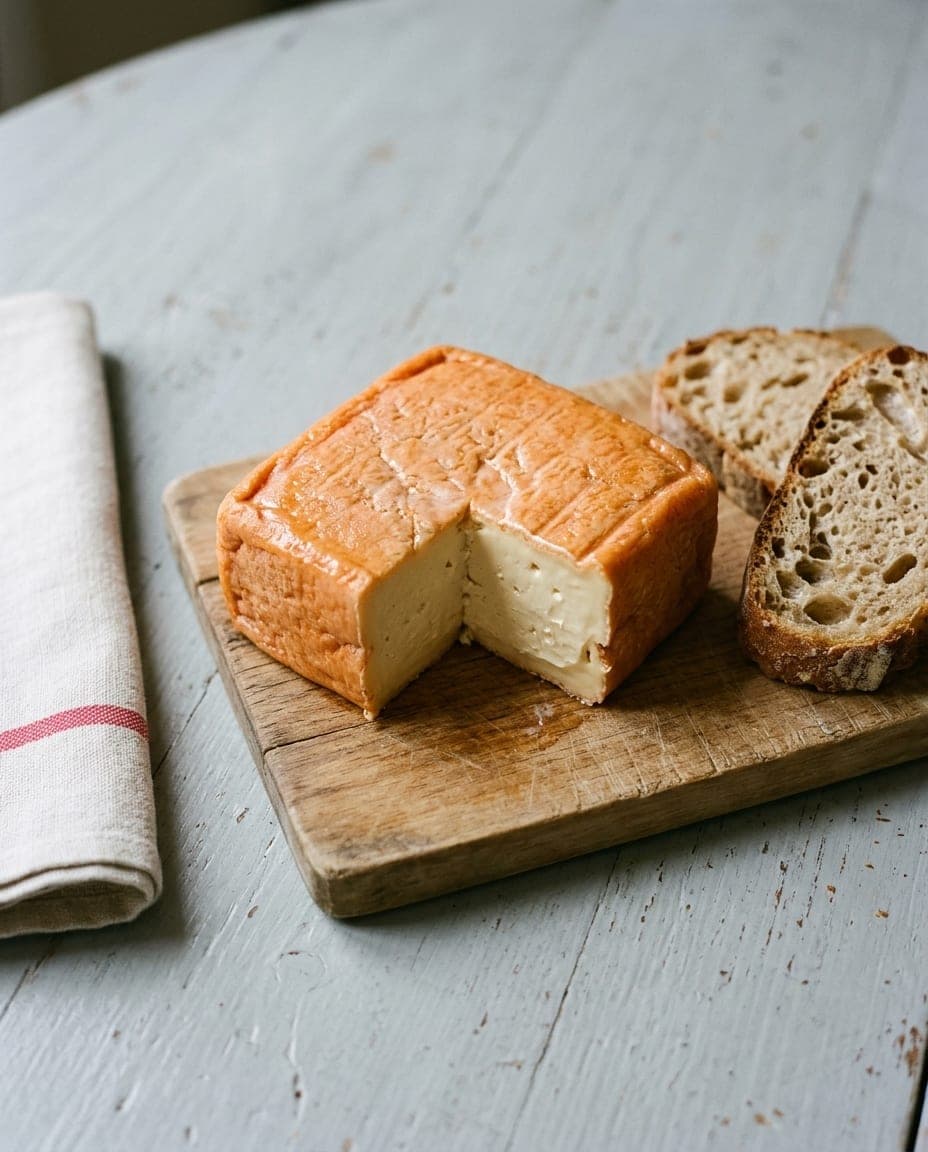
Maroilles is a square, soft cheese of washed-rind cow's milk from the Thiérache area, straddling the Nord and Aisne departments in the Hauts-de-France region. It has a distinctive brick-orange rind that feels slightly sticky to the touch, while the paste inside remains pale, supple and soft. The most striking feature of this cheese is its aroma, which is intense and pungent, and Maroilles is often cited as one of France's strongest-smelling cheeses. Despite the powerful smell, the flavour is generally milder and creamier than the scent suggests.
The cheese is a regional speciality rather than a national staple, named after the village of Maroilles and bound up with the history of its abbey. Its character comes from a ripening process in which the rind is repeatedly brushed and washed with salted water. This practice encourages specific red bacteria to grow on the surface, creating the characteristic orange colour and the strong odour. The result is a cheese that demands attention but rewards patience, balancing its sharp nose with a gentle, savoury taste. It has been protected as an AOC since 1976 and as an EU AOP (PDO) since 1996.
The abbey tradition
The story of Maroilles begins with the abbey of Maroilles, where, according to tradition, a monk first made the cheese in the 10th century; the year 962 is often quoted. The village gives the cheese its name, and the tradition has persisted for over a thousand years, surviving wars, revolutions and changes in farming practices. The abbey itself was suppressed during the French Revolution, but production of Maroilles continued on the farms of the surrounding villages.
The washing of the rind is central to this tradition. Instead of letting the cheese dry naturally, it is regularly brushed and washed with brine in a humid cellar for several weeks. This wet environment fosters the bacteria that turn the rind from yellow to orange-red and develop the potent aroma. The process requires care and consistency, as it determines both the texture and the character of the final product, and it has become a defining feature of the region's culinary identity.
How it is eaten
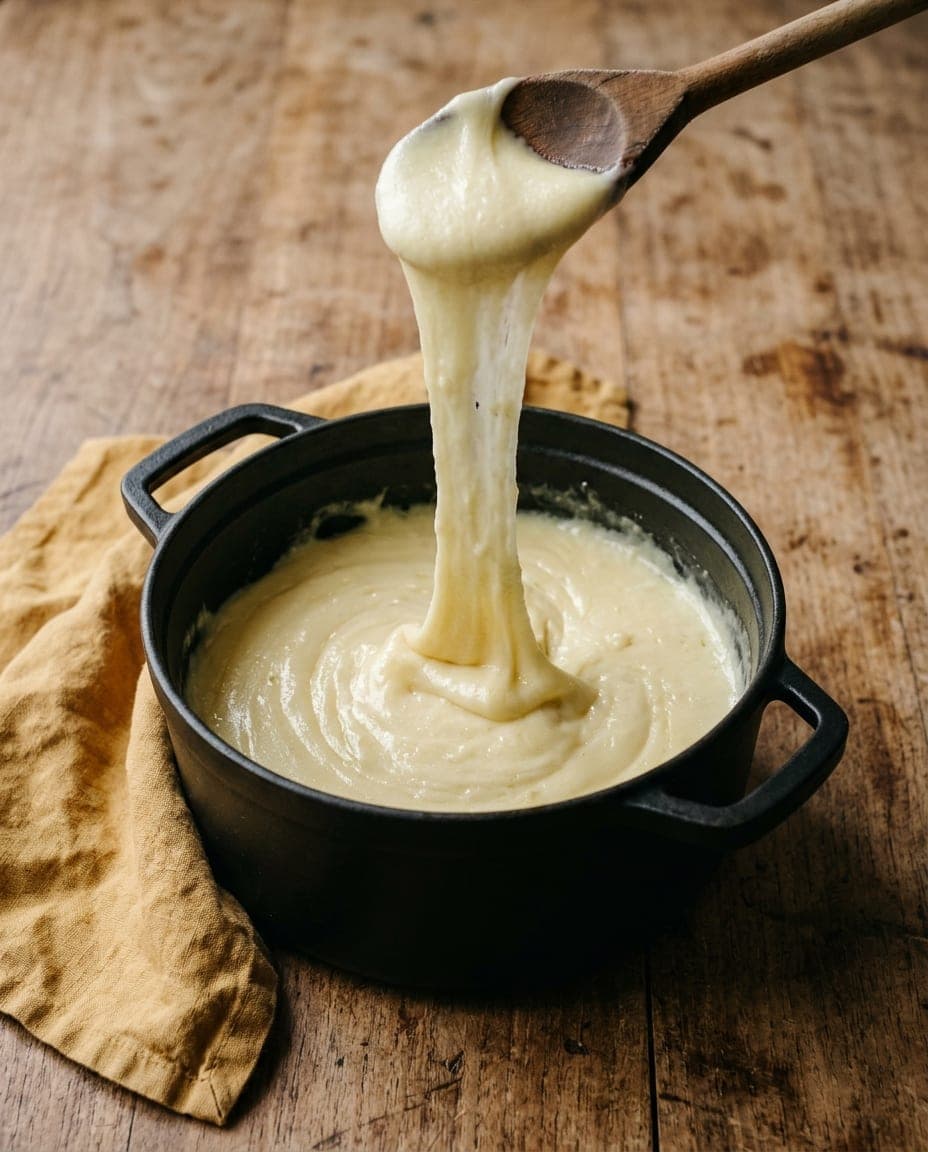
Maroilles is often eaten simply with thick slices of country bread, but it is also baked into dishes that showcase its deep flavour. The most famous preparation is the tarte au Maroilles, also known as flamiche au Maroilles, in which slices of the cheese are melted over a bread-dough or pastry base until they bubble and brown. This dish turns the strong cheese into a comforting, savoury main course or a substantial starter.
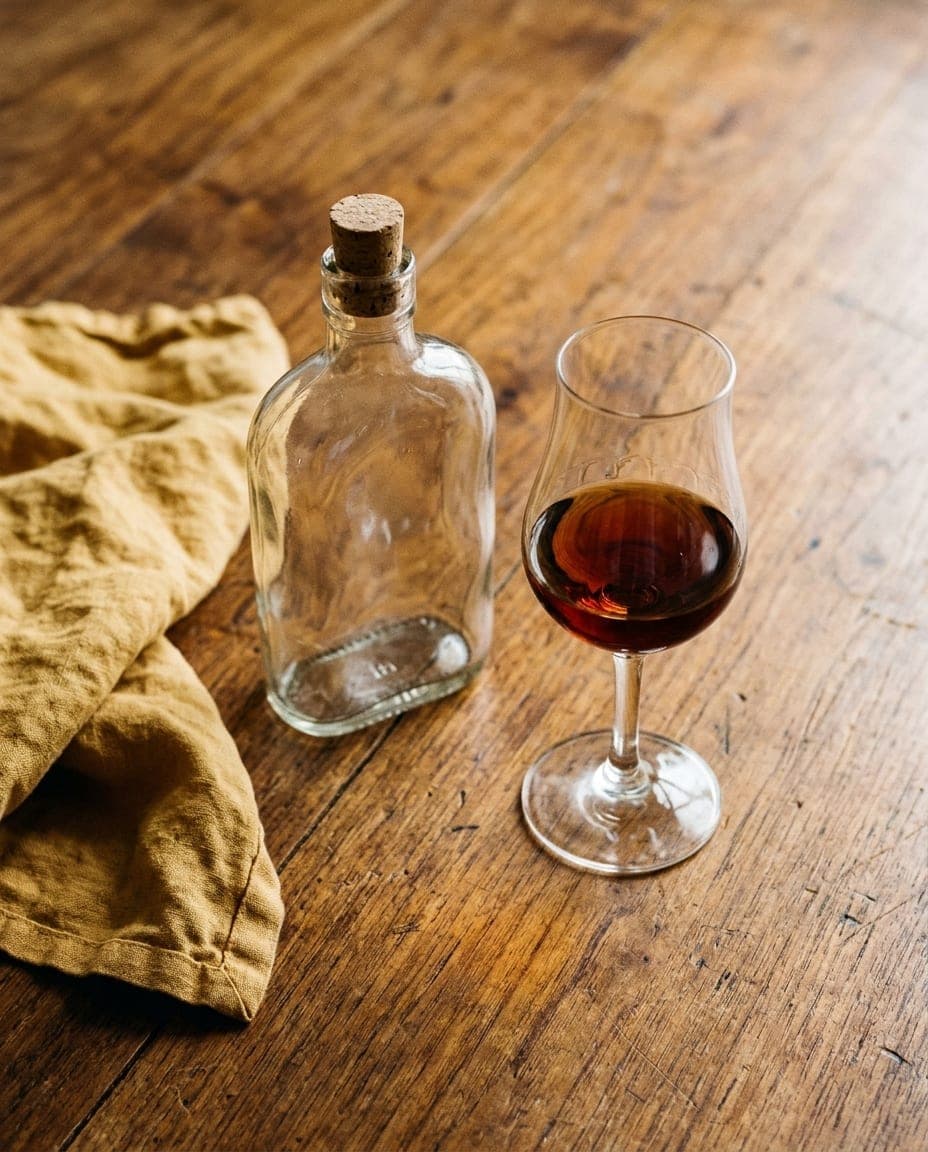
The cheese also has a pairing that differs from the wine-focused traditions of other French regions. Maroilles is often enjoyed with bière de garde, a strong, amber-coloured beer brewed in the north. The maltiness and body of this beer cut the richness of the cheese and complement its earthy notes without clashing with its intensity. This combination is a staple in the local estaminets of Lille, where patrons gather to enjoy hearty food and drink.
What goes into it
The ingredients for Maroilles are simple but specific, reflecting the agricultural character of the Thiérache, a landscape of hedged pastures:
- Cow's milk, from herds in the defined area of the Nord and Aisne departments; both raw-milk farmhouse and pasteurised dairy versions exist.
- Rennet, to set the curd. Like most traditional cheeses, it is made with animal rennet, so Maroilles is not considered vegetarian.
- Salt, used on the curd and in the brine washes that form the rind.
- Brine, a saltwater solution applied repeatedly during ripening to encourage the desired bacterial growth.
The classic Maroilles is a square of about 13 centimetres a side and 6 centimetres thick, and smaller formats (Sorbais, Mignon and Quart) are also allowed. Some people cut away the rind, though many enjoy it together with the soft paste beneath.
Curious facts
- The smell defines it. Maroilles is regularly cited as a benchmark for strong-smelling cheese, even though its taste is gentler than its nose.
- A square shape. Unlike many round cheeses, Maroilles is traditionally made in squares, with four official sizes.
- Monastic roots. Tradition credits a monk of Maroilles Abbey with creating the cheese in the 10th century.
- Beer over wine. While many French cheeses pair with wine, Maroilles is often served with bière de garde, a strong northern beer.
- A regional icon. The cheese is a symbol of the Thiérache and features on the menus of Lille's estaminets.
Where to try it
The best place to eat Maroilles is in the Hauts-de-France region, particularly in the towns and villages of the Thiérache or in an estaminet in Lille. Here, the cheese appears as a tarte au Maroilles or alongside a glass of bière de garde. The atmosphere is warm and unpretentious, with a focus on traditional flavours rather than fancy presentation. Visiting a farm in the Thiérache can also offer insight into how the cheese is made, though the most memorable experience comes from eating it where it has been served for centuries.
Where to try it
1 region
 Wine Tasting3 destinations
Hauts-de-France
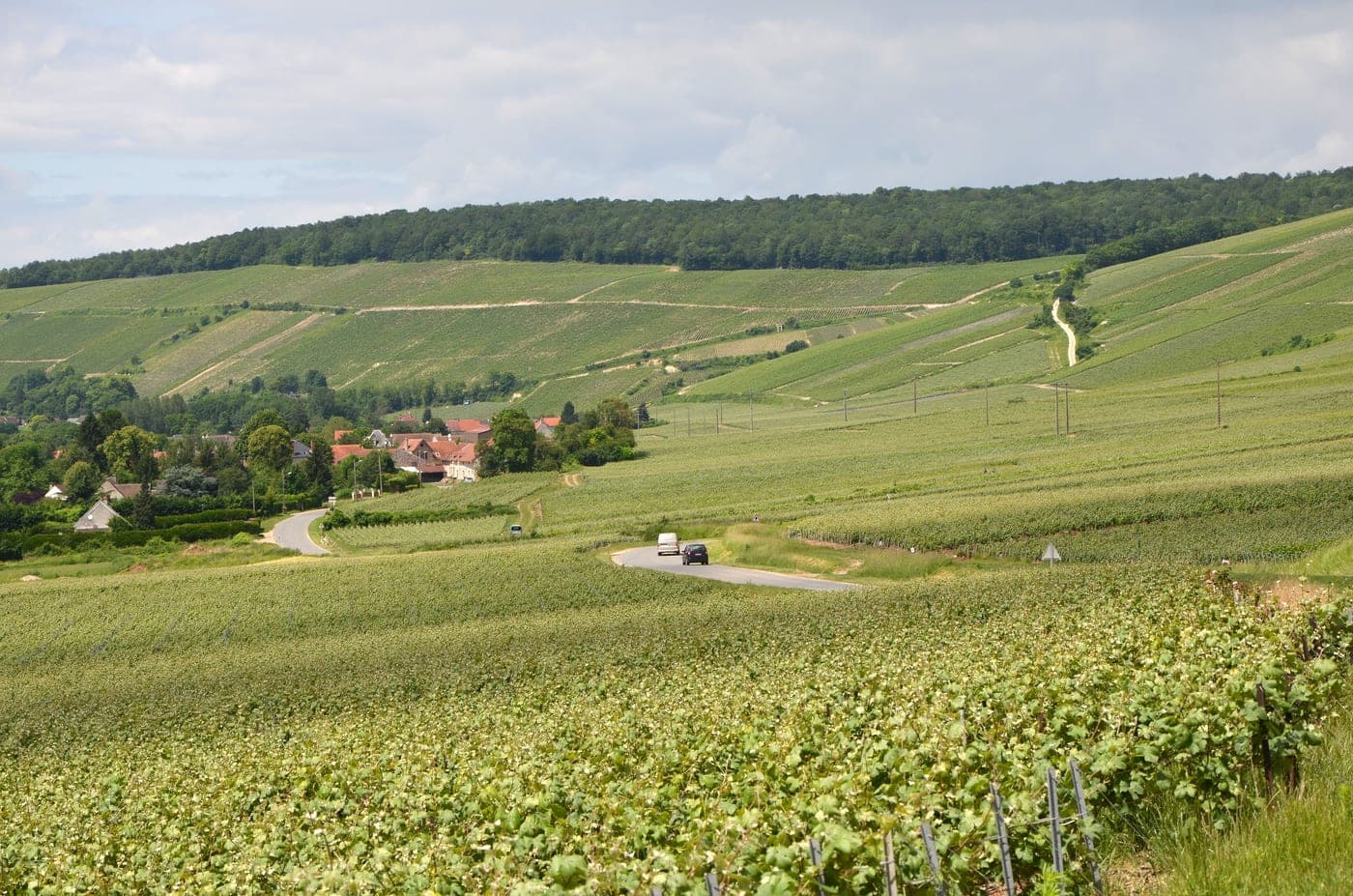
Hauts-de-France is the northernmost region of France, known for its rich industrial heritage, unique cultural blend, and stunning coastal landscapes along the English Channel. Lille, the largest city, boasts vibrant Flemish architecture and a thriving arts scene. The region is the birthplace of French Impressionism, with museums dedicated to renowned artists like Van Gogh. The Somme Valley offers historic World War I sites, while the Opal Coast features breathtaking cliffs and charming fishing villages. Known for its local cuisine, Hauts-de-France is famous for dishes like 'potjevleesch' and 'moules-frites,' providing an authentic taste of the area. Off the beaten path, explore towns such as Arras, with its grand squares, or the serene countryside of the Avesnois Natural Park, rich in biodiversity and picturesque landscapes.
Wine TastingCamper Van RentalsHiking