Kir
A chilled aperitif of Aligoté wine and blackcurrant liqueur from Dijon
- Alcoholic
- Local name
- Kir
- Served
- Chilled, in a wine glass
- Best eaten at
- A Dijon café aperitif
- Pairs with
- Gougères
What it is
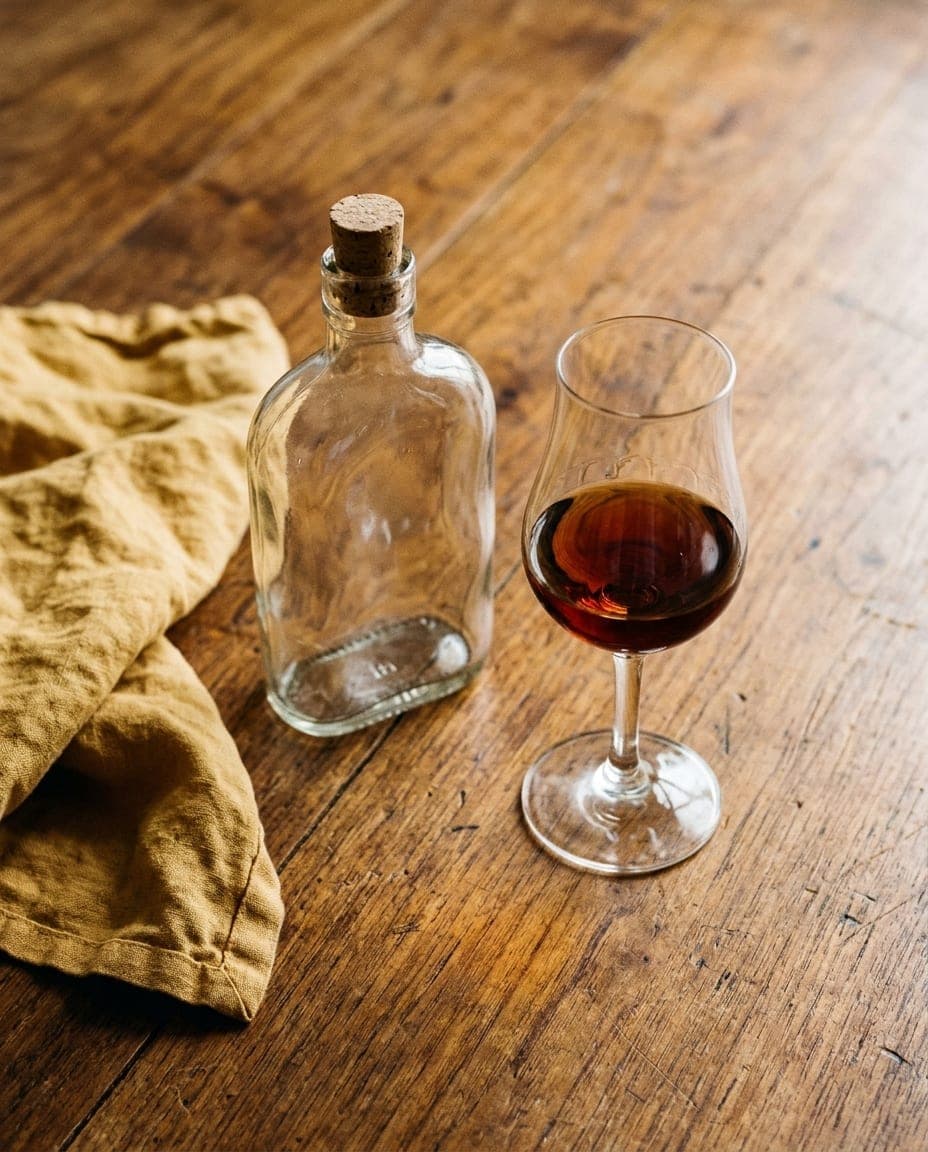
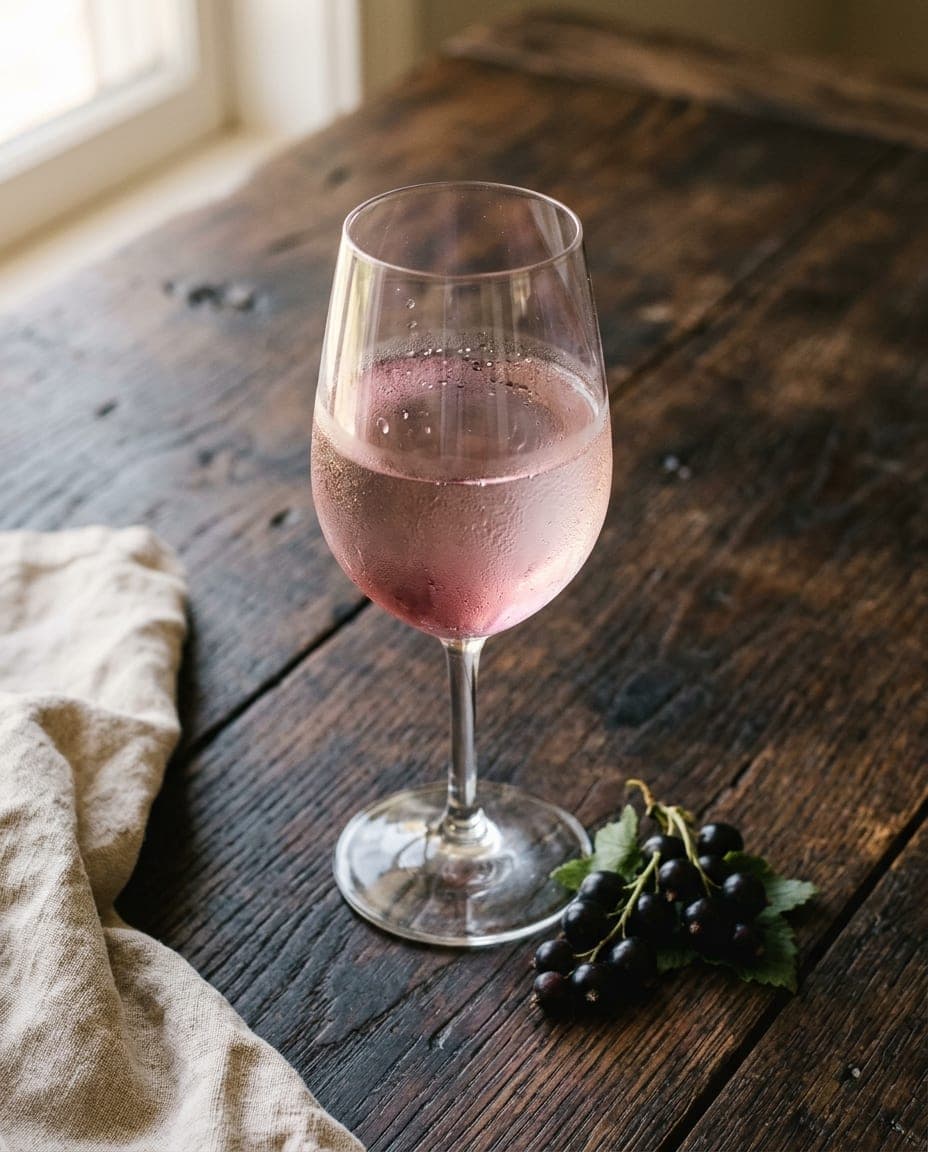
Kir is a simple aperitif from the city of Dijon in the Bourgogne-Franche-Comté region of eastern France. It consists of a measure of blackcurrant liqueur, crème de cassis, poured into a glass first, followed by white wine, traditionally the sharp, light-bodied Aligoté from Burgundy. The drink is served chilled in a standard wine glass and is intended to be sipped slowly before a meal.
The colour ranges from pale pink to deep red depending on the ratio of liqueur to wine. It is not a cocktail in the modern sense of mixing spirits with ice and bitters. The appeal lies in the contrast between the sweet, dark fruit notes of the cassis and the crisp, acidic finish of the white wine. While most strongly associated with Dijon, it has become a standard offering across Burgundy and in cafés throughout France.
The drink exists in several variations. When champagne replaces the still white wine, the result is known as a kir royal. If red wine is used instead of white, the drink is called a cardinal or a communard. These variations share the same structure but alter the texture and taste of the final glass.
The man behind the name
The drink bears the name of Canon Félix Kir, a Catholic priest who served as mayor of Dijon from 1945 until his death in 1968 and also sat in the National Assembly. During the Second World War he was active in the Resistance, helping thousands of prisoners of war escape from a camp at Longvic near Dijon; he was arrested and sentenced to death but released, and was later decorated for his wartime role.
As mayor, he was a champion of local Burgundian produce. He regularly served the local mixture of white wine and crème de cassis to visiting delegations at official receptions, which helped make it known well beyond the region. Before his involvement, the drink was generally known as blanc-cassis; in the 1950s his name became permanently attached to it.
It is often said that he promoted the drink to support both local winemakers and cassis producers, though the records simply show his consistent use of it at official functions. Dijon also remembers him through the Lac Kir, an artificial lake on the western edge of the city, opened in 1964 and named after him.
The ingredients and their roles
The recipe relies on two products bound up with the geography of Burgundy. The base is a dry white wine, traditionally Aligoté, though Burgundy Chardonnay is also used today. Aligoté is a grape variety that produces a light, high-acid wine with notes of green apple and citrus. Its sharpness cuts through the sweetness of the liqueur, preventing the drink from becoming cloying.
The second component is crème de cassis, a blackcurrant liqueur long associated with Dijon, developed commercially from 1841. The liqueur is dark, viscous and intensely sweet with a distinct berry flavour. Poured into the glass first, it mixes as the wine is added, and a gentle stir finishes the job.
The proportions have shifted over time. Older recipes often favoured a generous amount of cassis, resulting in a sweeter, darker drink. Modern versions tend to use a smaller measure of liqueur relative to the wine, aiming for a more subtle hint of fruit.
How it is served
Kir is an apéritif, drunk before the main meal. It is served well chilled in a wine glass. The drink is not meant to be rushed; it is a moment of pause before dining begins. In Dijon and the wider region, it is common to order a kir on a café terrace or while waiting for a table.
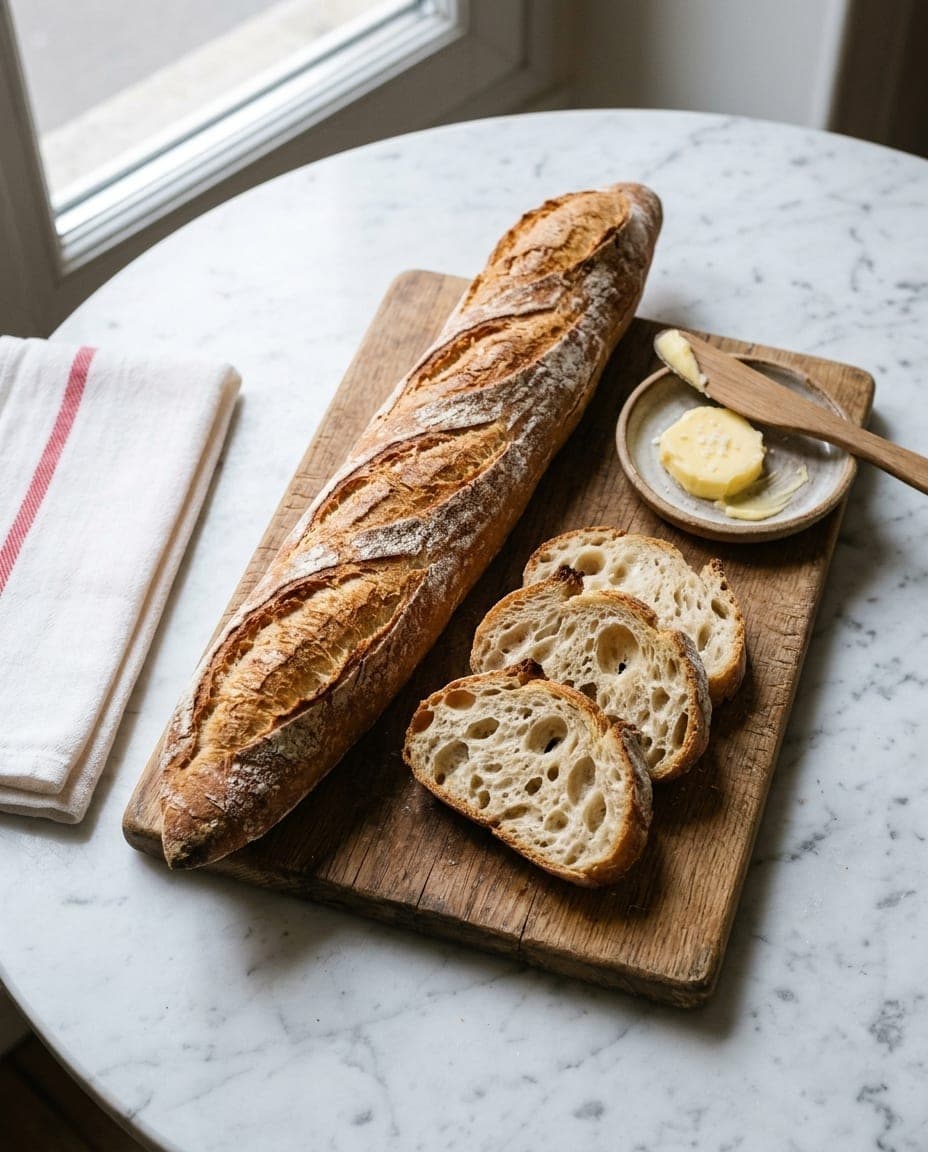
The classic accompaniment is gougères, small savoury choux puffs made with Gruyère or Comté cheese. The saltiness of the cheese contrasts with the cold, fruity wine. This combination is a staple of Burgundian apéritifs, found in traditional bistrots and brasseries across the region.
The drink is rarely ordered with food during the meal itself; its role is that of an opener.
Variations and regional context
The simplicity of the recipe has allowed it to adapt while retaining its identity. The kir royal, made with champagne, adds bubbles and a drier finish. It is popular at celebrations, and in Burgundy crémant de Bourgogne is often used in place of champagne. The bubbles lift the aroma of the blackcurrant, making the drink feel lighter.
The red-wine version, the cardinal or communard, is less common in Dijon but appears where local red wines are abundant. The deep colour of the red wine turns the drink a dark purple.
In the wider context of French drinking culture, the kir is not an exclusive drink but a democratic one, found in cafés, wine bars and family gatherings. Its reliance on local produce fits the Burgundian habit of celebrating regional terroir.
Curious facts
- The drink predates the name. The mixture was known as blanc-cassis long before Canon Félix Kir became mayor, but his promotion made it famous under his name.
- A Resistance figure. Canon Kir helped prisoners of war escape during the Second World War and survived a death sentence.
- The ratio is flexible. There is no single official measurement; many bars use around one part cassis to five parts wine, while others pour more generously.
- Not just Aligoté. While Aligoté is traditional, many establishments now serve kir with Burgundy Chardonnay.
- A lake in his name. Dijon's Lac Kir, a popular leisure spot, is named after the canon.
- Cheese pairing. The classic accompaniment is gougères, a savoury cheese puff that provides a salty contrast to the sweet, cold wine.
Where to try it
The best place to drink kir is in Dijon itself, particularly in the cafés around the Place de la Libération and the historic quarter around the Palais des Ducs. Traditional bistrots and wine bars in the city serve it as a standard apéritif.
Outside Dijon, the drink is available across the Bourgogne-Franche-Comté region, especially in areas known for Aligoté production. Wine bars and local restaurants in towns such as Beaune or Chalon-sur-Saône serve it, often using wines from their immediate surroundings. A kir served with a plate of gougères remains the classic Burgundian combination.
Where to try it
1 region
 Castles5 destinations
Bourgogne-Franche-Comté
Bourgogne-Franche-Comté is France's largest region, rich in history and culture. It's renowned for its exceptional wines, particularly those from the Burgundy area, which produce some of the world's finest Pinot Noir and Chardonnay. The region features historic cities like Dijon, known for its mustard and vibrant markets, and Besançon, famous for its citadel and watchmaking heritage. Natural landscapes include the Jura mountains and the picturesque Doubs River, perfect for hiking and cycling. The region is dotted with charming villages such as Arbois and Nans-sous-Sainte-Anne, offering a taste of local crafts and cuisine. Festivals celebrating wine and regional traditions add to its cultural depth, attracting those looking to experience France beyond the usual tourist paths.
CastlesWine TastingHiking