Gaufre fourrée lilloise
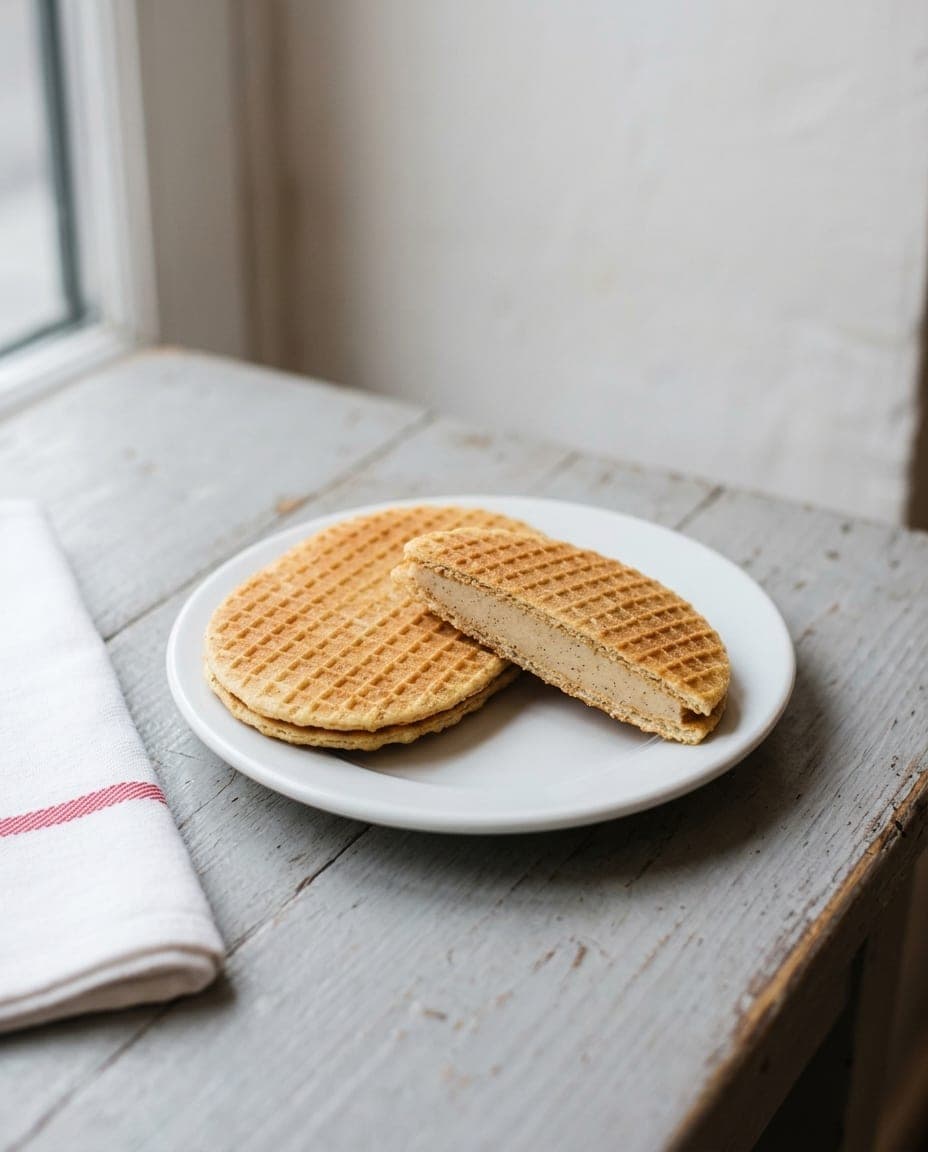
A thin, flat waffle split and filled with vanilla sugar paste in Lille
- Vegetarian
- Local name
- Gaufre fourrée lilloise
- Best eaten at
- Méert tearoom, Lille
- Pairs with
- Coffee or tea
What it is
The gaufre fourrée lilloise, or filled waffle, is a distinctive sweet pastry from the city of Lille in northern France. It is not a fluffy, puffy cake found at summer fairs, nor is it meant to be eaten steaming hot straight from the iron. Instead, it is a thin, flat, oval-shaped wafer that is pliable enough to be handled without cracking. The waffle is split open while still warm and filled with a dense, sweet paste of sugar and butter scented with vanilla.
This pastry is a regional speciality of the Hauts-de-France region, specifically tied to the city of Lille. It is a flat, keeping waffle that travels and stores well. The texture is firm outside yet soft inside, allowing it to be carried in a box without breaking. It is traditionally eaten at room temperature, alongside a coffee or tea.
The history of the Lille waffle
The story of this pastry is bound up with one historic house on rue Esquermoise in Lille's old town. The shop traces its roots to a confectioner who set up there in 1761, and it is one of the oldest pâtisseries still trading in France. The filled waffle became its signature after a confectioner of Flemish origin took over the house in 1849, and it has been made there ever since to a recipe that is kept secret. By the 1860s the house was an official supplier to King Leopold I of Belgium, and Charles de Gaulle, who was born a few streets away, is said to have had the waffles sent to him in Paris.
The waffle's enduring popularity also comes from its practicality. A sweet that keeps for days and can be carried easily made an ideal gift. Unlike many French pastries that are tied to a specific season or a religious festival, the gaufre fourrée lilloise is available year-round, a constant presence in the windows of traditional bakeries.
While many bakeries in Lille now produce their own version, the historic house remains the best-known reference point for visitors seeking the original taste.
What goes into it
The construction of the gaufre fourrée lilloise relies on a simple but precise combination of ingredients. The waffle itself is cooked thin in a special iron with a fine pattern, and is sturdy enough to hold a rich filling without tearing.
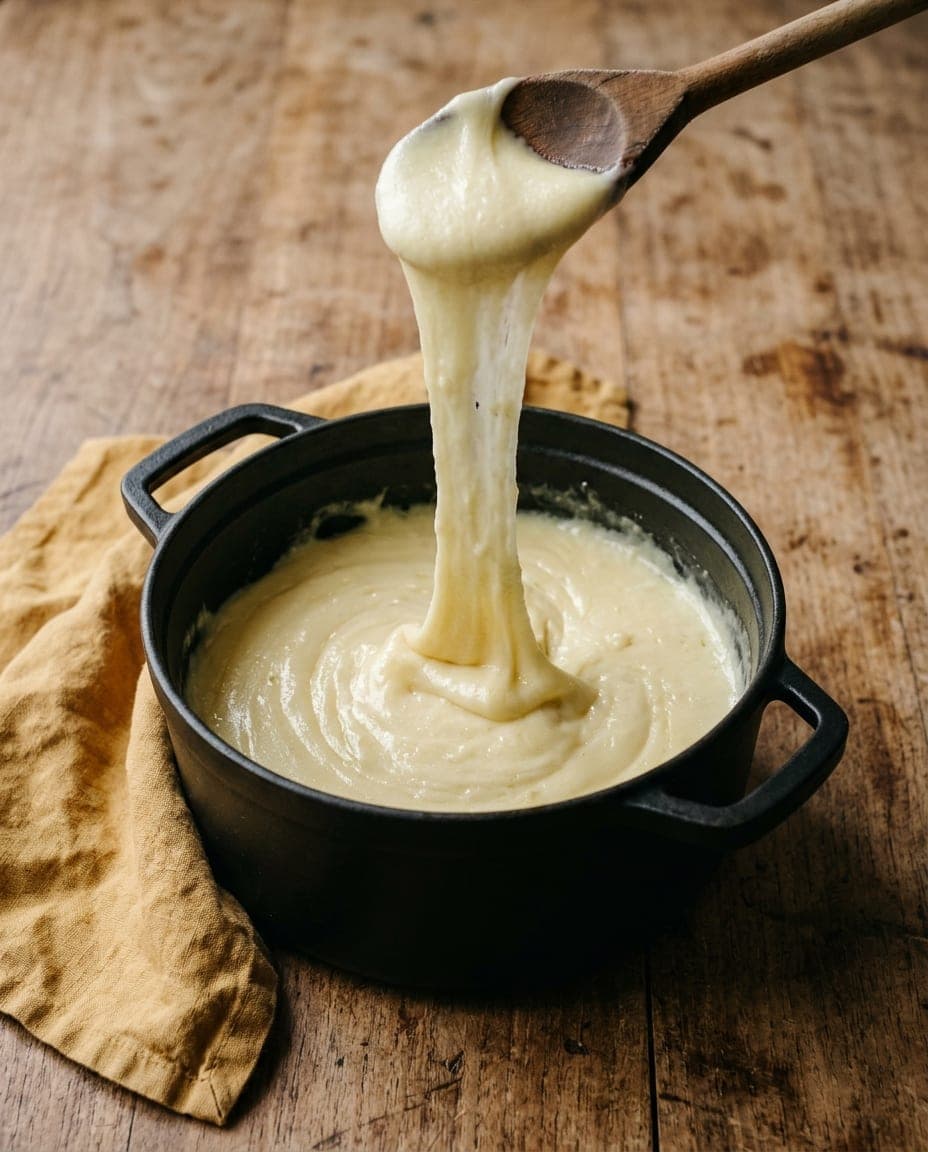
The filling is the defining element of the dish. It is not a light cream or a fresh custard, but a thick paste of sugar and butter. Vanilla — at the historic house, vanilla from Madagascar — gives it a deep, aromatic flavour. Some home recipes add vanilla seeds and a small amount of rum, though the vanilla remains the dominant note. The mixture is beaten until smooth and spreadable, then spread into the waffle once it has been split horizontally while still warm from the iron.
The result is a dense, sweet centre that firms slightly as the waffle cools. The texture holds its shape in a flat box but yields easily to the bite.
How it is eaten
The gaufre fourrée lilloise is not served hot from the iron. It is eaten at room temperature, as an afternoon treat or with coffee after a meal. The waffles are sold individually wrapped or in flat boxes, which protect the filling and keep the pastry fresh for days, making them a popular gift or souvenir from Lille.
The pastry pairs naturally with hot drinks. A strong black coffee or a fragrant tea cuts through the sweetness of the sugar paste and balances the buttery vanilla filling.
Curious facts
- A courtly connection. In the 19th century the best-known maker was an official supplier to King Leopold I of Belgium.
- Flat and sturdy. Unlike the puffy waffles found at fairs, this pastry is thin and flat so it can be stacked and carried easily in boxes.
- Room temperature, not hot. The waffle is eaten at room temperature, when the filling is soft but holds its shape.
- One house, many imitators. While many bakeries now make the pastry, the house most associated with it has been producing its filled waffles since 1849.
- A travel-friendly sweet. The waffle keeps well for days, making it an ideal gift to take home from Lille.
- The vanilla focus. The filling relies on vanilla as its primary flavour, with rum sometimes added in home recipes but never overpowering the sweetness of the sugar paste.
Where to try it
The most famous place to find this pastry is the historic tearoom and shop on rue Esquermoise in Old Lille, whose ornate interior is itself a sight. It remains the reference for visitors seeking the traditional taste, and its waffles are sold ready to be taken away or eaten on the spot.
Other traditional bakeries in Lille and the surrounding Hauts-de-France region offer their own versions of the gaufre fourrée lilloise. The key is to look for the thin, oval shape and a vanilla sugar filling rather than a fluffy cake. The pastry is a true local speciality, and finding it in its native city adds to the experience of eating it.
Where to try it
1 destination
 Camper Van Rentals
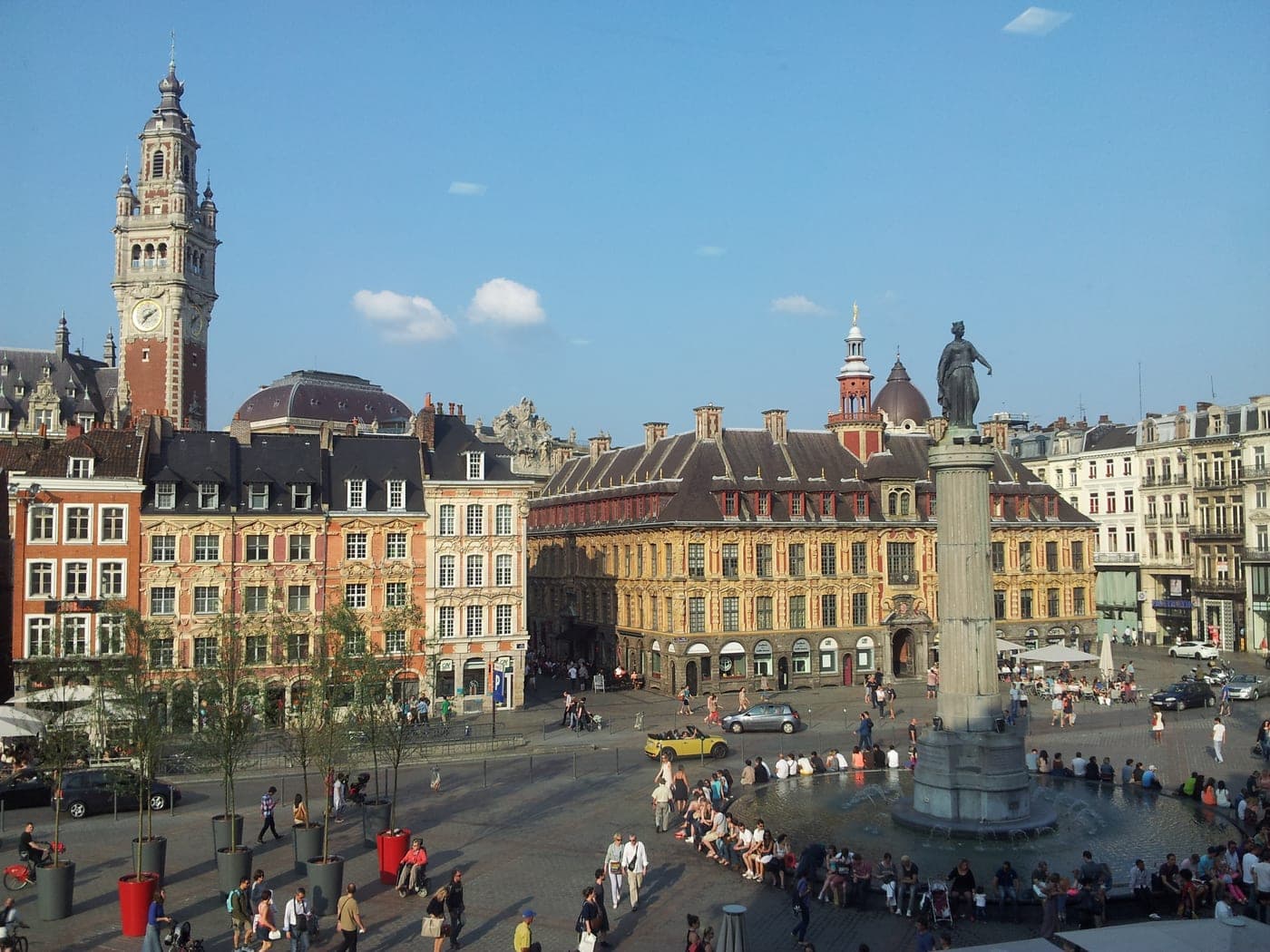
Lille
Historic city known for Flemish architecture and vibrant cultural scene.
Camper Van RentalsHiking
1 region
 Wine Tasting3 destinations
Hauts-de-France
Hauts-de-France is the northernmost region of France, known for its rich industrial heritage, unique cultural blend, and stunning coastal landscapes along the English Channel. Lille, the largest city, boasts vibrant Flemish architecture and a thriving arts scene. The region is the birthplace of French Impressionism, with museums dedicated to renowned artists like Van Gogh. The Somme Valley offers historic World War I sites, while the Opal Coast features breathtaking cliffs and charming fishing villages. Known for its local cuisine, Hauts-de-France is famous for dishes like 'potjevleesch' and 'moules-frites,' providing an authentic taste of the area. Off the beaten path, explore towns such as Arras, with its grand squares, or the serene countryside of the Avesnois Natural Park, rich in biodiversity and picturesque landscapes.
Wine TastingCamper Van RentalsHiking