Gâteau nantais
A dense almond cake from Nantes soaked in rum and iced with sugar
- Vegetarian
- Local name
- Gâteau nantais
- Best eaten at
- A Nantes pâtisserie
- Pairs with
- Tea or coffee
What it is
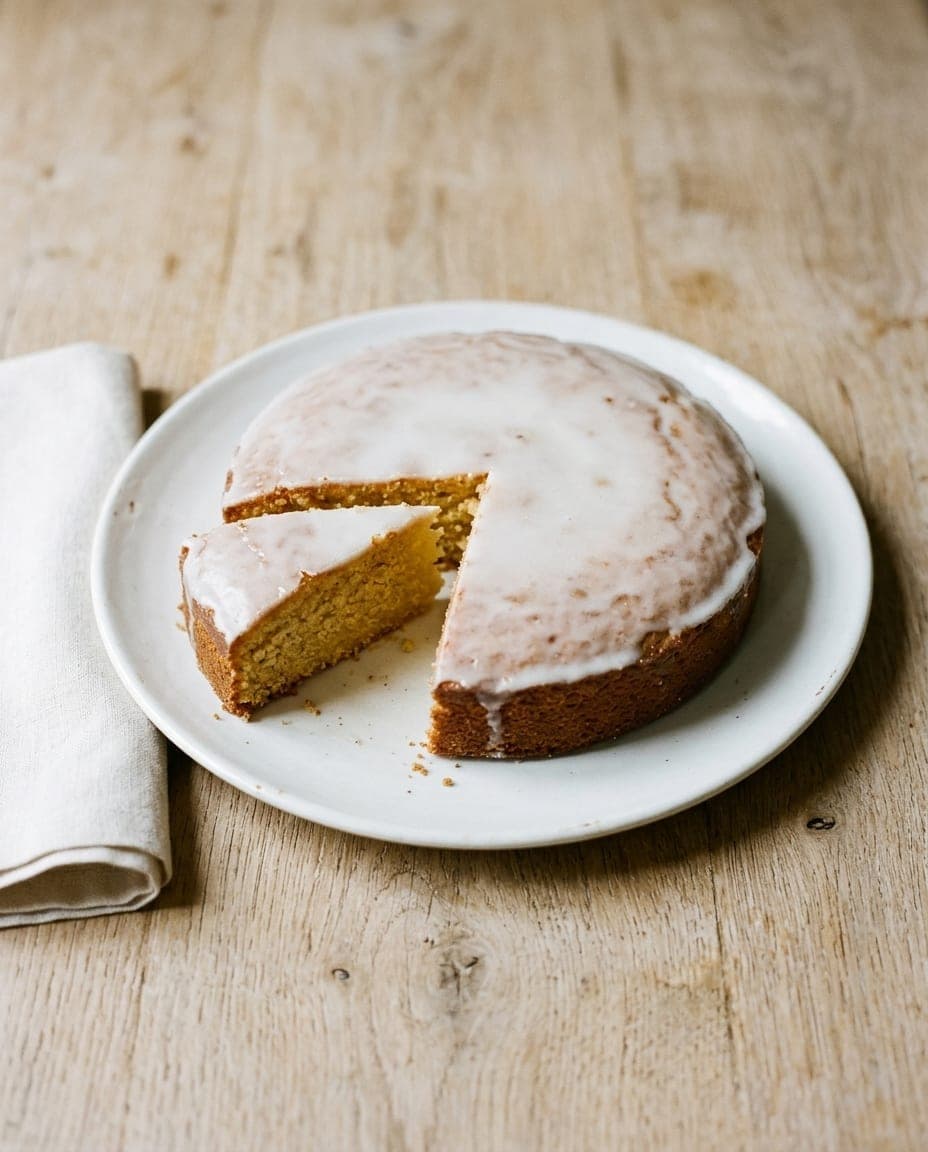
The gâteau nantais is a distinctive sweet pastry from the city of Nantes in western France. It is not a nationwide classic but a regional speciality tied closely to the history of the city. The cake is dense and heavy, with a texture that sits between a moist sponge and a shortbread. Its defining feature is a generous soaking of rum syrup while still warm, followed by a thin, hard white icing made from sugar mixed with rum or water.
Visually, it appears simple: a flat, round cake covered in a smooth white glaze that can be cracked slightly when cut. The flavour is dominated by the aroma of almonds and the sharp, warming note of the rum used to soak it. While some versions use vanilla beans or almond extract for depth, the rum remains the central character. It is a treat meant to be eaten slowly, often in small slices rather than whole portions.
The history of trade and sugar
The existence of the gâteau nantais is rooted in the economic history of Nantes during the 18th century. At that time, Nantes was the largest slave-trading port in France and a central hub for the triangular trade between Europe, Africa and the Caribbean. This commerce brought sugar cane, vanilla and rum to the Loire River ports, goods that were previously rare or expensive elsewhere in France.
The cake itself is usually dated to around 1820 and attributed to a Nantes baker named Rouleau, who drew on these imported ingredients to create a sweet that reflected the wealth of the city's merchants. The combination of ground almonds, butter, sugar and the newly available rum became a signature of the region. Its long keeping qualities earned it the nickname of a "traveller's cake", sturdy enough to travel but rich enough to satisfy the demands of those who could afford such luxury items. It stands as a culinary record of a period in French maritime history built largely on the slave trade.
How it is made
The preparation involves mixing ground almonds with butter, sugar and eggs to form a thick batter. A small amount of flour is added to help the structure hold together during baking. The mixture is baked in a flat tin until it is golden but still soft inside.
Once removed from the oven, the cake is pricked with a skewer or fork while it is still warm. This allows a syrup made from rum and water to be absorbed into the crumb rather than sitting on the surface. After cooling, the top is covered with a thin layer of white icing, which hardens as it sets. The result is a cake where the rum flavour penetrates deep into the texture, balanced by the sweetness of the sugar glaze.
Where to find it
The most authentic version of the gâteau nantais is found in a Nantes pâtisserie. Similar almond cakes exist in other parts of France and elsewhere in Europe, but the balance of rum and the white icing are what mark out the Nantes version. Many bakeries in the city make it, often a day ahead so that the rum has time to settle into the crumb.
It pairs naturally with tea or coffee. The bitterness of a strong black coffee or the floral notes of a herbal tea cut through the sweetness of the cake and the intensity of the rum syrup. It is eaten as an afternoon treat as often as a dessert.
Curious facts
- A regional revival. After a period of obscurity, the cake was produced industrially by a large Nantes biscuit maker for much of the 20th century; the recipe was later passed on, and today many local bakeries make their own version.
- The rum connection. The use of rum is directly linked to the city's historical role in the sugar and slave trade with the Caribbean islands during the 18th century.
- A hard glaze. Unlike many French cakes with soft buttercream, the icing on a gâteau nantais dries into a thin, hard shell that cracks when sliced.
- Local pride. It is considered a symbol of Nantes specifically rather than a general French pastry.
- No single recipe. There is no official version; each pâtisserie has its own variation on the ratio of almonds to butter, the strength of the rum syrup and the icing, which may be a plain sugar glaze, fondant or even white chocolate.
Where to try it
1 destination
 Camper Van Rentals
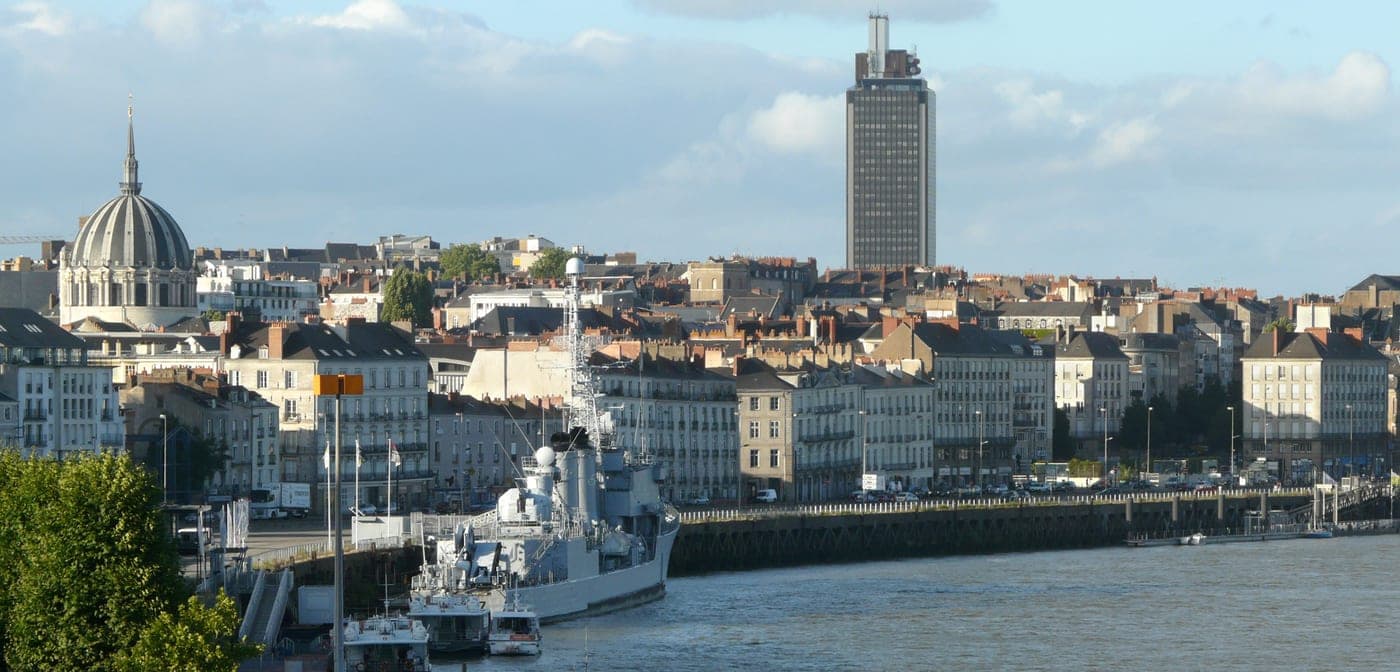
Nantes
Historic city with a stunning castle and vibrant cultural scene.
Camper Van RentalsHikingLocal Cuisine
1 region
- Camper Van Rentals1 destination
Pays de la Loire
This region is known for its diverse landscapes, from the coastal shores of the Atlantic to the lush vineyards of the Loire Valley. Nantes, the largest city, is famous for its historical sites, including the Château des Ducs de Bretagne, while Angers boasts a rich tapestry of medieval architecture. The region is also recognized for its unique wines, such as Anjou and Muscadet, and offers various local markets showcasing artisanal products. The coastal town of Les Sables-d'Olonne is a hub for maritime activities, while the picturesque village of Clisson reflects Italian influence in its architecture. Notably, this region is the only one in France with both a coastline and extensive vineyards, making it a distinctive area to explore slowly.
Camper Van RentalsHikingLocal Cuisine