Gâteau à la broche
The Pyrenean spit cake baked layer by layer over an open fire
- Vegetarian
- Local name
- Gâteau à la broche
- Served with
- Coffee
- Best eaten at
- A Pyrenean village fête
- Pairs with
- Jurançon moelleux
What it is
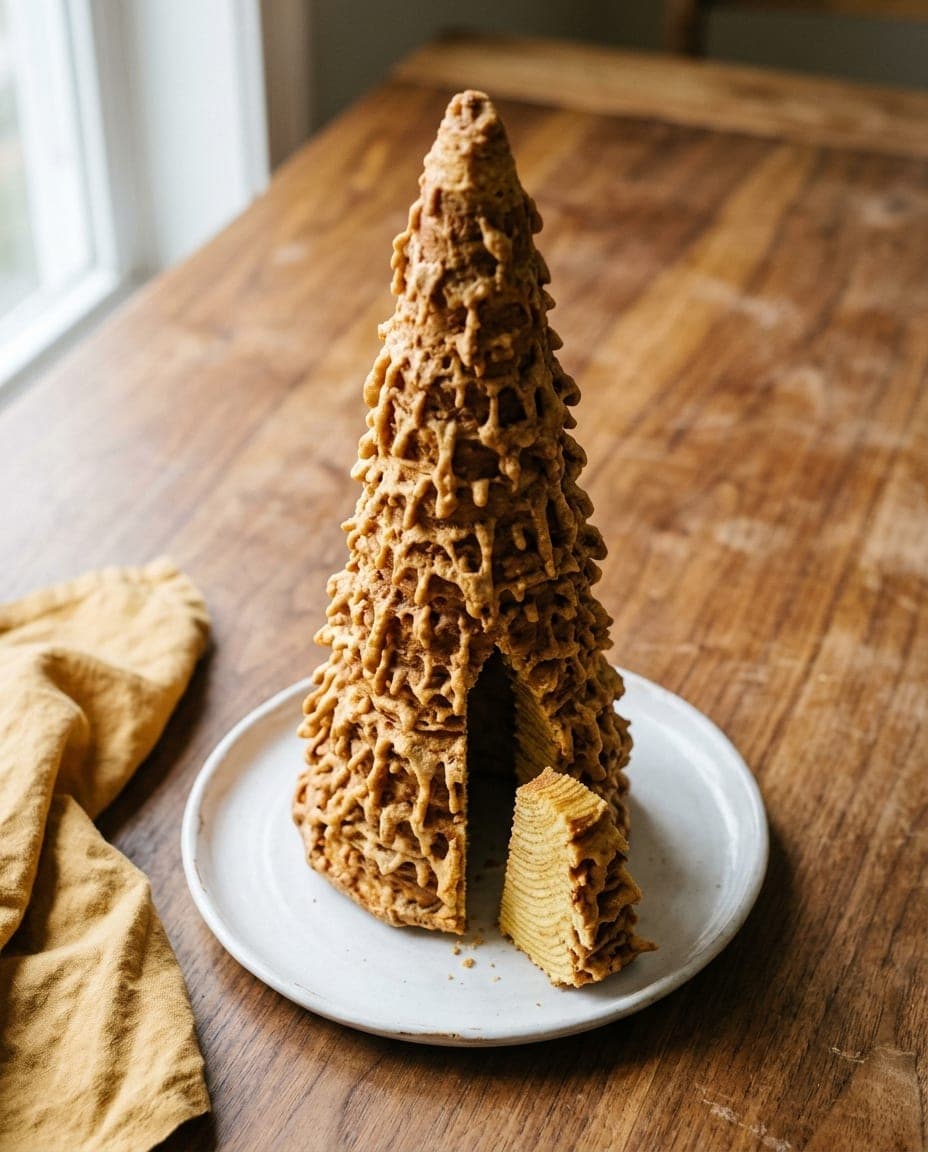
Gâteau à la broche is a pastry speciality of the French Pyrenees, made as a tall, hollow cone on a rotating spit before an open wood fire. The batter is ladled slowly onto the spinning cylinder, each thin layer setting and browning before the next is poured. Over several hours (up to five for a large cake), the cake builds into a towering structure with jagged spikes running down its sides, formed by the batter dripping as the spit turns.
The result is a dense, caramelised sweet that resembles the German Baumkuchen and the Lithuanian šakotis in its cross-section. When cut across, it reveals concentric rings of alternating golden and darker layers. The spikes are what everyone breaks off first, often dipping them into coffee or sweet wine. It is a dish of patience and timing, usually needing two people to manage the fire and the pour simultaneously.
How it is made
The process begins with a cone, traditionally of wood and today often of metal, wrapped in paper, threaded onto a spit and turned by hand or by a simple motor in front of an open wood fire. One person turns the spit while another pours the batter in a steady stream. Each layer must set before the next is added, and once the cone is removed the cake is hollow in the centre.
The batter itself is simple: flour, eggs, sugar and butter, often flavoured with rum, lemon, orange blossom or, in some recipes, a little pastis. The heat from the fire caramelises the outer surface as it spins, giving the cake its distinctive brown crust and the characteristic spikes along the sides. Because the cake takes hours to bake, it was traditionally made for large gatherings where the effort could be shared among neighbours.
Where it belongs
Gâteau à la broche is a regional speciality of the Hautes-Pyrénées and the Aveyron, and is also made in the Pyrenees of the Haute-Garonne, with each area proud of its own version. Its origins are debated; a popular story, unproven, holds that soldiers returning from Napoleon's campaigns in the east brought the idea back from Central Europe. The cake is not found widely outside its home areas, though bakers take it to markets and food fairs elsewhere in France.
It appears at family celebrations, village fêtes and fairs, often displayed as a centrepiece before being cut and served. Because it is fairly dry and dense, it keeps well, which made it practical to prepare in advance for large events.
How to eat it
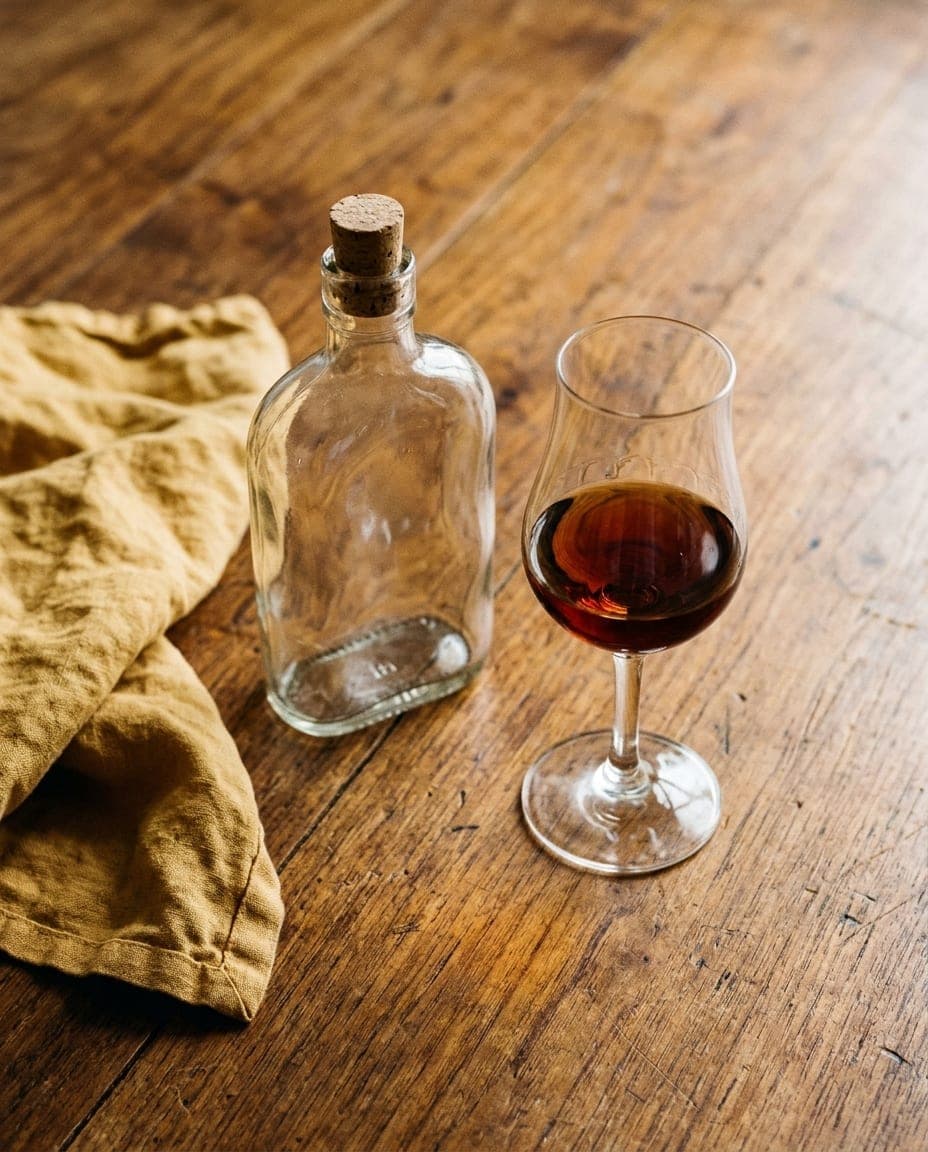
Gâteau à la broche is usually eaten at a Pyrenean village fête or during a family celebration. It is cut into thick slices that show the ringed interior, and the jagged spikes are broken off first for a crunchy, caramelised bite. The cake pairs naturally with coffee, which cuts through its sweetness, or with Jurançon moelleux, a sweet white wine from the region.
At a village fête, the cake is often served in large portions to groups of people who gather around it. It is not a dish for quick snacking but rather for shared moments, where the conversation flows as slowly as the batter is poured. The texture ranges from crisp on the outside to soft inside, with each layer offering a slightly different degree of caramelisation.
Curious facts
- Usually a two-person job. One person turns the spit while another pours the batter, a collaborative effort that takes hours.
- The spikes are the first to go. The jagged edges formed by the running batter are broken off before the rest is cut into slices.
- It keeps well. Unlike most pastries, this cake can be stored for some time without losing much quality, which suited large gatherings.
- Ringed cross-section. When sliced horizontally, the cake reveals concentric rings of alternating colours, similar to a tree's growth rings.
- A regional claim. The Hautes-Pyrénées and Aveyron each claim the cake, with slight variations in batter or cooking method.
- European cousins. Similar spit cakes exist in Germany (Baumkuchen), Poland (sękacz) and Lithuania (šakotis).
Where to try it
1 destination
 Wine Tasting
Gourdan-Polignan
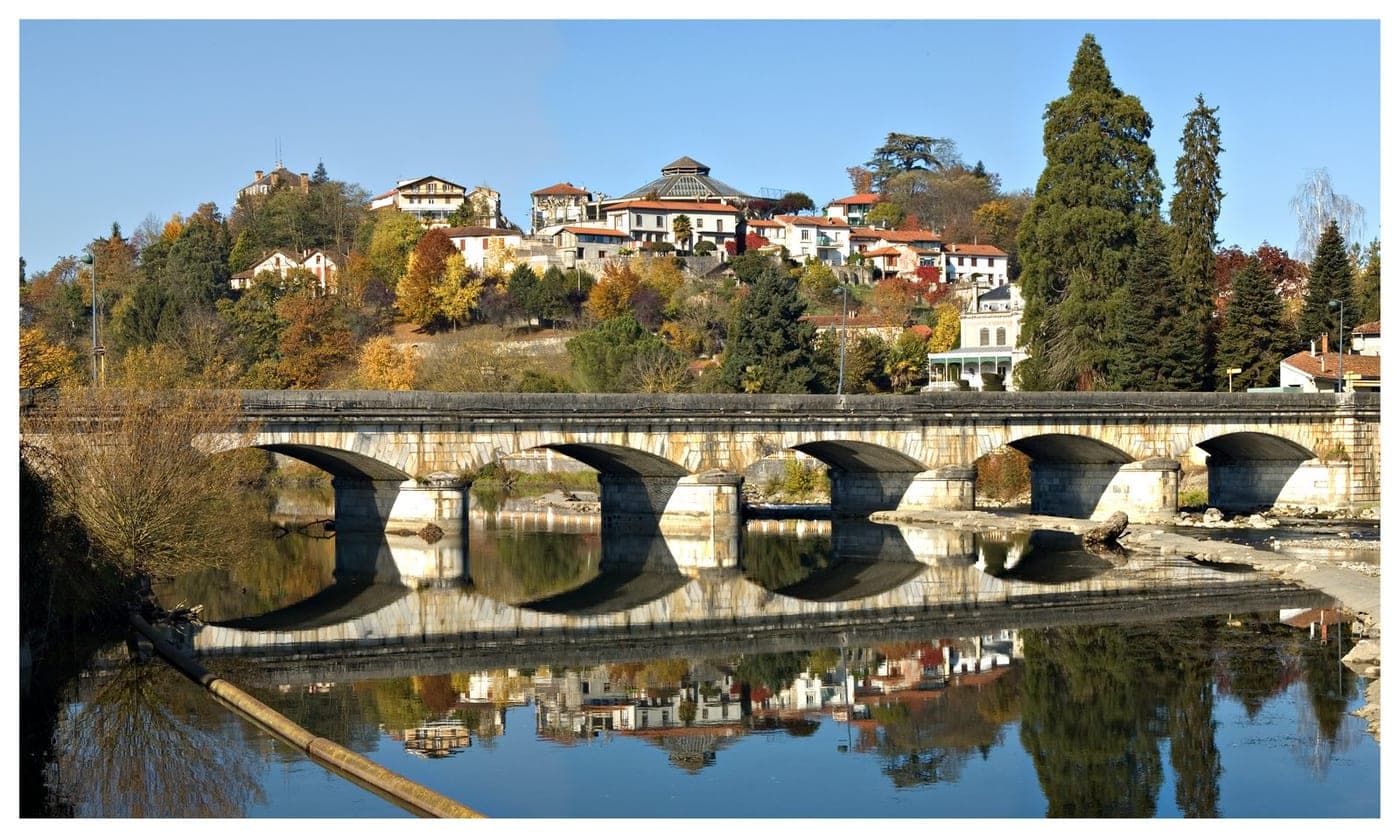
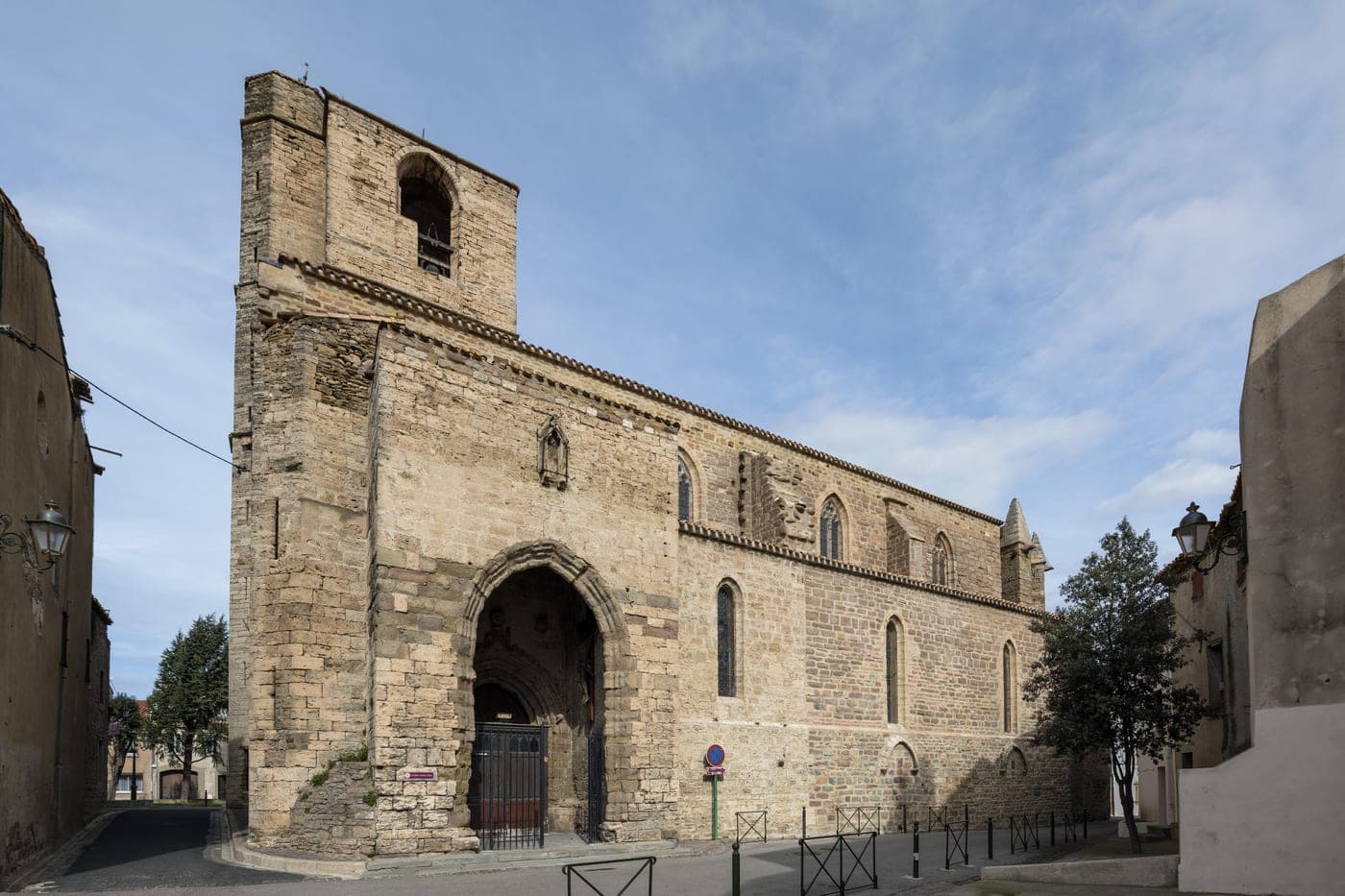
Village known for its historic architecture and local crafts.
Wine TastingHiking
1 region
 Wine Tasting56 destinations
Occitanie
This region is the largest in France and boasts a diverse landscape, including the picturesque Pyrenees mountains and a stunning Mediterranean coastline. Historic cities like Toulouse, known for its pink terracotta buildings, and Montpellier, with its vibrant student life, offer rich cultural experiences. The region is also famous for its wine production, particularly in areas like Languedoc, where unique varietals thrive. Beyond the cities, explore the medieval charm of Carcassonne, a fortified town with a remarkable castle. Occitanie hosts vibrant local festivals celebrating its heritage, and its traditional cuisine features dishes like cassoulet and regional cheeses. With beautiful hiking trails and quaint villages, this region invites leisurely exploration.
Wine TastingHikingCastlesLocal Cuisine