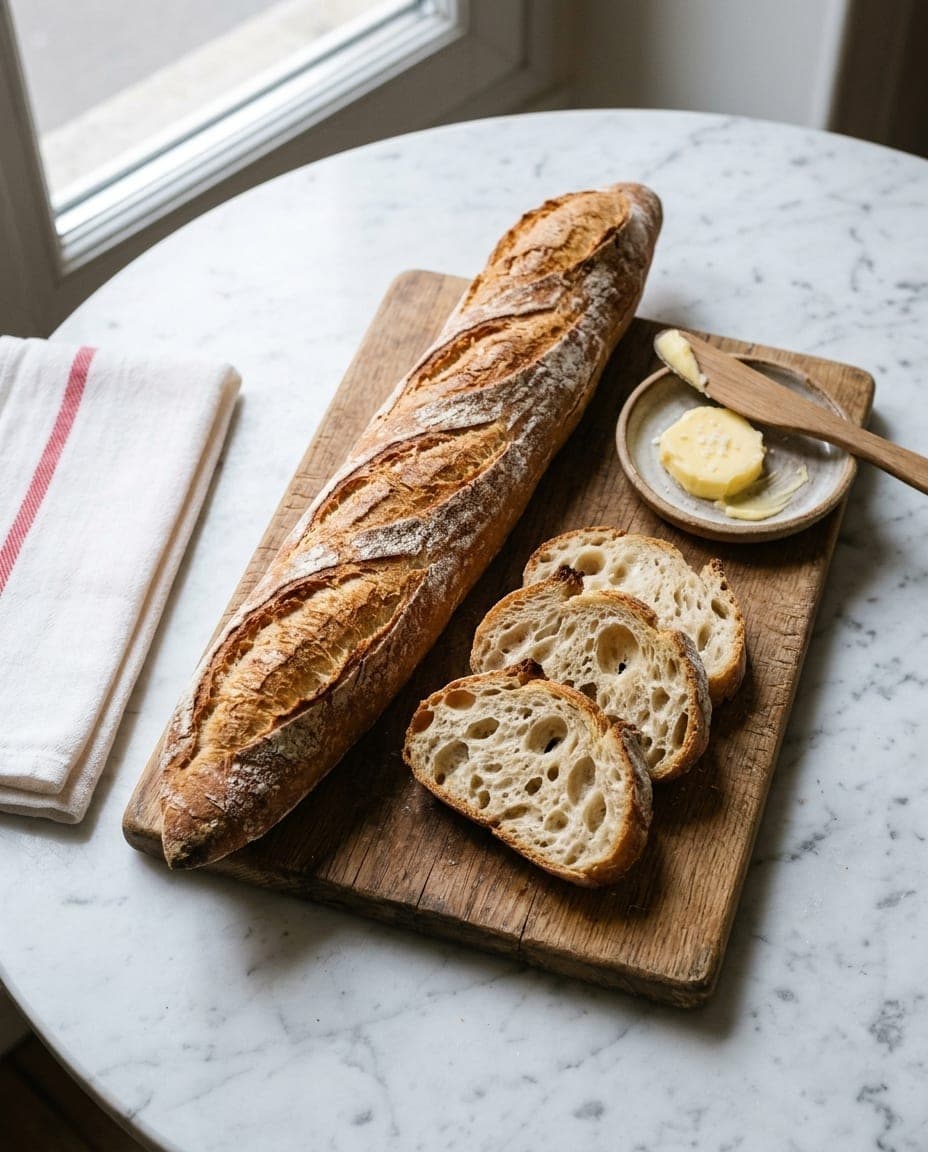
Fondue savoyarde
Melted Savoyard cheeses, white wine and bread shared over an open flame
- Local name
- Fondue savoyarde
- Served with
- Bread cubes, charcuterie
- Best eaten at
- An Alpine ski-resort restaurant
- Pairs with
- Apremont or Savoie white
What it is
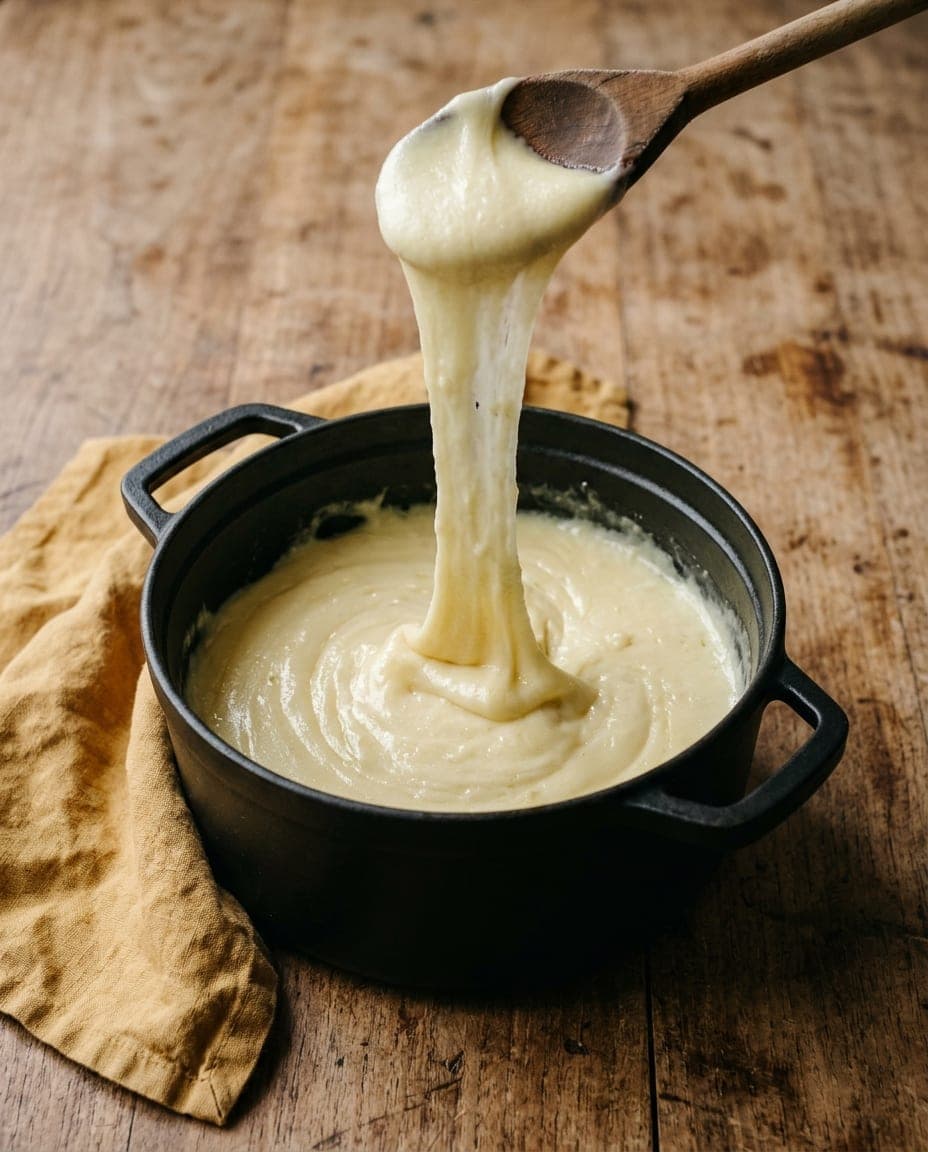
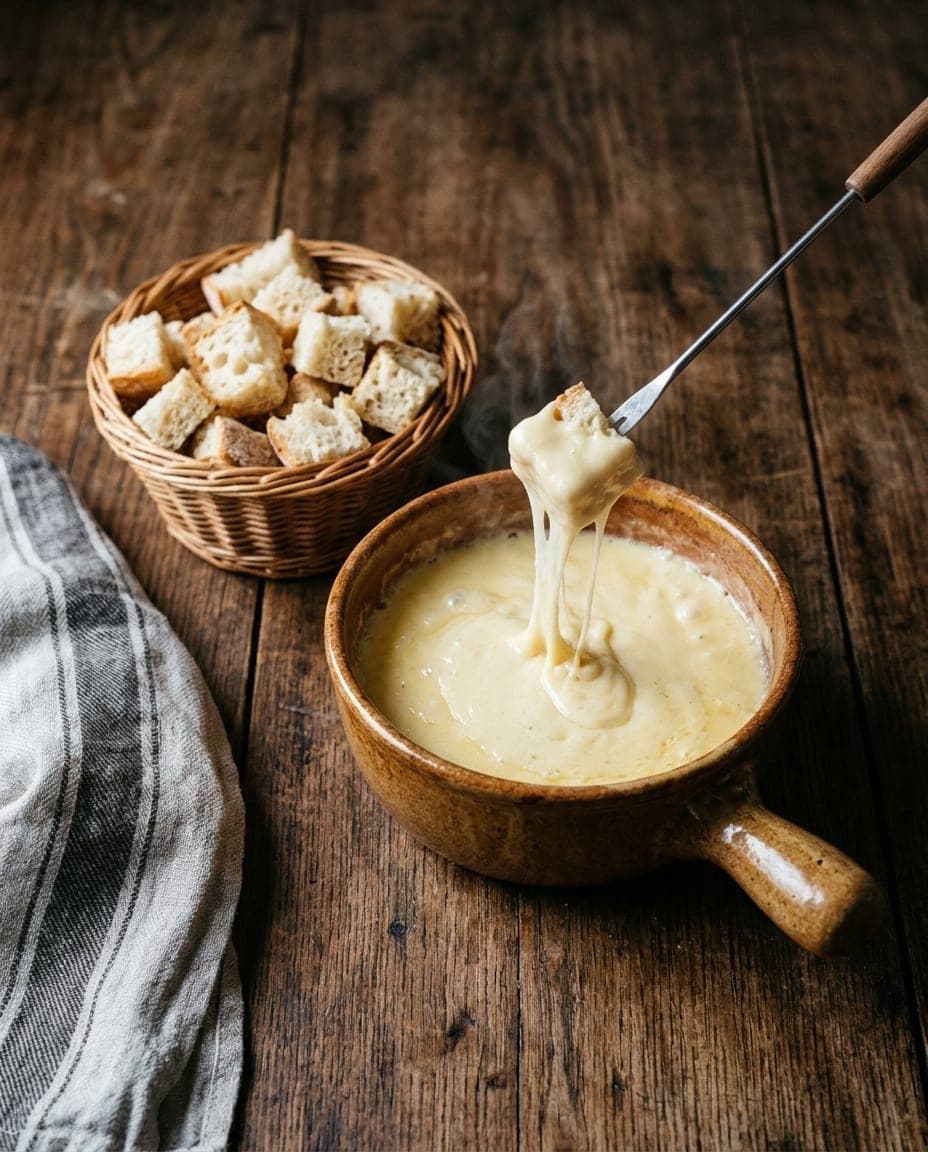
Fondue savoyarde is the winter heart of the French Alps, a communal pot of melted cheese that turns a cold evening into a gathering. It is not a dish of all of France, but belongs firmly to the mountain valleys of Savoie and Haute-Savoie, in the Auvergne-Rhône-Alpes region. The name distinguishes it from its Swiss cousins, such as the moitié-moitié of Gruyère and Vacherin fribourgeois. The classic Savoyard blend combines Beaufort, Comté and Emmental de Savoie, sometimes with Abondance or other local cheeses, melted together into a smooth, golden mixture.
The experience begins before the food arrives. A heavy pot called a caquelon, made of glazed earthenware or enamelled cast iron, sits on a small burner, keeping the cheese warm and fluid throughout the meal. Diners are given long, thin forks to dip into the pot. The ritual is simple: coat a cube of bread in the hot cheese, let it cool for a moment so it does not burn the tongue, then eat it.
The origin of the mountain pot
The history of fondue savoyarde is tied to the long Alpine winters, when mountain families relied on stored food. Large hard cheeses, made in summer from the milk of the high pastures, could be kept for months and became a vital source of nourishment through the cold season.
Recipes for melting cheese with wine appear in Swiss and French sources from the late 17th and 18th centuries, though the custom likely existed among herders long before it was recorded. The dish was not invented by a single person but evolved as a practical way of using bread and cheese. The modern fondue savoyarde, with its set blend of regional cheeses, became widespread in the 20th century, when winter tourism brought visitors from Geneva, Lyon and Paris to the Savoyard slopes and the dish became a fixture of resort menus.
What goes into it
The foundation of fondue savoyarde is a blend of cheeses, each contributing its own texture and taste. No single recipe is followed everywhere; the ratio changes with the cook. A typical mix includes Beaufort for its nutty depth, Comté from the neighbouring Jura for its complexity, and Emmental de Savoie for its mild, stretchy melt. Some versions add Abondance, which brings a hint of fruitiness.
Dry white wine is added to the pot to loosen the cheese and keep it smooth. Local Savoie whites such as Apremont or Roussette de Savoie are the usual choice, their acidity cutting through the fat. A clove of garlic is rubbed around the inside of the caquelon before the cheese goes in, leaving a subtle aroma.
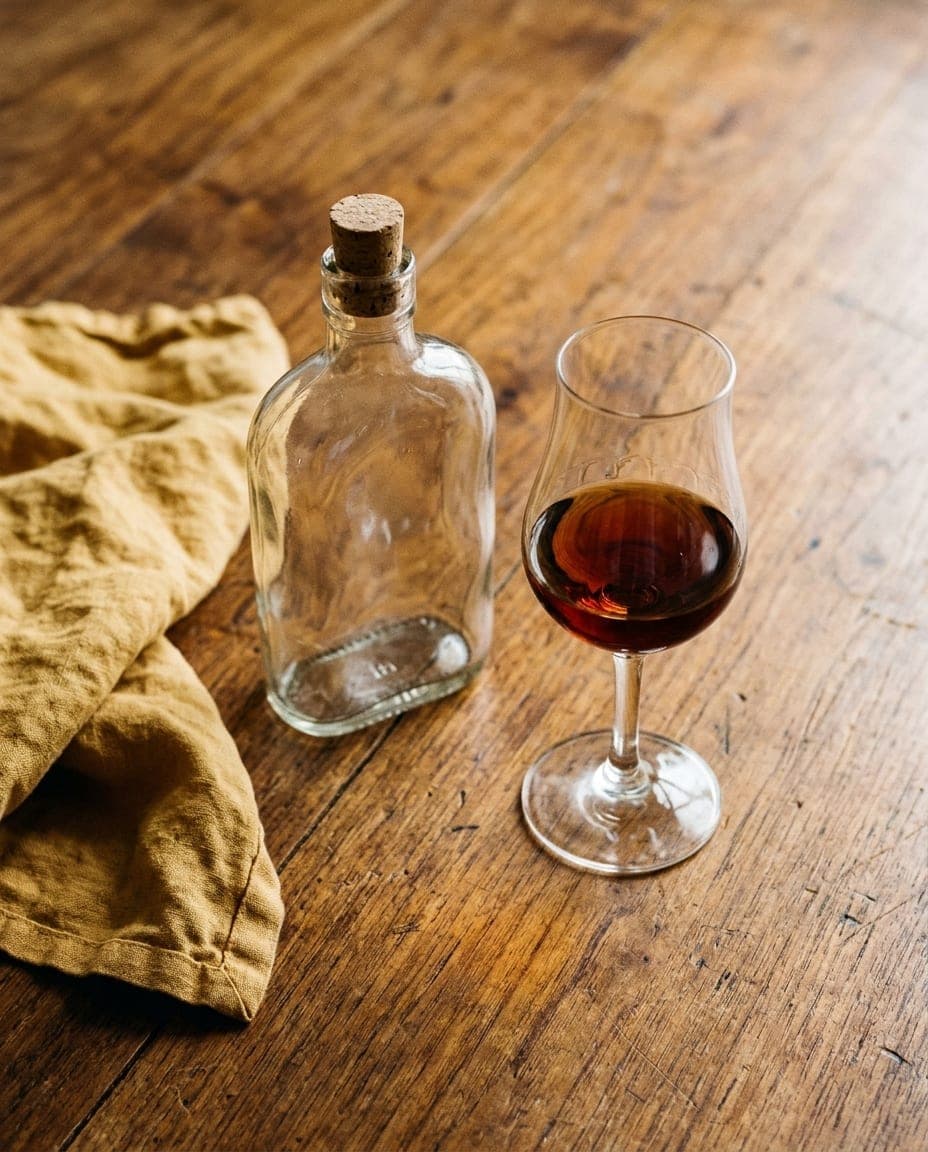
A splash of kirsch, the clear brandy made from cherries, is often stirred in. The bread used for dipping is usually a crusty white loaf cut into cubes, each with a piece of crust so it stays on the fork. Many restaurants also serve a plate of local charcuterie, such as cured ham, alongside the pot.
How it is eaten
Fondue savoyarde is above all a winter dish, most often eaten from November through March when snow covers the mountains and the ski resorts are open, although resort restaurants serve it year-round. The dish is designed for sharing, usually by two or more people around one caquelon.
Diners dip their bread cubes into the pot, stirring as they go, which helps keep the cheese from sticking and separating. The cheese should be thick and creamy, clinging to the bread without dripping too much. If the mixture becomes too thick, a little more wine is added.
When the cheese reaches the bottom of the pot, it forms a golden, crispy crust known as la religieuse, or "the nun". This layer is not wasted; it is lifted out and shared among the diners as a treat at the end of the meal.
The rules of the mountain table
Fondue savoyarde comes with its own set of unwritten rules, most of them playful. The most famous custom involves the penalty for dropping a piece of bread into the pot. Depending on the table, the culprit may be asked to buy the next bottle or round of drinks, or to kiss a neighbour.
Another rule concerns the temperature of the cheese. The burner must stay lit throughout the meal to keep the fondue fluid. If it goes out, the cheese thickens quickly and becomes difficult to eat, which is why the pot sits on a small adjustable burner.
The dish is also tied to the rhythm of the day. It is typically served in the evening, after a day of skiing or walking in the mountains, and is usually eaten as a main course with a green salad or charcuterie.
Curious facts
- La religieuse is the prize. The crispy crust at the bottom of the pot is considered a delicacy, saved for last and shared among the group.
- Day-old bread works best. Firm, slightly stale bread with some crust holds together better in the cheese than very fresh bread.
- No single official blend. Cooks vary the proportions of Beaufort, Comté, Emmental de Savoie and Abondance to taste.
- The pot must stay warm. If the cheese cools too much, it thickens and needs gentle heat and a little more wine to bring it back.
- A winter tradition. Although the cheeses are available all year, fondue is strongly associated with the cold months and the ski season.
- The kirsch touch. A splash of cherry brandy adds a subtle fruit note that complements the nutty cheeses.
Where to try it
The natural place to eat fondue savoyarde is an Alpine ski-resort restaurant or a mountain chalet in Savoie or Haute-Savoie. Resorts such as Chamonix, Courchevel, Méribel and Val d'Isère have many restaurants serving the dish, often with local blends of cheese and wine. In the valleys, around Annecy or Albertville, traditional restaurants serve the pot with the same care.
A glass of local white wine, such as an Apremont or Roussette de Savoie, is the traditional pairing. The religieuse at the end is often the most memorable part of the meal.
Where to try it
1 region
 Wine Tasting25 destinations
Auvergne-Rhône-Alpes
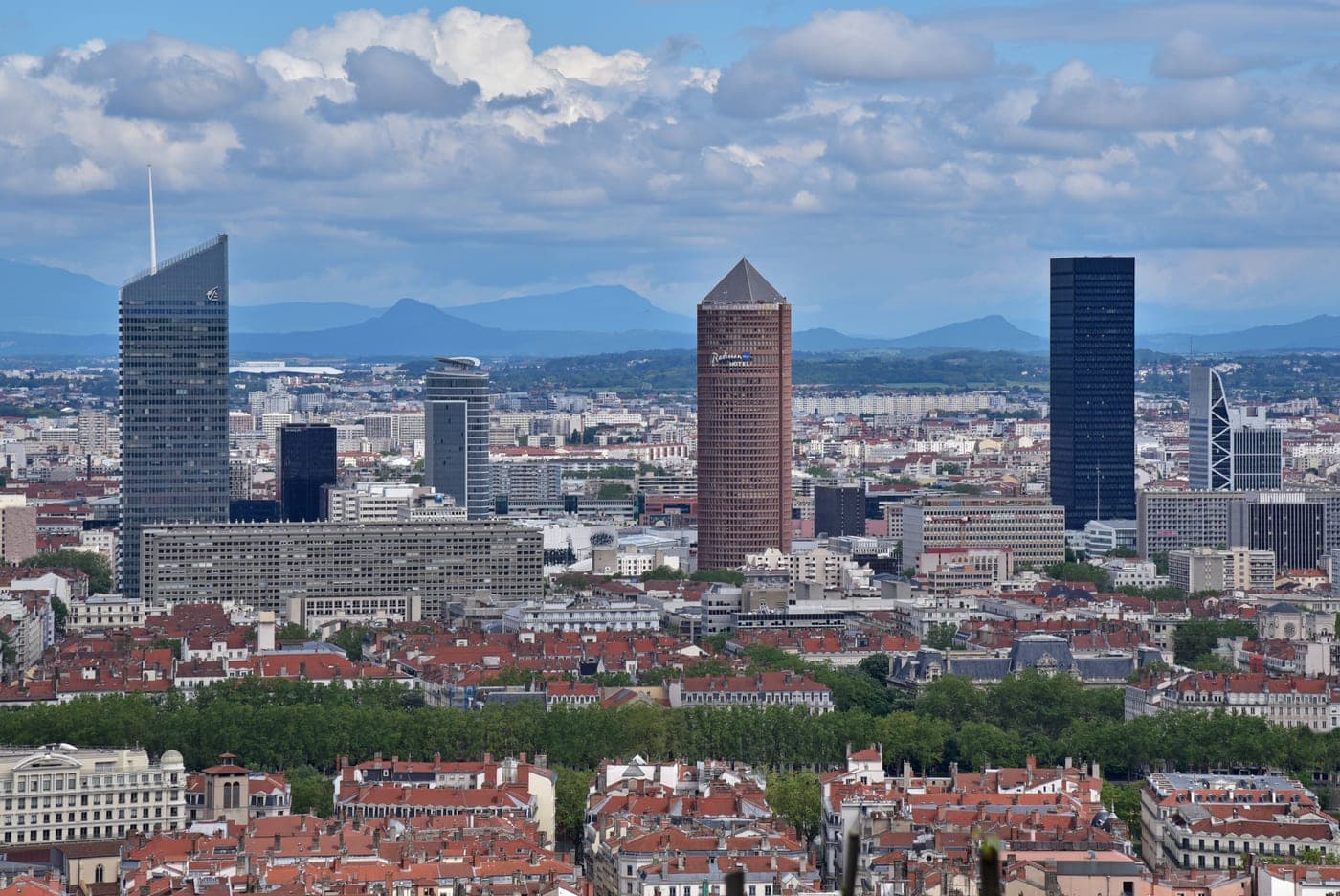
Nestled in the heart of France, this region is the second-largest, known for its diverse landscapes from the rugged mountains of the Alps to the volcanic terrain of the Massif Central. Lyon serves as a vibrant urban center, celebrated for its gastronomy and silk heritage. Off the beaten path, explore the historic villages of Le Puy-en-Velay, famed for its unique lentils and pilgrimage routes, or the picturesque landscapes of the Ardèche, with its stunning gorges. The region is also home to the picturesque vineyards of Beaujolais, producing renowned wines, and the stunning Lac d'Aiguebelette, one of the cleanest lakes in France. Seasonal festivals, like the Fête de la Gastronomie, showcase the local culinary delights, making this area rich in culture and history, ideal for a deep exploration of French traditions.
Wine TastingCamper Van RentalsHikingCastles