Époisses
Époisses cheese from Burgundy, washed in marc de Bourgogne
- Local name
- Époisses
- Served with
- Baguette
- Best eaten at
- A Burgundian cheese course
- Pairs with
- White Burgundy or marc de Bourgogne
What it is
Époisses is a soft cheese made from cow's milk, named after the small village of Époisses in Burgundy, in the Bourgogne-Franche-Comté region of eastern France. It is one of the most famous cheeses in the country, known for its intense aroma and creamy texture. The cheese has a protected designation of origin (AOC since 1991, EU PDO since 1996), meaning it must be made according to strict traditional rules within a defined area spanning parts of the Côte-d'Or, Yonne and Haute-Marne.
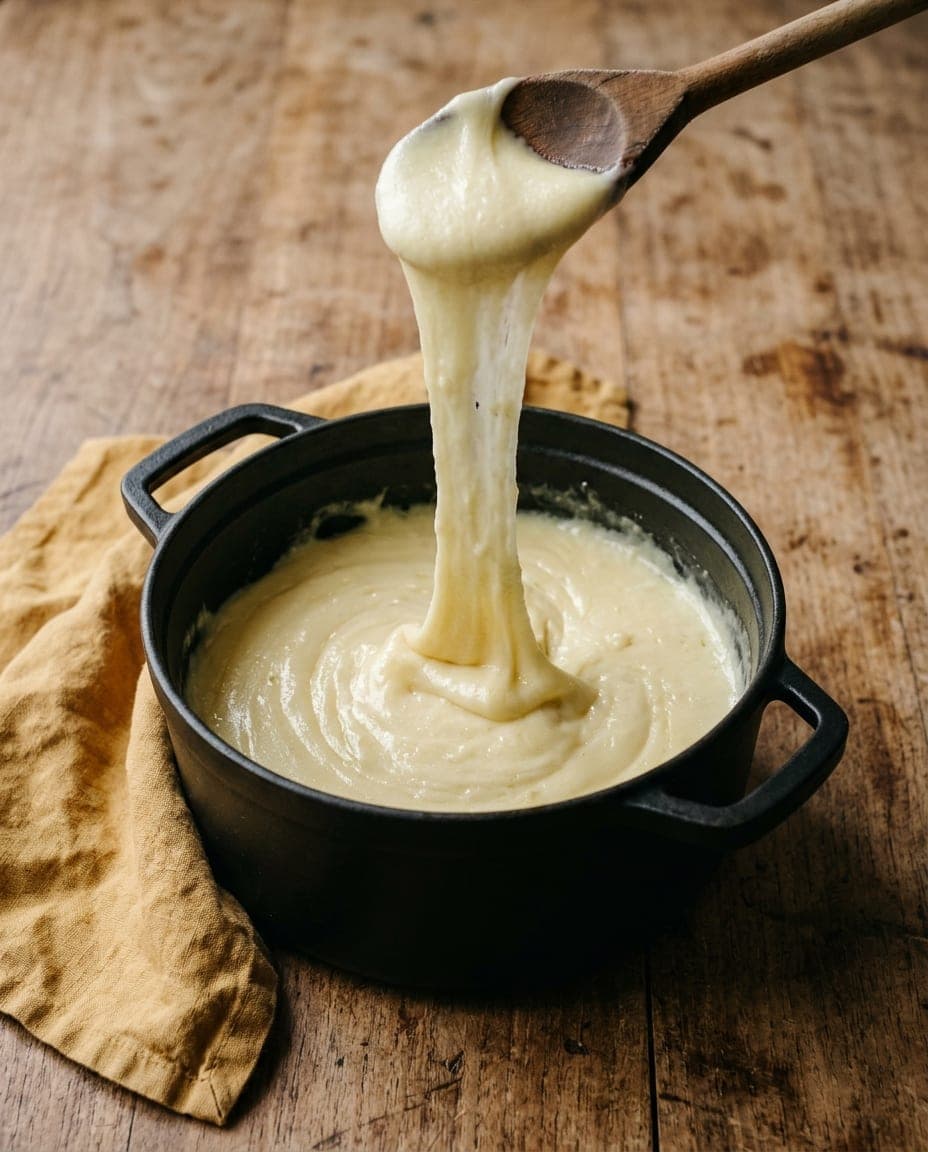
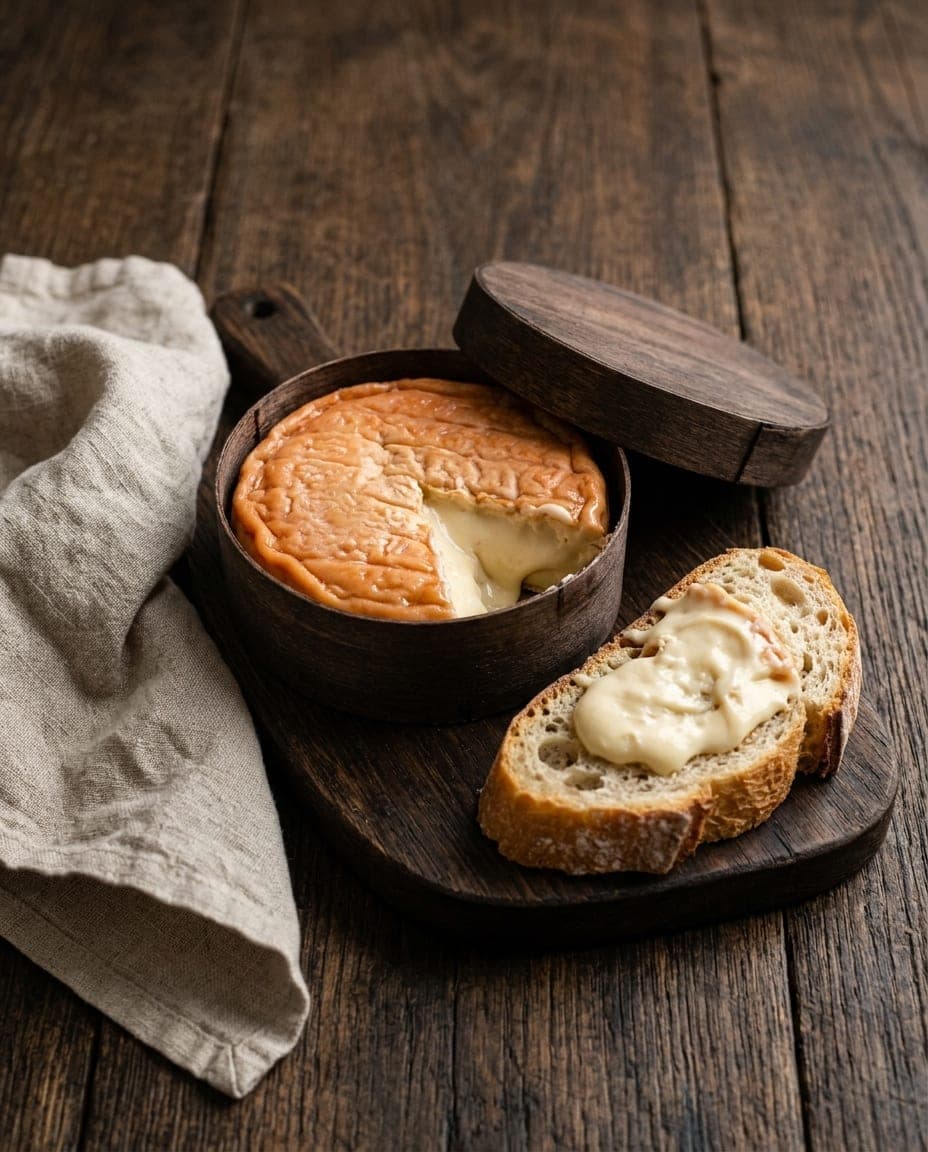
At first glance, Époisses looks unassuming. It is usually sold in a small, shallow wooden box, which helps because the cheese is too soft to hold its own shape when fully ripe. The rind is a deep orange colour, sticky and moist to the touch. Inside, the paste is smooth, supple and pale, turning runny as it nears the peak of its maturity.
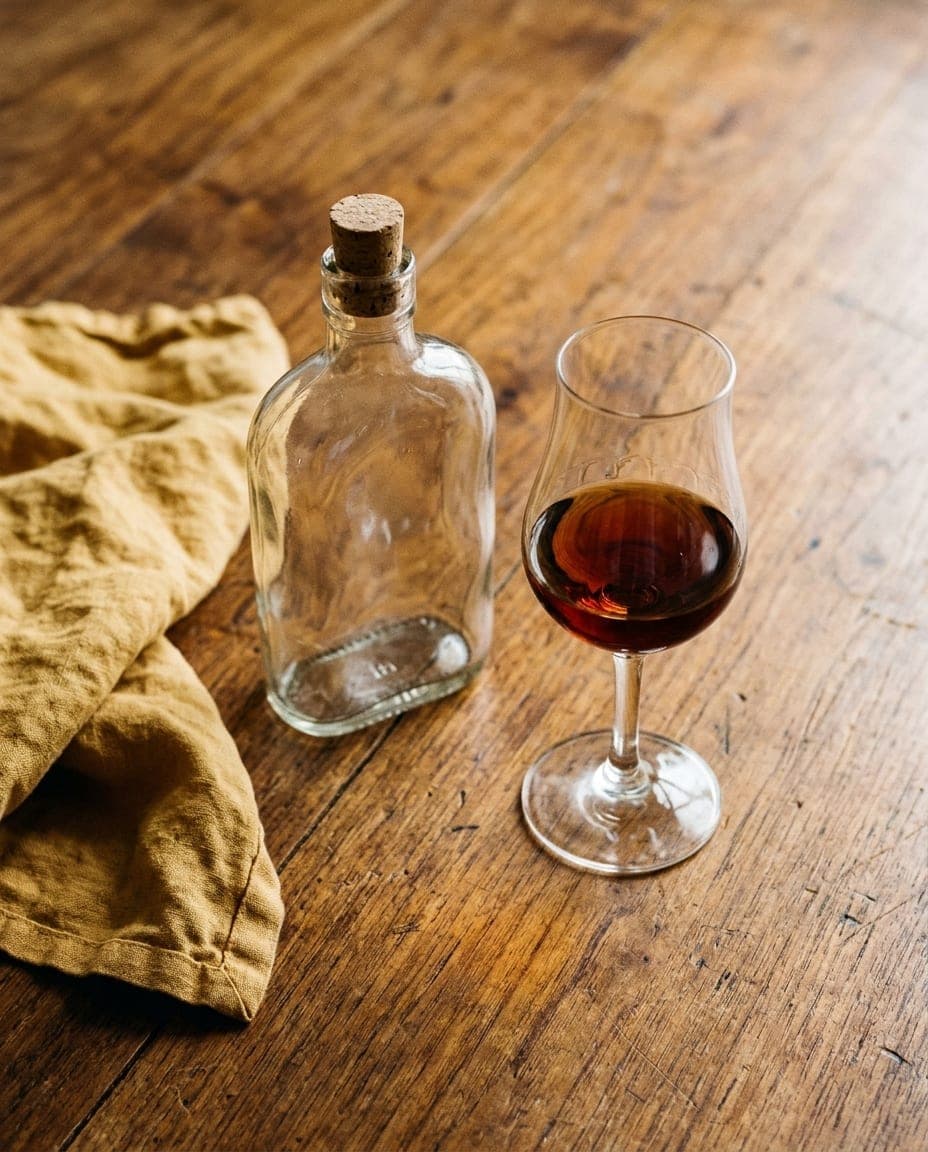
The defining feature of this cheese is the washing process. During ripening, which lasts at least four weeks, the cheeses are turned and washed repeatedly, first with brine and then with water to which marc de Bourgogne is added. Marc is a local spirit distilled from the pomace of grapes after the wine has been pressed. The washing prevents a white mould from forming and instead encourages the distinctive orange rind and the sharp, pungent smell for which Époisses is famous.
The survival of a single farm
Cheese has been made around Époisses for centuries, but production nearly ceased in the mid-20th century, as the region's farms turned away from cheesemaking after the Second World War. The tradition was revived by a single farming couple, Robert and Simone Berthaut, who began making the cheese again in the village of Époisses in 1956.
The Berthauts drew on the old methods, using local milk and washing the cheeses with marc de Bourgogne. Their persistence allowed the recipe to survive when others had faded away. Today, while there are several producers in the region who make Époisses under the protected label, the story of the Berthauts remains the central narrative of how this cheese came back from the brink of disappearance.
As demand grew, other local dairies began to produce it as well, and the cheese is now a point of pride for the region, representing a tradition that was almost lost and then carefully restored.
What goes into it
The ingredients are simple, yet the result is complex because of the careful handling required during ripening:
- Cow's milk, from farms within the protected area, which gives the cheese its rich base flavour.
- Rennet, used alongside a slow, lactic-style coagulation to set the curd; it is animal rennet, so Époisses is not vegetarian.
- Salt, used to season the curds and help preserve the cheese during ripening.
- Marc de Bourgogne, the local grape brandy used in the washes as the cheese matures.
The process requires constant attention. The cheeses are washed by hand several times a week during the ripening phase. This washing encourages the growth of specific bacteria on the rind, creating the sticky orange layer and the powerful aroma. If the washing is done correctly, the interior becomes smooth and spreadable. The final product is a cheese that is meant to be eaten at its peak, when the rind is fully developed and the paste is soft and almost liquid.
How it is eaten
Époisses is traditionally served as part of the cheese course in Burgundy, after the main dish. Because the cheese is so soft and runny when ripe, it is often not cut with a knife in the usual way. Instead, diners use a small spoon to scoop the paste directly from the wooden box or from a serving dish. The rind is edible and adds to the flavour, though some people prefer to eat only the creamy interior.
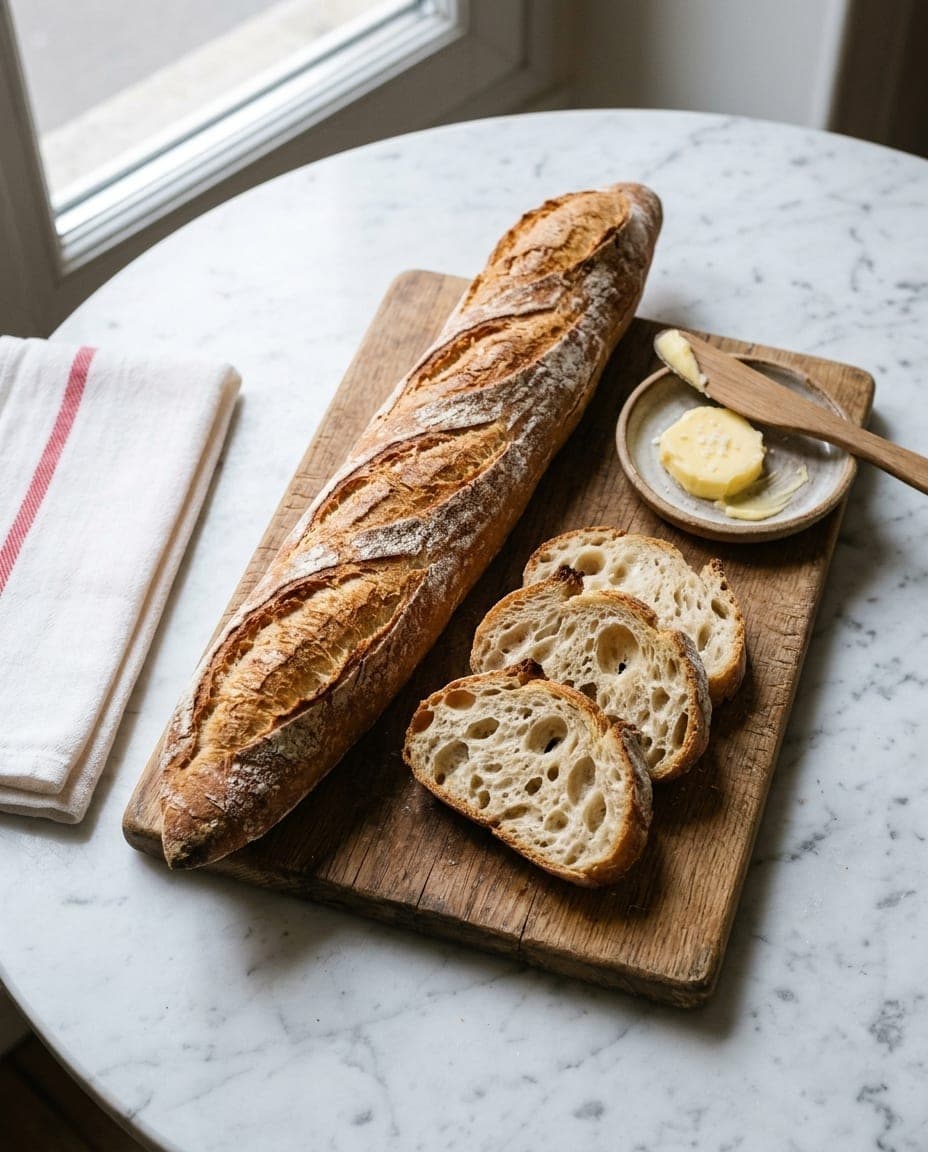
The cheese pairs naturally with bread, particularly a crusty baguette, which provides a sturdy vehicle for the soft paste. In Burgundy, it is also common to serve it with a glass of white Burgundy wine, such as a Chassagne-Montrachet or a Meursault. Alternatively, a small pour of marc de Bourgogne can be offered alongside the cheese, echoing the spirit used in its production.
Époisses has a strong aroma that fills the room. The flavour is intense, with notes of earth and mushrooms and a sharp tang from the washed rind. It is not a mild cheese, and many travellers find it challenging at first but return for its depth.
Curious facts
- The wooden box. The cheese is traditionally packed in a shallow wooden box that supports its soft structure and lets the rind breathe.
- A single couple revived it. While several producers now make Époisses, the revival of 1956 is credited to Robert and Simone Berthaut, who restarted production when others had abandoned it.
- The washing defines the taste. The repeated washes with brine and marc de Bourgogne during ripening create the orange rind and the distinctive smell.
- It is eaten with a spoon. At full ripeness, the cheese is too runny to be cut neatly, and a spoon is the usual tool for serving it.
- A defined area. The cheese may only be made within its protected zone in Burgundy and neighbouring Haute-Marne, from milk produced in that zone.
Where to try it
The best place to taste Époisses is in the village of Époisses itself, where the cheese was revived. In larger towns across Burgundy, such as Dijon or Beaune, specialist cheese shops stock it, usually alongside other regional cheeses.
In traditional restaurants in Burgundy, Époisses regularly appears on the cheese trolley. Many local bistros and auberges serve it with bread and a glass of local wine.
Where to try it
1 destination
 Castles
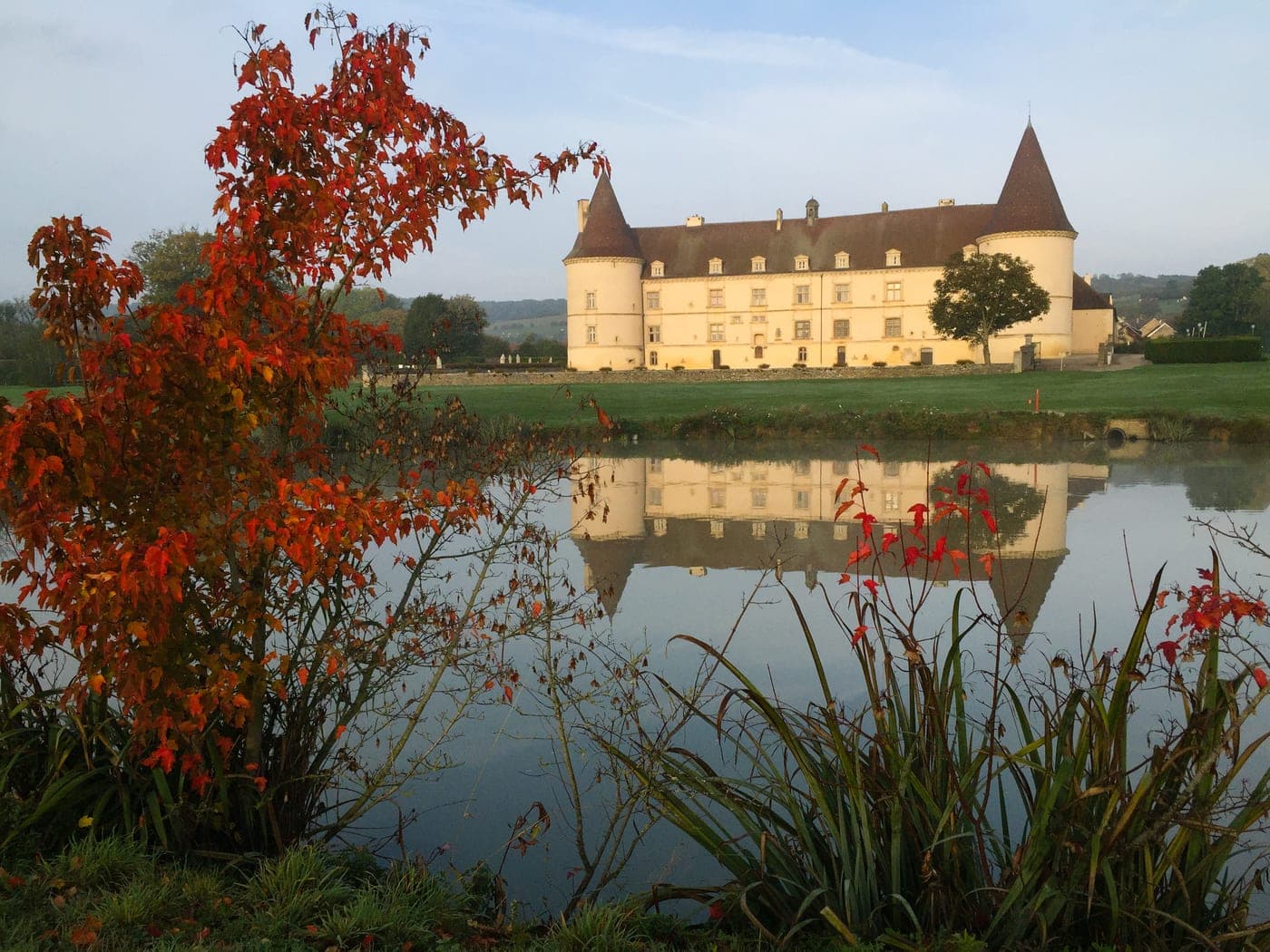
Chailly-sur-Armançon
Burgundy village centred on a restored 15th-century château surrounded by parkland and a golf course.
Castles
1 region
- Castles5 destinations
Bourgogne-Franche-Comté
Bourgogne-Franche-Comté is France's largest region, rich in history and culture. It's renowned for its exceptional wines, particularly those from the Burgundy area, which produce some of the world's finest Pinot Noir and Chardonnay. The region features historic cities like Dijon, known for its mustard and vibrant markets, and Besançon, famous for its citadel and watchmaking heritage. Natural landscapes include the Jura mountains and the picturesque Doubs River, perfect for hiking and cycling. The region is dotted with charming villages such as Arbois and Nans-sous-Sainte-Anne, offering a taste of local crafts and cuisine. Festivals celebrating wine and regional traditions add to its cultural depth, attracting those looking to experience France beyond the usual tourist paths.
CastlesWine TastingHiking