Daube avignonnaise
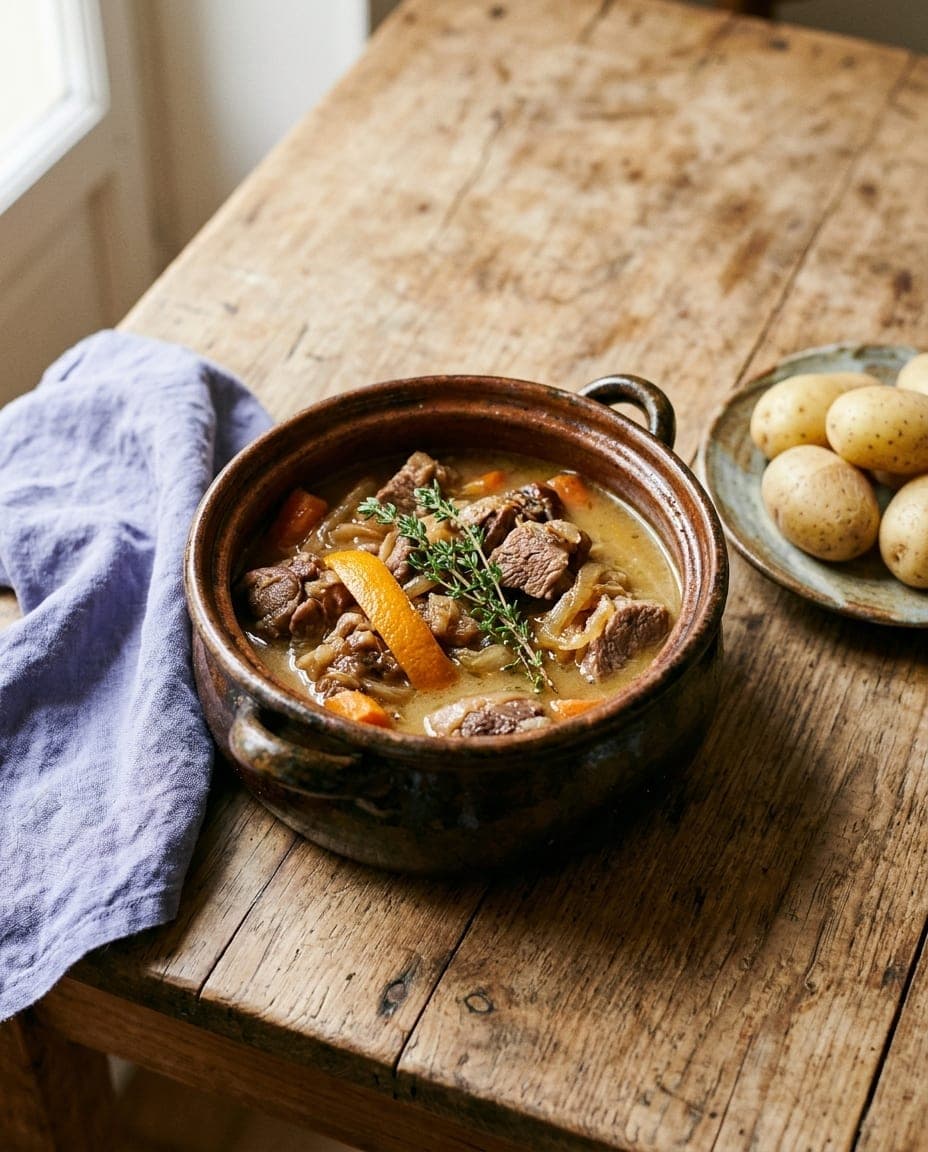
Lamb braised in red wine with orange peel, cooked in a clay pot
- Local name
- Daube avignonnaise
- Served with
- Pasta or boiled potatoes
- Best eaten at
- An Avignon bistro
- Pairs with
- Côtes du Rhône red
What it is
Daube avignonnaise is the signature meat dish of Avignon and the surrounding Vaucluse department in Provence-Alpes-Côte d'Azur. It is a deep, dark braise of lamb or mutton, cooked slowly until the meat is meltingly tender. While the best-known Provençal daube is made with beef, the Avignon version distinguishes itself by using lamb or mutton, with orange peel added to the pot. The result is a stew that balances the richness of the meat with the bright, slightly bitter notes of citrus and the earthy depth of wine.
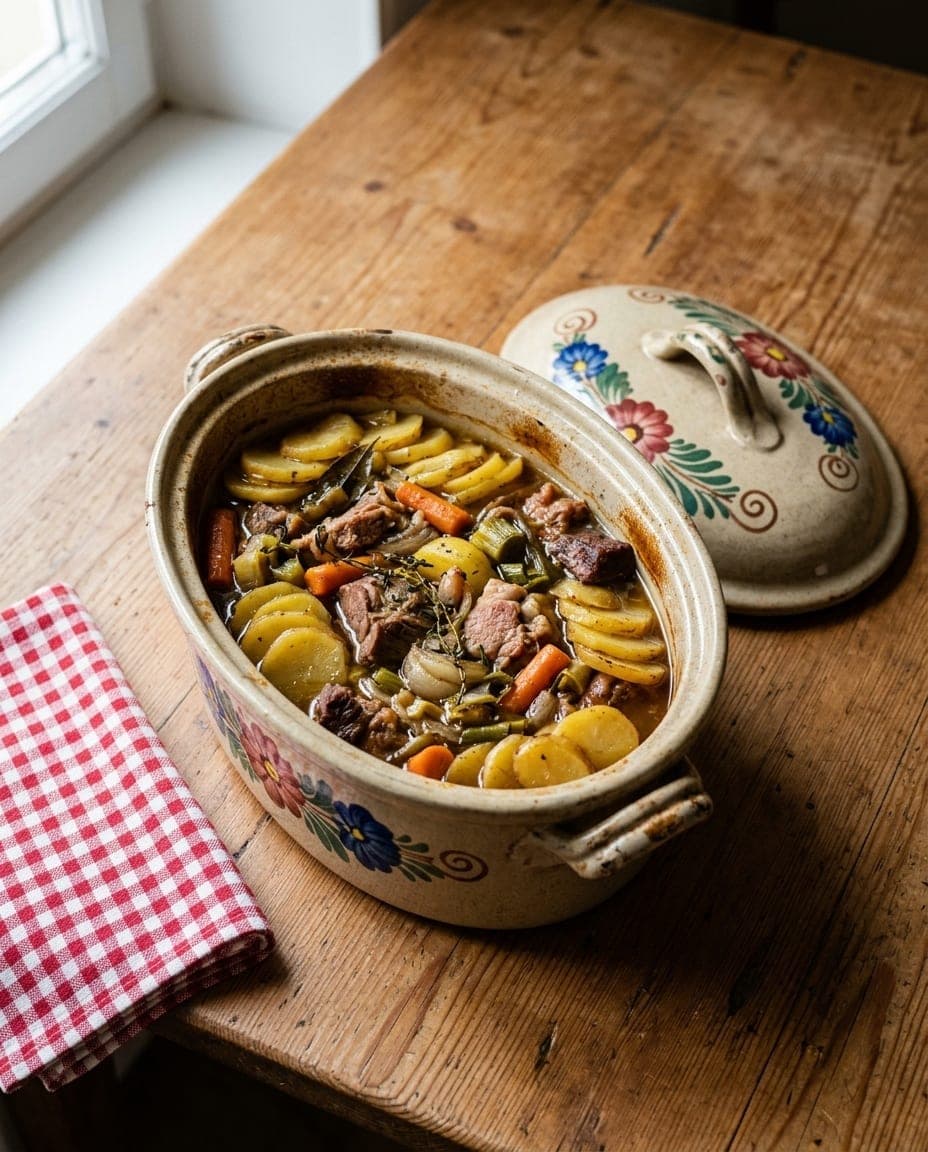
The dish is traditionally cooked in a specific vessel: the daubière. This is a tall, pot-bellied earthenware pot with a distinctive lid. It heats slowly and evenly, and the closed pot keeps the meat moist while it cooks for many hours, giving a tender consistency that is hard to achieve in a thin metal pan.
The Avignon tradition
Avignon, seat of the popes in the 14th century, remained papal territory alongside the neighbouring Comtat Venaissin until the French Revolution, and the area kept a character of its own within Provence. Its cooking draws on the same Mediterranean ingredients as the rest of the region: olive oil, garlic, herbs and the wines of the Rhône. The daube avignonnaise is both a home-cooking staple and a dish associated with the city's bistros.
Compared with the beef daube of Provence, the Avignon version focuses on lamb and the aromatic lift of orange peel. It is considered a winter favourite, yet it can be found year-round in traditional establishments.
The preparation begins with marinating the lamb, often overnight, in wine with olive oil, sliced onions, garlic, thyme and bay leaves. The meat then goes into the pot with the strained marinade, usually with lardons or pork rind, and braises for hours until soft. Most recipes call for a Côtes du Rhône red, though some older versions use white wine.
What goes into it
The ingredients are simple but need time to develop their full character. There is no single fixed formula, yet a traditional version contains these elements:
- Lamb or mutton: Usually leg or shoulder, cut into large chunks to withstand long cooking without disintegrating.
- Wine: Typically a robust Côtes du Rhône red, which forms the base of the marinade and the braising liquid.
- Orange peel: Strips of zest or dried peel are added to the pot to infuse a subtle citrus note.
- Aromatics: Onions, garlic, thyme and bay leaves create the perfume of the dish.
- Pork: Lardons, bacon or pork rind enrich the sauce in many versions.
The stew is served hot, with the sauce thickened by the long cooking. It is not a light meal but a substantial one that demands a hearty appetite.
How to eat it
Daube avignonnaise is typically served as a main course at lunch or dinner. The meat is so tender that it requires little effort to cut. It may arrive in the pot it was cooked in, or transferred to a deep dish to keep the heat.
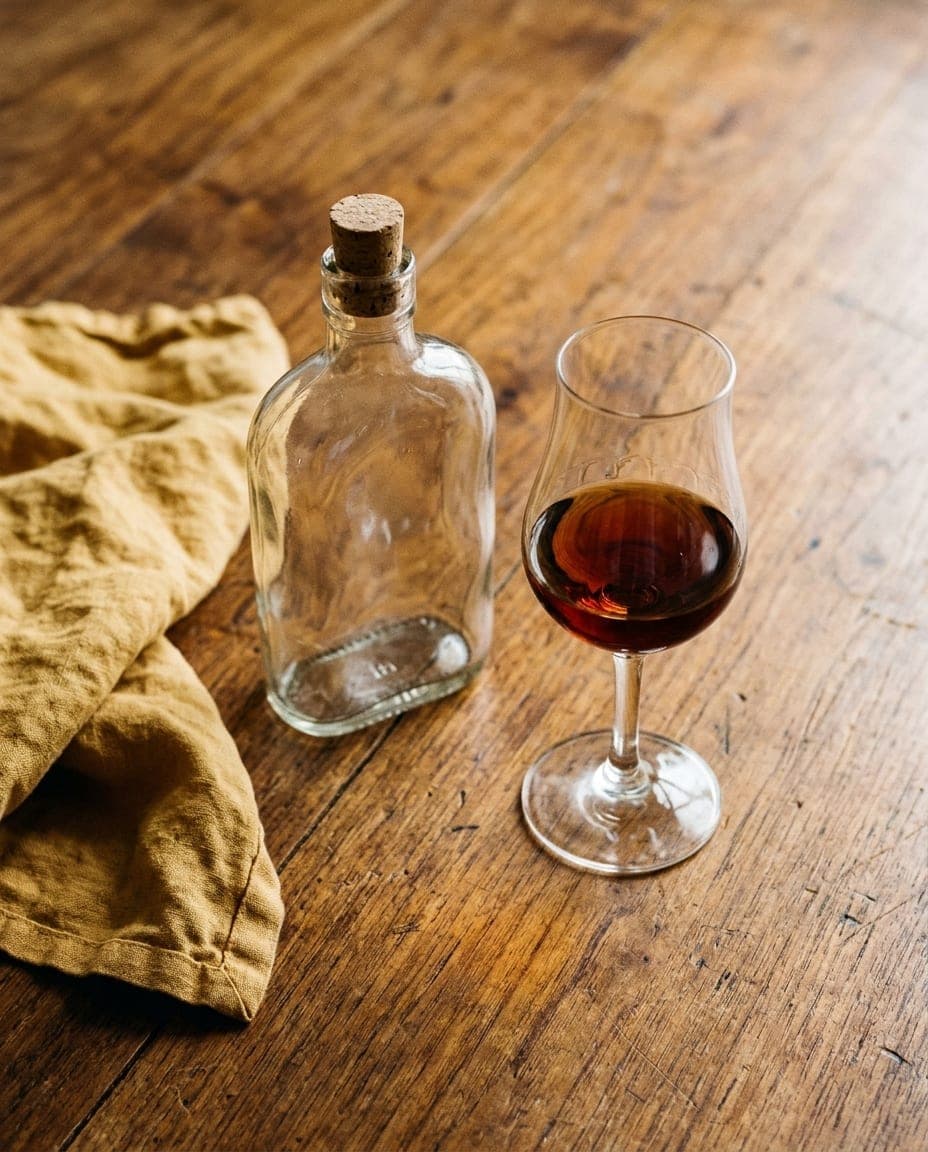
The stew is accompanied by plain boiled potatoes or pasta, both of which soak up the rich, wine-infused sauce. A glass of Côtes du Rhône red is the natural pairing.
It is a dish that rewards patience. Like most daubes, it is often prepared in advance, as the flavours deepen after standing overnight, and many cooks insist that it is best eaten the day after it is made.
Curious facts
- The pot matters. The daubière's tall, narrow shape and close-fitting lid limit evaporation during the long, slow cooking.
- Citrus in a braise. Orange peel appears in several Provençal daubes, but it is a defining note of the Avignon version.
- Better the next day. The dish is widely held to improve after resting overnight, as the flavours meld and the meat absorbs more of the sauce.
- A regional identity. The use of lamb or mutton sets it apart from the beef daubes cooked elsewhere in Provence.
- Served with pasta or potatoes. The choice of starch is flexible, but both absorb the rich, wine-based sauce.
Where to try it
The best place to try this dish is an Avignon bistro serving Provençal home cooking. These are small neighbourhood restaurants rather than grand hotel dining rooms.
Visitors to the city should look for places that specialise in Provençal cooking, whether near the Palais des Papes or in the quieter streets of the old town inside the ramparts. In these establishments, the daube avignonnaise appears on the menu as a daily special or a fixed offering, particularly in the colder months.
Where to try it
1 destination
 Wine Tasting
Avignon
Avignon is a historic city on the Rhône River, famous for its UNESCO-listed Papal Palace and medieval ramparts. Beyond its architectural splendor, Avignon serves as a gateway to renowned wine regions including nearby Châteauneuf-du-Pape and Côtes du Rhône appellations. The city blends cultural heritage with wine tourism, hosting the world-famous theater festival each July. Ancient streets lined with cafés and wine bars create a lively atmosphere, while the surrounding countryside offers countless wine estates and picturesque villages.
Wine TastingLocal CuisineHiking
1 region
 Wine Tasting44 destinations
Provence-Alpes-Côte d'Azur
This picturesque region in southeastern France is known for its diverse landscapes, from the rugged Alps to the stunning Mediterranean coastline. It is the only region with direct access to the coast, featuring historic towns like Nice and the artistic haven of Saint-Paul-de-Vence. The region is famous for its lavender fields, particularly around Valensole, and its vineyards producing renowned wines such as Bandol and Côtes de Provence. Lesser-known villages like Moustiers-Sainte-Marie are rich in pottery traditions, while the Verdon Gorge offers breathtaking hiking and kayaking opportunities. Local markets showcase seasonal produce like olives, herbs, and artisan cheeses, enhancing the immersive experience of this vibrant region.
Wine TastingHikingCamper Van RentalsLocal Cuisine