Crottin de Chavignol
A small goat cheese from Chavignol that warms into a sharp, nutty treat
- Local name
- Crottin de Chavignol
- Served with
- Green salad, bread
- Best eaten at
- A Sancerre wine cellar
- Pairs with
- Sancerre
What it is
Crottin de Chavignol is a small, round goat's cheese named after the village of Chavignol near Sancerre, in the upper Loire Valley. It is an AOP product, meaning its name is protected and it must be made according to strict rules: raw whole goat's milk, a mainly lactic curd set with only a small amount of rennet, and at least ten days of ripening. The cheese is tiny, a slightly bulging little cylinder that fits easily in the palm and weighs between about 60 and 90 grams when it leaves the dairy.
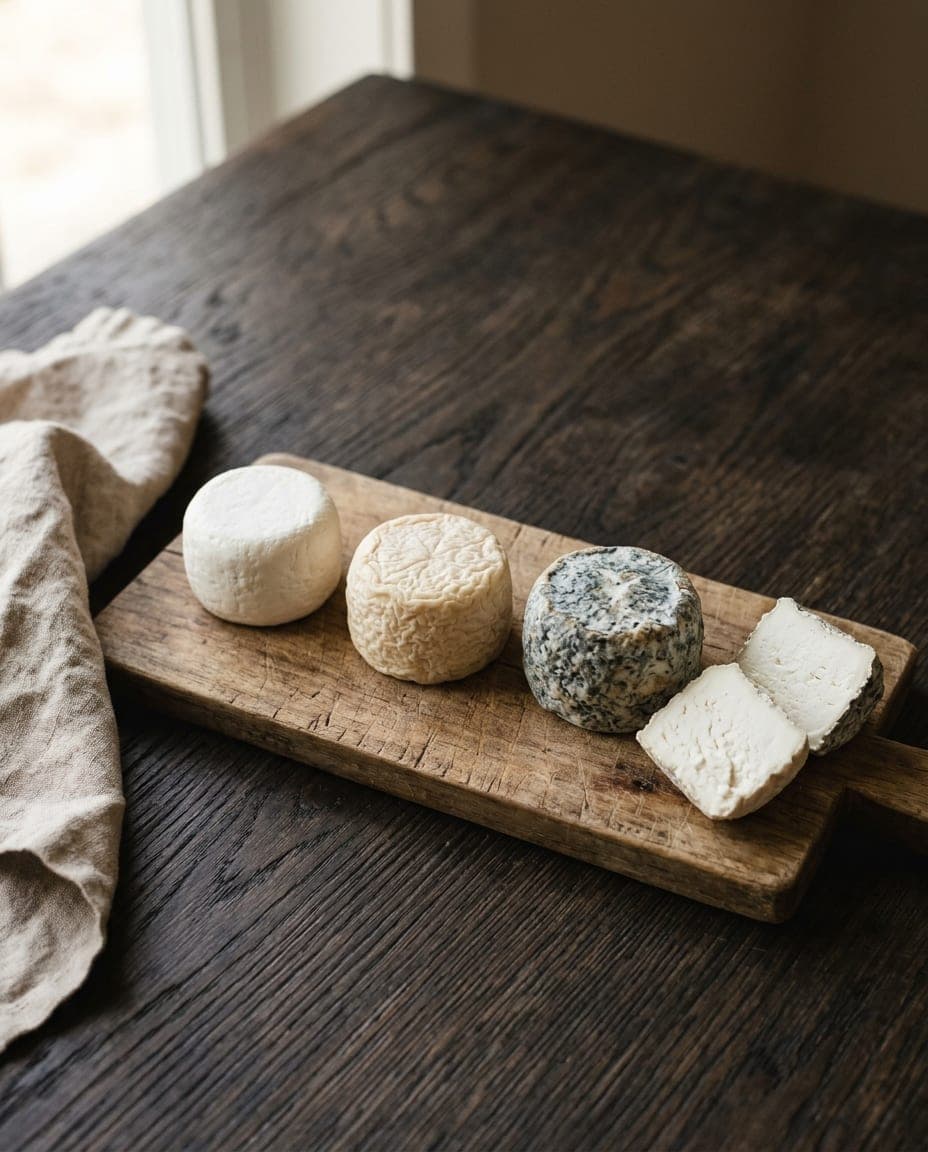
Its most striking feature is how dramatically it changes as it matures. Young, it is pale, moist and creamy with a mild, milky flavour. As it ages, the rind develops white and then bluish-grey moulds, the paste firms up, and the taste deepens into something nutty and earthy. Left to dry for several weeks or months, the cheese shrinks, turns hard and crumbly, and takes on an intense, sharp bite. Each stage has its admirers, and all are sold in markets and cellars.
The name has a local explanation. According to the producers' own account, crot is a Berrichon word for a hole, used for the riverbank spots where women did the laundry; the clay found there was used to make small oil lamps and later the little moulds in which the cheese was shaped. The more common assumption that crottin simply means "dropping", after the look of an old, dark cheese, is a popular joke rather than the documented origin.
The landscape of Chavignol
Chavignol sits on a hillside a few kilometres from the town of Sancerre, overlooking the vineyards of the Sancerrois. The steep slopes grow the Sauvignon Blanc grapes of the famous local wine, and goat farming has supplemented the income of farms here since at least the 16th century.
While the cheese is named after Chavignol, the protected area is much wider. It covers dozens of communes in three departments: Cher, Loiret and Nièvre. The AOP rules require that the milk comes from Alpine goats raised in this defined zone and that the cheese is ripened for a minimum period before sale.
How it changes with time
The life of a Crottin de Chavignol is short but eventful. When young, at around ten days to two weeks, the cheese is soft to the touch with a thin white rind. The paste is creamy, offering a gentle, slightly sweet taste. This stage is popular with those who prefer a mild flavour.
As the cheese matures over a few more weeks, the texture becomes firmer and the rind takes on a fine coat of mould. The flavour shifts from milky to nutty, with hints of hazelnut and mushroom. This intermediate stage is considered the peak by many.
The final stage comes when the cheese is left to age much longer. It loses moisture, shrinks noticeably and becomes hard and crumbly, with a dark, bluish-grey rind. The taste becomes intense, sharp and savoury, with a long finish. This version is often eaten in small quantities or grated over other dishes.
How it is eaten
Crottin de Chavignol is often served with a green salad dressed with a sharp vinaigrette and crusty bread. The acidity of the salad cuts the richness of the cheese, while the bread provides a neutral base.
A particularly famous preparation involves warming the cheese. Halved or whole crottins are placed on slices of toasted bread and heated in the oven or under a grill until the rind softens and the interior becomes molten. This is known as crottin chaud, served immediately while still hot, usually on a bed of salad for a contrast between cold greens and warm cheese.
The pairing that defines this cheese is Sancerre, the white wine made from Sauvignon Blanc grown on the same hillsides. The wine's high acidity and mineral notes complement the earthy, sharp flavours of the cheese. For many locals the two belong together: cheese and wine come from the same place and are meant to be enjoyed side by side.
Curious facts
- A name from a lamp. Local tradition links crottin to crot, the clay used for small oil lamps and then for the cheese moulds, rather than to horse droppings.
- It shrinks as it ages. A long-aged crottin loses much of its moisture, becoming noticeably smaller and harder over time.
- A protected name. Crottin de Chavignol is an AOP designation, so only cheese made in the defined area following the rules can carry the name.
- Warmth changes everything. When heated, the cheese melts into a creamy pool on toast, transforming from a firm disc into a soft, gooey treat.
- A local pair. The goats and the Sancerre vines share the same slopes, making cheese and wine a natural combination.
Where to try it
The best place to taste Crottin de Chavignol is in the villages where it is made. Chavignol and the surrounding villages of the Sancerrois have shops and farms where visitors can buy fresh or aged cheeses, often with an explanation of each stage of maturity.
Many Sancerre wine cellars in the area offer tastings that pair their white wines with local cheeses, including Crottin de Chavignol at various stages of ageing, which makes it easy to compare how the wine meets the fresh, nutty and sharp versions of the cheese.
Restaurants in Sancerre and the surrounding villages often feature crottin chaud or a plate of aged cheese with salad on their menus, accompanied by local bread and wine.
Where to try it
3 destinations
 Wine Tasting
Pouilly-sur-Loire
Famous Loire Valley wine town producing Pouilly-Fumé Sauvignon Blanc with smoky mineral character.
Wine TastingHiking Wine Tasting
Boulleret
Sancerre region wine village with Sauvignon Blanc vineyards and rural charm.
Wine Tasting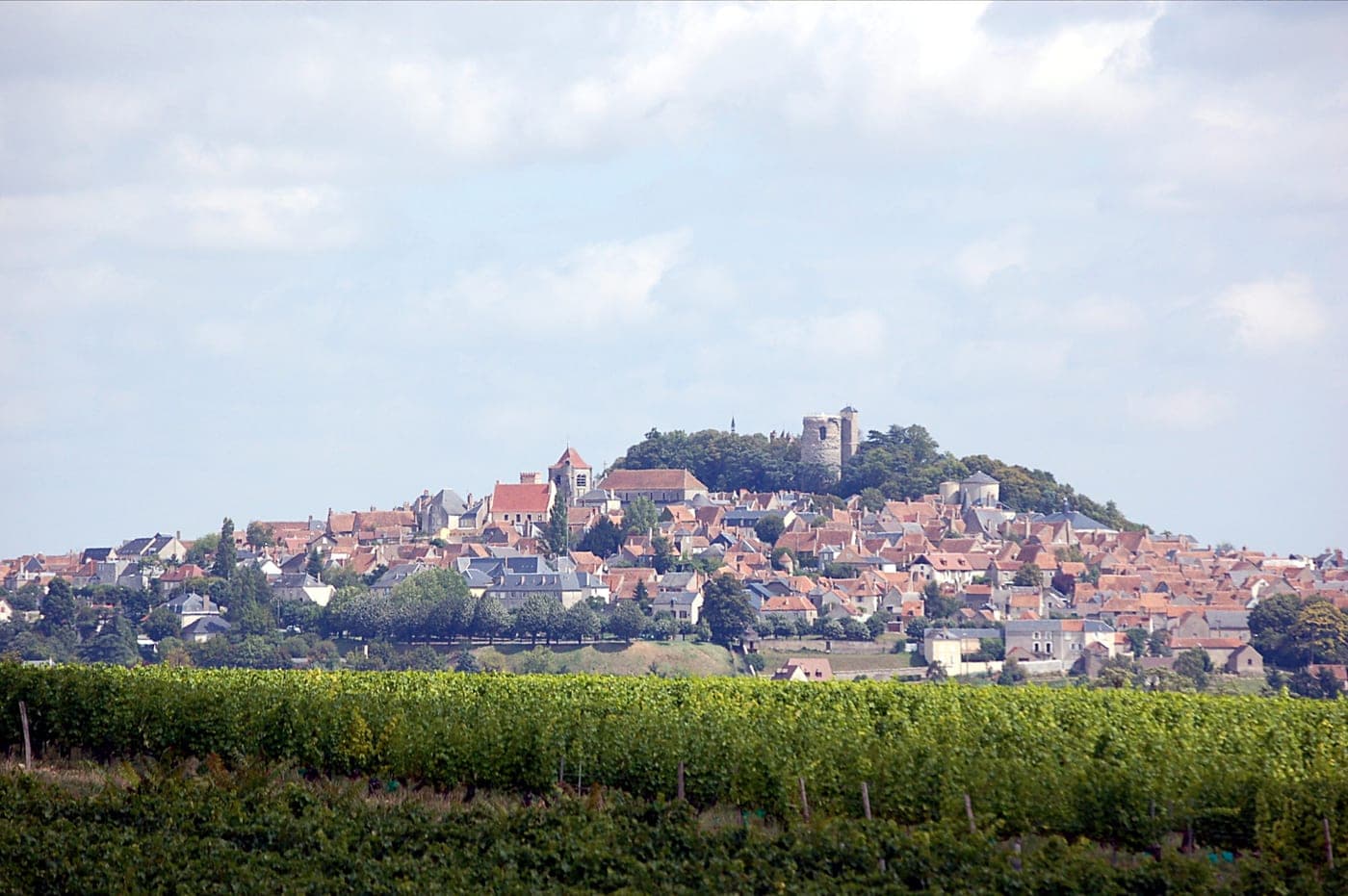 Wine Tasting
Sancerre
World-famous hilltop wine town producing exceptional Sauvignon Blanc and Pinot Noir with panoramic vineyard views.
Wine TastingHiking
1 region
- Wine Tasting7 destinations
Centre-Val de Loire
This central region of France is renowned for its stunning châteaux, particularly the majestic Château de Chambord and the historic Château de Chenonceau, which spans the River Cher. The Centre-Val de Loire is not the largest region in France, but it is rich in history, with towns like Amboise, known for its Renaissance architecture and ties to Leonardo da Vinci. The area is also famous for its vineyards producing exquisite wines, including Vouvray and Sancerre. The Loire River, a UNESCO World Heritage site, offers picturesque landscapes ideal for cycling and walking. Unique local festivals celebrate regional cuisine and heritage, providing a glimpse into traditional French life away from the tourist crowds.
Wine TastingHiking