Croque-monsieur
A grilled ham and cheese sandwich from Parisian cafés, crowned with béchamel
- Local name
- Croque-monsieur
- Served with
- Green salad
- Best eaten at
- A Parisian café
- Pairs with
- Côtes-du-Rhône or beer
What it is
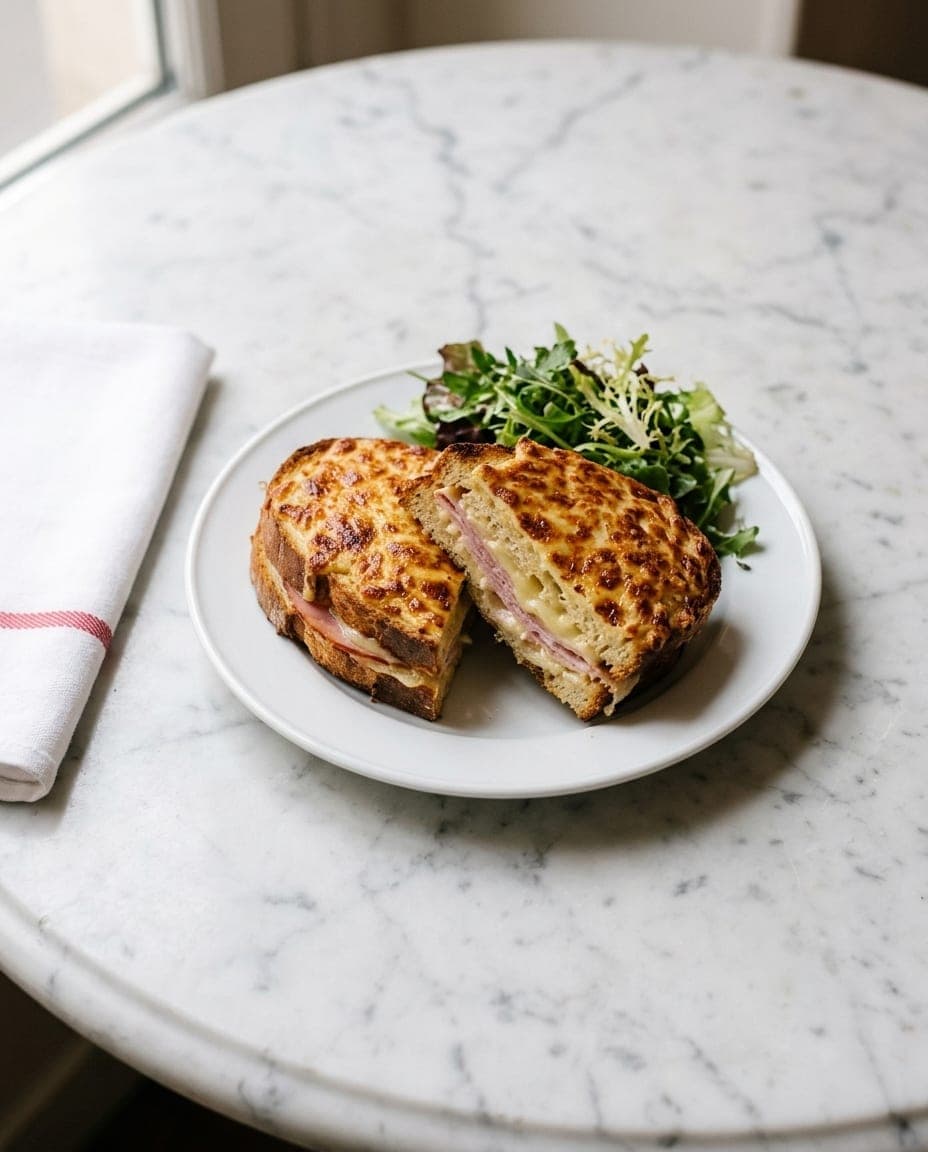
The croque-monsieur is a grilled sandwich of white bread, ham and cheese, cooked until the exterior crisps and the interior melts. It is the defining snack of the Parisian café, a dish that sits somewhere between a light lunch and a hearty meal. While simple in concept, the version served in brasseries often features a layer of béchamel sauce on top, which is then sprinkled with grated cheese and browned under a grill until golden.
The sandwich has been a staple of café culture for over a century. It appears on the menus of most cafés in Paris, from small neighbourhood bistros to the grand brasseries along the boulevards. It is eaten at almost any hour, often with a simple green salad to balance the richness of the bread, butter and cheese.
Where it comes from
The croque-monsieur is generally said to have first appeared on a Paris café menu around 1910, in a café on the boulevard des Capucines, though the exact moment of its invention remains unclear. The name offers a clue to its character: croquer means to crunch or bite, referring to the toasted bread, while monsieur is simply the polite word for a gentleman.
Why the sandwich was called monsieur is not documented. Popular stories range from a café owner's joke about the meat inside to the idea that it was a quick meal for gentlemen in a hurry; none can be confirmed. By the time Marcel Proust mentioned it in À l'ombre des jeunes filles en fleurs, the croque-monsieur was already part of the city's food landscape.
The dish belongs to Paris and the Île-de-France rather than to any village tradition, and it has since spread to cafés across France. It reflects the practical needs of café life: quick to prepare, filling, and easy to eat at a small table.
How it is made
The construction of a croque-monsieur relies on good ingredients rather than complex technique. White sandwich bread forms the base, sliced thick enough to hold its shape when grilled. Slices of ham are placed between the bread with a generous amount of cheese, most often Gruyère, Comté or Emmental, all good melting cheeses with a nutty flavour.
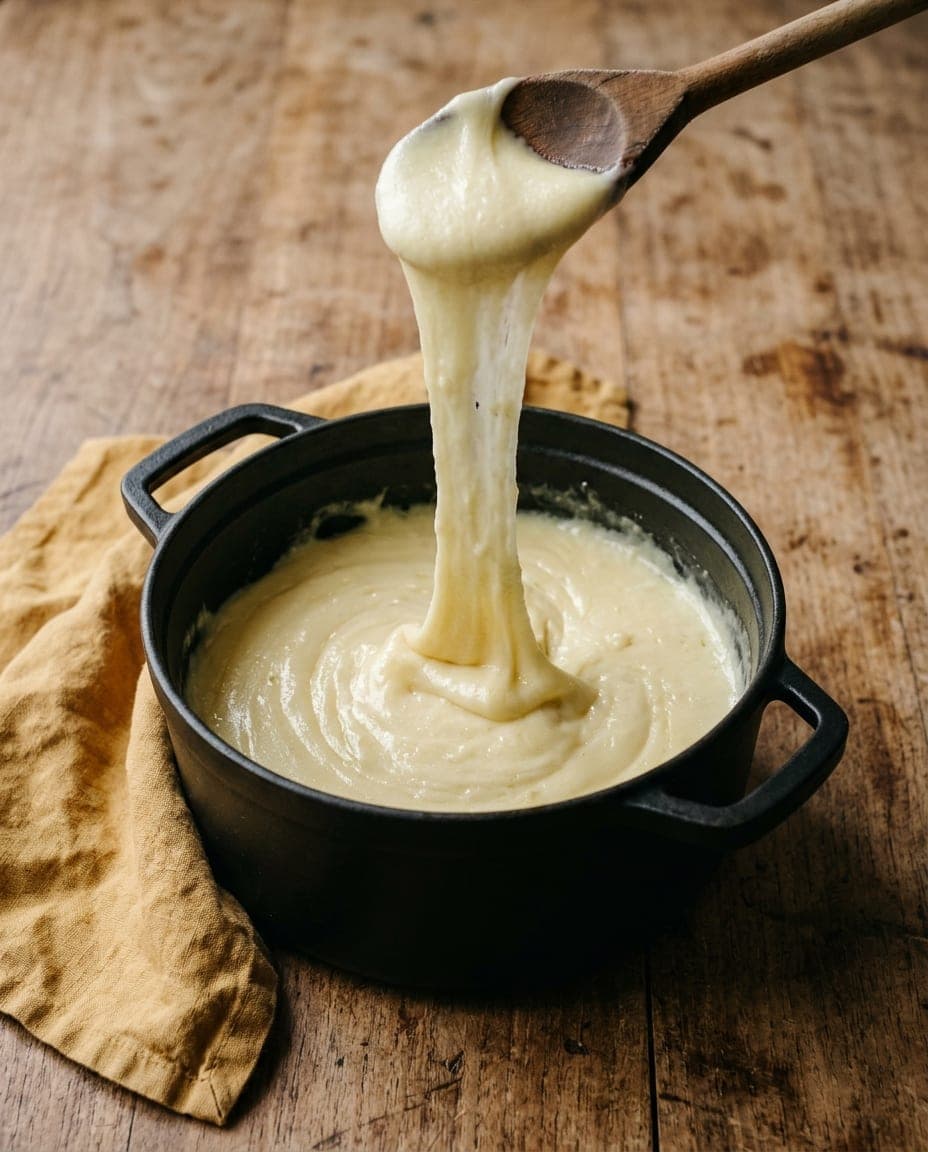
In the brasserie version, béchamel—a white sauce of butter, flour and milk—is spread inside the sandwich, on top, or both, then covered with grated cheese. The bread may also be buttered on the outside to give a rich crust.
The sandwich is cooked on a griddle, in a pan or in the oven until the exterior turns golden brown and the interior is hot and molten; the cheese-topped version is finished under a grill to create a browned, bubbling surface. The result is warm, salty and savoury, crunchy on the outside and soft within.
The croque-madame variation
A simple addition transforms the croque-monsieur into something distinct: placing a fried egg on top creates the croque-madame. The usual explanation for the name is that the egg resembles a lady's hat, a visual pun that has kept the pairing of names alive in French café culture.
The croque-madame is usually listed as a separate item on the menu, with its own price. The runny yolk mixes with the cheese and ham when cut into, creating a different eating experience from the crunch of the original.
How to eat it
The croque-monsieur is best eaten at a Parisian café, where the atmosphere matches the casual nature of the dish. It is served hot on a plate, often accompanied by a green salad dressed with a light vinaigrette, which provides a fresh contrast to the salty, rich sandwich.
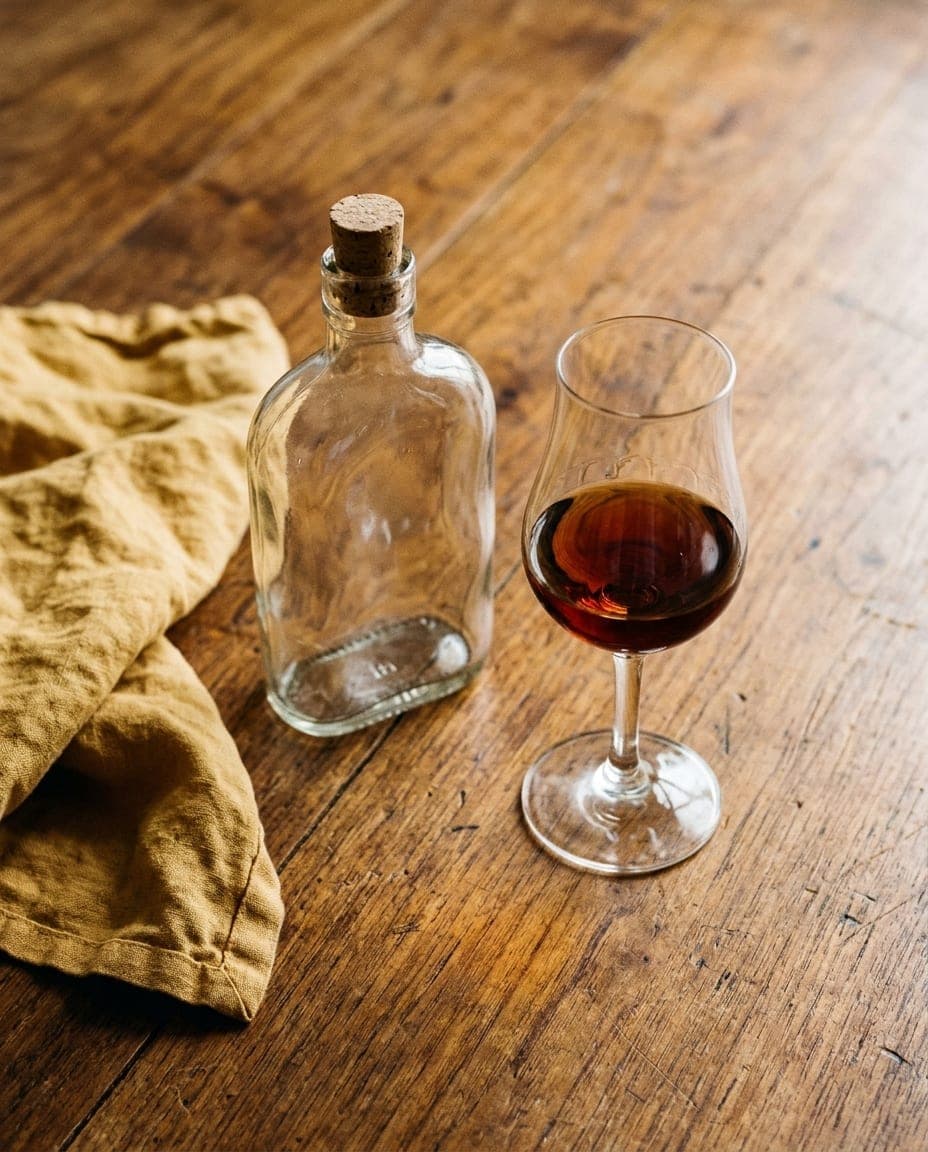
It is common to eat it with a knife and fork, particularly when it is topped with béchamel or a fried egg. A glass of Côtes-du-Rhône pairs well with the dish, as does a cold beer.
The timing of the meal is flexible. The croque-monsieur can be eaten for lunch, as a late-morning snack or as a light dinner, and in many cafés it is ordered alongside coffee. With its salad it is substantial enough for a main course, yet light enough for a quick stop.
Curious facts
- A literary appearance. Marcel Proust mentions the croque-monsieur in À l'ombre des jeunes filles en fleurs, one of the earliest literary references to the dish.
- The egg as a hat. The fried egg that turns the sandwich into a croque-madame is usually said to resemble a lady's hat.
- No known inventor. Although the dish is linked to a café on the boulevard des Capucines around 1910, there is no reliable record of who first created it.
- A café staple. The croque-monsieur is found in cafés across Paris, from the smallest neighbourhood spot to the grandest brasserie, with little variation in its core ingredients.
- Salad is standard. A green salad is very often served alongside, balancing the salty flavours of the ham and cheese.
Where to try it
The natural place to eat a croque-monsieur is a Parisian café or brasserie, where it is a daily staple, often with a choice between the classic sandwich and the egg-topped variation.
The dish is available year-round, making it a reliable option for travellers seeking a warm, comforting meal in Paris. No café can prove it was the original, but many have served the croque-monsieur on their daily menu for generations. A green salad and a glass of Côtes-du-Rhône or beer complete the experience.
Where to try it
1 destination
 Camper Van Rentals
Paris
Roadsurfer camper van rental station at Paris Orly & CDG airports.
Camper Van Rentals
1 region
- Camper Van Rentals1 destination
Île-de-France
Île-de-France is the smallest region in France, yet it is the most populous, primarily known for Paris, its capital. Beyond the iconic landmarks of the city, this region offers hidden gems such as the medieval town of Provins, a UNESCO World Heritage site, where well-preserved fortifications tell tales of its rich history. The Vexin Français Regional Natural Park showcases picturesque landscapes and charming villages like La Roche-Guyon. Unique culinary experiences abound, with local specialties like Brie cheese and wines from the Île-de-France vineyards. The region also hosts lesser-known châteaux, such as Château de Malmaison, once home to Joséphine Bonaparte. Travelers can explore art in places like Giverny, where Monet's gardens inspire creativity. Each corner of Île-de-France presents an opportunity to dive into local culture and history, making it a region worth exploring at a leisurely pace.
Camper Van Rentals