Cervelle de canut
Lyon's herbed fresh cheese named after silk weavers
- Vegetarian
- Local name
- Cervelle de canut
- Served with
- Toast, potatoes
- Best eaten at
- A Lyon bouchon
- Pairs with
- Beaujolais
What it is
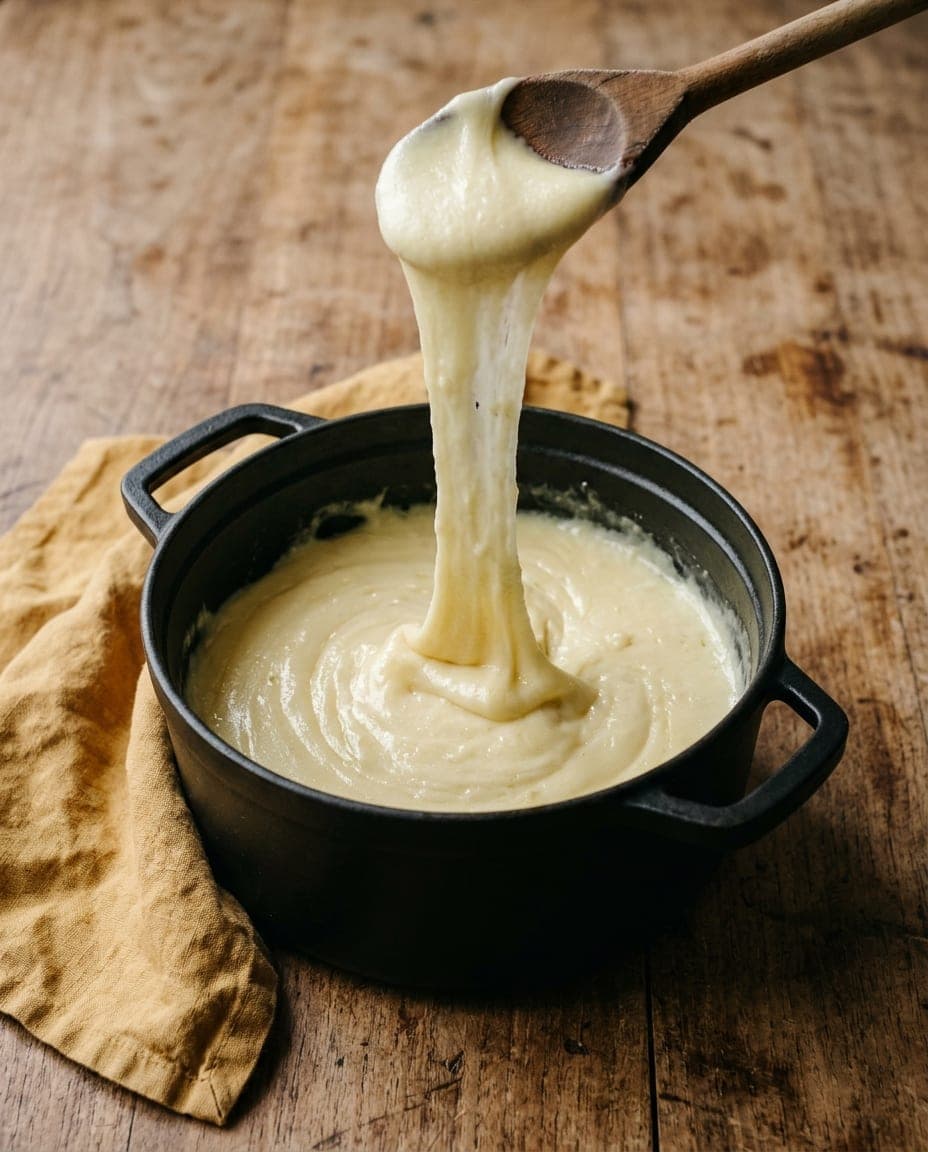
Cervelle de canut is a simple, cold cheese dish that belongs to the city of Lyon and its surrounding Rhône region. The name translates literally as "silk worker's brains", a reference to the canuts, the weavers who once lived in the hills above the city. It is not a rich or heavy meal but a sharp, fresh starter made from fromage blanc, a soft white cheese that has been beaten until it resembles whipped cream. To this base are added chopped shallots, chives, parsley, garlic, salt, pepper and a splash of vinegar or white wine. The mixture sits for a short time so the flavours can blend before serving.
The dish is defined by its texture and its history rather than any complex cooking method. It appears on the menu as a starter or alongside the cheese course in a traditional Lyon restaurant. The name itself carries a tone of irony. In the 19th century, the canuts lived in modest conditions and worked long hours for low pay. Their diet relied on cheap ingredients they could find locally. The name is generally explained as a jibe by Lyon's better-off residents, reflecting their low opinion of the weavers. Today the dish is simply a staple of the city's identity.
Why it bears such a name
The story behind the name explains why this cheese is not just another herb salad but a symbol of Lyon's social history. The canuts worked in home workshops on the Croix-Rousse hill, which sits directly above the old town. They were skilled weavers who worked their looms from dawn until dusk, often earning barely enough to feed their families. Their meals needed to be quick to eat and cheap to buy.
The cheese used was fromage blanc, a fresh curd that could be bought in large quantities at low cost. It was not aged or expensive. Mixed with chopped herbs and shallots, along with the sharp bite of vinegar or wine to wake the palate. The resulting dish required no cooking and could be eaten cold while taking a break from work. The name "cervelle de canut" is usually said to have begun as a joke among the city's upper classes at the weavers' expense.
Whatever the original sting, the dish long ago moved beyond the workshops. Today the name is spoken with affection, and the dish stands as a reminder of the silk industry that shaped the city.
What goes into it
There is no fixed recipe for cervelle de canut, but the core ingredients remain consistent across kitchens in Lyon. The base is always fresh fromage blanc, beaten until smooth and airy. This provides a neutral canvas that takes on the character of the additions.
- Chopped shallots, which offer a mild onion flavour without overwhelming the cheese.
- Fresh herbs, typically chives, parsley and sometimes tarragon, finely minced to release their scent.
- Garlic, crushed or grated to add a sharp, warming note.
- Salt and black pepper, for basic seasoning.
- Olive oil and vinegar, or a splash of white wine, to bind the mixture and give it a slight tang.
The result is a creamy, pale dish that tastes bright and clean. It is not a heavy meal but one designed to refresh the appetite before a larger dinner. Fresh herbs are preferred, as dried ones lack the same sharpness.
How to eat it
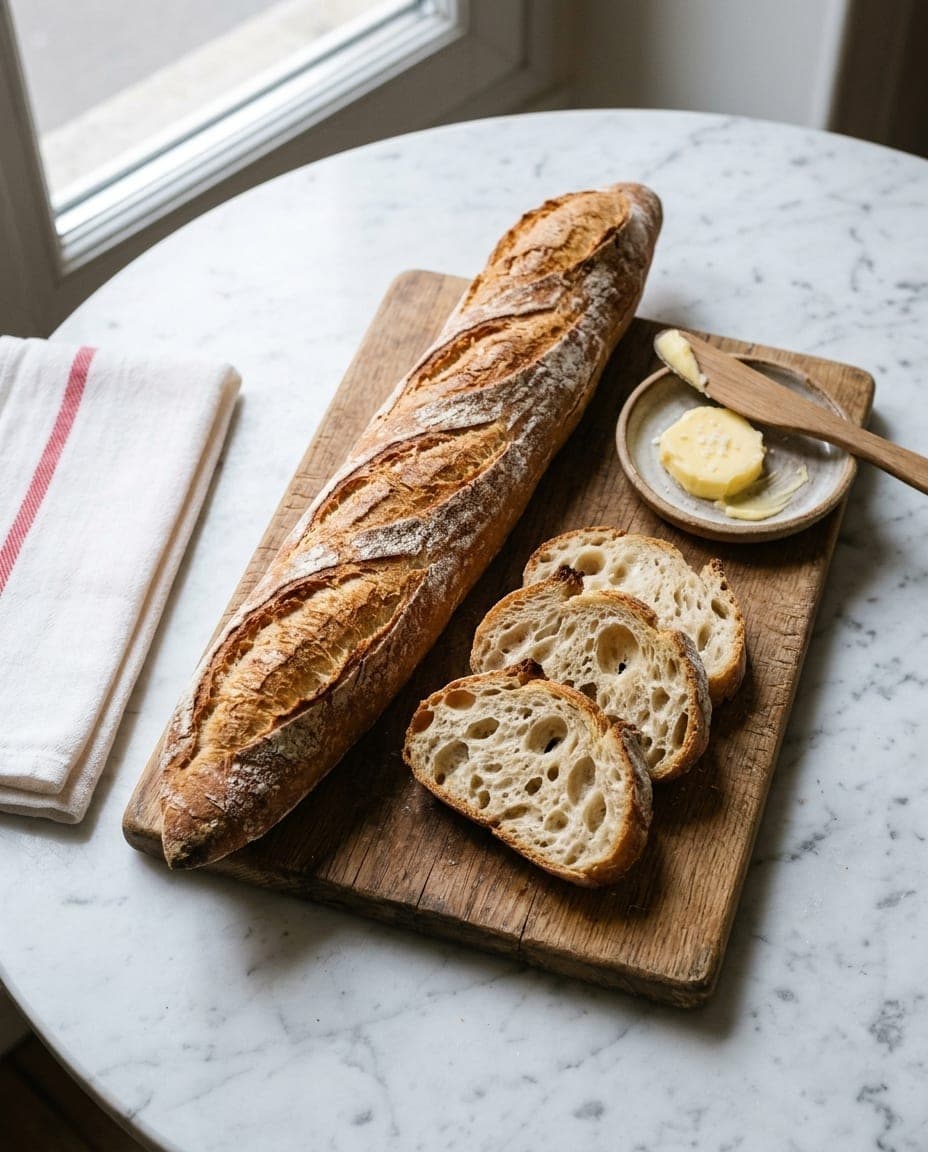
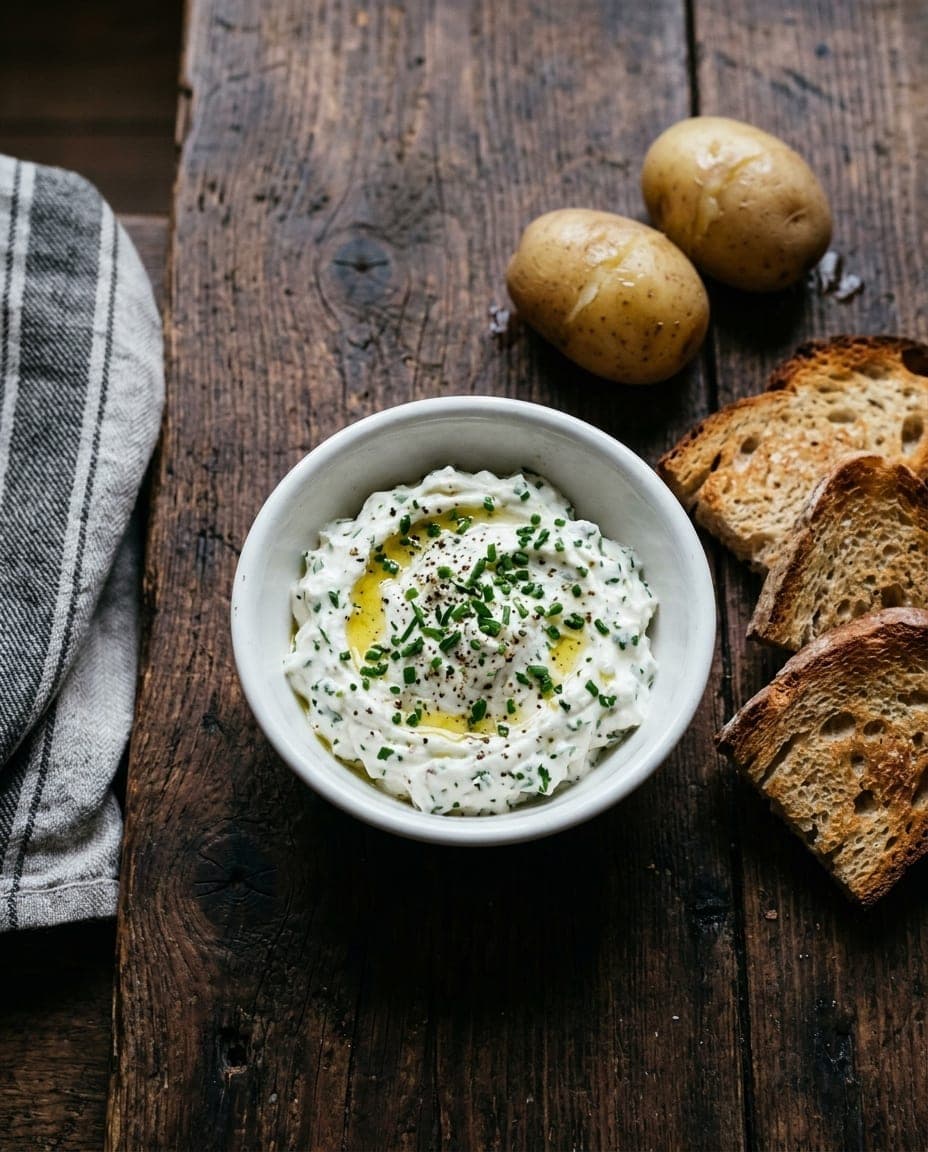
Cervelle de canut is served cold in a bowl or on a plate, often with a side of boiled potatoes or crusty toast. It is eaten as a starter in a bouchon, a traditional Lyon restaurant that serves simple, hearty food. The cheese is usually spooned onto the bread or eaten with a fork alongside the potatoes. A glass of Beaujolais wine pairs well with the dish, its light fruitiness complementing the sharp herbs and creamy texture.
The experience is best in a local setting where the atmosphere matches the simplicity of the food. In a bouchon, the tables are often crowded, the noise is lively, and the service is direct. The cheese arrives quickly, ready to be eaten while the rest of the meal is prepared. It is common to share a large bowl between two or three people, especially when it is part of a longer meal.
Curious facts
- A name with an edge. The term "silk worker's brains" was originally a jibe from the city's wealthy class, mocking the weavers' simple diet and suggesting their minds were as plain as their food.
- No cooking required. The dish is beaten by hand and served cold; it requires no heat or oven, making it ideal for quick meals during long workdays.
- A working-class origin. The canuts lived in the Croix-Rousse district, where the steep streets and tall workshop buildings defined daily life in the 19th century.
- Served with bread or potatoes. It is traditionally eaten with boiled potatoes or toasted bread, both of which help balance the sharpness of the herbs.
- A regional staple. While known across France, it remains most strongly associated with Lyon and its immediate surroundings in the Auvergne-Rhône-Alpes region.
Where to try it
The best place to eat cervelle de canut is in a traditional bouchon in Lyon itself. These small restaurants, often family-run, focus on local produce and simple cooking methods. A glass of Beaujolais from the nearby hills completes the experience.
Where to try it
1 destination
 Wine Tasting
Lyon
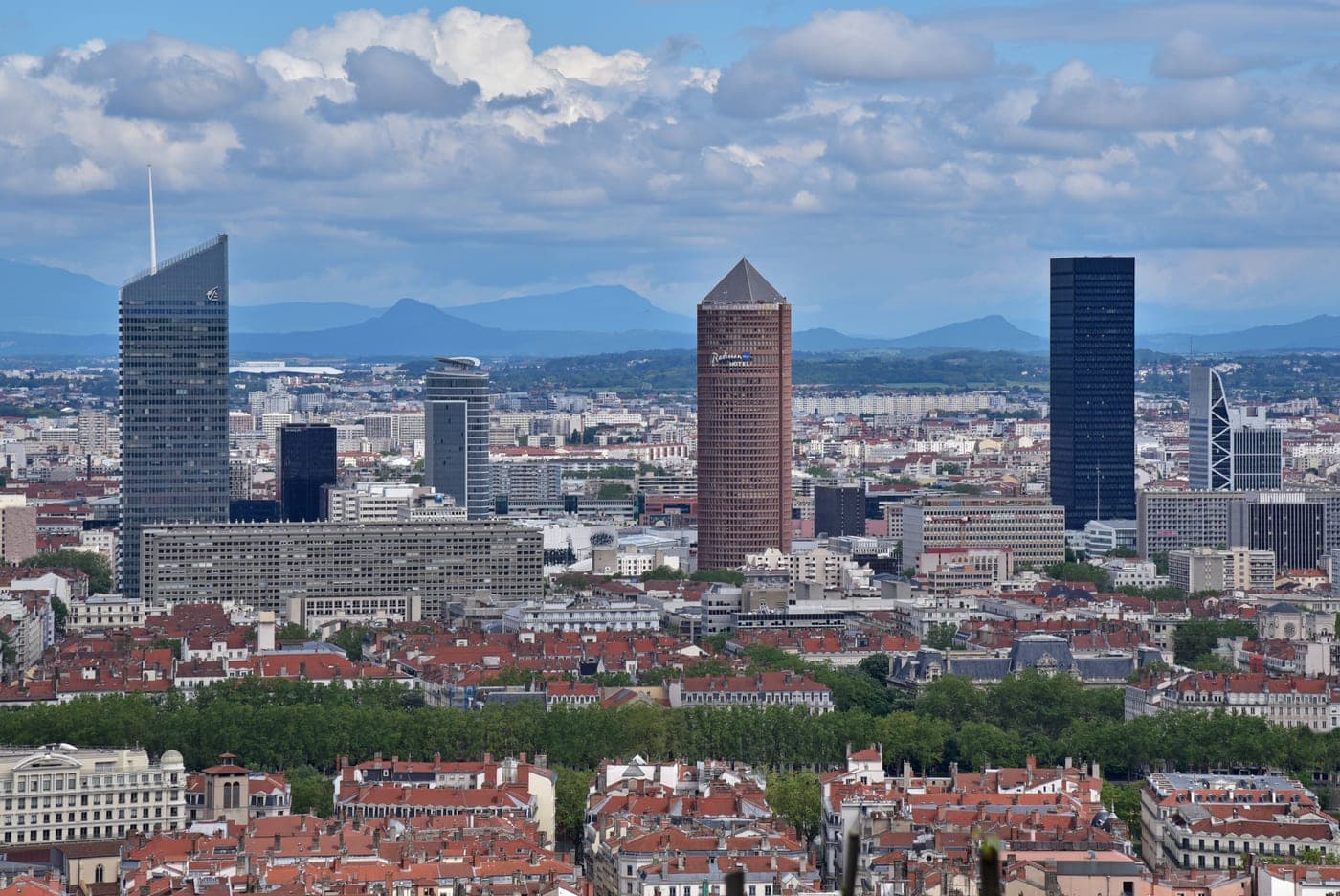
Gastronomic capital with Renaissance old town and two rivers.
Wine TastingCamper Van RentalsHiking
1 region
- Wine Tasting25 destinations
Auvergne-Rhône-Alpes
Nestled in the heart of France, this region is the second-largest, known for its diverse landscapes from the rugged mountains of the Alps to the volcanic terrain of the Massif Central. Lyon serves as a vibrant urban center, celebrated for its gastronomy and silk heritage. Off the beaten path, explore the historic villages of Le Puy-en-Velay, famed for its unique lentils and pilgrimage routes, or the picturesque landscapes of the Ardèche, with its stunning gorges. The region is also home to the picturesque vineyards of Beaujolais, producing renowned wines, and the stunning Lac d'Aiguebelette, one of the cleanest lakes in France. Seasonal festivals, like the Fête de la Gastronomie, showcase the local culinary delights, making this area rich in culture and history, ideal for a deep exploration of French traditions.
Wine TastingCamper Van RentalsHikingCastles