Brandade de morue
Salt cod whipped with olive oil and milk, Nîmes' classic pale paste
- Local name
- Brandade de morue
- Served with
- Toasted bread, green salad
- Best eaten at
- A Nîmes bistro
- Pairs with
- Costières de Nîmes white
What it is
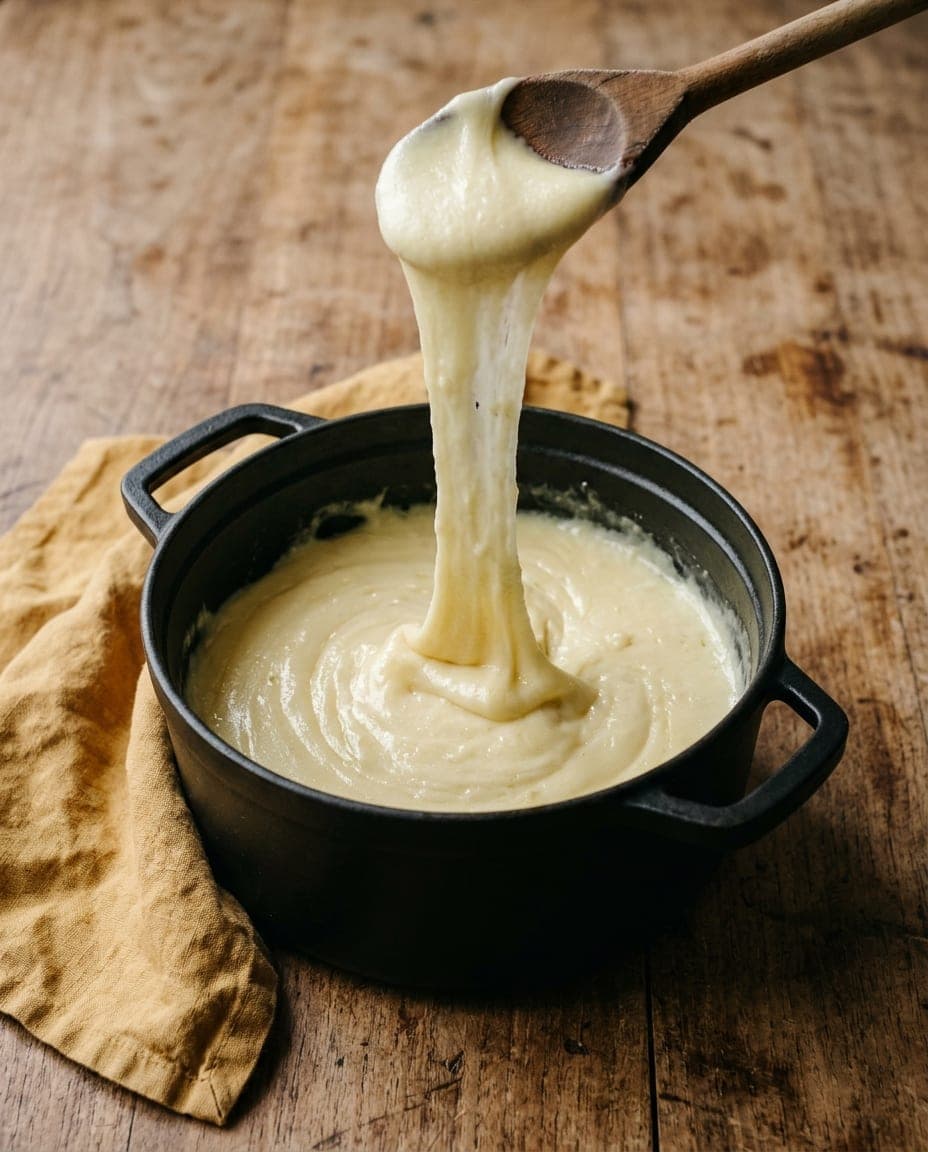
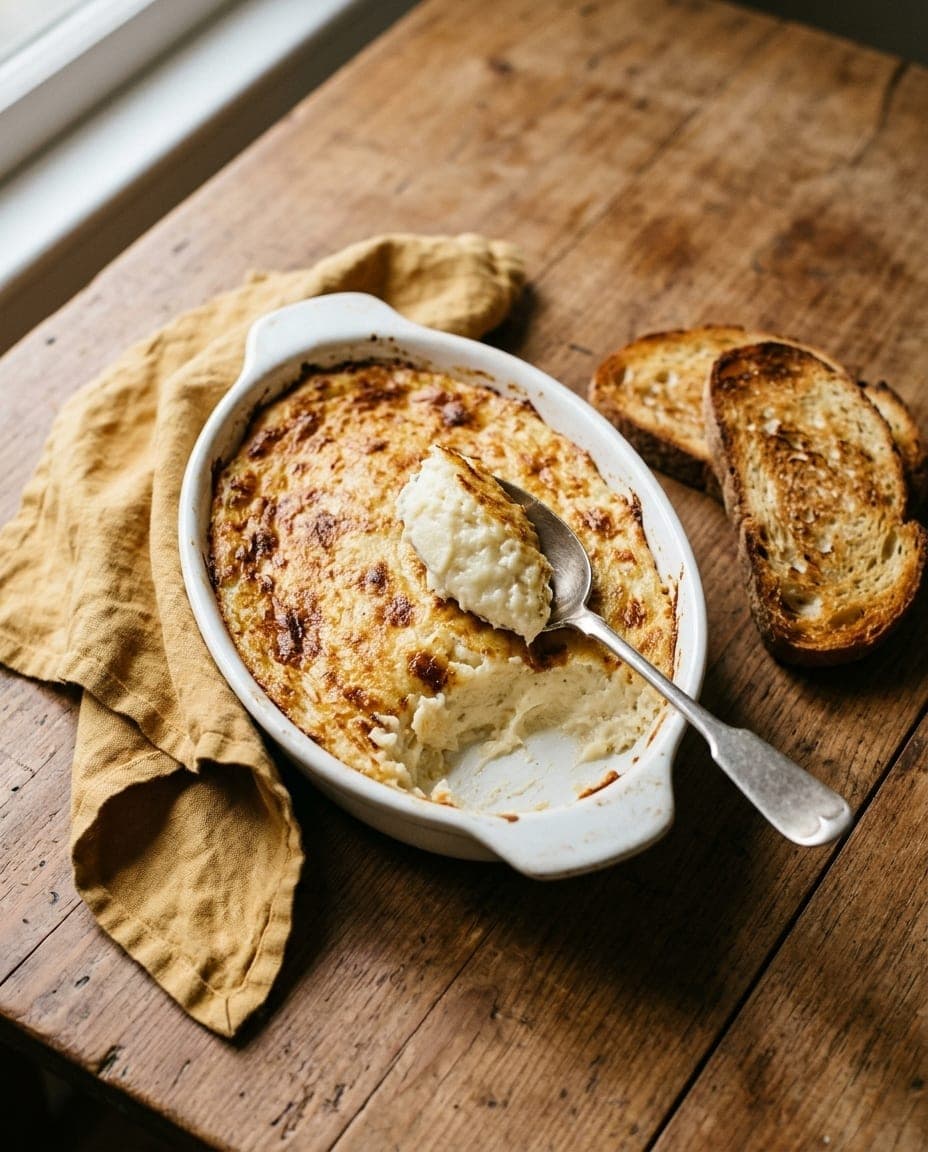
Brandade de morue is the signature dish of Nîmes in southern France, a city of the former Languedoc a short way inland from the Mediterranean coast. It is a thick, pale emulsion made from salt cod, olive oil, milk and a touch of garlic, beaten until it reaches the consistency of a rich mayonnaise or a soft butter. The texture is the defining feature: when done correctly, the mixture should be smooth enough to spread on a slice of toast without tearing it, yet firm enough to hold its shape when served in a dish.
This is not a soup, nor is it a stew with chunks of fish floating in broth. It is a concentrated paste that transforms a hard, preserved ingredient into something delicate and creamy. The dish is eaten across Occitanie and Provence, and similar preparations exist elsewhere in France and in Spain and Portugal, but Nîmes has the strongest historical claim to it, and its method, which excludes potato entirely, sets it apart as a local speciality.
The name comes from the Provençal word brandar, meaning to stir or shake, referring to the vigorous action required to work the fish and oil into an emulsion. In the past, this was done with a wooden pestle in a stone mortar; today, electric mixers achieve the same result, though the traditional hand-beaten version remains the benchmark for quality.
The history of salt and fish
The existence of brandade is rooted in the trade routes that connected the Atlantic coast to the Mediterranean. Salt cod, or morue in French, was a vital food source for centuries because it could be preserved without refrigeration. Fishermen from Brittany and the Basque Country caught cod in the cold waters of the North Atlantic, off Newfoundland, and preserved it with heavy salting.
To do so they needed salt, and that salt came from the salt marshes of the Camargue, shipped through Aigues-Mortes. Nîmes sat on this salt route, and salt cod arrived in exchange. The dish emerged as a way to make this tough, salty ingredient edible and palatable for everyday meals, turning a necessity of preservation into a culinary tradition. The first written mention of brandade dates from 1786, and in 1830 the Nîmes-based cook Charles Durand published a recipe in Le Cuisinier Durand that helped make it known nationally.
Over time, the preparation became refined. While the core ingredients remained simple, the technique evolved to create a texture that was light rather than heavy. The dish is bound up with the identity of Nîmes, where it is considered a staple of local gastronomy rather than a fleeting trend, appearing on menus in bistros and at family gatherings throughout the year.
How it is made
The authentic Nîmes version relies on a precise sequence of steps that turns the hard salt cod into a smooth paste. The process begins with desalting the fish, which requires soaking it in cold water for one or two days, with the water changed regularly to draw out the excess salt without losing the flavour. Once the cod is soft enough to flake by hand, it is poached gently until it becomes tender but does not fall apart into shreds.
After draining and removing any skin or bones, the fish is beaten vigorously with warm olive oil and warm milk added alternately. This method mimics the creation of mayonnaise, where the liquid is incorporated slowly to create an emulsion. The warmth of the oil and milk is crucial; if they are too cold, the mixture will not bind properly, and if they are too hot, the fish can break down into a grainy mass. The result is a creamy, pale paste that holds together when lifted on a spoon.
There is no potato in the authentic Nîmes version. The brandade parmentière with potato, which later became widespread, notably in Paris, to cut costs, is considered a variation rather than the true form.
How to eat it
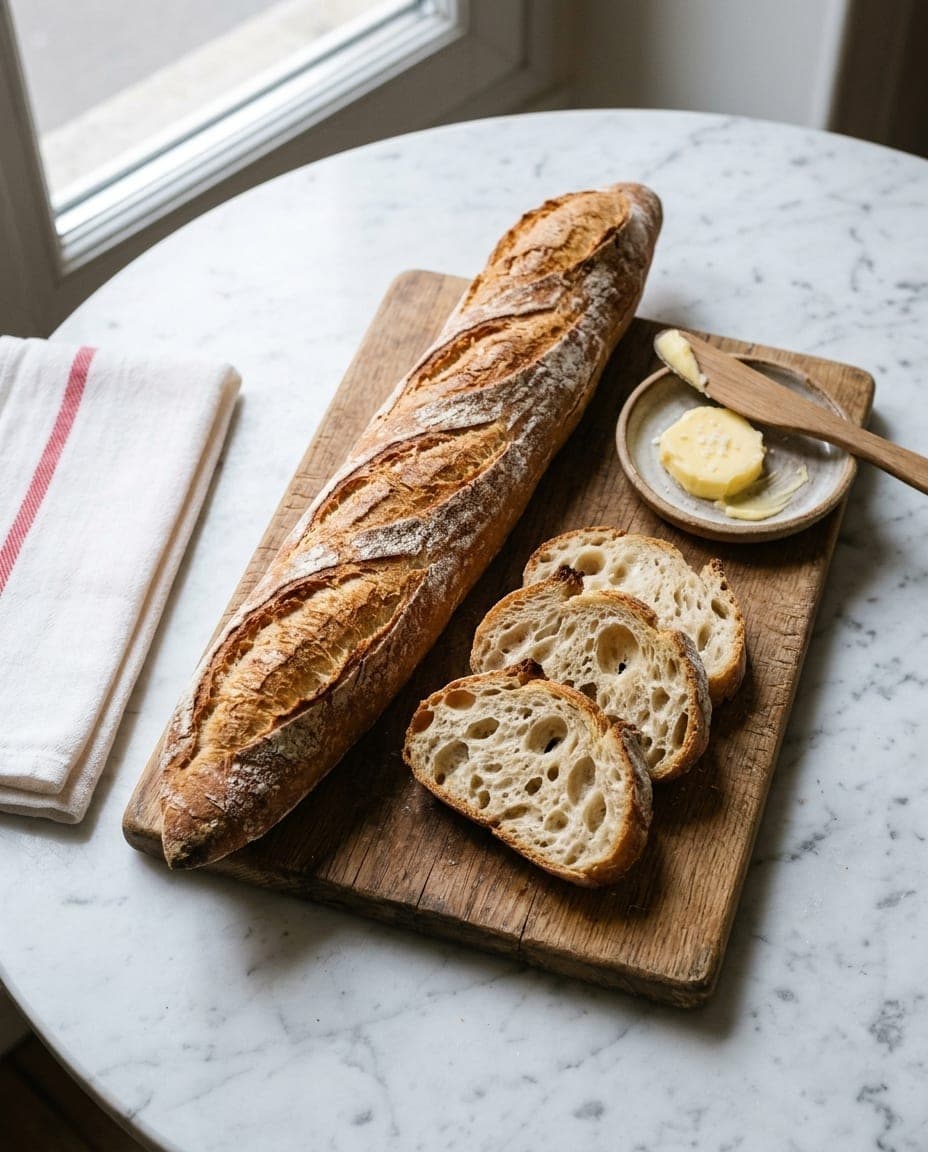
Brandade de morue is typically served warm, either as a spread or baked with a golden crust. When served as a spread, it is spooned onto slices of toasted bread, often rubbed with garlic. It is accompanied by a simple green salad dressed with vinegar and oil to cut the richness of the fish and oil. It also appears as a filling for bouchées à la reine at Sunday lunch.
In another common presentation, the brandade is placed in a small earthenware dish and baked in the oven until the top forms a light brown crust. This version is often eaten directly from the serving dish with a spoon or by scooping it up with pieces of bread.
A glass of Costières de Nîmes white wine is the traditional pairing. The crisp acidity of the local white wine balances the richness of the emulsion, while the subtle notes of the region's grapes complement the salty fish without overpowering it.
Curious facts
- No potato in Nîmes. The true version from Nîmes contains only cod, oil, milk and a little garlic, unlike the later parmentière variations that add potatoes for bulk.
- A salt-for-cod trade. Salt cod reached Nîmes because Atlantic fishermen needed salt from the Camargue marshes to preserve their catch.
- The stirring matters. The name brandade comes from the Provençal verb brandar, to stir or shake, describing the vigorous action needed to create the emulsion.
- Served warm. Brandade is traditionally served warm to allow the oil and milk to meld into a smooth texture.
Where to try it
The best place to eat brandade de morue is in a Nîmes bistro or at the city's covered market, Les Halles, where the tradition is kept alive by local cooks and makers. Restaurants serve the dish as a starter or a main course, often accompanied by a simple salad and a slice of toasted bread.
The experience is simple: warm emulsion, crisp bread and a glass of local white wine, served with no fuss.
Where to try it
1 destination
 Wine Tasting
Sernhac
Gard village near Pont du Gard with Côtes du Rhône wine estates.
Wine TastingHiking
1 region
 Wine Tasting56 destinations
Occitanie
This region is the largest in France and boasts a diverse landscape, including the picturesque Pyrenees mountains and a stunning Mediterranean coastline. Historic cities like Toulouse, known for its pink terracotta buildings, and Montpellier, with its vibrant student life, offer rich cultural experiences. The region is also famous for its wine production, particularly in areas like Languedoc, where unique varietals thrive. Beyond the cities, explore the medieval charm of Carcassonne, a fortified town with a remarkable castle. Occitanie hosts vibrant local festivals celebrating its heritage, and its traditional cuisine features dishes like cassoulet and regional cheeses. With beautiful hiking trails and quaint villages, this region invites leisurely exploration.
Wine TastingHikingCastlesLocal Cuisine