Boles de picolat
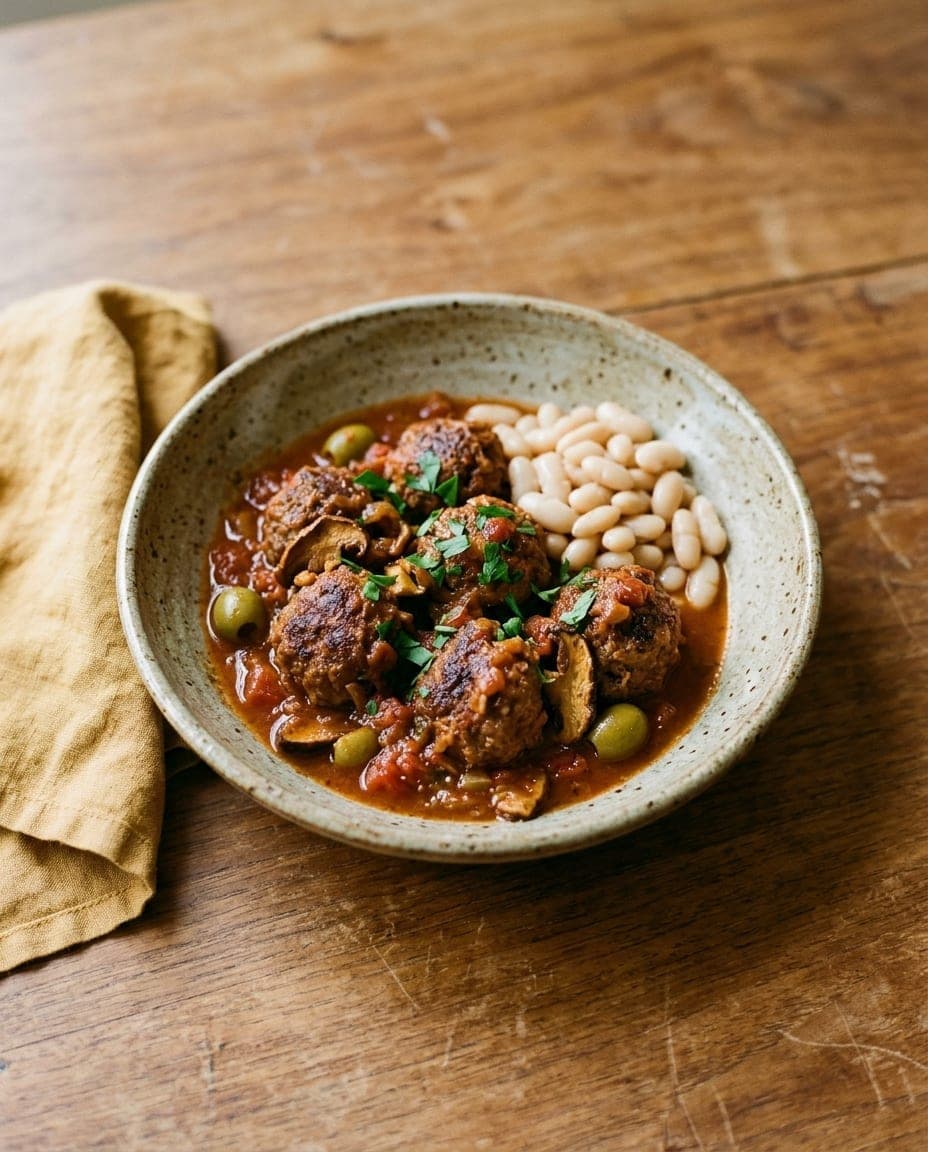
Catalan meatballs in tomato sauce with green olives and white beans from Roussillon
- Local name
- Boles de picolat
- Served with
- White beans
- Best eaten at
- A family table in Roussillon
- Pairs with
- Collioure red
What it is
Boles de picolat are a staple of Roussillon, the French side of Catalonia that sits at the foot of the Pyrenees mountains. The name means "balls of minced meat": boles are balls, and picolat comes from the Catalan for minced or chopped meat. They are small, firm balls of minced pork and beef, browned in oil and then simmered slowly in a tomato sauce until tender.
What sets this dish apart from a standard bolognese or generic meatball stew is the specific combination of ingredients that defines the Roussillon version. Green olives are essential, often added alongside cèpes, also known as boletus mushrooms. These two elements give the sauce its distinctive character: the saltiness and brine of the olives cut through the acidity of the tomatoes, while the mushrooms provide a deep, earthy note that ties the dish to the forest floors of the region.
This is not a dish found on every menu in France, nor is it a national icon. It is a regional speciality, rooted firmly in the Roussillon area of Occitanie. The dish belongs to the Catalan culinary tradition that straddles the Pyrenees mountains, sharing DNA with similar preparations on the Spanish side but maintaining its own identity in France.
Where it comes from
The origins of boles de picolat lie in the everyday cooking of rural Roussillon rather than in the kitchens of grand hotels or royal courts. It is a dish of home cooking, traditionally prepared by families for Sunday lunches or festive gatherings, and it became a family favourite across the countryside during the 20th century.
Roussillon has always been a crossroads. Its geography connects the Mediterranean coast with the high mountains and the interior of Spain. This history has influenced the local larder, which relies on ingredients that travel well or grow locally: tomatoes, olives, mushrooms, and cured meats. The dish is a reflection of this landscape, using the abundance of the coastal plain and the foraged treasures of the foothills.
In the city of Perpignan, the prefecture of the Pyrénées-Orientales department, the tradition remains strong. Variations exist from village to village and from one restaurant to the next, but the core of meatballs, tomato and olives stays the same. It is a dish that respects the local Catalan language and customs, serving as a culinary link between the French state and the broader Catalan cultural sphere.
What goes into it
The composition of boles de picolat is straightforward, relying on quality ingredients rather than complex techniques. The meatballs themselves are made from a mixture of minced pork and beef, seasoned with garlic and fresh parsley, often bound with egg or soaked bread, before being formed into small balls. They are floured and fried until they develop a golden crust, which helps them hold their shape during the long stewing process.
The sauce is the heart of the dish. A base of ripe tomatoes provides the liquid, but it is the addition of green olives and cèpes that transforms it into a specific regional speciality. The olives are usually whole or slightly crushed, allowing their brine to infuse the tomato broth. Dried mushrooms must be rehydrated before being added; they release a concentrated flavour that permeates the sauce and the meatballs alike.
Traditionally, the dish is served with white beans. These beans absorb the deeply savoury juices of the sauce, becoming soft and flavoured in their own right. Some households serve it with potatoes, chickpeas or simply with crusty bread to mop up the remaining tomato sauce. The combination creates a meal that is substantial enough to satisfy a hungry family after a day of work but remains rooted in the simplicity of local produce.
How it is eaten
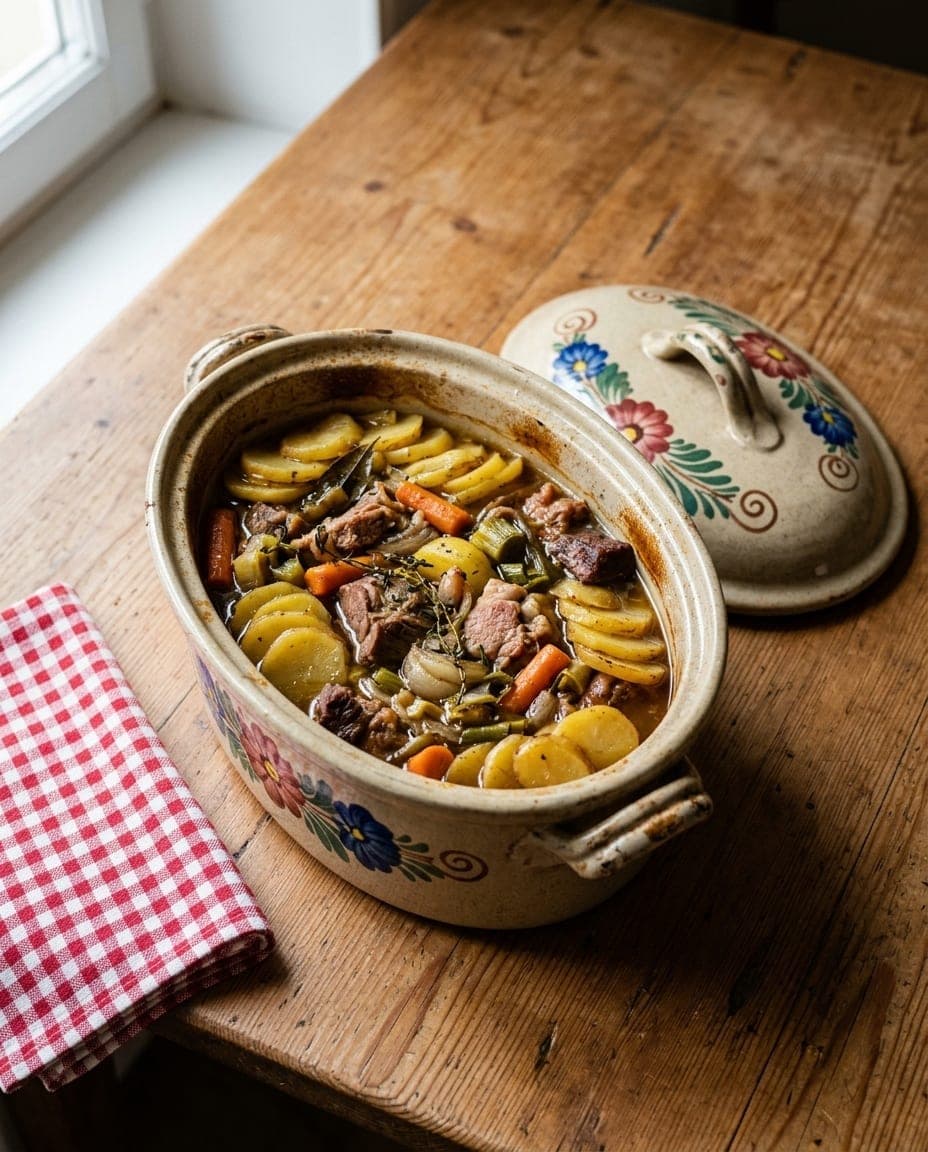
Boles de picolat is typically served as a main course, often at lunchtime when the sun is high and the appetite is strong. It arrives in a deep dish or a shallow casserole, with the meatballs set among the beans and coated in the thick, red tomato sauce. The green olives are scattered throughout, offering bursts of salt that contrast with the sweetness of the tomatoes and the earthiness of the mushrooms.
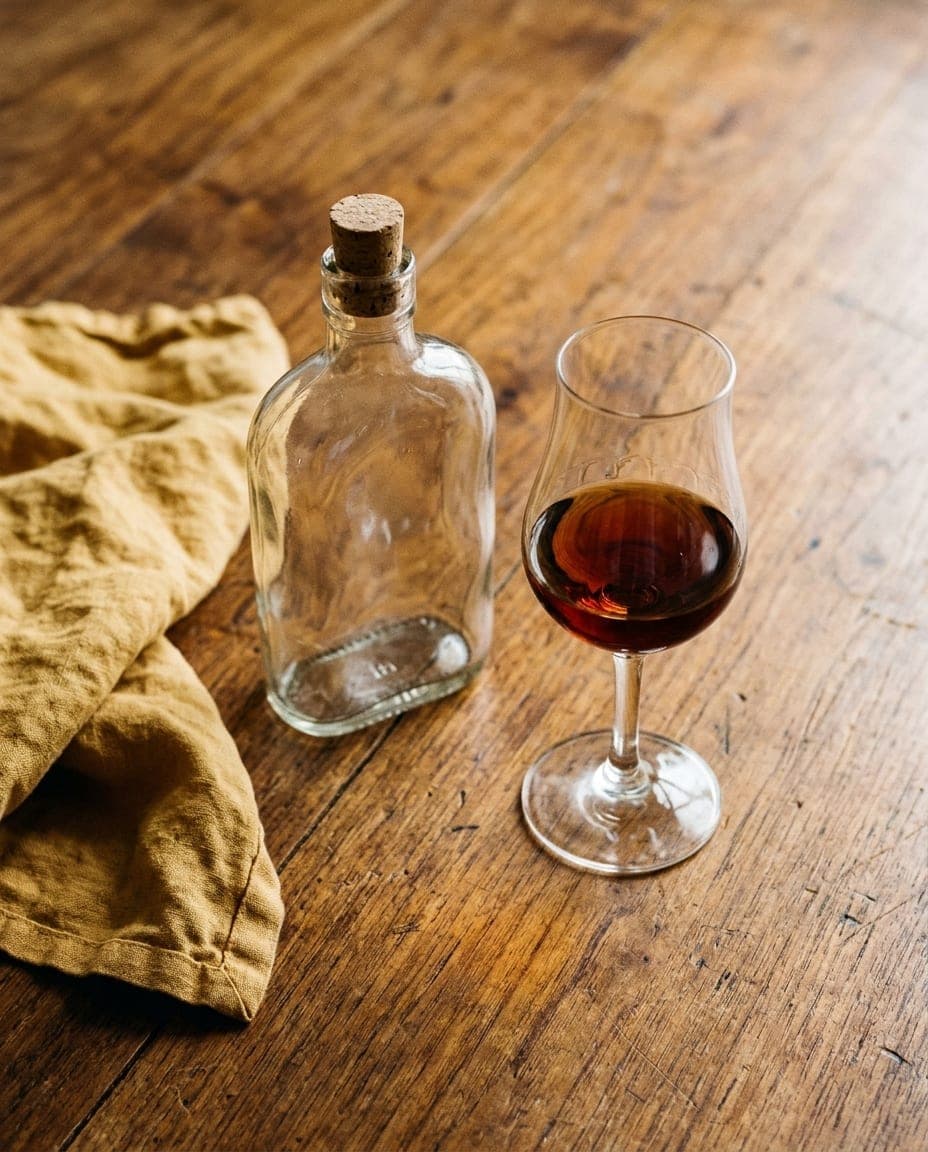
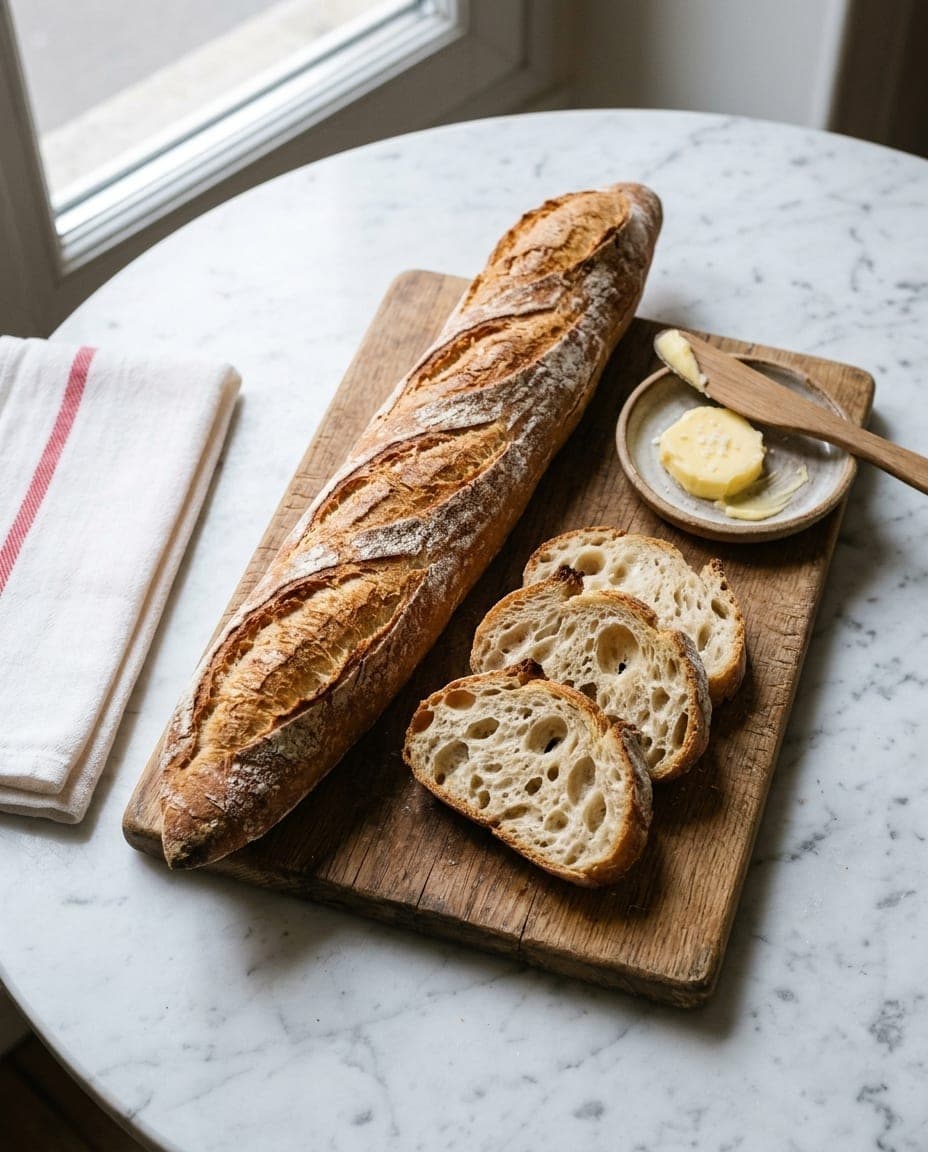
The most traditional way to eat it is with white beans, which can be served separately or cooked directly in the sauce. A slice of rustic bread is essential for finishing the meal, as the tomato juice is too good to waste. A glass of Collioure red is a natural local match: the bold, fruity notes of this wine from the nearby coast complement the fat of the meat and the acidity of the tomatoes without overpowering them.
Curious facts
- A Catalan identity. While France has many regional dishes, boles de picolat remains a marker of the specific Catalan culture in Roussillon, distinct from the cooking of neighbouring Languedoc.
- The name is the recipe. Picolat simply means minced meat in Catalan, the base of the whole dish.
- The mushroom factor. Cèpes give the sauce a deep, forest-like aroma; where they are unavailable, cooks use other mushrooms.
- Home cooking roots. The dish is rarely the star of a restaurant menu in Paris or Lyon. It is most authentically found in family-run restaurants or private homes in Roussillon.
- A shared border. Similar meatball stews exist on the Spanish side of the Pyrenees, reflecting the shared culinary history of the Catalan people across the mountain range.
Where to try it
1 destination
 Wine Tasting
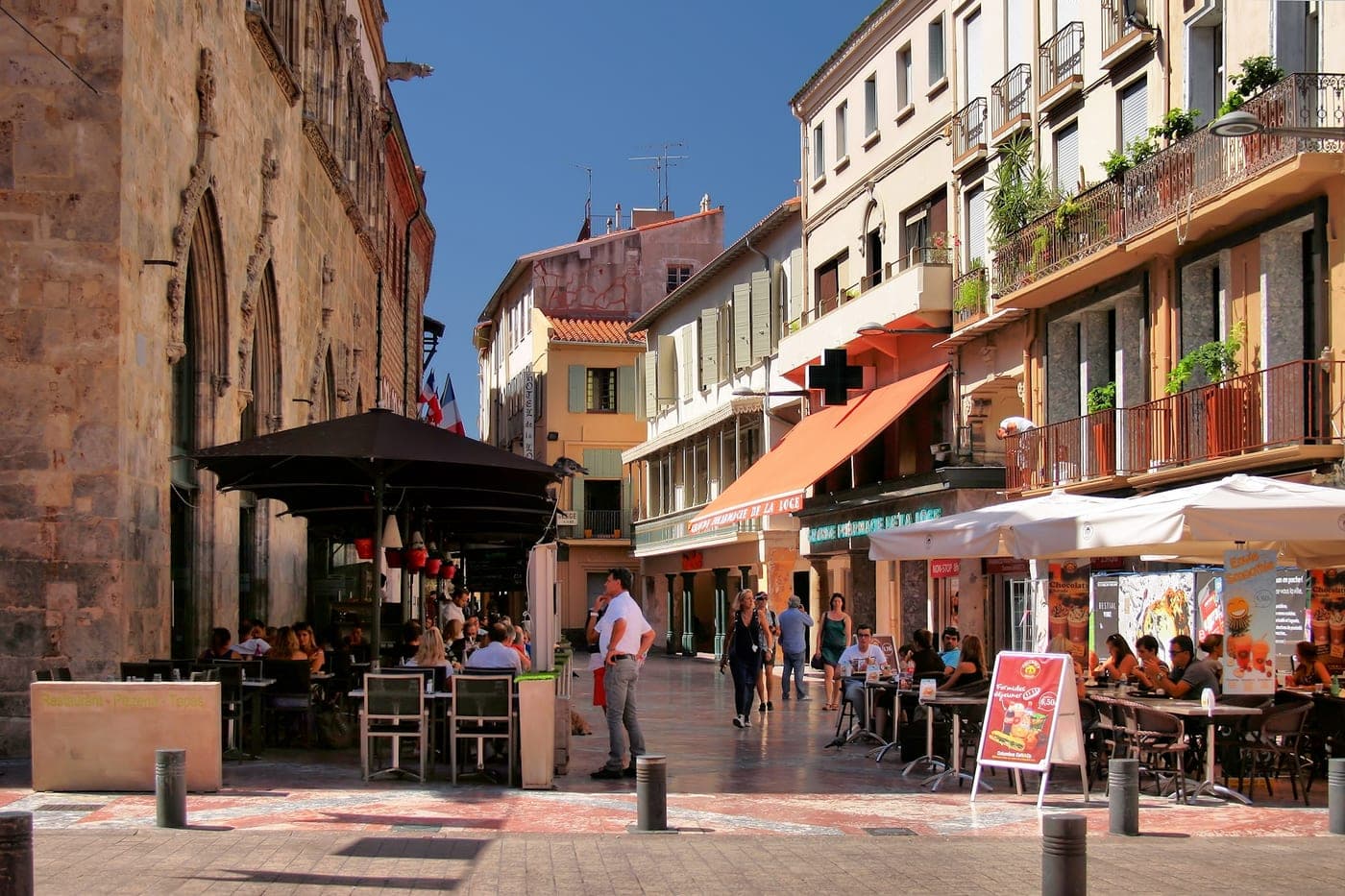
Perpignan
Catalan capital surrounded by Roussillon wine regions with vibrant culture.
Wine TastingHiking