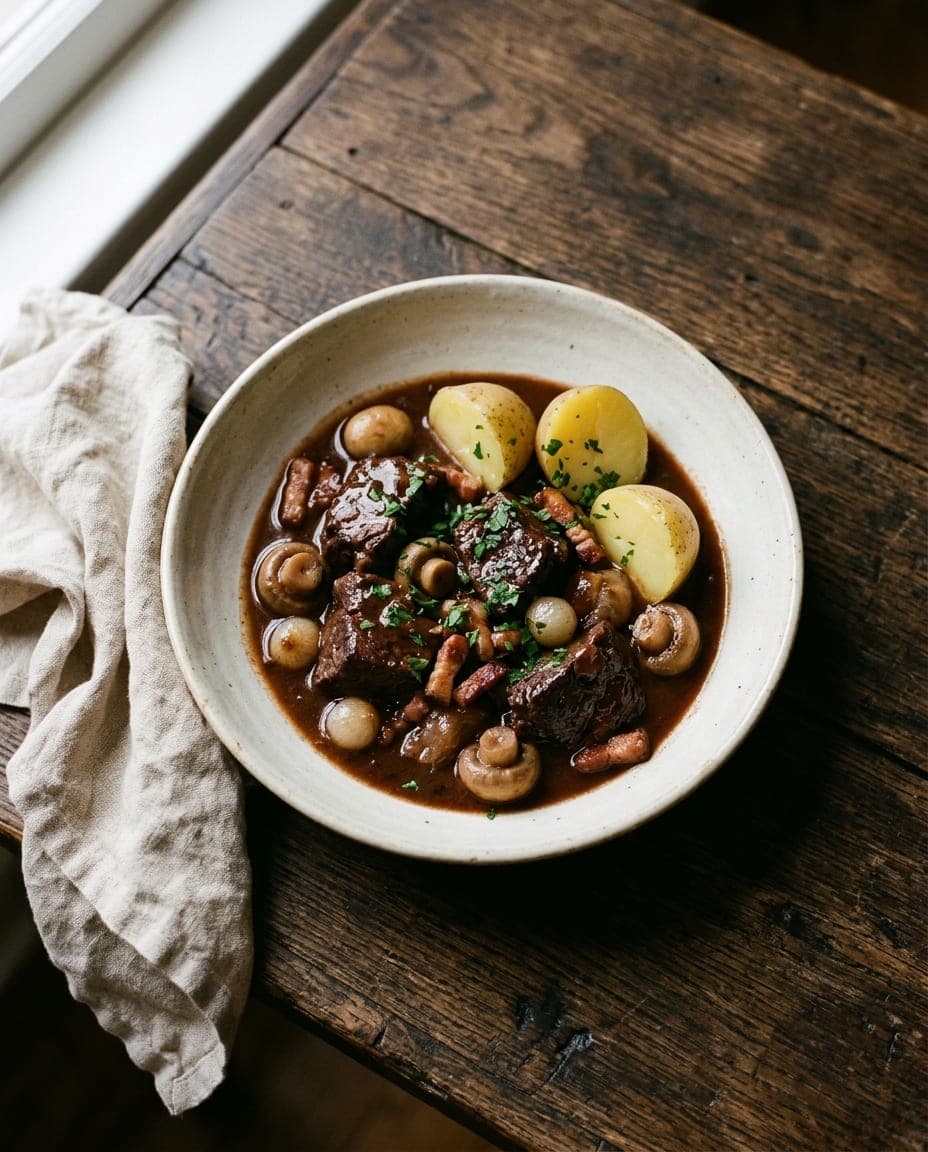
Bœuf bourguignon
Beef braised in red Burgundy with mushrooms, lardons and onions
- Local name
- Bœuf bourguignon
- Served with
- Boiled potatoes or fresh pasta
- Best eaten at
- A Burgundian bistro
- Pairs with
- Red Burgundy (Pinot Noir)
What it is
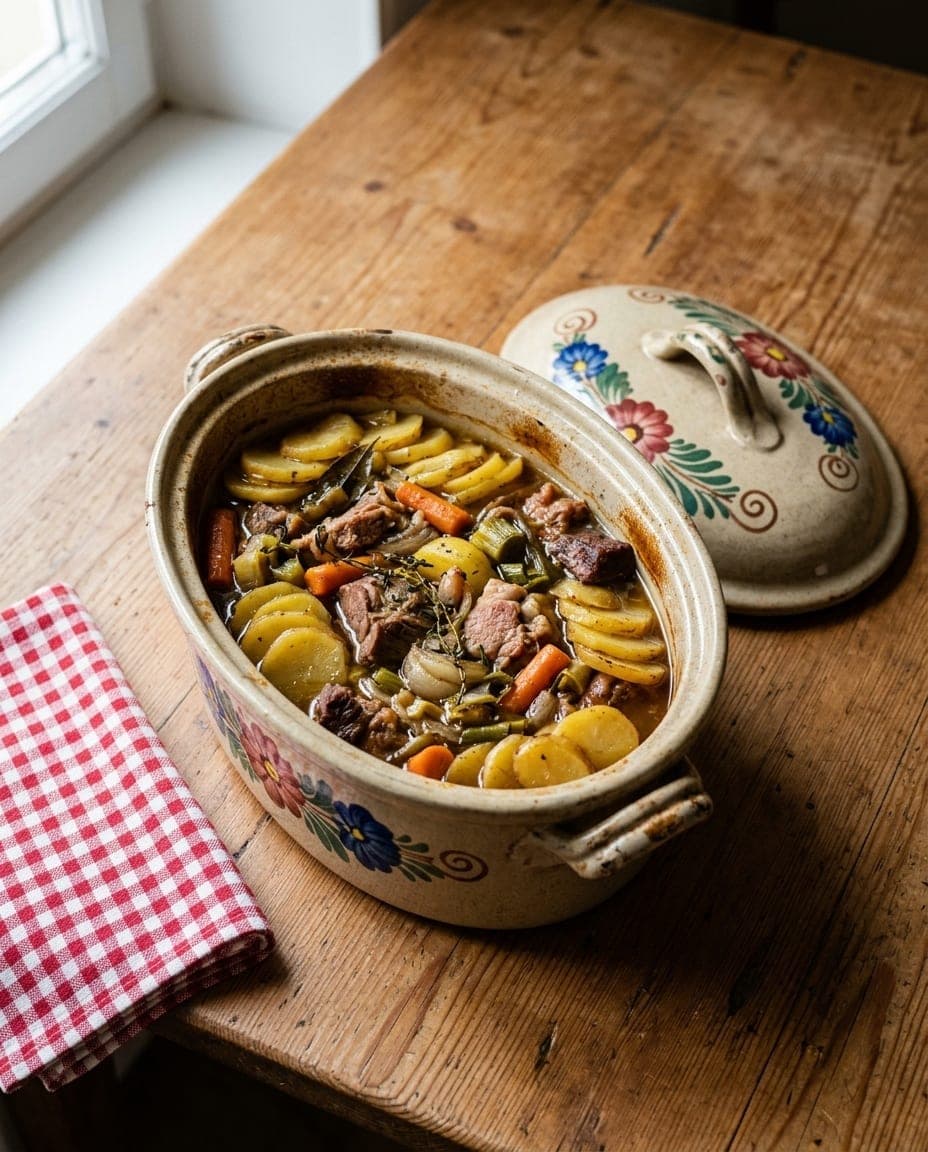
Bœuf bourguignon is the best-known dish of Burgundy, a deep red stew that transforms humble cuts of beef into something substantial enough for any table. It consists of beef shin, chuck or cheek, pieces chosen not for their tenderness but for their ability to hold together during a long, slow braise in red Burgundy wine. The result is meat that falls apart with a fork, coated in a thick, dark sauce enriched by the wine and stock.
While it now appears on menus from New York to Tokyo, its roots are usually traced to the farming communities of Burgundy, where braising was a way to make tough cuts from old dairy cows or retired draught animals edible and satisfying. Over time, the dish migrated from the farmhouse kitchen to the bourgeois dining room, evolving into one of France's most celebrated culinary exports. The version served today is distinguished by a specific finishing step: the addition of a garniture bourguignonne, a trio of ingredients—mushrooms, small onions and lardons—cooked separately before being folded into the main pot.
How the dish evolved from peasant food to classic
Braising beef in wine is far from unique to Burgundy, and early recipes often went under names such as estouffade or simply ragoût. Pierre Larousse's dictionary of 1867 used "bourguignon" for things cooked in wine, with beef as its example, and the first printed recipes appeared in the 1880s and 1890s. Many of these early versions braised a whole joint rather than cubes. The wine used in the countryside was likely a modest local red rather than a prestigious appellation.
Auguste Escoffier's Le Guide culinaire (1903) is often credited with fixing the canonical version: beef browned first, then braised slowly in wine and stock, and finished with the garniture bourguignonne. This separate cooking of the mushrooms, onions and bacon allows each element to retain its distinct texture and flavour, preventing them from turning into a mushy mass within the sauce.
Its status as a regional emblem is more recent than its fame suggests. Writers in the early 20th century noted that, despite the name, it was not considered a regional speciality, and it only became a point of local pride in Burgundy during the 20th century, served today in the bistrots of Dijon and Beaune as well as village restaurants.
What goes into it
The ingredients are few, but each plays a vital role in the final balance of flavours. The base is always beef, specifically cuts with connective tissue such as shin, chuck or cheek. These are cut into large cubes and browned to develop colour before being submerged in liquid.
The cooking liquid is red Burgundy wine, made from the Pinot Noir grape. A Burgundian cook will usually insist on using a wine worth drinking, such as an entry-level Burgundy; very tannic or alcoholic wines tend to unbalance the sauce. Stock is added to ensure there is enough liquid to cover the beef throughout the long cooking process, along with aromatics such as onions, carrots, garlic, bay leaves and thyme.
The defining moment arrives at the end with the garniture bourguignonne. This consists of three components prepared separately:
- Button mushrooms, which are sautéed in butter until golden brown.
- Small pearl onions, glazed in a little sugar and butter to give them a sweet, caramelised edge.
- Lardons, strips of smoked or salted pork belly, fried until crisp but not burnt.
These three elements are stirred into the stew just before serving, ensuring they do not lose their individual character to the long braise.
How it is eaten
Bœuf bourguignon is a dish that demands patience, both in its preparation and in its consumption. It is traditionally served as a main course, often at lunch or on a Sunday when there is time for a leisurely meal. The stew is brought to the table in a deep bowl or a shallow earthenware dish, the sauce coating the meat and pooling around the edges.
It is usually accompanied by boiled potatoes, which absorb the rich sauce, or fresh pasta such as tagliatelle. Bread is also common, used to mop up the remaining liquid from the plate. The beef should be tender enough to cut with a spoon, and the sauce should be glossy and dark, not greasy or thin.
A glass of red Burgundy is the natural companion to the dish. Some locals suggest that the dish tastes even better the next day, after the flavours have had time to meld.
The cooking method
The beef must be browned thoroughly before adding the liquid, as this step creates the Maillard reaction that gives the sauce its deep colour and complex flavour. Once the meat is in the pot, it requires a long, slow braise, either in an oven or on the stovetop over low heat. The temperature must remain gentle to prevent the meat from becoming stringy or the sauce from reducing too quickly. Some cooks also marinate the beef in the wine overnight, a step others reject.
Curious facts
- Not unique to Burgundy. Braising meat in wine or beer is common to many regions, from Provençal daube to Flemish carbonade.
- A cold-weather dish. Although now available year-round, it is above all associated with the colder months.
- The garniture separates. The practice of cooking mushrooms, onions and lardons separately distinguishes the classic restaurant style codified by Escoffier from looser home versions.
- A shared sauce. The same wine sauce and garnish appear in œufs en meurette, Burgundy's poached eggs in red wine.
Where to try it
To experience the dish in its home setting, one should head to the heart of Burgundy. The region offers countless options, from the bistros of Dijon and Beaune to quiet village restaurants. In these places, the recipe remains a point of pride, and variations are subtle rather than radical.
A traditional bistrot in a Burgundian town will serve the dish with the full garniture, respecting the separation of ingredients that defines the classic version.
Where to try it
1 destination
 Wine Tasting
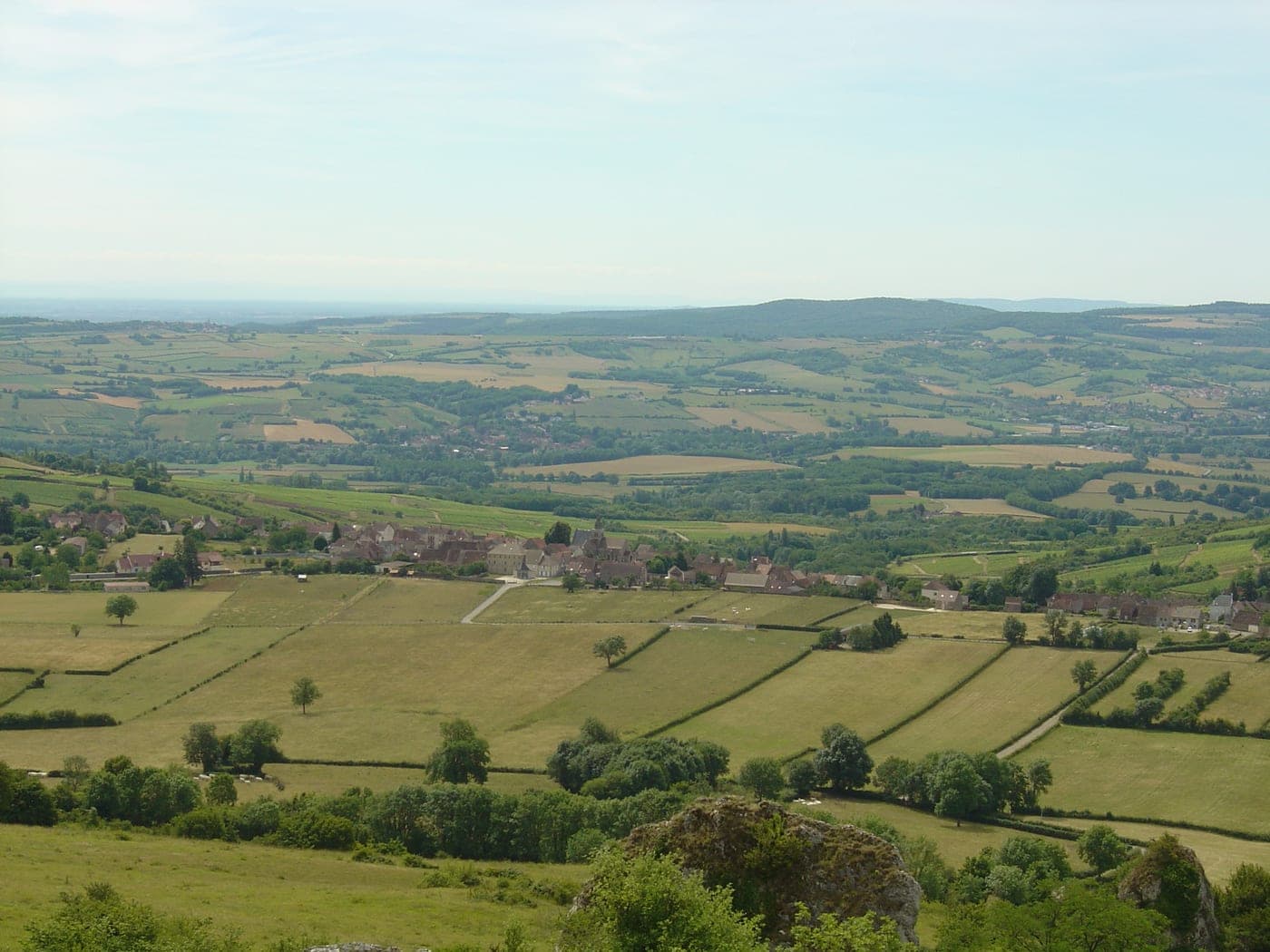
Saint-Sernin-du-Plain
Burgundy wine village in Côte Chalonnaise producing Bourgogne wines.
Wine TastingHiking
1 region
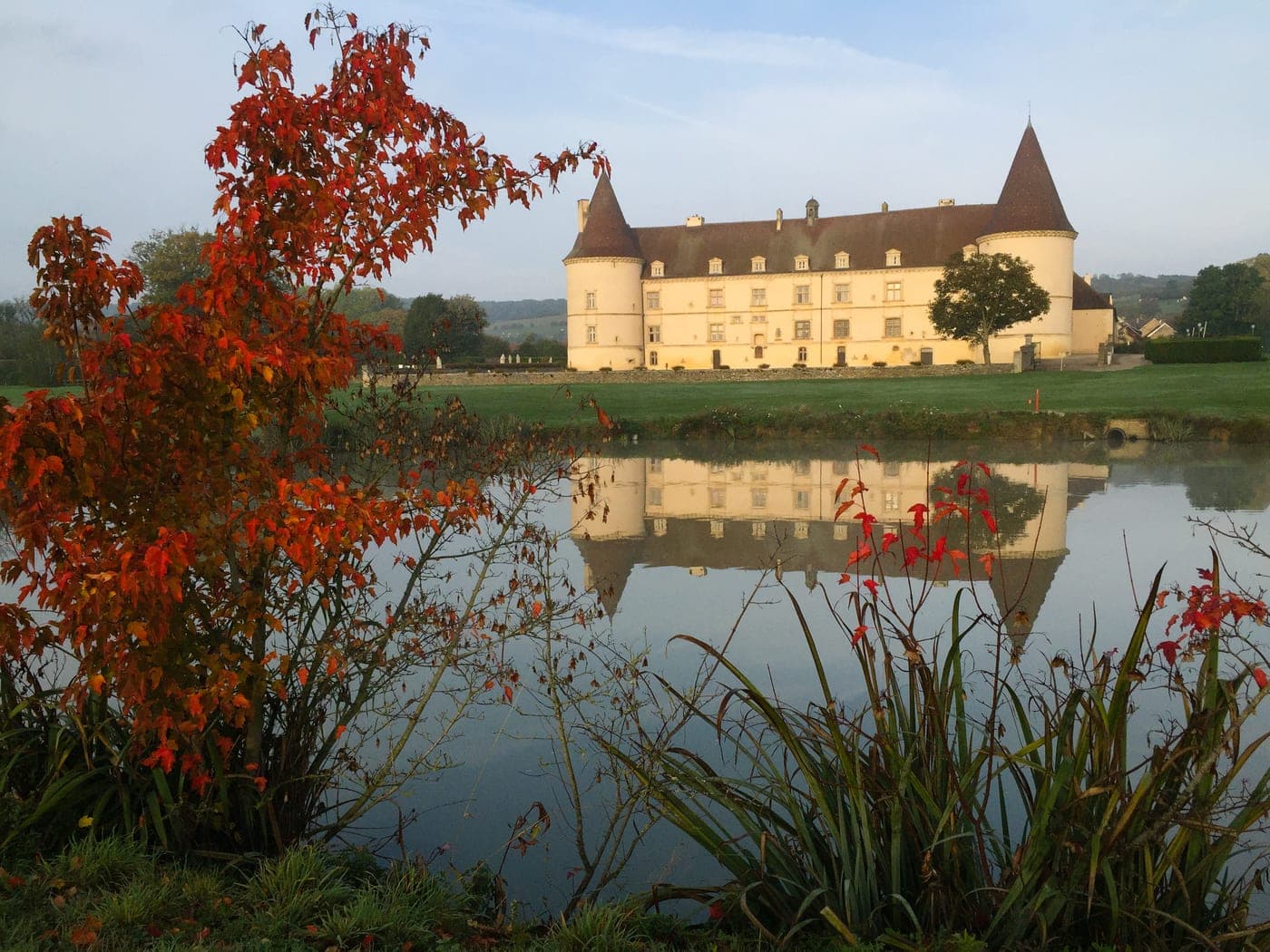 Castles5 destinations
Bourgogne-Franche-Comté
Bourgogne-Franche-Comté is France's largest region, rich in history and culture. It's renowned for its exceptional wines, particularly those from the Burgundy area, which produce some of the world's finest Pinot Noir and Chardonnay. The region features historic cities like Dijon, known for its mustard and vibrant markets, and Besançon, famous for its citadel and watchmaking heritage. Natural landscapes include the Jura mountains and the picturesque Doubs River, perfect for hiking and cycling. The region is dotted with charming villages such as Arbois and Nans-sous-Sainte-Anne, offering a taste of local crafts and cuisine. Festivals celebrating wine and regional traditions add to its cultural depth, attracting those looking to experience France beyond the usual tourist paths.
CastlesWine TastingHiking