Bleu de Gex
Mild blue cheese from the Haut-Jura, imprinted with its name
- Local name
- Bleu de Gex Haut-Jura / Bleu de Septmoncel
- Served with
- Bread
- Best eaten at
- A Jura fromagerie
- Pairs with
- Chardonnay or Cerdon du Bugey
What it is
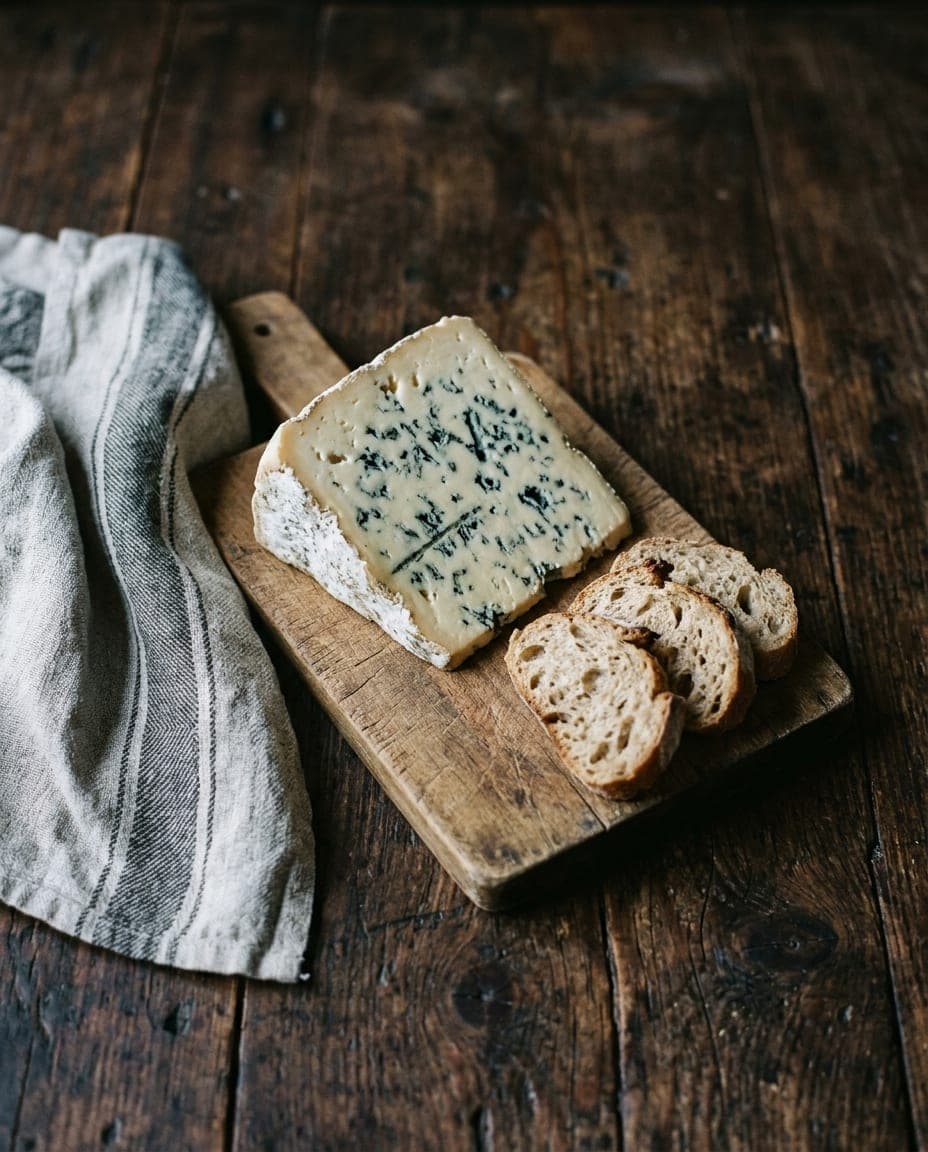
Bleu de Gex is a blue cow's milk cheese from the Haut-Jura, made in mountain communes of the Jura and Ain departments on the French side of the range; the Pays de Gex itself lies in Ain. Its protected names are Bleu de Gex Haut-Jura and Bleu de Septmoncel, after a village of the Jura. Unlike the sharp, intense blues found further south in France, this cheese is defined by its gentleness. The veining is fine and pale blue-green rather than dark and dense, creating a texture that is creamy yet firm. The taste is mild, with a slight mushroom note that is characteristic of the variety.
The physical form of the cheese is distinct. It is an uncooked, unpressed cheese shaped into a large, flat wheel of 6 to 9 kg. During making, the word Gex is pressed into the rind, serving as a permanent mark of its origin. This visual cue helps distinguish it from other regional cheeses that may share similar production methods but lack this specific identity.
The history of the Jura blue
The origins of Bleu de Gex are usually linked to the monastic traditions of the region. According to traditional accounts, the cheese was first made by the monks of the abbey of Saint-Claude. This long history lends it a quiet authority on the local table.
The exact timeline of its development is not recorded in detail, but the cheese has long been a regional speciality rather than a nationwide product, remaining closely tied to the Haut-Jura. It gained an AOC in 1977 and was registered as an EU protected designation of origin in 1996. It is made from the raw milk of Montbéliarde or French Simmental cows, breeds well suited to the high-altitude pastures of the region. Production is small: four dairies make a little over 520 tonnes a year.
What goes into it
The composition of Bleu de Gex relies on a few key elements that define its character. The base is the raw milk of Montbéliarde or French Simmental cows fed on grass and hay, with no silage allowed. The milk is not pasteurised, which preserves the natural microbes essential for the traditional flavour; it is warmed to no more than 30°C before rennet is added.
The curd is cut into pea-sized grains, stirred, moulded by hand and salted. The blue mould develops into fine, pale veins that run through the paste. The wheels then ripen for at least three weeks on spruce boards, and the thin, dry rind protects the interior while allowing the cheese to breathe and develop its subtle notes over time.
How it is eaten
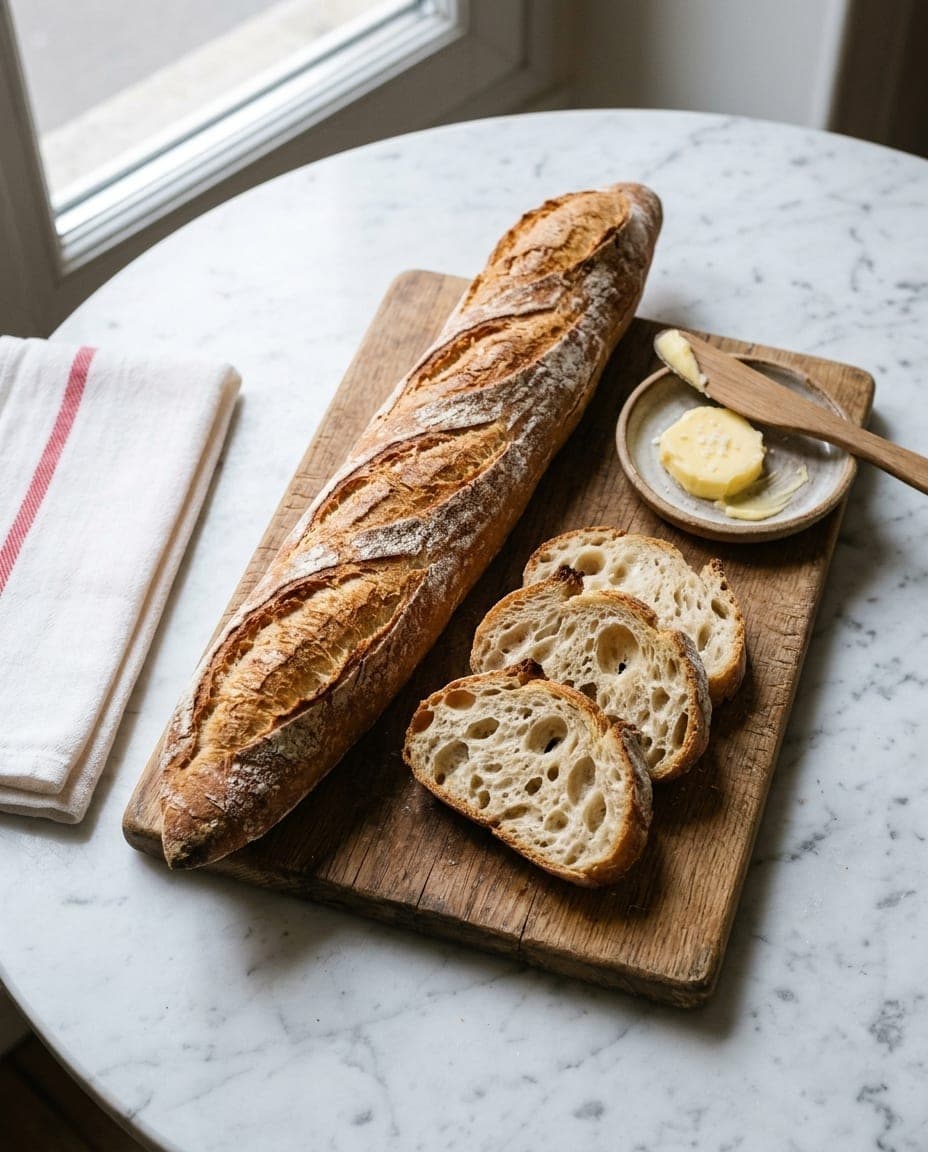
Bleu de Gex is versatile in how it is consumed, though it is rarely served as a standalone starter. It is most commonly enjoyed alongside bread, where the mild saltiness of the cheese complements the grain without overwhelming it. The texture also makes it a good candidate for melting into local dishes.
When served as part of a cheese board, it pairs well with a Chardonnay or a Cerdon from the neighbouring Bugey.
Curious facts
- The imprint on the rind. The word Gex is pressed into the cheese during production, serving as a permanent label of its origin rather than a temporary sticker or painted mark.
- Monastic roots. Traditional accounts link the creation of the cheese to the monks of the abbey of Saint-Claude.
- Two breeds only. The raw milk comes exclusively from Montbéliarde or French Simmental cows, raised on the high-altitude pastures of the Haut-Jura.
- Mild character. The blue veining is fine and pale, resulting in a gentle flavour that lacks the sharp intensity found in other French blues like Roquefort.
- Not vegetarian. It is made with animal rennet.
Where to try it
The best place to taste Bleu de Gex is at a Jura fromagerie, where the cheese is sourced directly from the handful of local dairies. These shops provide an authentic experience of the product in its intended environment, and the villages of the Haut-Jura plateau offer a chance to see the cheese in its place of origin.
The regional speciality is made in small quantities, so finding it outside the Haut-Jura can be difficult.
Where to try it
1 destination
 Wine Tasting
Pougny
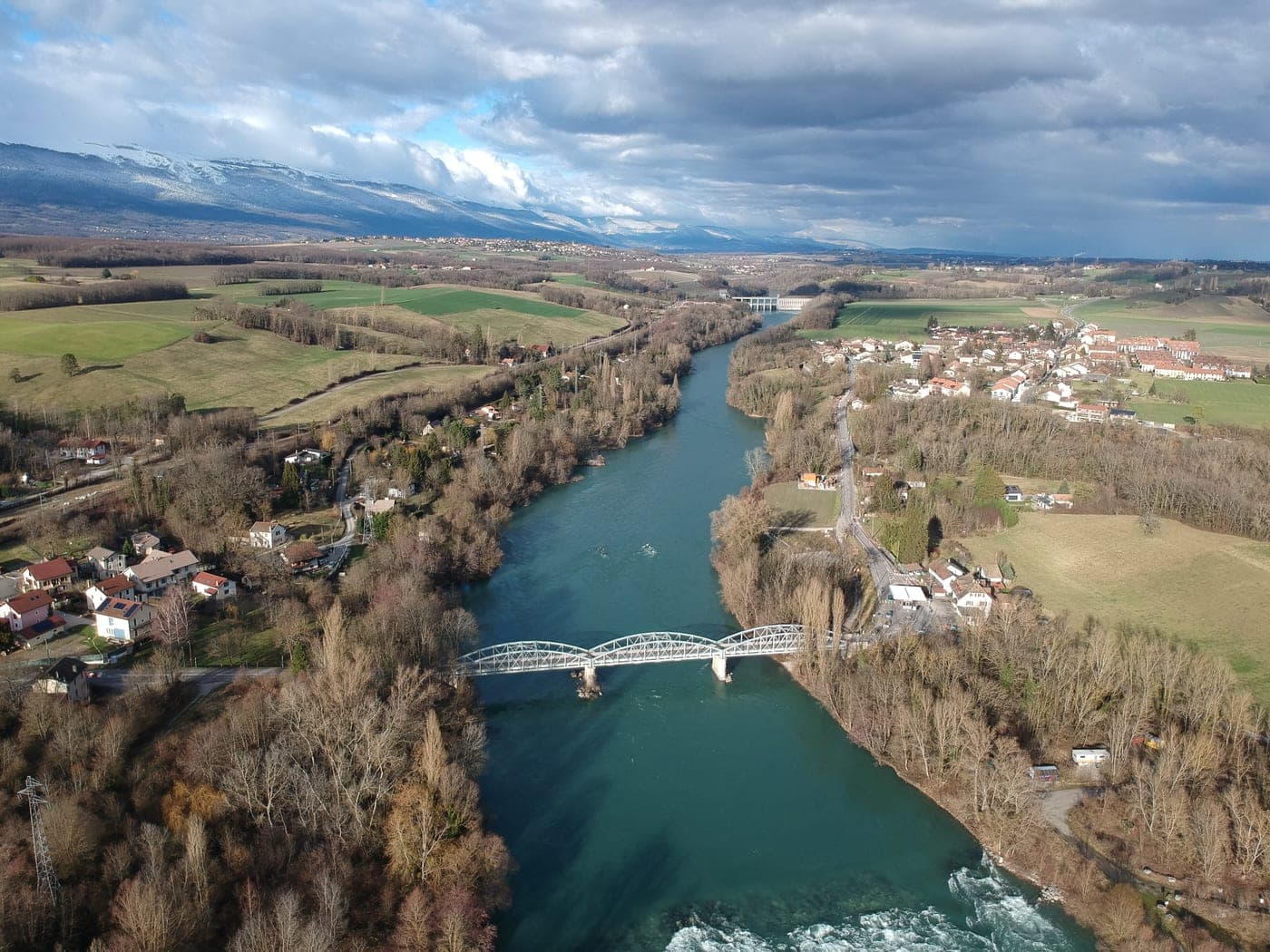
Small wine village near Geneva with local production in alpine foothills.
Wine TastingHiking
2 regions
 Wine Tasting25 destinations
Auvergne-Rhône-Alpes
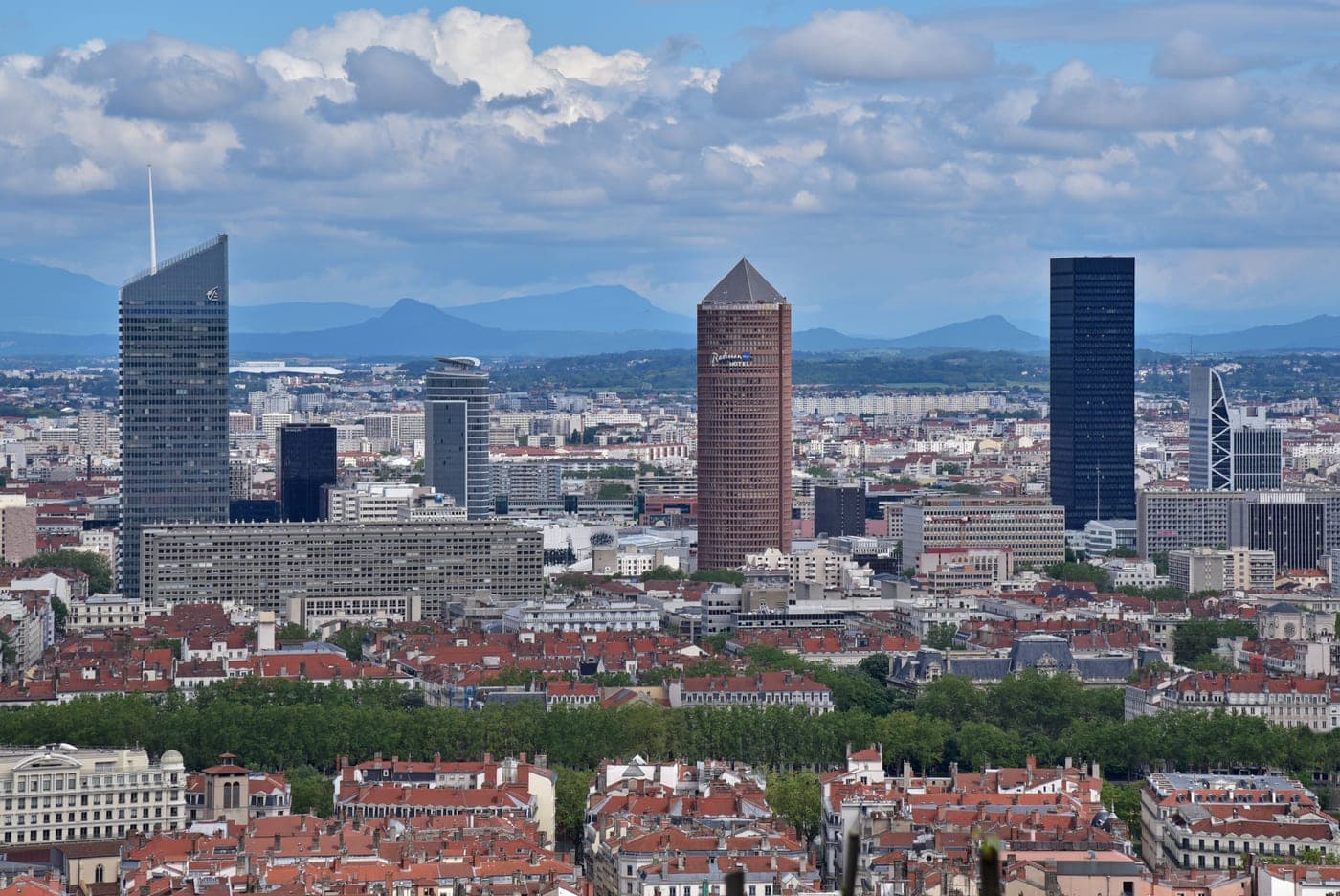
Nestled in the heart of France, this region is the second-largest, known for its diverse landscapes from the rugged mountains of the Alps to the volcanic terrain of the Massif Central. Lyon serves as a vibrant urban center, celebrated for its gastronomy and silk heritage. Off the beaten path, explore the historic villages of Le Puy-en-Velay, famed for its unique lentils and pilgrimage routes, or the picturesque landscapes of the Ardèche, with its stunning gorges. The region is also home to the picturesque vineyards of Beaujolais, producing renowned wines, and the stunning Lac d'Aiguebelette, one of the cleanest lakes in France. Seasonal festivals, like the Fête de la Gastronomie, showcase the local culinary delights, making this area rich in culture and history, ideal for a deep exploration of French traditions.
Wine TastingCamper Van RentalsHikingCastles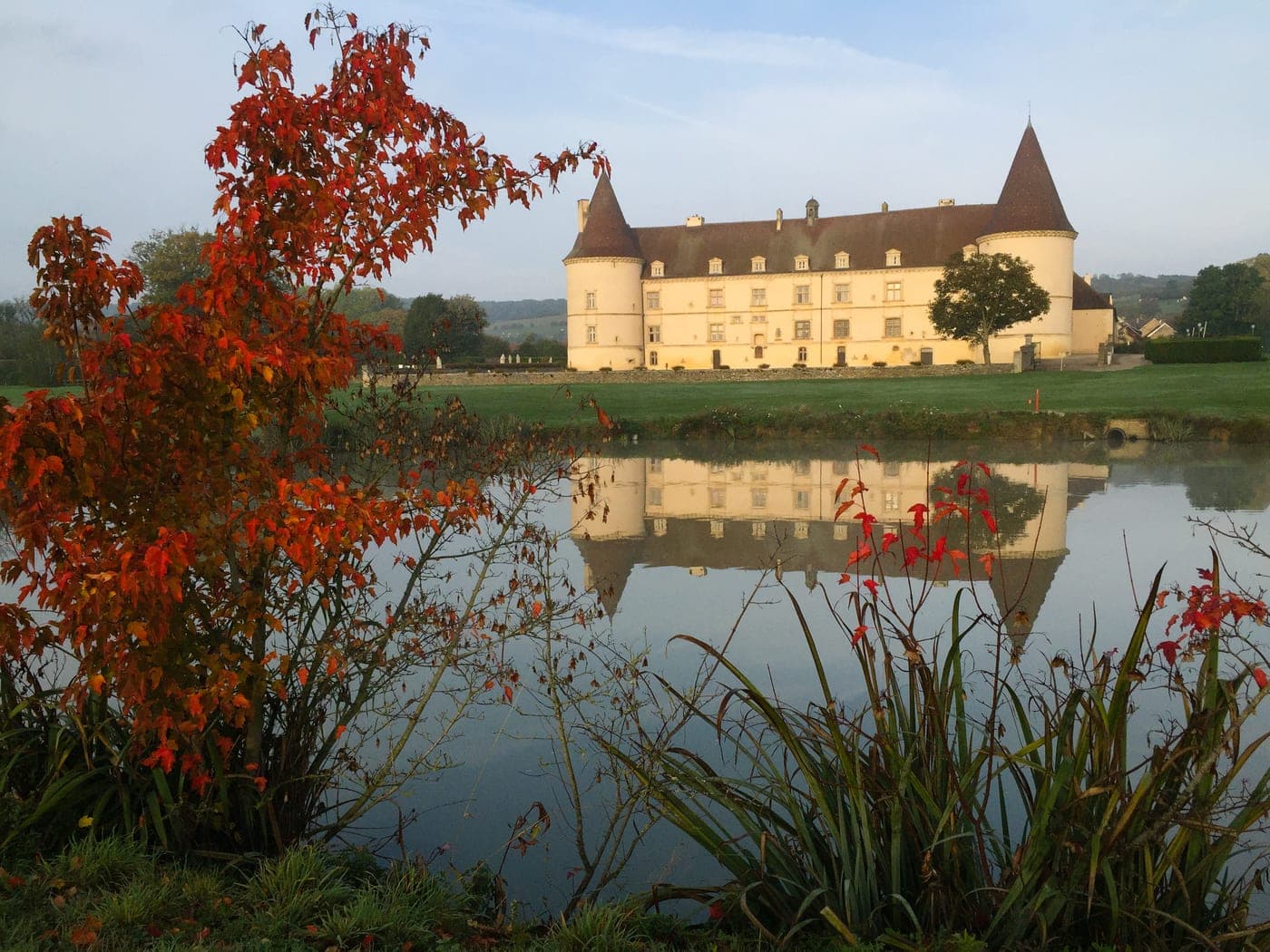 Castles5 destinations
Bourgogne-Franche-Comté
Bourgogne-Franche-Comté is France's largest region, rich in history and culture. It's renowned for its exceptional wines, particularly those from the Burgundy area, which produce some of the world's finest Pinot Noir and Chardonnay. The region features historic cities like Dijon, known for its mustard and vibrant markets, and Besançon, famous for its citadel and watchmaking heritage. Natural landscapes include the Jura mountains and the picturesque Doubs River, perfect for hiking and cycling. The region is dotted with charming villages such as Arbois and Nans-sous-Sainte-Anne, offering a taste of local crafts and cuisine. Festivals celebrating wine and regional traditions add to its cultural depth, attracting those looking to experience France beyond the usual tourist paths.
CastlesWine TastingHiking